Daher Kodiak and TBM Aircraft Deployed in Wildfire Response Across North America
Why It MattersWildfire response is pulling single-engine turboprops into supervision and command roles beside tankers, which turns airframe type, backcountry performance and in-house mission-systems integration into the competitive terms for the segment.
What happened
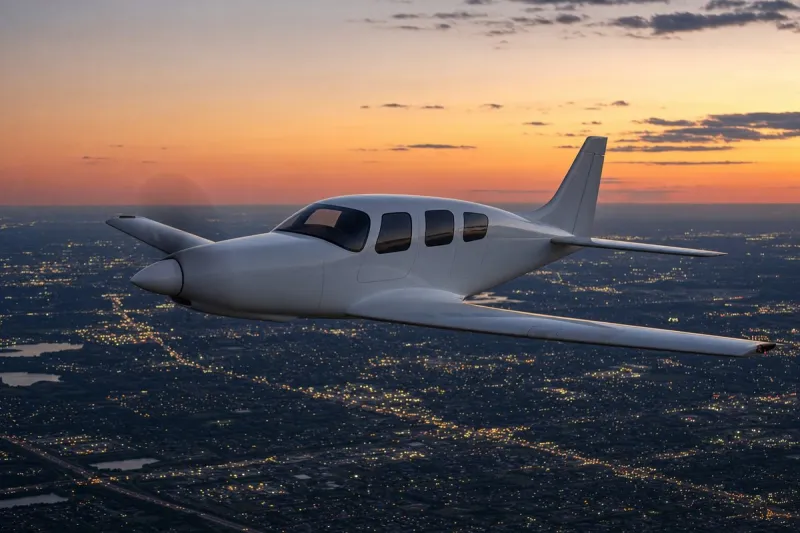
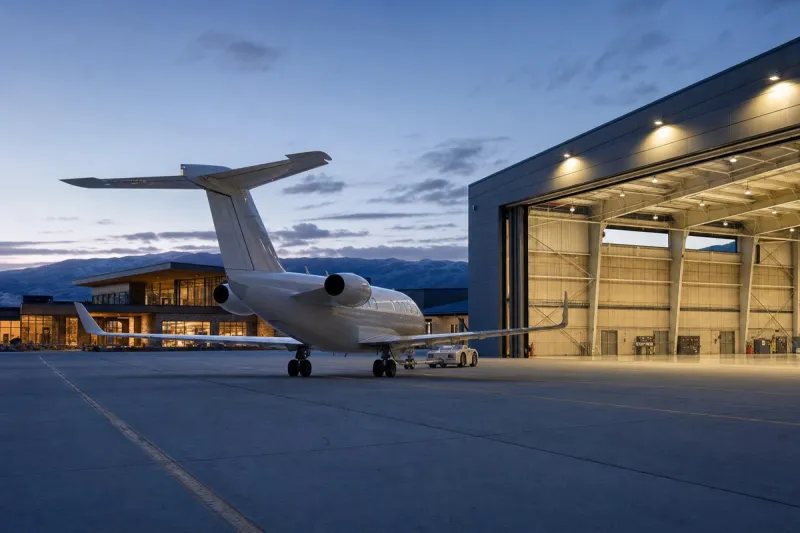
Daher Aircraft-built Kodiak and TBM airplanes are being used on the front lines of wildfire response, from Canada and the Pacific Northwest to Florida in the southeastern United States. They provide aerial supervision, coordinate air tanker drops and deliver real-time situational awareness during demanding missions.
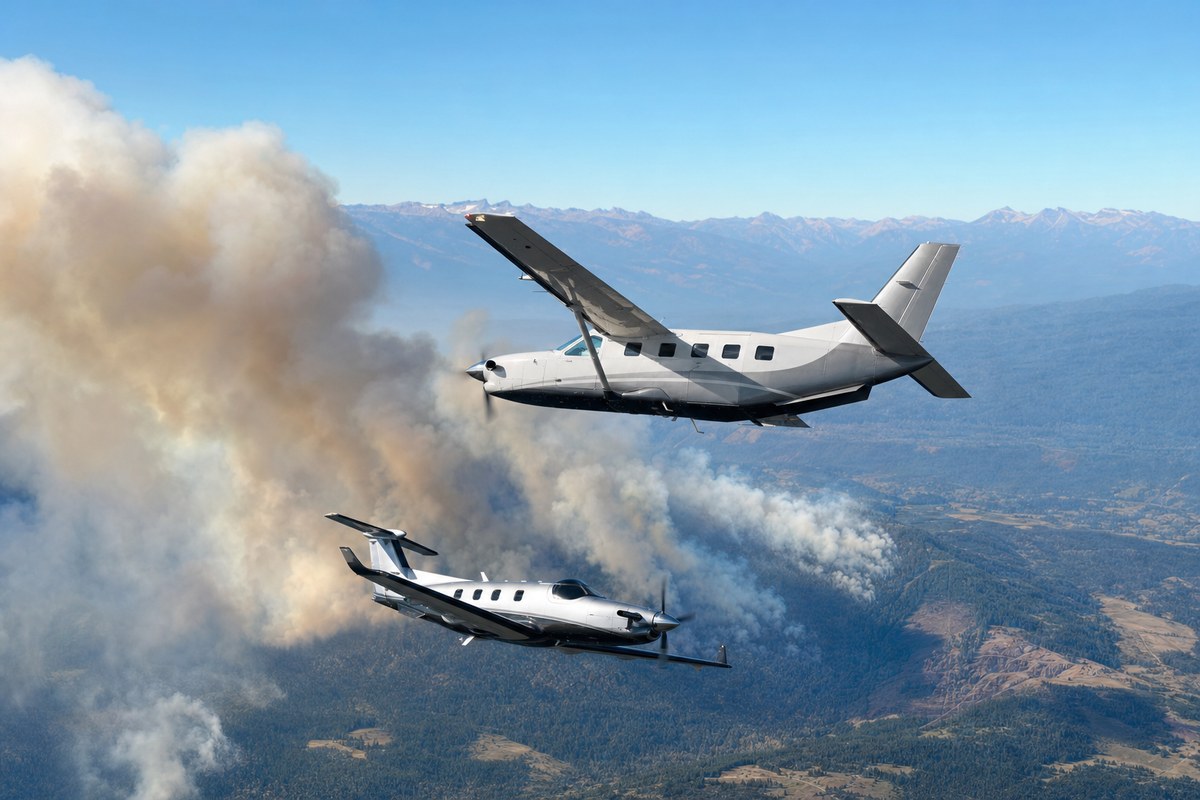
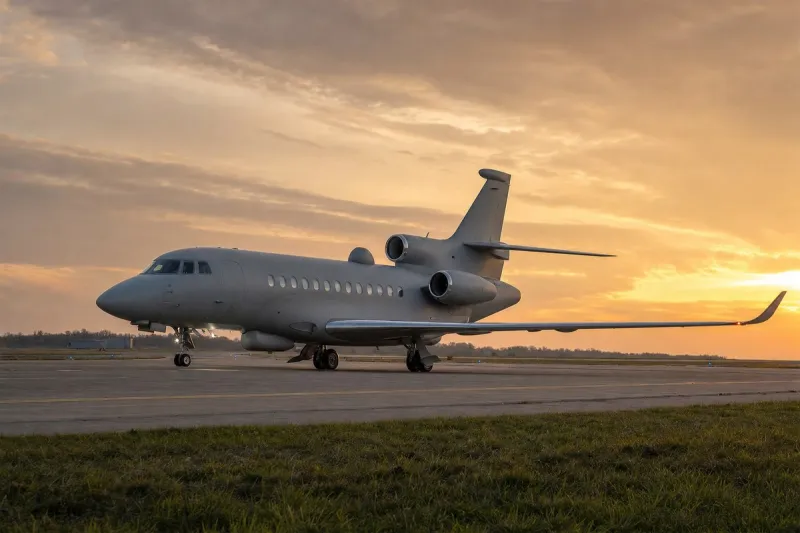
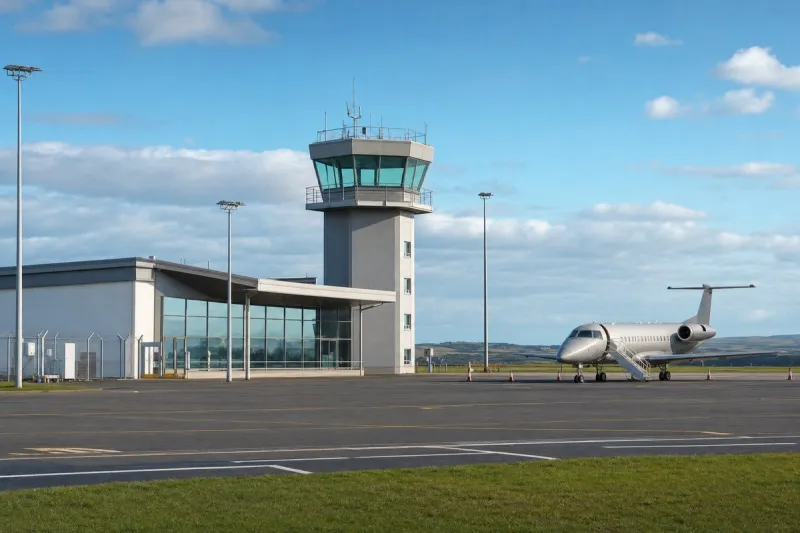
Government agencies and private operators increasingly rely on the Kodiak 100 and the larger Kodiak 900 for aerial firefighting support and multi-mission applications. The TBM 960 has entered service as an airborne command-and-control platform, with duties that include monitoring fire zones, assessing risks and planning the deployment of water or retardant by air tankers.
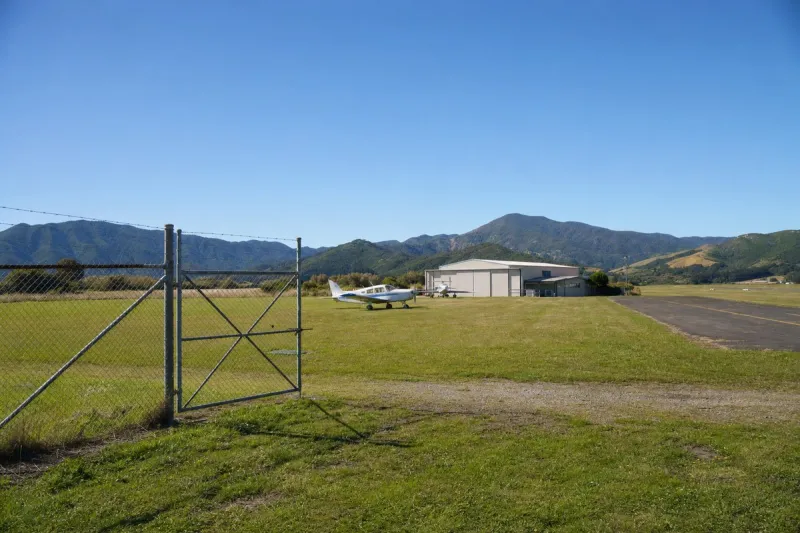
Daher Aircraft CEO Nicolas Chabbert said the two types bring complementary strengths: the Kodiak combines ruggedness, handling qualities and multi-mission adaptability, while the TBM delivers speed, efficiency and versatility to cover distances quickly and respond to changing operational demands. The unpressurized Kodiak offers long endurance, good handling at low speeds and short take-off and landing (STOL) performance that allows operations from backcountry and semi-prepared airfields.
Systems integration for the U.S. Forest Service
As the Kodiak and TBM fleets grow in wildfire response, Daher Aircraft has strengthened its in-house capabilities for integrating specialized multi-mission systems.
One recent project involved a new-production Kodiak 100 Series III for the U.S. Forest Service. The airplane underwent comprehensive systems integration at Daher Aircraft's Sandpoint, Idaho, facility to support the agency's wildfire management, aerial supervision, forest health and logistics operations.
Industry impact & what to watch
The two roles described here split along the physics of the job. Supervision and coordination over a fire zone favour an aircraft that can loiter at low speed and use rough strips close to the fire line, which is the Kodiak's profile. Command-and-control over wider areas favours speed and range, which is where a pressurized turboprop like the TBM fits. Neither type drops water or retardant; they direct the tankers that do, so their value shows up in how efficiently tanker sorties are sequenced rather than in payload.
The Sandpoint integration work points to where the commercial weight sits in this segment. For agencies buying airframes for wildfire management, the sensor, communications and mission-system fit is a large part of what makes an aircraft useful, and an OEM that performs that integration itself shortens the path from delivery to operational service. That favours manufacturers with in-house modification capacity over those that hand airframes to third-party completion shops.
The next concrete marker is further Kodiak and TBM deliveries into agency and private fleets, along with any additional integration projects of the kind completed for the Forest Service.