FAA Warns Low Clouds and Strong Winds Could Disrupt Flights at Major U.S. Airports on October 26
Why It MattersWeather-driven capacity cuts at hub airports spill through the network because arrival rates fall faster than schedules adjust, and runway closures leave little slack for traffic managers to absorb them.
What happened
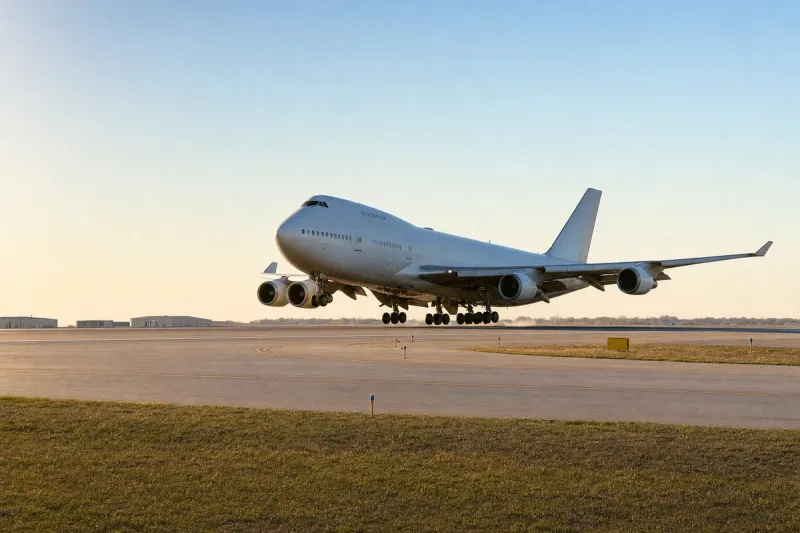
The Federal Aviation Administration (FAA) warned of potential disruptions at major U.S. airports on October 26 because of low cloud cover and strong winds. The agency said these conditions could significantly reduce arrival capacity and may require ground stops or delay programs if visibility and runway conditions worsen.
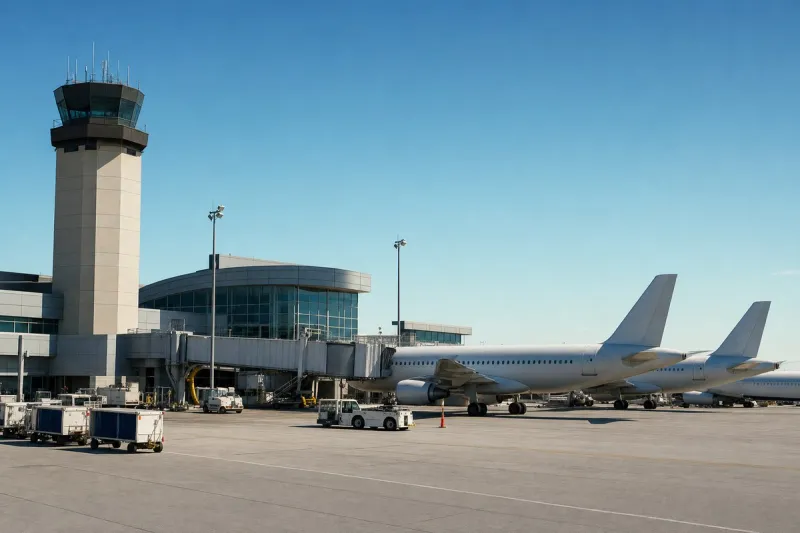
In its daily air traffic report, the FAA cited low cloud ceilings as a concern at Chicago O'Hare (ORD), Chicago Midway (MDW), Denver (DEN), Detroit Metropolitan (DTW), San Francisco (SFO) and Seattle-Tacoma (SEA). Gusty winds are expected to affect several Florida airports, including Fort Lauderdale (FLL), Orlando (MCO), Miami (MIA) and Tampa (TPA). The forecast indicates risks of disruption; it does not confirm that all listed airports are currently facing major delays or cancellations.
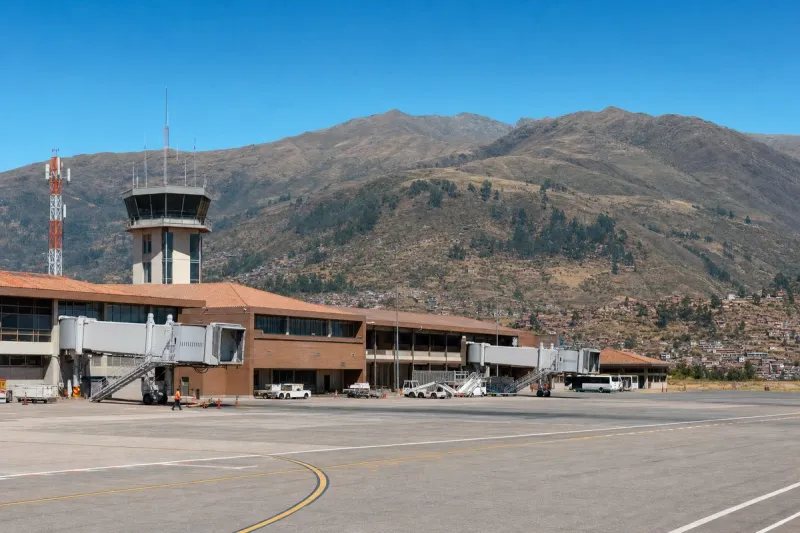
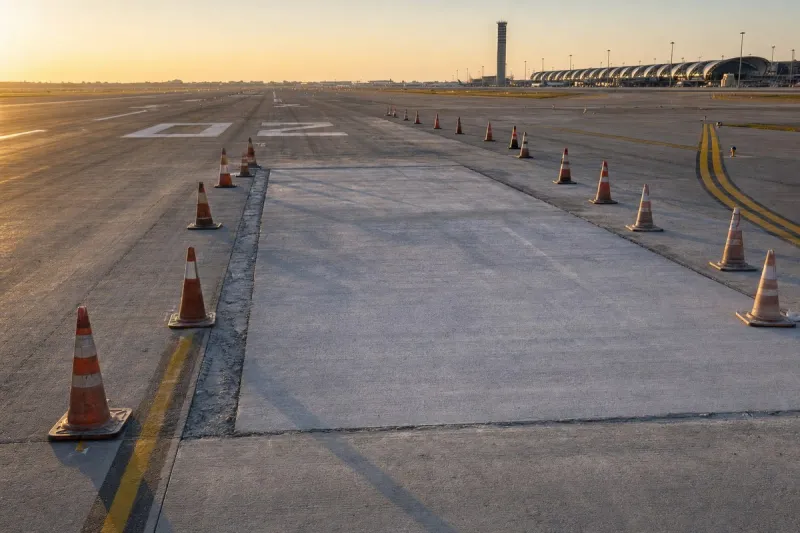
The FAA identified Denver as a candidate for ground stops or ground delay programs if weather reduces available capacity. Runway 16R/34L at Denver is scheduled to be closed until November 5, and at Seattle-Tacoma Runway 16C/34C is closed until November 15. At San Francisco, a weather-related ground delay program is already in place, with average arrival delays of about 58 minutes during the reporting period. Chicago O'Hare is experiencing minor delays, and the FAA report does not indicate widespread cancellations. The FAA has not declared a nationwide airport shutdown.
Industry impact & what to watch
Low ceilings constrain arrival rates because aircraft need greater separation on approach, so the number of landings per hour drops even when airports remain open. At a hub like Denver, that reduction can back up inbound flights quickly, and the scheduled runway closures at Denver and Seattle-Tacoma leave less room to recover when weather tightens capacity.
Crosswinds work differently from low ceilings: they can limit which runways are usable or force changes to arrival and departure procedures. For the Florida airports the FAA named, the exposure is to reduced runway flexibility rather than to reduced visibility.
For business-aviation flights into these airports, the practical test is whether the FAA's daily report and Command Center advisories move from a risk warning to an announced ground stop or delay program at a specific airport. Denver is the airport the FAA singled out for that step.