ACMI World Compares 10 Jet Fuel Card Programs for Charter Operators in 2026
Why It MattersCharter fuel buying splits into two tools, a widely accepted payment card for convenience and a negotiated contract program for price, so operators typically combine both rather than rely on one.
What happened
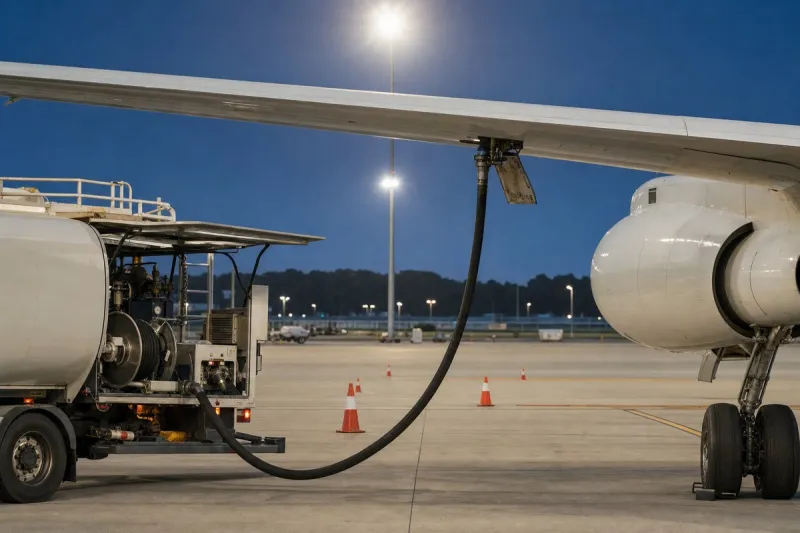
ACMI World has published a 2026 comparison of ten aviation fuel card programs used by charter and ACMI operators, ranking them on FBO acceptance, access to contract fuel pricing and fees. The programs combine wide FBO acceptance with access to contract fuel pricing, and fuel is the largest variable cost on a charter.

The ten programs are AVCARD, the World Fuel Contract Card, the Avfuel Pro Card, the Multi Service Aviation (MSA) card, the Phillips 66 Wings Card, the AEG Fuels Carnet Card, the Air bp Sterling Card, the Shell Fuel & Fly Card, the EPIC Card and the Signature co-branded card.
AVCARD is accepted at about 8,200 locations with no annual fee, line-item data and consolidated invoicing. The World Fuel Contract Card, which includes the former UVair card, offers negotiated pricing at more than 3,000 FBOs and suppliers plus a fuel tax recovery program. The MSA card has more than 35,000 cardholders and was bought by Titan Aviation Fuels from U.S. Bank in 2025. The Phillips 66 Wings Card is accepted at 8,200 FBOs with no annual or administrative fees. The AEG Fuels Carnet Card covers more than 3,000 locations with 24/7 fuel dispatch and no annual fee.
For the Avfuel Pro Card, the comparison cites more than 675 Avfuel-branded FBOs and 3,000 contract fuel locations. Avfuel's own program page lists the Pro Card as accepted at 3,500+ global contract fuel locations and 700+ branded FBOs, with contract and retail fuel pricing, non-fuel purchases and mobile wallet availability, and states that all Avfuel card programs are free from annual and transaction fees. Avfuel also offers a Retail Card (700+ Avfuel-branded FBOs, retail fuel pricing only, $4,000 maximum credit) and an AVTRIP Rewards card, which earns a minimum of 2 points per gallon at 525+ FBOs.
Card versus contract fuel
For international charter work, operators usually pair a widely accepted payment card, such as AVCARD or the MSA card, with a contract fuel program such as World Fuel's Contract Card, Avfuel or AEG Fuels.
A fuel card is a way to pay at the FBO, often at posted retail prices, while contract fuel is a price negotiated through a supplier before the uplift, usually well below posted retail. Many cards combine both.
Industry impact & what to watch
The comparison shows how charter fuel buying is structured: payment access and price access are separate questions. A card with the broadest FBO acceptance solves where an aircraft can pay, while a contract program determines what the operator pays per gallon, and the two seldom come from the same product.
Because fuel is the largest variable cost on a charter, the gap between posted retail and contract pricing flows straight into trip margin. That is why programs compete on contract-location counts and fee structures as much as on raw acceptance, and why the pairing of a payment card with a contract program is the norm on international work.
Ownership changes are worth tracking inside this market. The MSA card moving from U.S. Bank to Titan Aviation Fuels in 2025 shows card programs and fuel suppliers drawing closer together, which can shift how acceptance networks and pricing access are bundled for operators.