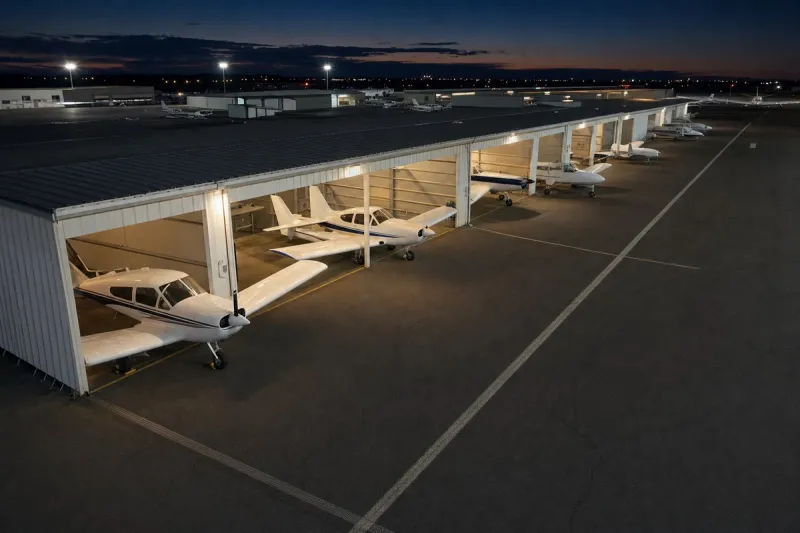
General Aviation Maintenance Shifts From Technical Task to Planning Challenge as Fleet Ages and Mechanics Become Scarce
Why It MattersMaintenance capacity, rather than aircraft availability alone, increasingly sets utilization in piston and personal aviation, so downtime from parts, labor and records gaps shapes the economics of older fleets.
What happened
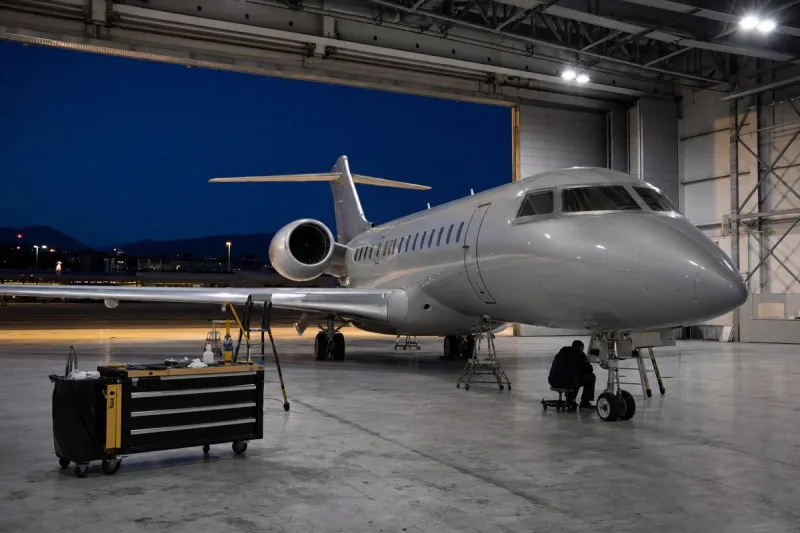
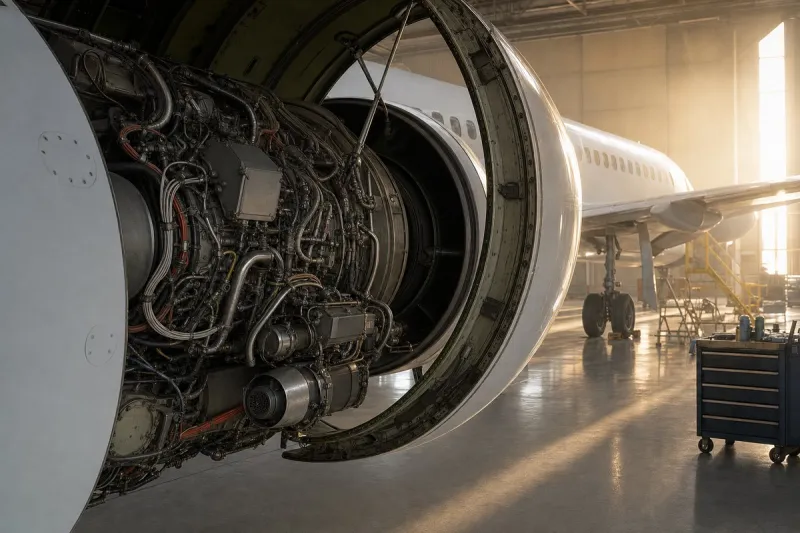
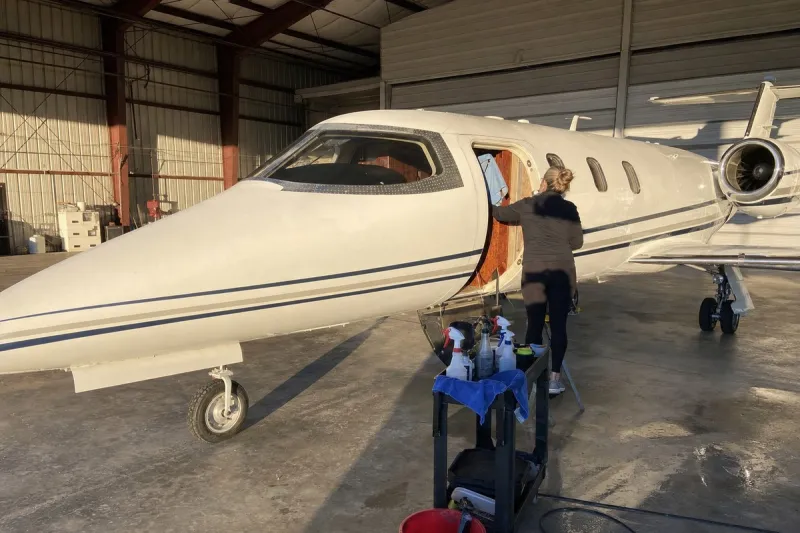
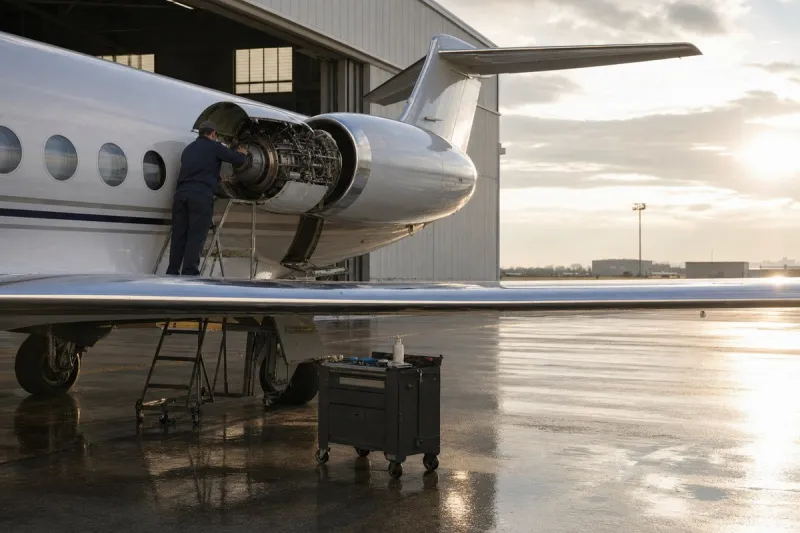
General aviation maintenance planning has traditionally centered on the next annual inspection, scheduled component work and finding a qualified maintenance professional. The inspection itself is predictable, but the amount of work it uncovers often is not. A routine inspection can reveal corrosion, worn components, discrepancies from earlier repairs, or aging hoses and wiring.
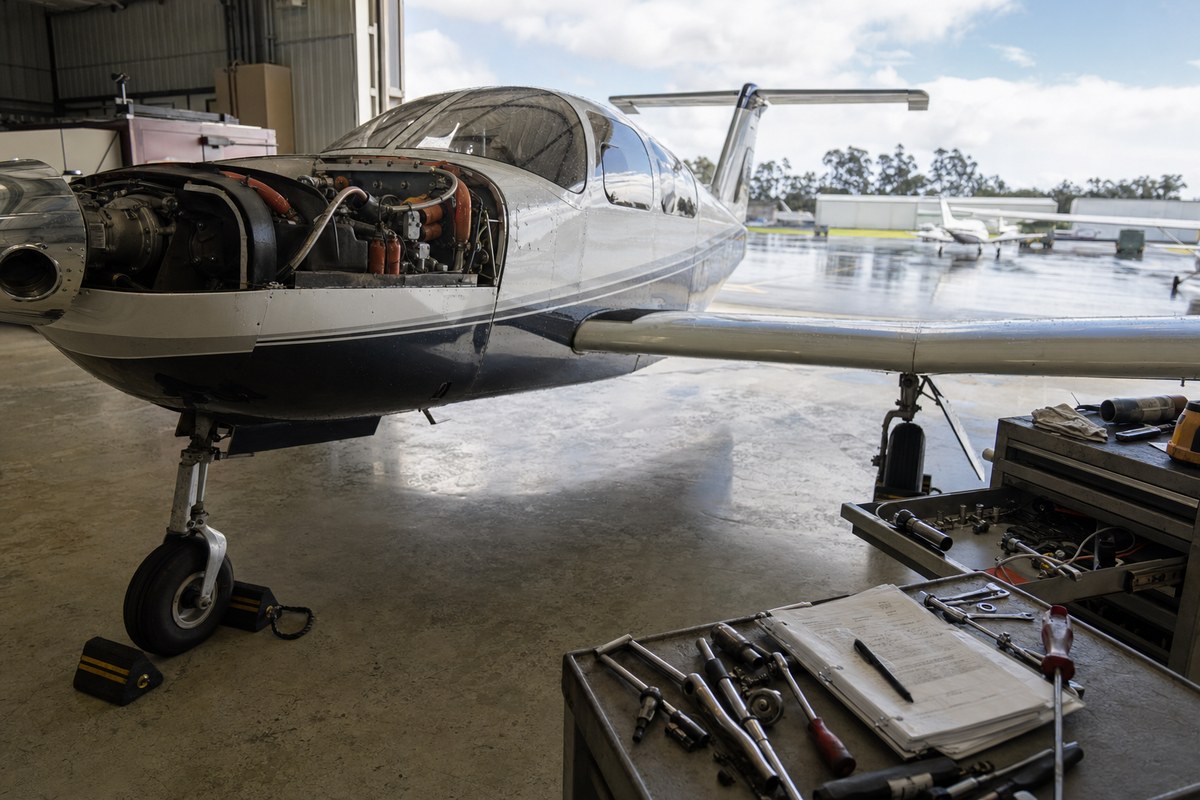
Age does not make an aircraft automatically unreliable; service history, storage, utilization, previous repairs and the quality of the maintenance program all matter. Age does raise the importance of inspecting systems whose condition is not obvious in normal flight, including hoses and seals, electrical wiring, exhaust systems, landing gear, fuel-system components and structure. Prior modifications such as updated avionics or supplemental type certificate installations can require technicians to consult additional documentation.
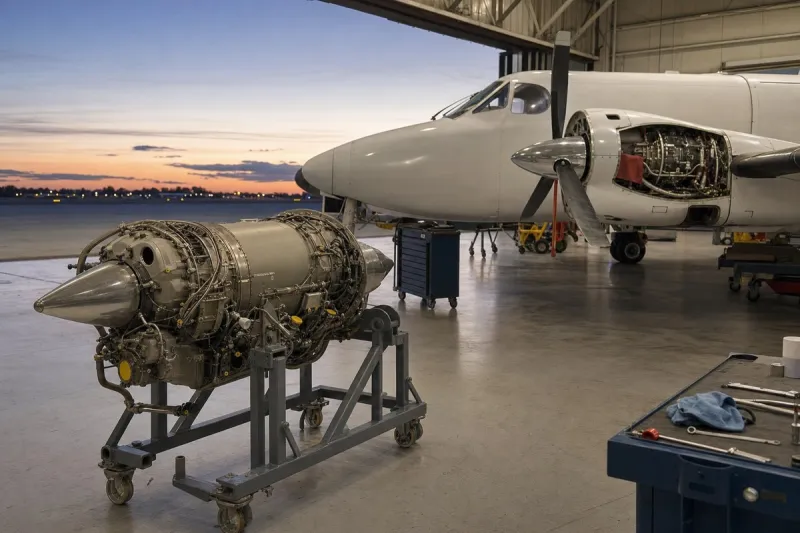
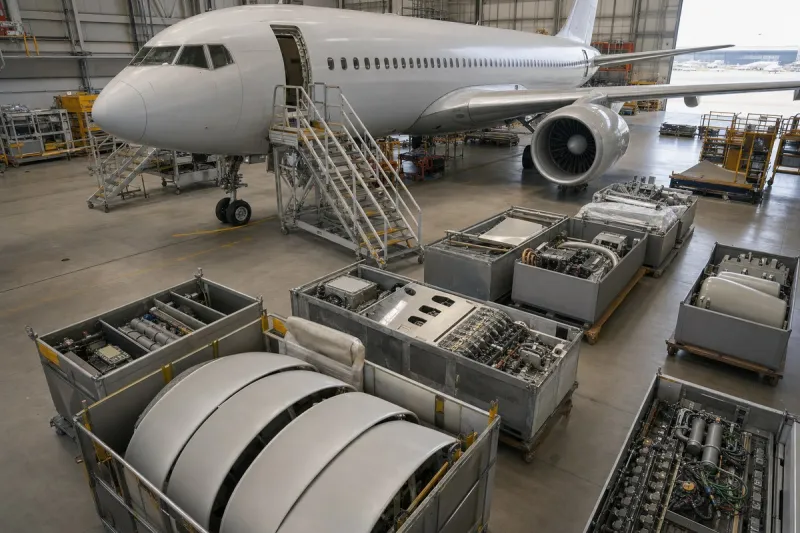
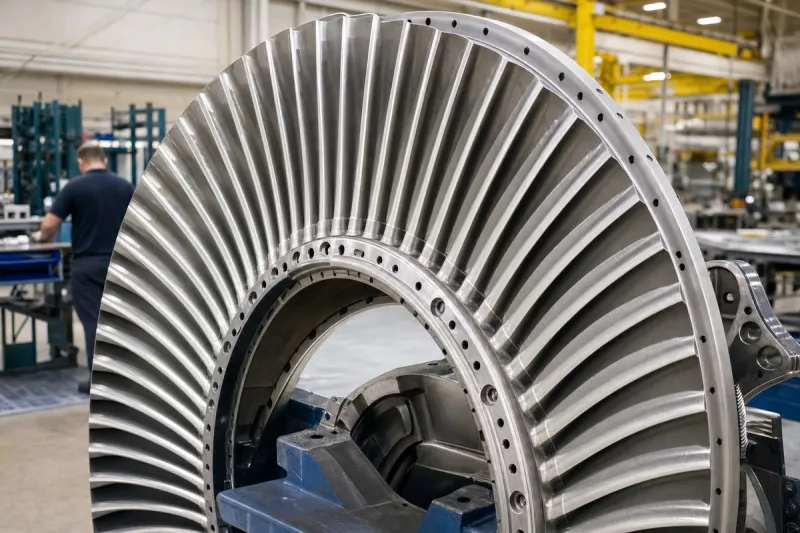
Parts availability can determine turnaround. Delays can arise from long lead times, components that must be sent to outside repair or overhaul facilities, technical research for suitable replacements, documentation and traceability reviews, or specialized repair facilities located far from the owner. Complete maintenance records, which under FAA requirements cover maintenance performed, inspection status, total time in service, life-limited parts and overhaul status, let a shop assess an aircraft before opening it up.
Shop capacity is another constraint. AOPA's 2026 analysis of the maintenance workforce described a shortage of experienced mechanics and reported that reputable shops in some locations were booking annual inspections many months in advance. AOPA put personal aviation at roughly 70 percent of the active U.S. general aviation fleet, on the order of 140,000 aircraft, and said shops are booked six, nine or even 12 months ahead while experienced mechanics retire or leave for better-paid work in other industries.
Planning guidance on downtime
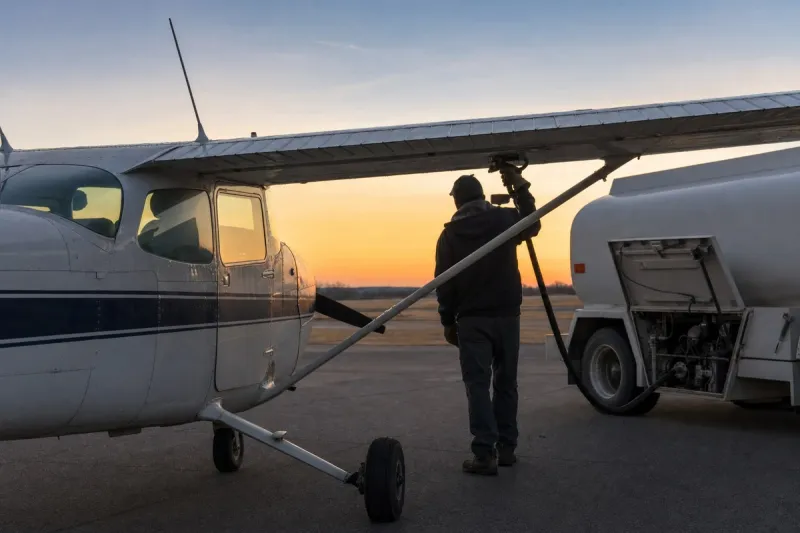
Unexpected ground time carries costs beyond the repair invoice, such as disrupted business travel, substituted training aircraft or rearranged missions. A part that takes two weeks to arrive does not mean only two weeks of delay, since installation, inspection, operational checks and return-to-service paperwork follow.
The article recommends separating maintenance duration from aircraft downtime and planning ahead: identifying major inspections, component work and long-lead parts six to twelve months out, then confirming the shop slot, reviewing open discrepancies and sourcing parts in the months before the work.
Industry impact & what to watch
The pattern in this account is a segment where the binding constraint on flying is no longer the aircraft but the queue around it. When a large share of an aging fleet competes for a limited pool of experienced technicians, the date of the annual inspection stops being a fixed calendar item and becomes something that must be negotiated well in advance, with parts and records settled first.
For operators of older piston and personal aircraft, that shifts where cost sits. Ground time, substitute aircraft and displaced missions accumulate outside the shop invoice, and the length of a repair is only one component of how long an aircraft is out of service. Shops with documented experience on a given type and owners with complete records are better placed to compress that window.
The workforce side is the slower variable: the AOPA analysis ties the booking backlog to mechanics retiring or leaving for other industries, so any easing would depend on technician supply rather than on how well individual owners plan.