Craig McCaw's Global 7500 flies 12 hours 23 minutes to Turin as 178 tracked private flights emit 1,120.9 tonnes of CO₂
Why It MattersDaily tracking digests turn individual long-haul private flights into aggregate emissions and utilisation figures, giving the segment's footprint a public, day-by-day measure that no operator or manufacturer controls.
What happened
A Celebplanes daily digest for Saturday, October 31, 2026 counted 178 tracked private flights closing on 2026-10-31 (UTC). Together they burned 295.6 hours in the air over 134,902 miles and emitted 1,120.9 tonnes of carbon dioxide. The busiest destination by arrivals was KIAD, with eight landings.

Occidental Petroleum was the day's top mover, with two flights totalling 14 hours 40 minutes in the air. They included an 11-hour-33-minute leg from Bangor to Abu Dhabi by a Gulfstream G650ER, which was also the largest single CO₂ emitter of the day at 66.3 metric tons.
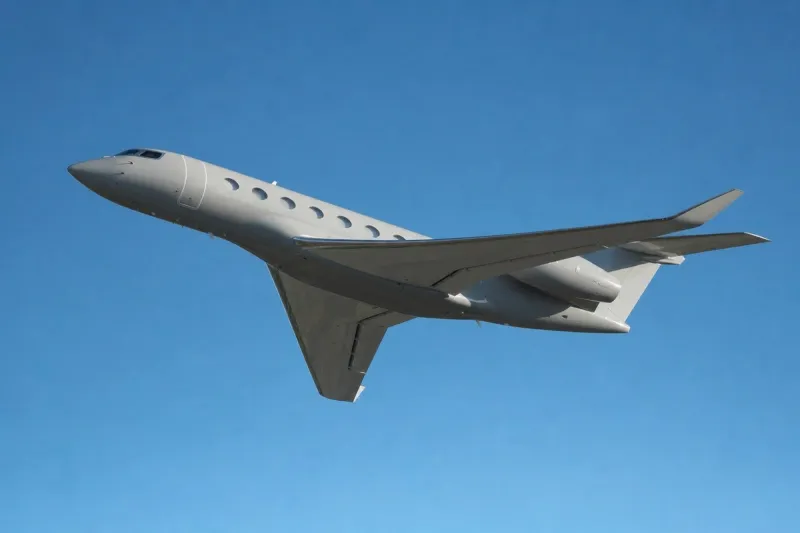
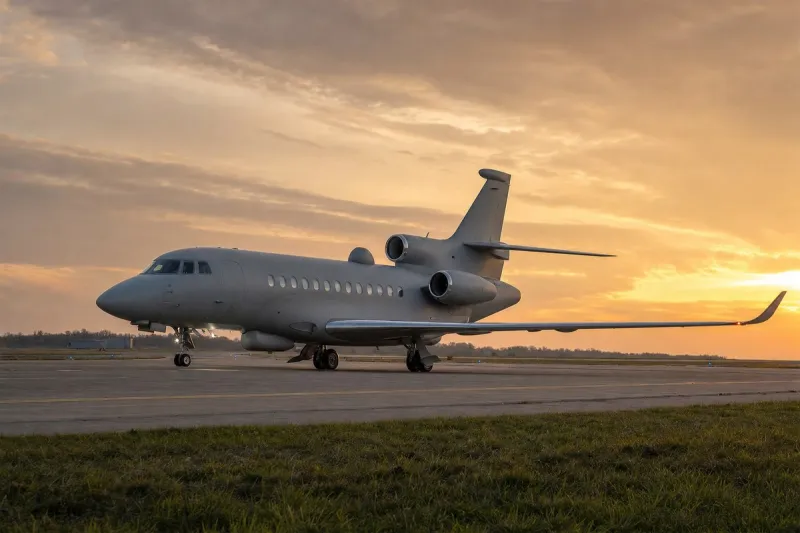
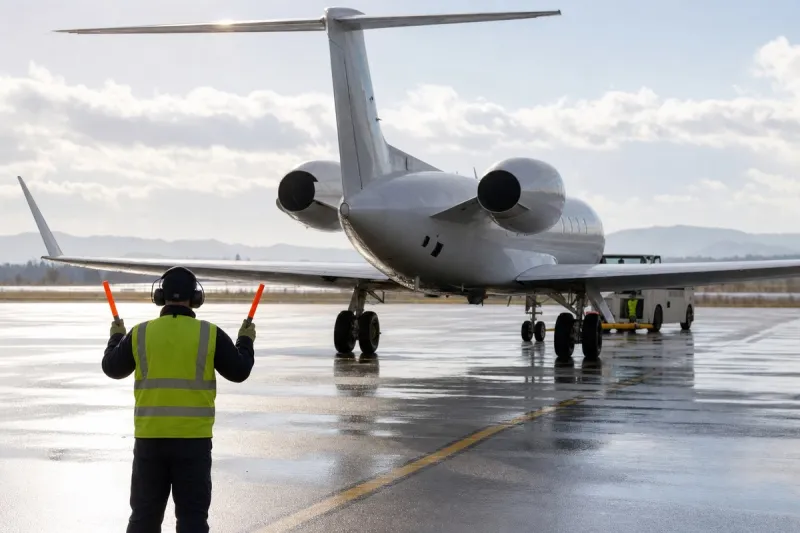
The longest flight was Craig McCaw's Bombardier Global 7500, tail N222MC, which flew 6,145 miles nonstop from DuPage Airport to Turin Airport in 12 hours 23 minutes. The digest said McCaw's fleet logged 22 flights in the past 30 days, with Farnborough its most common European stop, and noted a short hop from Chicago Midway earlier in the week.
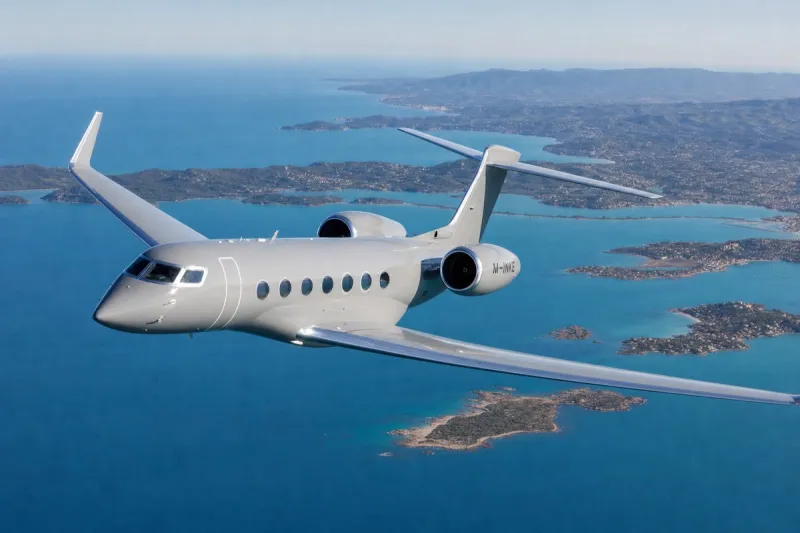
Other movements in the digest: Dwayne Johnson's Gulfstream G650ER (N1089) flew 4,586 miles from Charles de Gaulle International Airport to Miami International Airport in 8 hours 58 minutes. A flight attributed to Andrew Forrest, the Fortescue Metals Group chairman, ran from Inouye International Airport to Laurence G Hanscom Field in 8 hours 32 minutes. A Boston Scientific jet was listed for a 6-hour-0-minute flight to San Diego International Airport. INEOS's Gulfstream G600 (M-INKE) was on the ground at Nice-Côte d'Azur Airport after an 8-hour-0-minute crossing from West Palm Beach.
Industry impact & what to watch
Digests like this one convert tail-number tracking into a daily ledger of hours, miles and emissions. For a segment that sells discretion, the effect is that a single day's activity can be summed and compared in public: 178 flights and 1,120.9 tonnes of CO₂ are figures anyone can quote, regardless of what operators report about their own footprint.
The day's numbers also show where emissions concentrate. The Occidental Petroleum Gulfstream G650ER leg to Abu Dhabi alone accounted for 66.3 metric tons, and the long ultra-long-range legs of the Global 7500 and the G650ER type dominate any ranking by distance. Emissions in this segment come mostly from a small number of long-haul sectors rather than from the count of flights, which is why per-flight averages say little about the total.
The digest is a derived, third-party tally, and its CO₂ method is not described in what was published. Scrutiny of these aggregates is likely to turn on how emissions are calculated and how tail numbers are attributed to named owners, since those two steps decide whether a figure can be challenged by the operator it names.