ABS Jets CEO Jan Králík: Unstable Skies Force Multiple Backup Plans in Private Aviation
Why It MattersVolatile airspace is turning contingency routing and permit management into the core product of private operators, and reputation and recommendation, not advertising, determine who earns the trust of a small passenger pool.
What happened
Jan Králík, chief executive of the Czech company ABS Jets, spoke in a podcast from the Forbes Top CEO series about how the firm works. He said ABS Jets operates private aircraft for wealthy clients and charters out others, and that, by his account, its revenue exceeds four billion crowns.

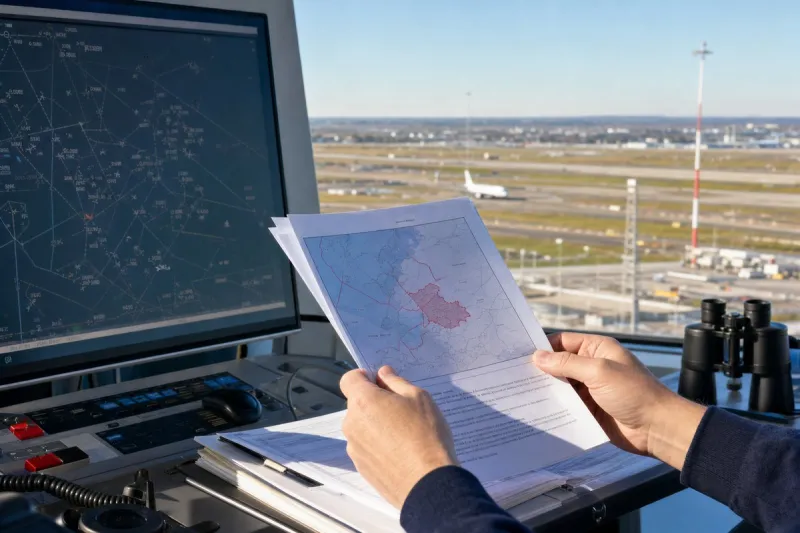
Kralík, who travels around Europe roughly once a week, joined ABS Jets as a dispatcher with an aviation education. In that role he planned flights, arranged overflight and landing permits, and organised services at the destination. He said the job showed him that an airline is not just a plane and a pilot but a large team behind the scenes.
He said clients find the company themselves if the work is done well, because the circle of potential passengers is small and they pass recommendations to one another. According to Králík, the client base is also widening: a small-firm entrepreneur can charter a plane once a year to fly to Croatia with family, and dividing the cost among passengers makes the sum less daunting.
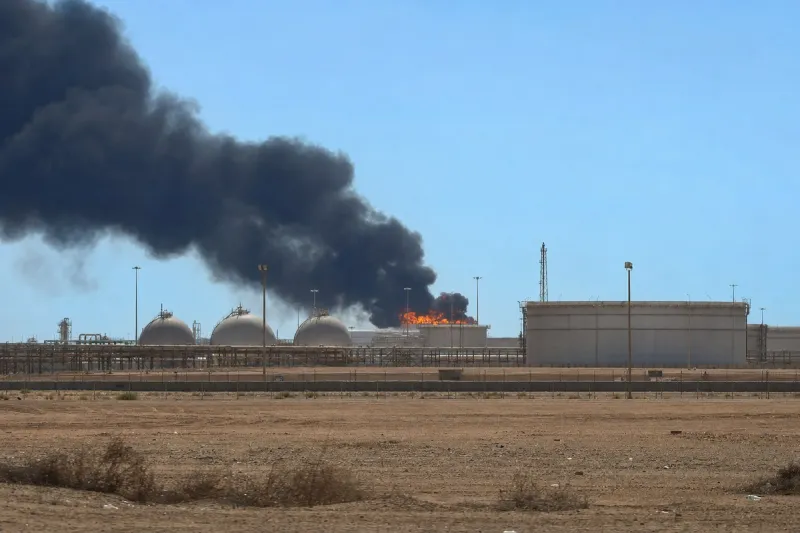
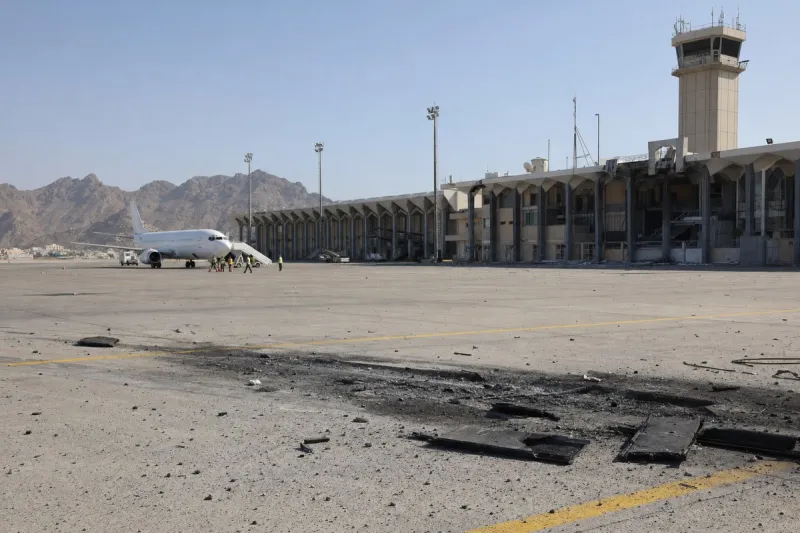
A phone call in this business usually means a problem, he said, such as bad weather, a technical fault, a military conflict, or a shortage of staff or spare parts. Králík described the Middle East as especially difficult: "Today we make not only a plan B but a plan C, a plan D and so on. You never know whether there will be shooting in Riyadh." He added that if a plane can be routed through the north of Saudi airspace, that does not mean the route will work the day after tomorrow, and the company has to deal with such situations every day.
Industry impact & what to watch
Králík's account points to where an operator's value sits in business aviation. The aircraft is the visible asset, but the work that clients pay for is the dispatch desk: permits, overflight clearances, ground handling and the ability to rebuild a trip at short notice. A route through northern Saudi airspace that works today and not in two days, as he put it, means each trip carries its own contingency tree, and a chain of fallback plans is a cost of doing business in that region rather than an exception.
The demand side works differently from commercial aviation. With a small circle of potential passengers who exchange recommendations, reputation for handling disruption functions as the main sales channel. The widening base he described, including one-off family charters with the cost split among passengers, suggests the segment is drawing buyers who are more price-sensitive and less familiar with how disruptions are handled, which raises the importance of clear expectations when plans change.
The revenue figure above four billion crowns is Králík's own statement, and the podcast does not supply a breakdown between owned-aircraft management and charter. How the firm's mix and routing practices evolve will be visible in how it describes its Middle East flying in future interviews.