FAA Restricts Airspace Within 30 Nautical Miles of Palm Beach Through Sunday During Trump's Mar-a-Lago Stay
Why It MattersPresidential-stay TFRs show how a single security perimeter can reallocate access among scheduled airlines, charter, general aviation and drone operators across an entire metro airspace system for days.
What happened
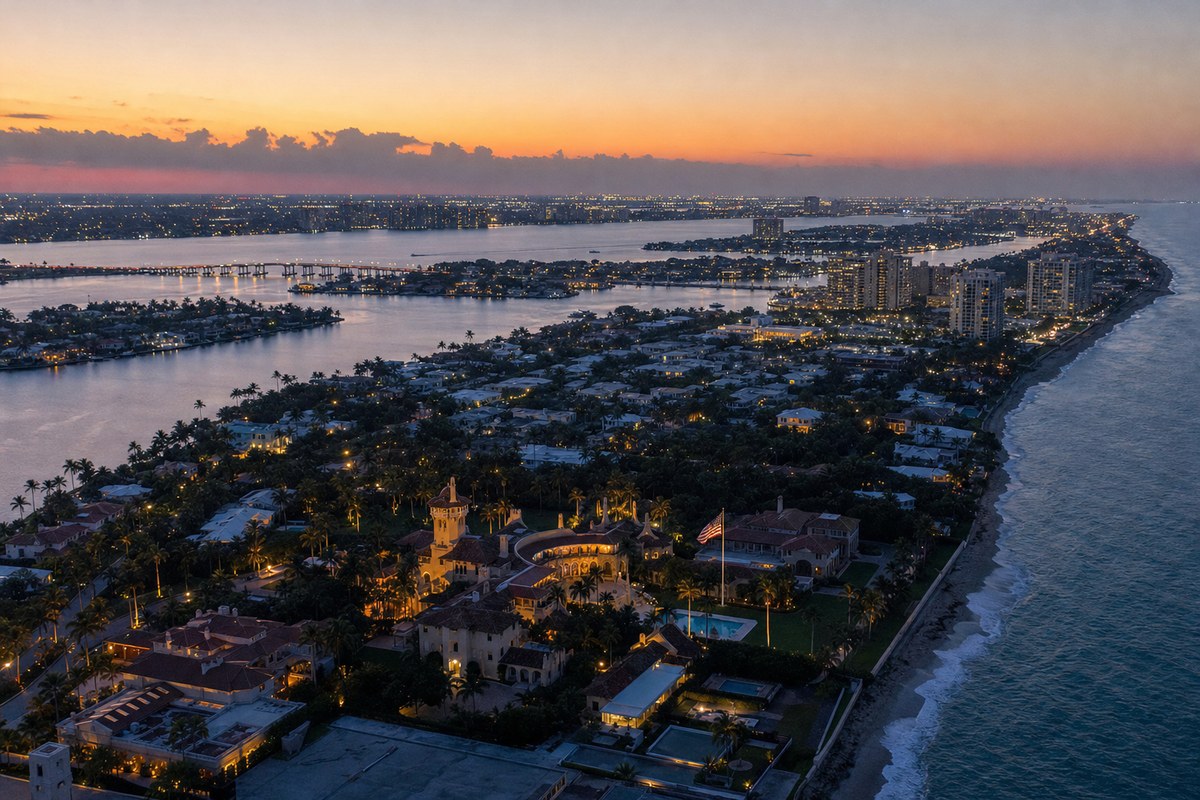
A temporary flight restriction covering a 30-nautical-mile radius around Palm Beach, Florida, is in effect through Sunday, grounding drones and limiting private flights as security increases around Mar-a-Lago and Palm Beach International Airport. President Trump returned to Mar-a-Lago late Friday after a campaign stop in Daytona Beach and is expected to remain in the area through at least part of Sunday, when he is scheduled to campaign in Kansas and Iowa.
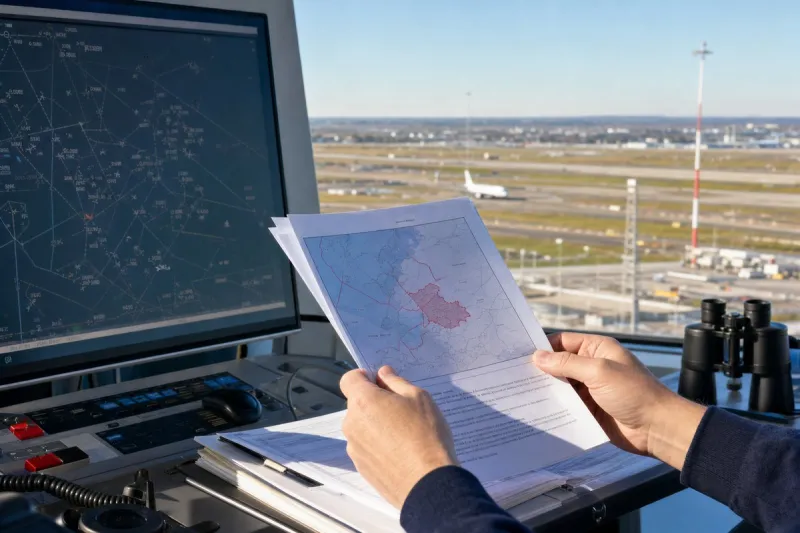
The restriction, NOTAM 6/3803, began Friday evening and covers airspace up to 17,999 feet above sea level within 30 nautical miles of Palm Beach, with stricter limits inside a 10-nautical-mile radius. The outer circle extends about 34.5 miles from its center. Drone photographer Paul Dabill warned local operators that a map of the area extends from southern Martin County to the Pompano Beach area. The FAA says TFRs apply to drones as well as other aircraft, and flights in restricted airspace require authorization.
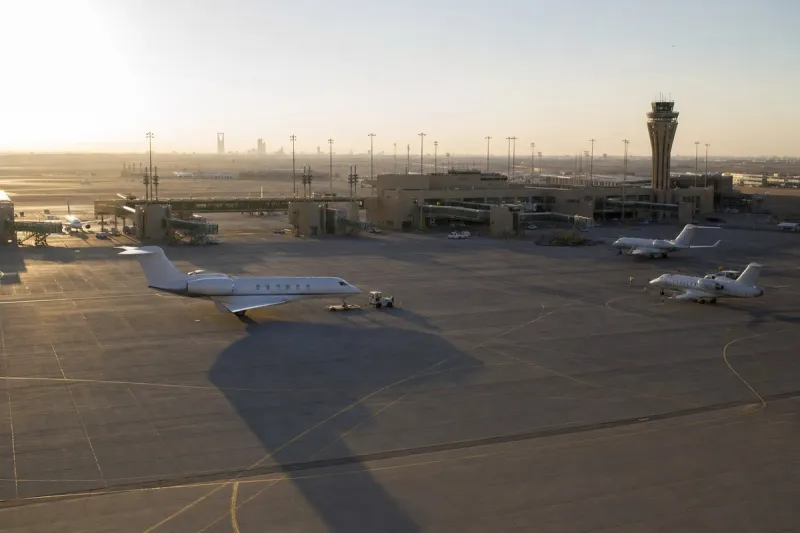
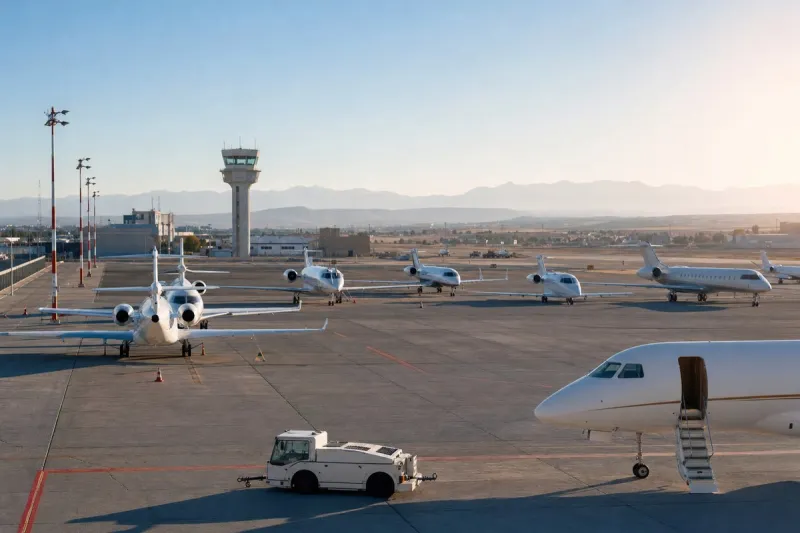
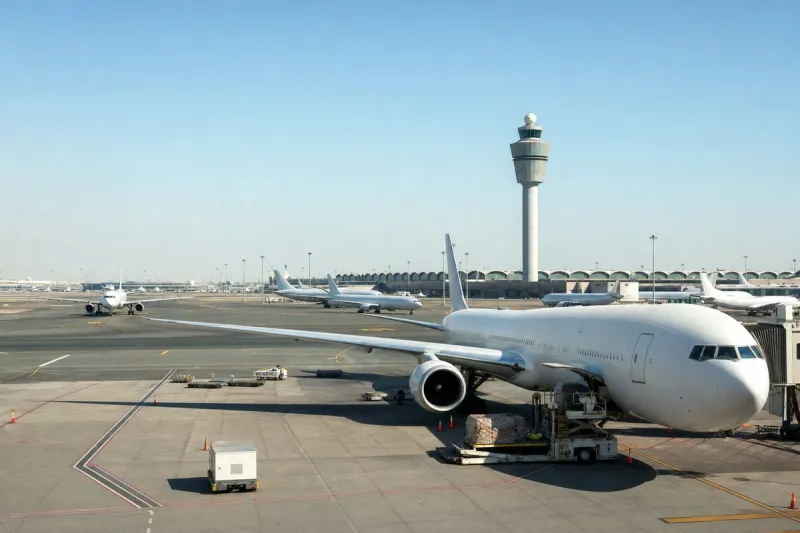
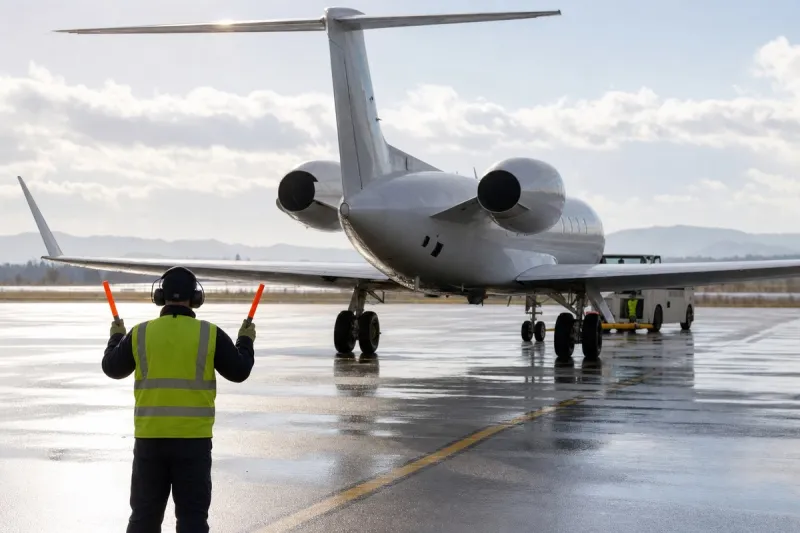
Scheduled commercial passenger and cargo flights at Palm Beach International Airport may still operate within the inner area if they meet specified security requirements, though flights may be temporarily delayed when the president departs, expected Sunday. General aviation, including many privately owned and charter aircraft, is prohibited within the 10-nautical-mile inner ring, with two small exclusion areas allowing arrivals and departures at Fort Lauderdale Executive Airport and Stuart's Witham Field.
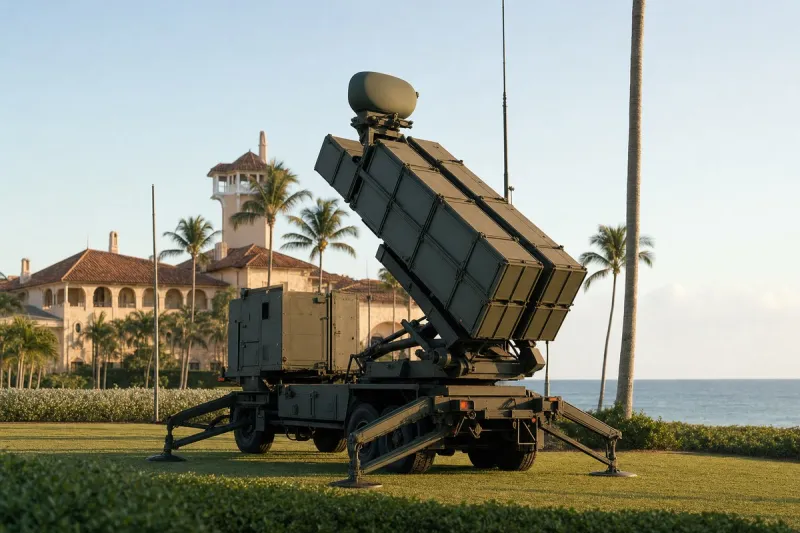
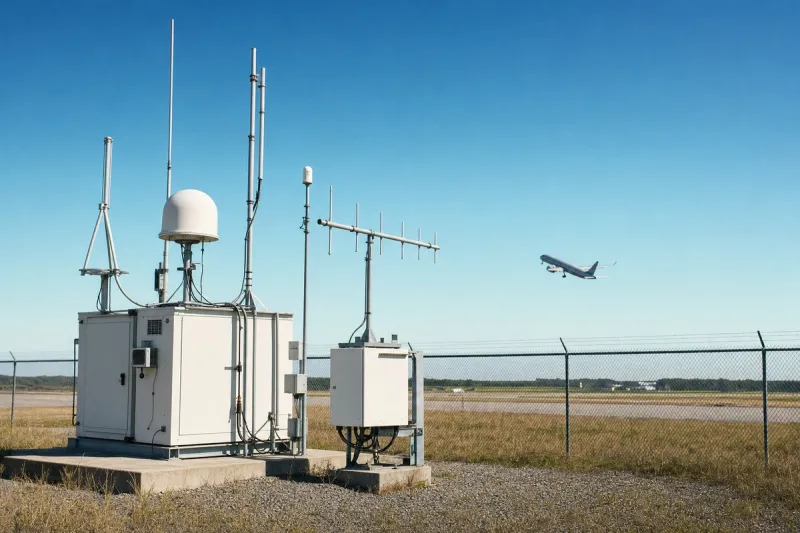
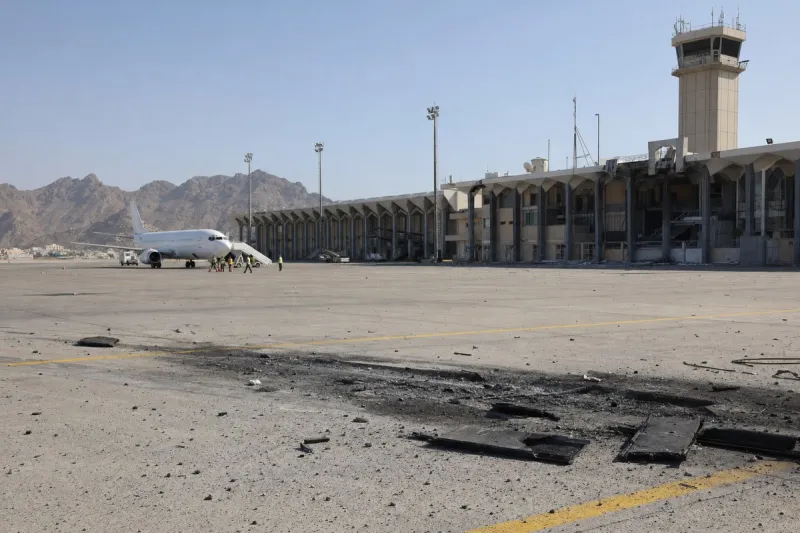
Security has visibly increased on the ground. Radar systems were positioned on the Southern Boulevard Bridge, air-defense equipment was placed on a barge near Mar-a-Lago, and three launchers were deployed at the airport. The Secret Service said it requested military counter-drone support and is operating in a heightened threat environment, but there was no indication of a specific threat. Officials declined to identify the systems; a former Navy fighter pilot said he believed they included Avenger air-defense systems with Stinger missiles, which the Secret Service and U.S. Northern Command did not confirm.
National outlets have separately reported on potential renewed U.S. strikes on Iran after the Nov. 3 midterm elections; those reports do not establish a connection to the Palm Beach security measures.
Industry impact & what to watch
Presidential-stay restrictions work as tiered access rules rather than a blanket closure. Scheduled airline and cargo traffic keeps moving under screening conditions, while general aviation and charter absorb the heaviest limits, with narrow carve-outs for nearby airports that keep some traffic flowing. For a market like South Florida, where a large share of business-aviation activity is private and charter, the cost of a multi-day TFR lands mainly on those operators and on the FBOs serving them.
The drone dimension is a growing part of the same pattern. Because the FAA applies TFRs to unmanned aircraft as well as crewed ones, commercial drone operators such as photographers and surveyors lose work areas as large as the 34.5-mile outer circle, and the footprint reaches from southern Martin County to the Pompano Beach area.
The next concrete marker is the president's departure expected Sunday, which is when delays to scheduled flights at Palm Beach International are most likely and when the NOTAM's stated window runs out.