ICE Deportation Flights to End at Akron-Canton Airport After Avflight Quits Ground Handling on Nov. 30, 2026
Why It MattersDeportation flights depend on a single ground handler at a given airfield, so one contractor's exit can end the operation, while landing fees go unpaid under the federal-contractor exemption.
What happened
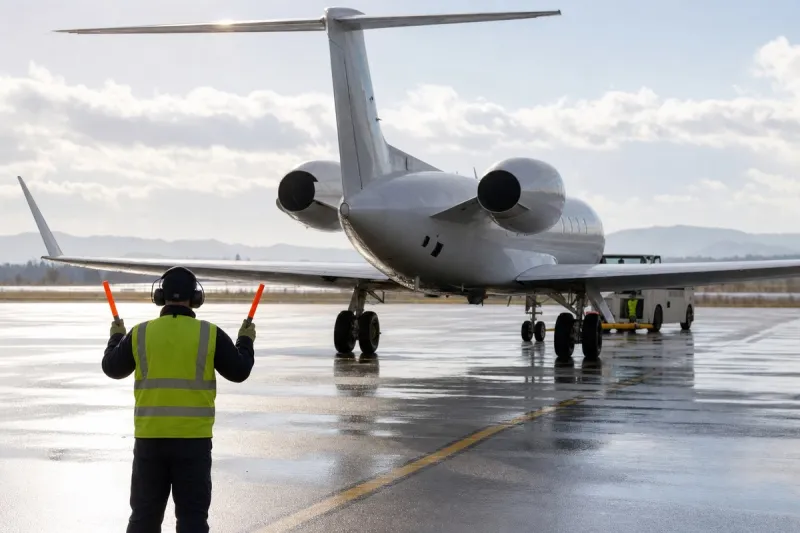
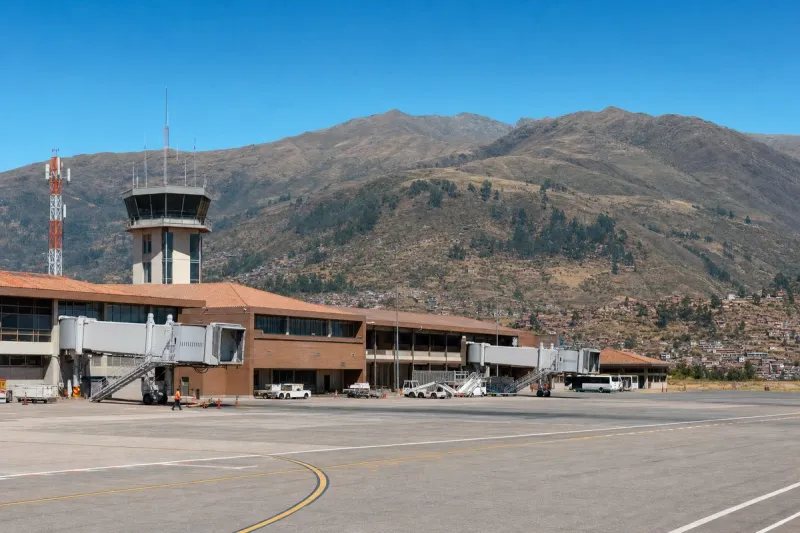
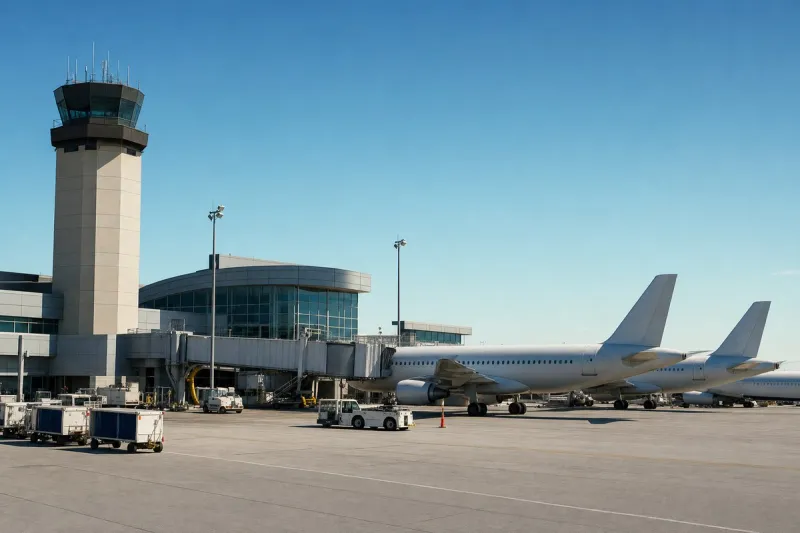
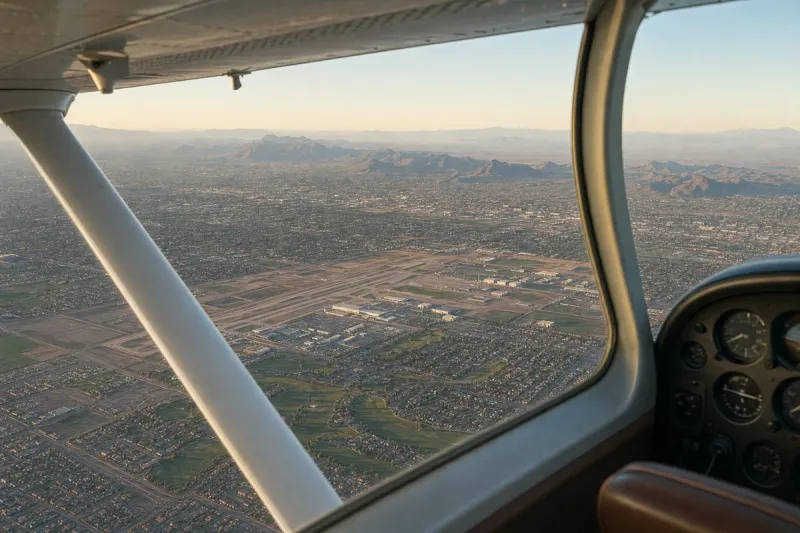
ICE deportation flights at Akron-Canton Airport (CAK) in Green, Ohio, will end after Nov. 30, 2026, airport officials said Wednesday. Airport Vice President Lisa Dalpiaz said CAK has been made aware that Avflight has notified the ICE flight operator, AEG Fuels, that it will discontinue ground-handling services at CAK effective Nov. 30, 2026, and that ICE flights will cease from CAK beyond that date. Avflight is based in Ann Arbor, Michigan, and AEG Fuels is based in Miami; neither responded immediately to questions.
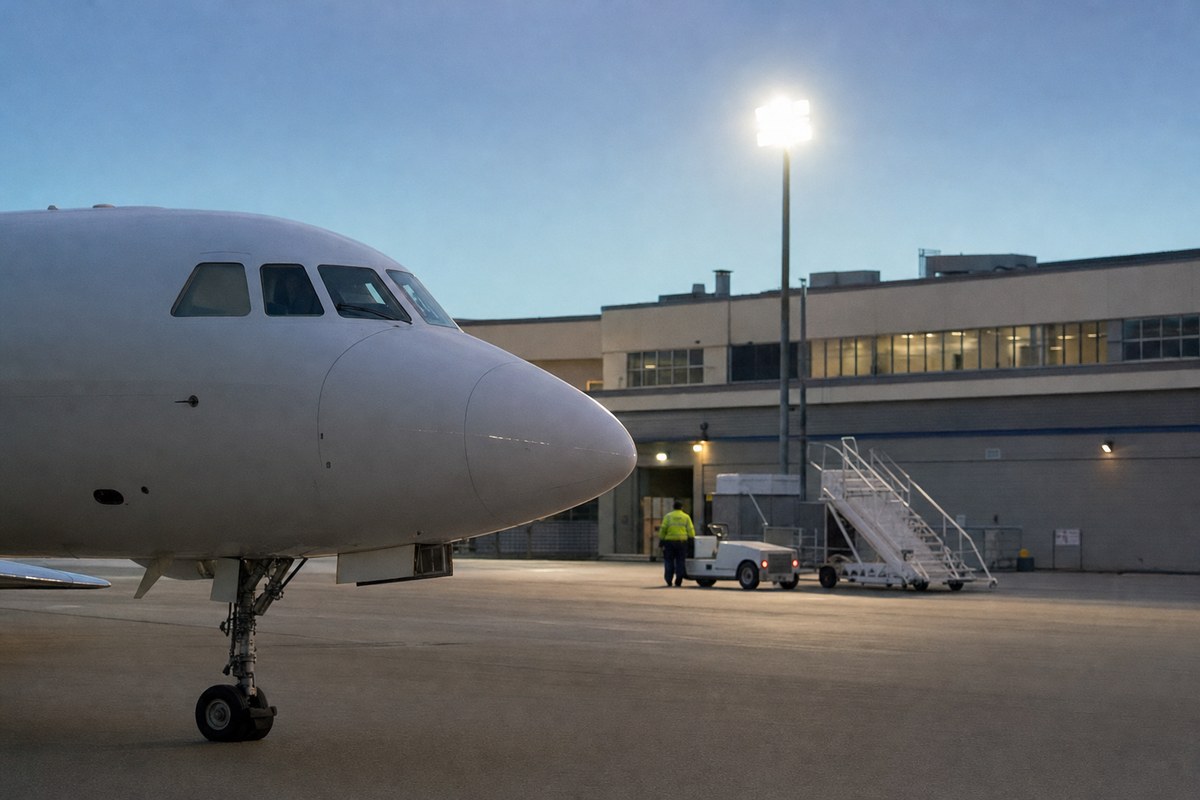
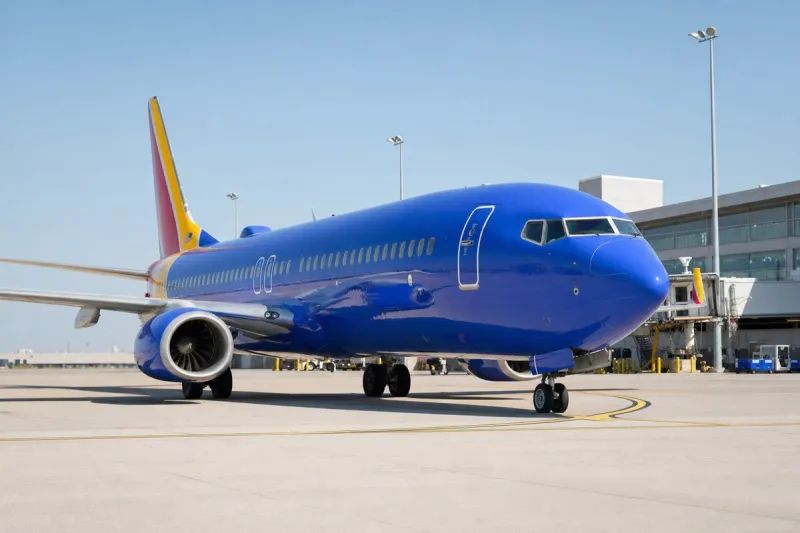
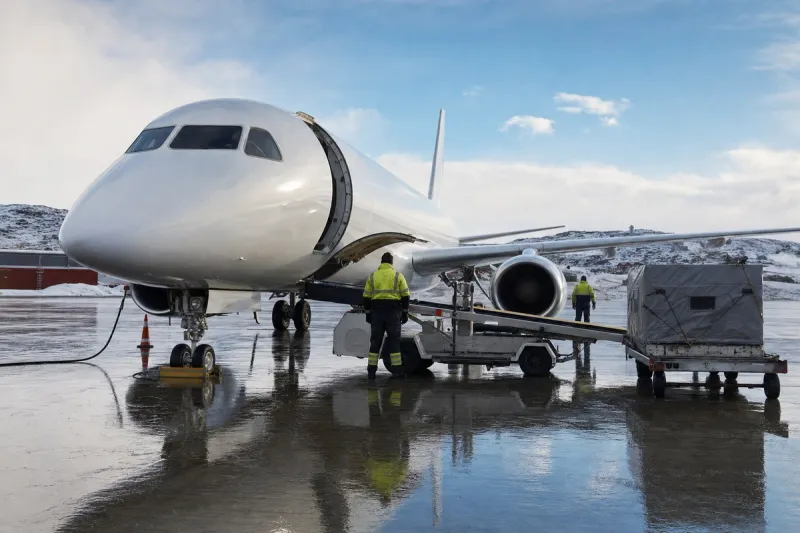
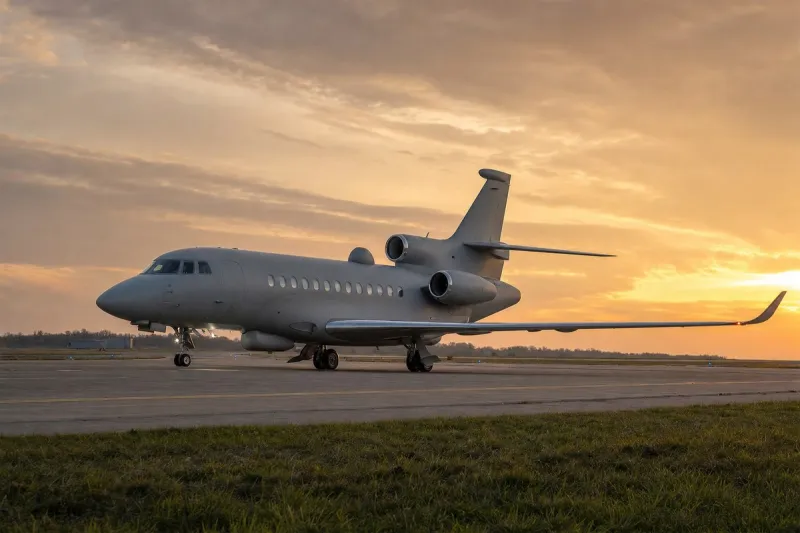
For nearly six months, prison buses have arrived almost daily at the Avflight hangars on West Airport Drive to transfer ICE detainees to Eastern Air Express, Air Wisconsin and Global X jets. The flights were usually headed to Alexandria, Louisiana, the site of a major immigration detention facility and a primary hub for deportations. The flights have routinely drawn protesters.
The flights began at Akron-Canton at the end of April, when Youngstown Warren Regional Airport closed part of its longest runway and tarmac for repairs. They were expected to return to Youngstown Warren when work was completed in August, but that did not happen until a Sept. 29 collision of two Eastern Air Express planes outside the Avflight facility at Akron-Canton. In that incident a wing tip scraped the rear stabilizer of the other aircraft, and both planes were sidelined for inspection and repair. For two weeks the flights moved to Youngstown Warren until both Boeing 737s were repaired and removed.
The airport accumulated more than $46,000 in landing fees through September, but the bills sent to the three charter companies will not be paid. A Federal Aviation Administration memo released in early 2026 said private contractors working for the government are not required to pay landing fees. Airport officials called the loss insignificant. Officials said that as a public agency partly funded by the federal government, the airport cannot obstruct legal business activity that fits its purposes, but said they had no intention of persuading deportation contractors to stay.
Industry impact & what to watch
The Akron-Canton episode shows how thin the chain behind a charter operation can be at a secondary airport. The flights arrived there because another field closed part of its runway, not because of a long-term plan, and they leave because one ground handler withdraws. When an operation rests on a single fixed-base handler, that company's decision can end the activity regardless of what the airport or the flight operators prefer.
The fee outcome points to a wider economic reality for public airports hosting government-contracted flights. If the FAA's position holds that private contractors working for the government owe no landing fees, an airport can carry the traffic, the protests and the ramp congestion while collecting no landing revenue from it. Airports can decline to chase the business, but as a federally supported public agency they have limited room to turn lawful activity away.
The next fixed point is Nov. 30, 2026, the date Avflight's ground-handling service ends. Where the flights go afterward, and whether Youngstown Warren or another field absorbs them, is the question that date leaves open.