Unleaded Avgas Transition Brings Per-Gallon Premium of $0.70–$1.05, Approval Costs and Distribution Uncertainty Ahead of 2030 Target
Why It MattersThe 2030 phase-out puts a recurring fuel premium, per-aircraft approval costs and patchy supply on a fleet that has run on one fuel for decades, hitting high-utilization flying and remote airfields hardest.
What happened
General aviation is working to replace 100LL, the leaded aviation gasoline used by thousands of US piston-engine aircraft, driven by public health concerns and a federal target of eliminating leaded avgas by 2030. The FAA Reauthorization Act of 2024 requires airports that sold 100LL in 2022 to keep selling it until 2030 or until a certified unleaded replacement becomes available, with Alaska receiving an extension to 2032.
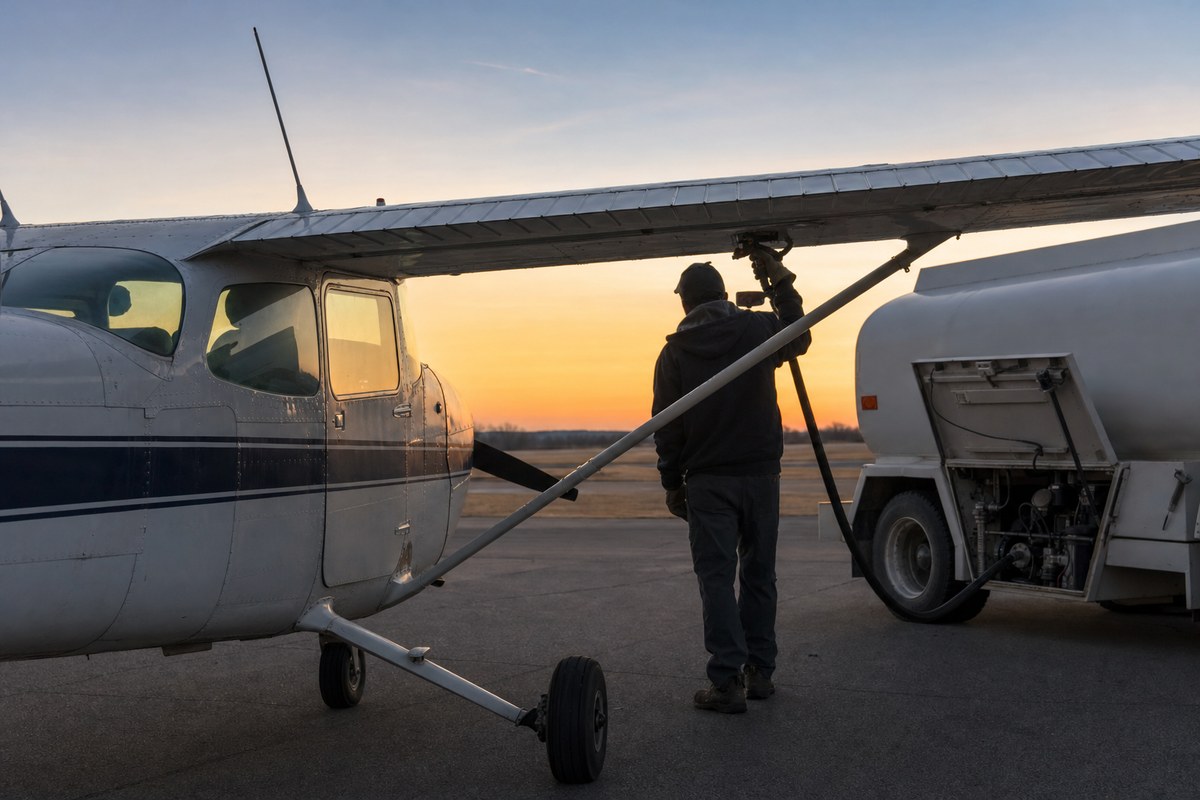
Estimates place General Aviation Modifications, Inc. (GAMI)'s G100UL unleaded fuel about $0.70 to $1.05 per gallon above conventional 100LL. With leaded avgas commonly costing $6.50 to $7.00 per gallon, G100UL could approach $7.50 to $8.00. Local prices vary; some California airports, including Santa Monica Airport (SMO), have charged more than $11 per gallon for 100LL during 2026. A recreational pilot burning 100 gallons a year would pay an extra $70 to $105. A pilot flying 200 hours a year in an aircraft burning 10 gallons per hour would use 2,000 gallons and pay an additional $1,400 to $2,1…
Approval adds further cost. Owners must confirm that a given fuel is approved for their engine and aircraft, which for some alternatives means buying a Supplemental Type Certificate (STC). Current guidance puts some available STC costs at about $120 to $150 per aircraft, so a school with 25 aircraft could spend roughly $3,000 to $3,750. G100UL has an STC covering nearly all piston aircraft and engines, though aircraft-specific limitations and manufacturer guidance still apply.
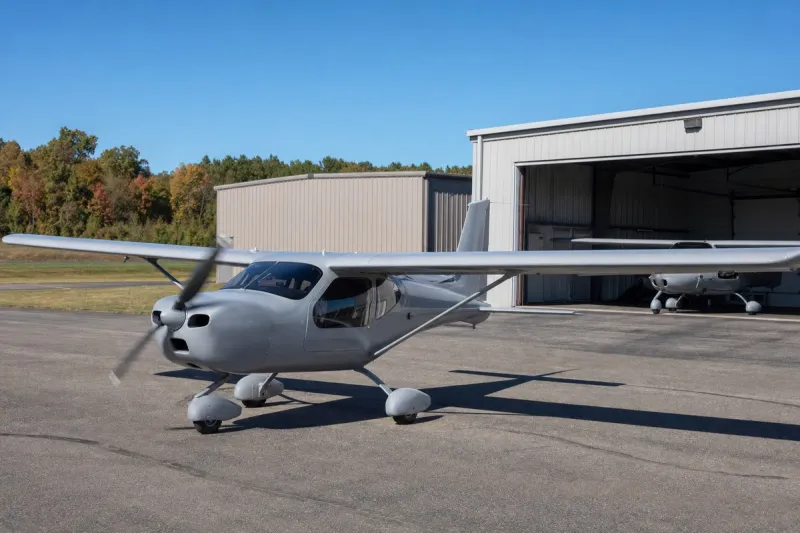
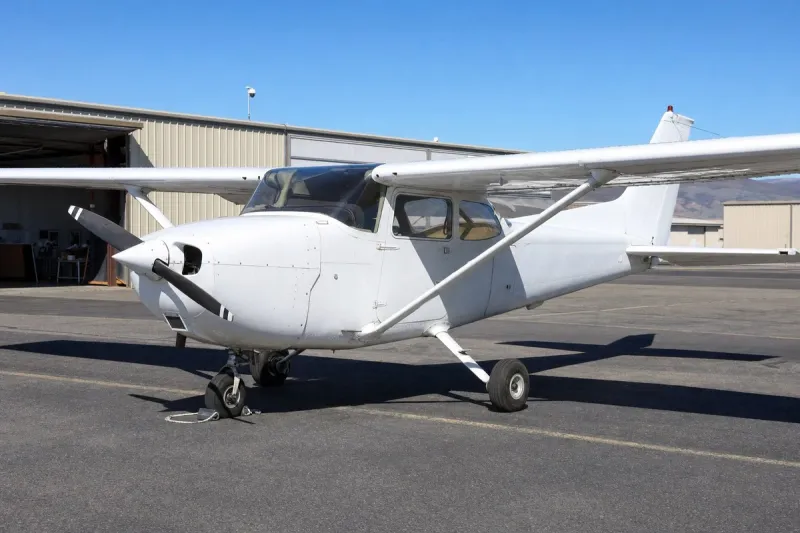
The principal candidates for the high-octane market served by 100LL are G100UL, Swift Fuels' 100R and UL100E; approval of one does not authorize another. UL94, a lower-octane unleaded fuel, is already available for compatible engines such as those in the Cessna 172 and Cessna 152, but cannot replace 100LL across the whole fleet because some high-compression engines require 100-octane fuel. When Santa Clara County, California, switched its airports to UL94 in 2022, the fuel was said to cost $2 to $4 more per gallon than the leaded alternative, and the county set up a subsidy.
An FAA official has estimated that distributing a newly approved fuel nationwide could take as long as 24 months, leaving little margin if certification comes close to the 2030 deadline.
Who pays the most
The per-gallon premium scales with usage, so the burden falls unevenly. A pilot flying a few dozen hours a year absorbs a modest increase, while a high-utilization owner or a flight school operating a training fleet faces a recurring cost that compounds with every hour flown. The per-aircraft STC fee works differently: it is a one-time charge, but it multiplies across a fleet, which is why a 25-aircraft school appears in the estimates.
Fuel economics at the pump are also already unequal. Where 100LL sells above $11 a gallon, as at some California airports in 2026, a further premium lands on a base price that is already well above the $6.50 to $7.00 commonly quoted.
Industry impact & what to watch
The transition is less a single fuel swap than a set of separate decisions stacked on one another: which fuel is certified for which engine, who holds the approval, and whether the airport down the road stocks it. Because approval of one candidate does not authorize another, the market stays fragmented until a clear winner emerges, and a lower-octane option like UL94 serves only part of the fleet. For FBOs and fuel sellers, that raises the prospect of carrying multiple grades or committing to one before demand is settled.
The statutory structure shapes the risk. Airports that sold 100LL in 2022 must keep selling it until 2030 or until a certified unleaded replacement is available, which protects supply of the legacy fuel but leaves the timing of any hand-off open. With an FAA official putting nationwide distribution of a newly approved fuel at up to 24 months, a certification that arrives late in the decade could run into the 2030 target before supply reaches rural and remote fields. Santa Clara County's UL94 switch, backed by a subsidy, shows one way local authorities have absorbed the price gap.
The milestone that would settle most of this is certification of a fuel for the full high-octane fleet, followed by the pace at which airports add it. Resale effects are the softest part of the picture: fuel compatibility may enter buyer conversations, but condition, engine hours, maintenance records and demand continue to set prices, and money spent on approvals does not translate dollar-for-dollar into market value.