Glass Cockpit Retrofits Offer Owners of Older Cessna 172s and Piper Cherokees a Alternative to Buying Newer Aircraft
Why It MattersPanel retrofits turn avionics into a per-aircraft upgrade market where installer capacity, certification paperwork and airframe condition decide whether owners modernize in place or replace the aircraft.
What happened
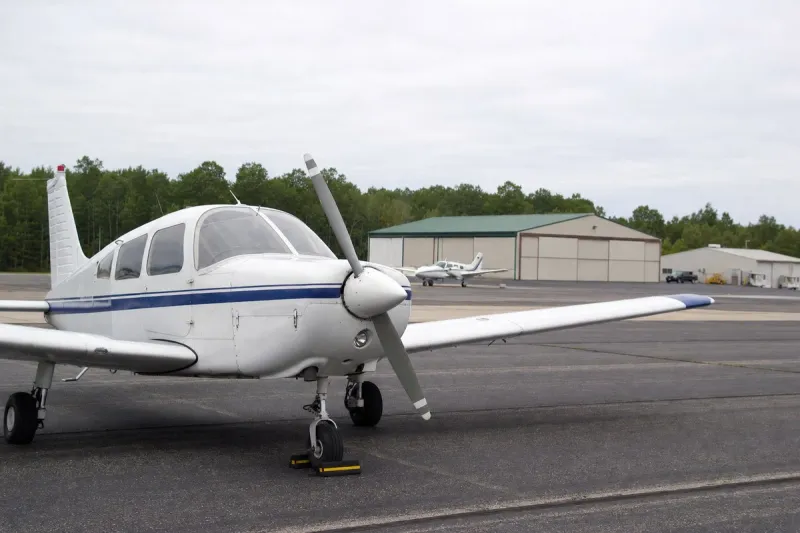
Owners of aging Cessna 172s and Piper Cherokees can modernize their cockpits with glass cockpit technology instead of buying a newer aircraft. These aircraft typically carry the standard "six-pack" of analog instruments: airspeed indicator, attitude indicator, altimeter, turn coordinator, heading indicator and vertical speed indicator. A glass cockpit replaces many of these with electronic displays consolidating attitude, altitude, airspeed, vertical speed, heading and navigation data, and many systems also integrate engine monitoring, ADS-B traffic alerts, terrain awareness and weather.
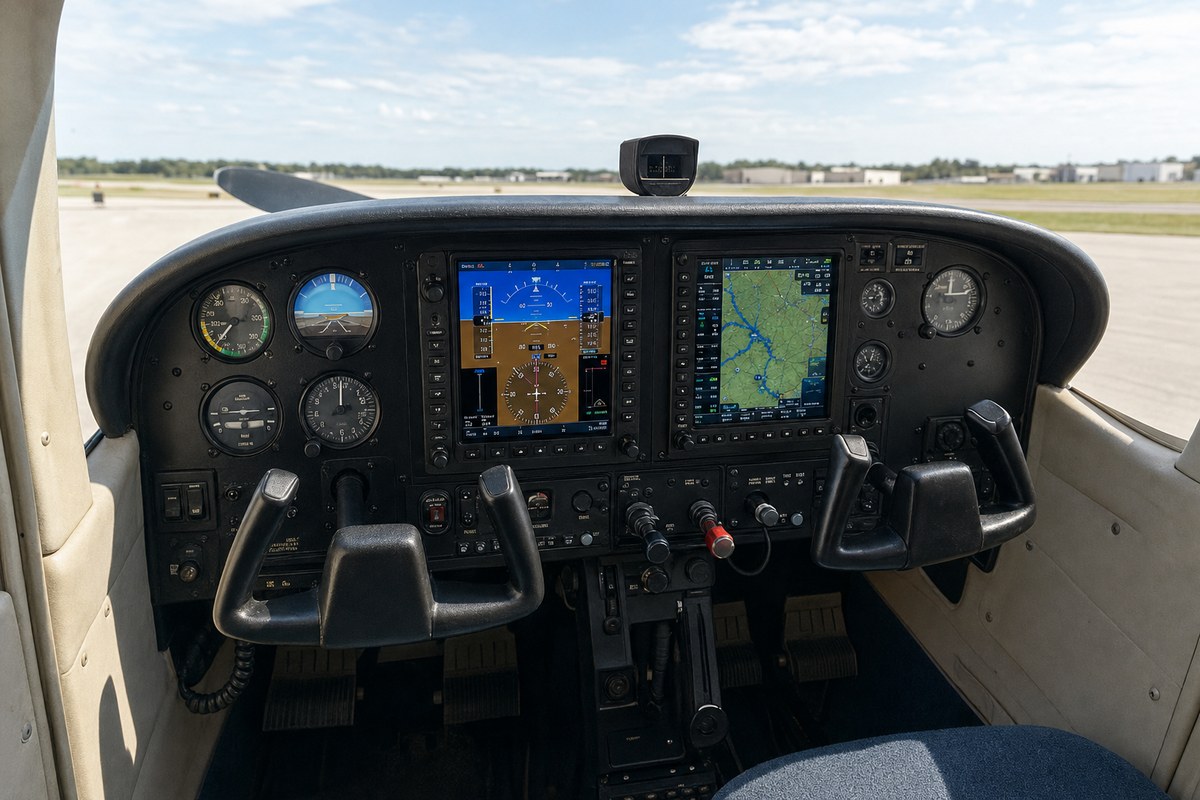
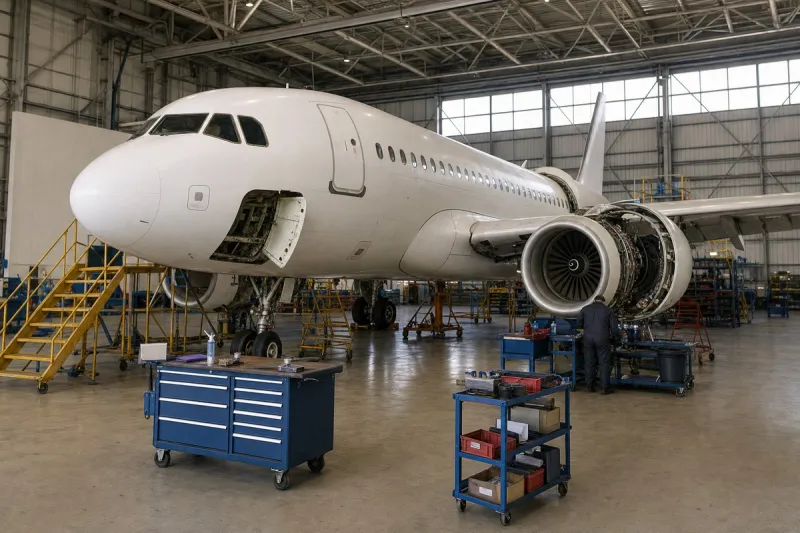
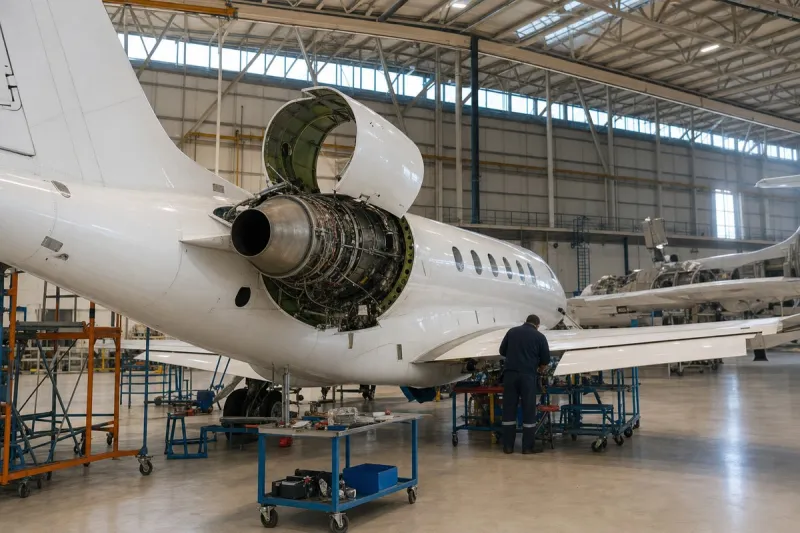
The retrofit must be performed by an appropriately certificated repair station or qualified aviation maintenance provider and must comply with applicable FAA airworthiness requirements and, where relevant, an FAA-approved Supplemental Type Certificate (STC). The process generally begins with an assessment of the existing panel layout, wiring and panel structure. It continues with equipment selection, installation of displays, wiring harnesses and GPS antennas, integration with existing autopilot hardware where applicable, and required inspections and functional tests before return to service.
HangarMath lists a hypothetical economical package: a Garmin G5 ($2,200–$3,500, about eight labor hours), an Insight G4 engine monitor ($2,500–$4,000, about 12 hours), a Garmin GNX 375 GPS navigator ($6,000–$8,500, about 16 hours), a Garmin GMA 245 audio panel ($1,600–$2,500, about six hours), a Garmin GTR 205 communications radio ($2,000–$3,000, about 10 hours) and a TruTrak Vizion digital autopilot ($6,000–$9,000, about 30 hours). Together, including typical installation costs, these are estimated at $20,300–$30,500, with about 82 labor hours in total.
A more comprehensive package described would cost $15,854 before taxes. It includes dual 10.6-inch touchscreen displays, an engine-monitoring system, a Garmin GNC 215 navigation and communications radio, a GNX 375 GPS navigator and transponder, an audio panel, a remote communications radio and a G5 backup flight instrument.
Industry impact & what to watch
Retrofitting sits in a different economic category from replacing an airframe: the owner keeps the aircraft and spends on a panel, so the decision turns on the condition of what is being kept. Spending tens of thousands of dollars is hard to justify if the airframe or engine needs a major overhaul, which means avionics demand in this segment is tied to the state of the existing piston fleet as much as to the price of the equipment.
The labor figures, such as the roughly 82 hours in the economical package, show that installation capacity at certificated repair stations is as much a constraint as the hardware. Because the work needs a certificated shop and compliance with FAA airworthiness requirements or an STC, shops that can handle certification and wiring work shape how quickly owners can act.
Glass cockpits do not automatically make an aircraft safer. Pilots must learn the equipment and the procedures for system failures, and backup instruments and electrical redundancy remain important design considerations. For many owners a modest upgrade focused on GPS navigation, traffic awareness or selected electronic flight instruments may offer the better balance of cost and capability than a full panel replacement.