Early Boeing 787s Were Up To 22,000 Lbs Over Target Weight Due To Composite Structure and Electric Systems
Why It MattersThe episode shows how a first-of-kind all-composite widebody can carry heavy structural and systems penalties until certification data accumulates, with early-build aircraft absorbing the commercial cost of those unknowns.
What happened
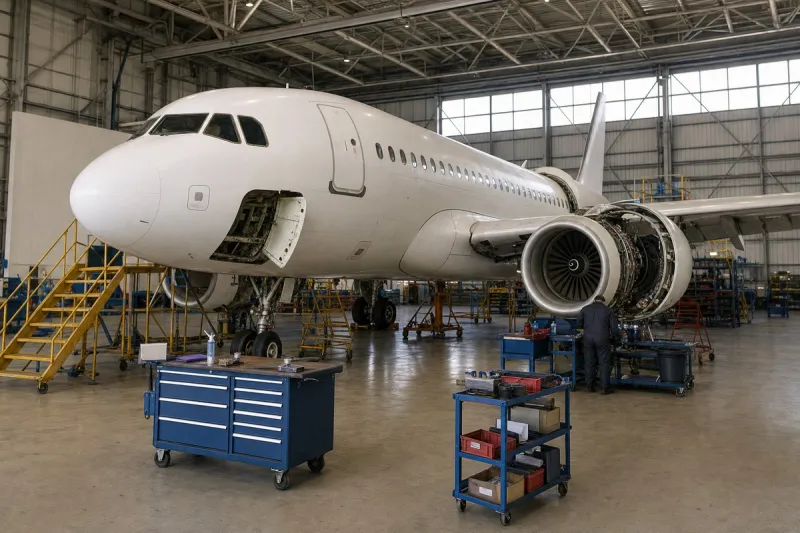
The Boeing 787 Dreamliner is now the best-selling widebody jet of all time, with 2,489 orders and 1,311 deliveries and a remaining backlog of 1,178 aircraft. The earliest aircraft were significantly heavier than those built today: the prototype emerged nearly 22,000 pounds (9,979 kg) over its design target weight. The first Dreamliners were so heavy that airlines refused many of them, and they became known as the 'terrible teens'. One of them logged only 13 hours of flight before being scrapped for parts. Boeing resolved the underlying weight issues starting with the 20th aircraft.
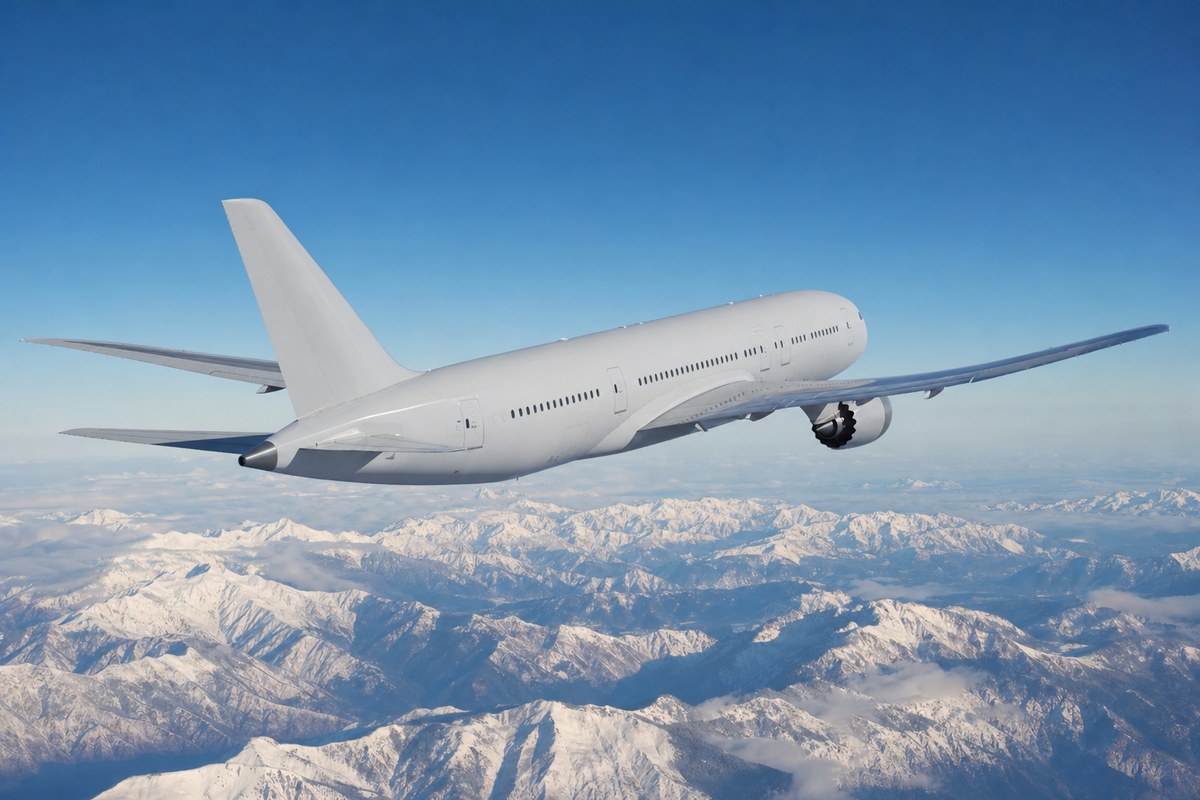
Boeing confirmed its early airplanes were heavy and said it was working on weight improvements while promising customers their contracted payload. Bernstein Research estimated early jets could arrive up to 8% overweight, costing 10% to 15% of range.
The main cause was the move to a carbon-fiber composite airframe. Boeing began building aircraft before engineers had finished the design, in an effort to beat a next-generation Airbus competitor to market. The largest weight additions came during ground testing. In May 2009, a limit-load wing-bend test revealed greater-than-expected stress in the side-of-body structure where the wing attaches to the fuselage. Carbon-fiber plies at the ends of 17 stringers cracked and delaminated, a failure mode engineers described as 'flowering'.
The weight also stemmed from the absence of historical data on all-composite widebodies. The FAA required Boeing to prove an ultimate load safety margin of 150%, so the initial design used excessively thick composite plies across the fuselage. Only after years of flight-test data could Boeing thin the plies and eliminate the titanium brackets on later aircraft. Early estimates had also failed to account for small secondary components such as wiring harnesses, brackets and hydraulic hose clamps.
Electric architecture and unsold early builds
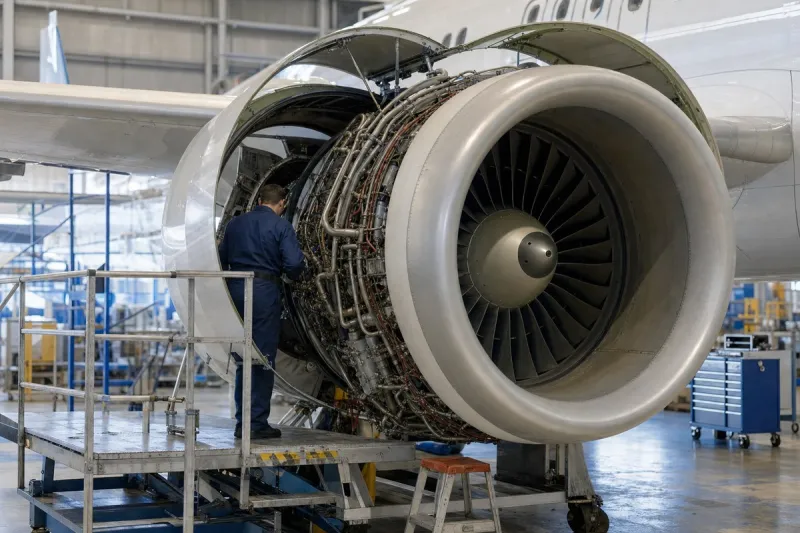
The 787's More Electric Aircraft architecture, which eliminated pneumatic bleed-air systems and downsized hydraulics, also initially added weight. It required four 250 kVA variable frequency starter generators, heavy-gauge wiring and power distribution equipment for nearly 1.5 megawatts of electricity, a dedicated Power Electronics Cooling System with liquid-cooling loops, and four electrically driven cabin air compressors that were over-engineered in early production. Over the last decade, suppliers and Boeing have refined these systems.
Boeing struggled to find buyers for 11 of its earliest Dreamliners, valued at $1.1 billion, after two airlines dropped their orders. The aircraft sat unfinished at Paine Field in Everett, Washington, and were originally meant for Lion Air, RwandAir and Transaero. Boeing found takers for 10, with Ethiopian Airlines in advanced talks for eight and Air Austral ordering two; both accepted shorter range for a lower price. N947BA, the 17th 787 built, was declined by Royal Air Maroc because of manufacturing issues.
Entry into service and the Airbus response
The 787 entered commercial service in October 2011 with All Nippon Airways after years of delays. Its market success forced Airbus to scrap a planned A330 derivative and launch the clean-sheet A350 XWB, which has 1,624 firm orders, 737 deliveries and a backlog of 887 aircraft.
The rivalry fed a 17-year World Trade Organization dispute over subsidies, which concluded with a finding that both companies received illegal subsidies. The 787 line also provided vital cash flow while Boeing faced the 737 MAX groundings, KC-46 tanker losses and 777X certification delays.
Industry impact & what to watch
The 787 weight story illustrates a recurring cost of introducing a new structural material at widebody scale: with no in-service history for all-composite airliners, certification margins were set conservatively, and that conservatism showed up as thick plies, titanium brackets and extra mass until flight-test data justified thinner designs. The penalty fell on the earliest airframes, which is why range shortfalls and discounted sales clustered in the first builds rather than across the fleet.
The same pattern shows how launch-batch aircraft behave in the secondary market. Early builds that miss performance targets tend to be sold at lower prices to customers willing to accept reduced range, as the Ethiopian Airlines and Air Austral placements illustrate, while the mature production standard carries the program's economics. The 150% ultimate-load requirement and the way it was met also set a reference for how data from one all-composite program informs the thinner, lighter structure of later aircraft.
The commercial result is unusually lopsided: a troubled start produced the best-selling widebody of all time and pushed Airbus into a clean-sheet A350 response. The remaining 1,178-aircraft backlog is the measure of how much of the fleet will be built to the refined standard rather than the early one.