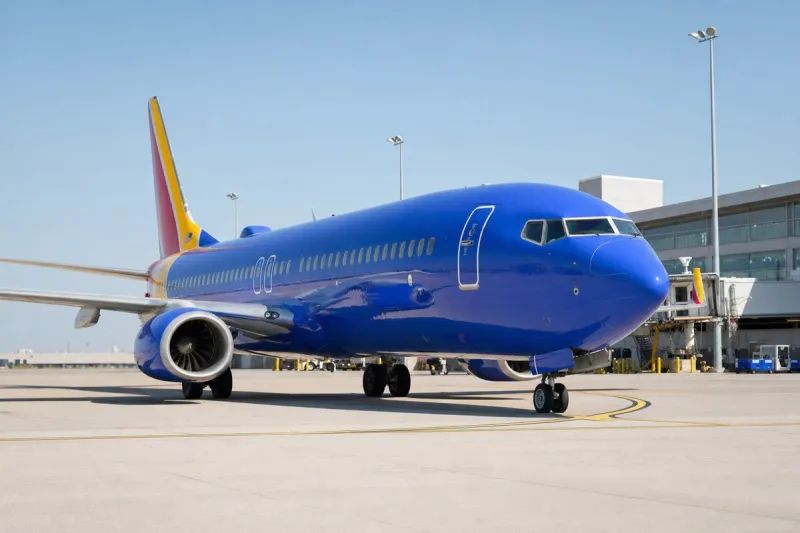
Alaska Air Group to Cut Up to 200 Non-Union Management Roles, Citing High Fuel Costs
Why It MattersThe case shows how a fuel-price shock lands first on corporate overhead at a newly merged carrier, where duplicated administrative layers are the cheapest costs to remove while frontline operations stay protected.
What happened
Alaska Airlines is proposing to eliminate up to 200 non-contract management and back-office positions, less than 1% of its total workforce. The cuts do not affect frontline staff: pilots, flight attendants, mechanics and airport workers are excluded.
Chief Executive Officer Ben Minicucci confirmed the plan in a company-wide memo on Friday, October 30. He said corporate overhead costs have continued at a rate disproportionate to flight capacity, and described the reductions as part of a plan to return the group to its historical "financial discipline." The company attributes the move to higher-than-expected overhead and soaring fuel prices linked to the 2026 Iran Crisis, and has stated explicitly that the cuts are not tied to its 2024 merger with Hawaiian Airlines.
In Hawaii, 46 based positions are slated for restructuring as part of the nationwide total, and only eight of the affected employees are being offered alternative roles within the airline. Two senior Hawaii-based leaders, Jim Landers, Head of Hawai'i Operations, and Shelly Parker, Head of Hawai'i Guest Operations, will retire in December, and their roles will be dissolved.
Alaska's 2026 corporate strategy had estimated fuel at around $2.50 per gallon. For the fourth quarter, fuel is priced at $4.65 to $4.85 per gallon, roughly double that baseline, producing an unexpected increase in fuel costs of more than $1.8 billion. This is the sixth round of management layoffs since the 2024 merger, and 479 WARN notices have been issued to non-union staff to eliminate overlapping or duplicate administrative roles.
Long-haul network built on Hawaiian's widebodies
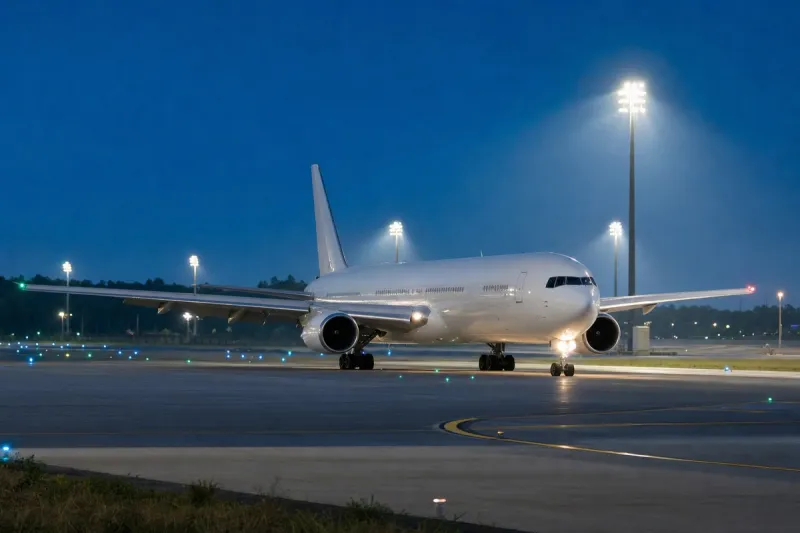
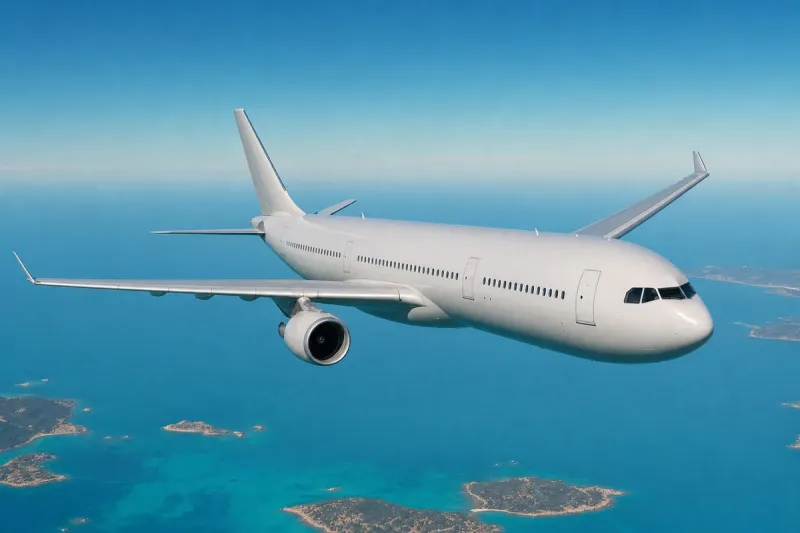
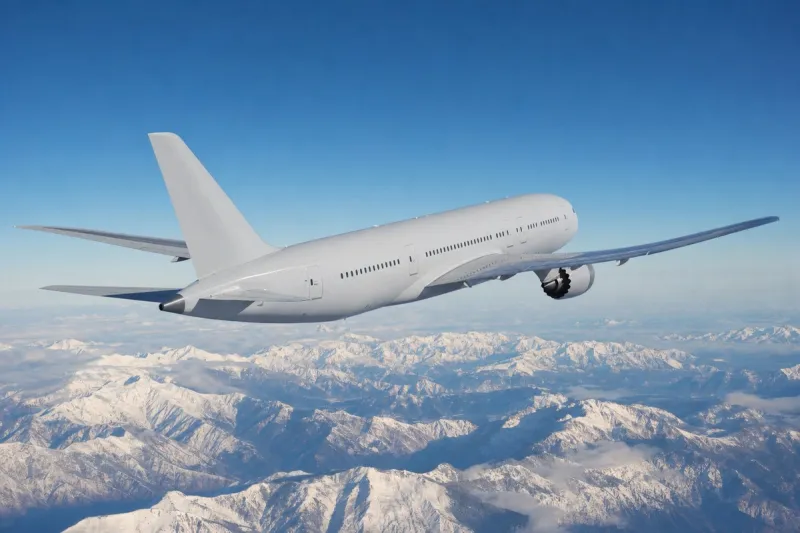
Since the merger, Alaska has expanded its long-haul international network using widebody aircraft originally ordered by Hawaiian. Its first long-haul flight used a Hawaiian Airbus A330 from Seattle (SEA) to Tokyo Narita (NRT) in May 2025. Its first long-haul flight with an Alaska Boeing 787-9 followed in April 2026, from Seattle to Rome (FCO).
Hawaiian Airlines historically carried heavier corporate and management overhead than other US carriers. The airline had planned to consolidate administrative functions into Alaska's systems, and many of those consolidations are now complete.
Industry impact & what to watch
Fuel is the largest cost line an airline cannot negotiate away in the short term, and a planning assumption of $2.50 per gallon against a Q4 price of $4.65 to $4.85 leaves little room to absorb the gap through capacity or fares alone. When that happens, carriers tend to start with costs that do not touch the flying product, and non-contract management and back-office roles are the most flexible of those.
The pattern also illustrates the second phase of an airline merger. The first wave removes duplicated leadership and systems; once administrative functions have been consolidated, as Alaska says many now have, the remaining overhead is judged against flight capacity rather than against the pre-merger structure. Hawaii-based roles carry the visible local cost here, with 46 positions affected and only eight offered alternatives.
The next concrete signals are how the 479 WARN notices translate into actual separations, and whether the Q4 fuel range of $4.65 to $4.85 per gallon holds, since the $1.8 billion cost increase is tied to it.