Mumbai Airport to Close Both Runways for Six Hours on November 19 for Annual Post-Monsoon Maintenance
Why It MattersA full-airfield shutdown at a hub that runs a cross-runway layout pushes all schedule adjustment onto airlines and other users, so advance coordination and NOTAM timing carry the real operational weight.
What happened
Mumbai International Airport Limited (MIAL) said Chhatrapati Shivaji Maharaj International Airport (CSMIA) will suspend operations on both of its runways, 09/27 and 14/32, for six hours on November 19. The closure runs from 11 am to 5 pm IST and is part of the airport's scheduled annual post-monsoon maintenance programme.
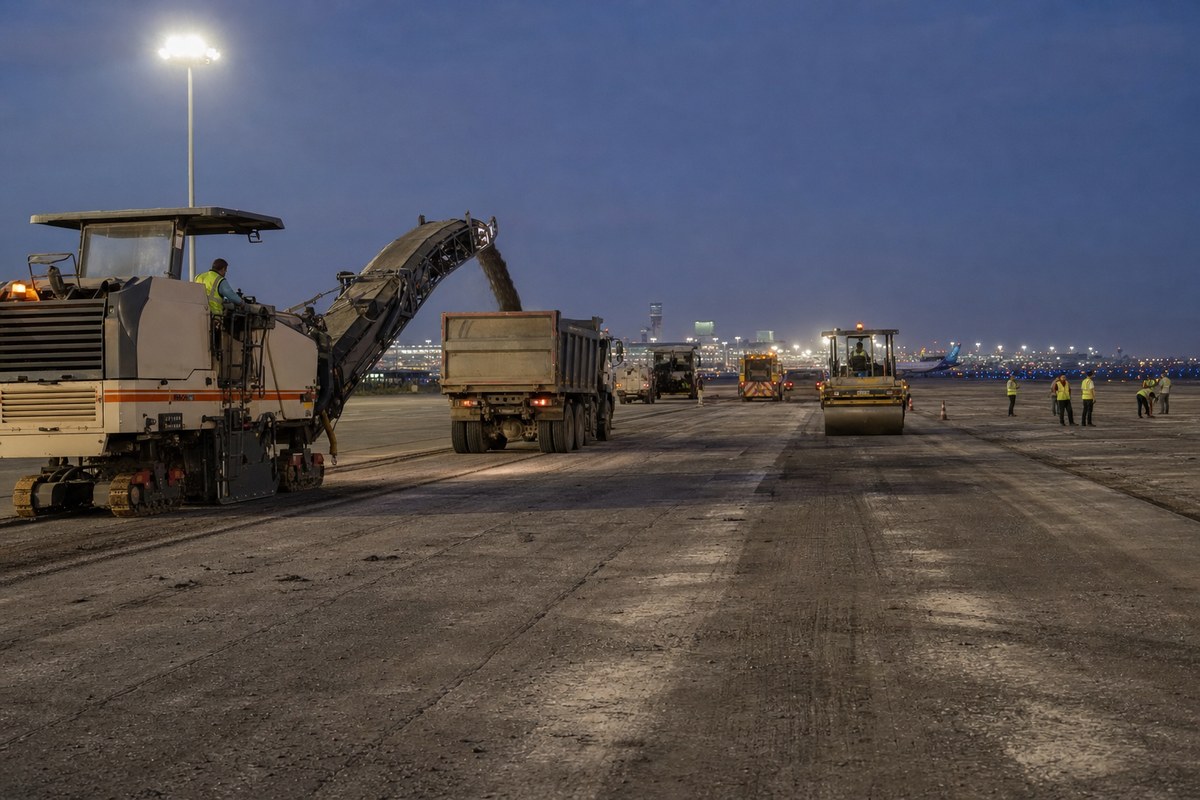
MIAL said the work is intended to support runway safety, reliability and compliance with global aviation standards. It covers detailed inspections, surface repairs and technical assessments of runway lighting, markings and drainage systems. The operator described the work as part of its year-round operational readiness programme, with the post-monsoon period used for checks and repairs after seasonal weather conditions.
A Notice to Airmen (NOTAM) has been issued in advance to inform airlines and other aviation stakeholders, allowing carriers to adjust flight schedules and manpower planning around the six-hour window when both runways will be non-operational. According to MIAL, coordination with airlines and relevant stakeholders began six months before the scheduled maintenance, with the aim of synchronising operational requirements and minimising inconvenience for passengers.
The two runways form part of CSMIA's cross-runway configuration. MIAL describes the airport as the world's busiest single-runway airport, handling nearly 1,000 air traffic movements daily. Its infrastructure is spread across 1,900 acres and the airport has a history spanning more than 90 years. The air cargo terminal handles more than 0.85 million metric tonnes of cargo annually, and the airport handled 55.29 million passengers in the 2025-26 financial year.
MIAL is a joint venture between Adani Airport Holdings Limited and the Airports Authority of India. Adani Airport Holdings holds a 74 per cent stake and is a subsidiary of Adani Enterprises Limited. MIAL is responsible for operating and modernising CSMIA.
Industry impact & what to watch
Closing both runways at once, rather than working one at a time, removes all runway capacity at the airport for the length of the window. At an airport that MIAL says handles nearly 1,000 movements daily, a six-hour gap in the middle of the day concentrates the scheduling burden on the airlines and other operators that use the field. This is why the notice period matters as much as the work itself: the NOTAM and the six months of stakeholder coordination MIAL describes are what turn a full closure into a planned schedule change.
For business aviation and other non-scheduled traffic, a full-airfield closure works differently from a single-runway closure. There is no alternative runway to sequence around, so the practical questions are arrival and departure timing either side of the window, parking position, and whether a diversion to another airfield is needed. Post-monsoon inspection and repair windows of this kind are a routine feature of airfield management in regions with a pronounced wet season, because surface condition, lighting and drainage are the systems most exposed to heavy rain.
The next point that will settle the operational picture is how individual airlines translate the NOTAM into published schedule changes. Those airline-side adjustments, not the maintenance programme itself, determine how many passengers and flights are actually affected on November 19.