Textron Raises 2026 Outlook as Q3 Revenue Rises 4% to $3.8 Billion on Aviation Jet Deliveries
Why It MattersStrong order intake and growing aftermarket revenue at a business-jet maker suggest demand and service income are carrying results even as defense-linked helicopter programs weigh on its other segments.
What happened
Textron reported third-quarter 2026 revenue of $3.8 billion, up 4% from a year earlier. Manufacturing cash flow before pension contributions rose to $418 million from $281 million in the prior-year quarter. Chief Executive Officer Lisa Atherton said higher jet deliveries at Textron Aviation and program execution at Textron Systems supported double-digit revenue growth in those businesses, and the company raised its full-year outlook for adjusted earnings and manufacturing cash flow.
Chief Financial Officer David Rosenberg said full-year adjusted earnings per share are now expected at $6.55 to $6.65, versus a prior range of $6.40 to $6.60. The forecast for manufacturing cash flow before pension contributions moved to $800 million to $900 million from $700 million to $800 million. The largest driver was roughly $100 million of lower expected capital expenditures in 2026, with strong Textron Aviation orders and customer deposits also contributing. Textron repurchased about 2.9 million shares in the quarter, returning $239 million to shareholders.
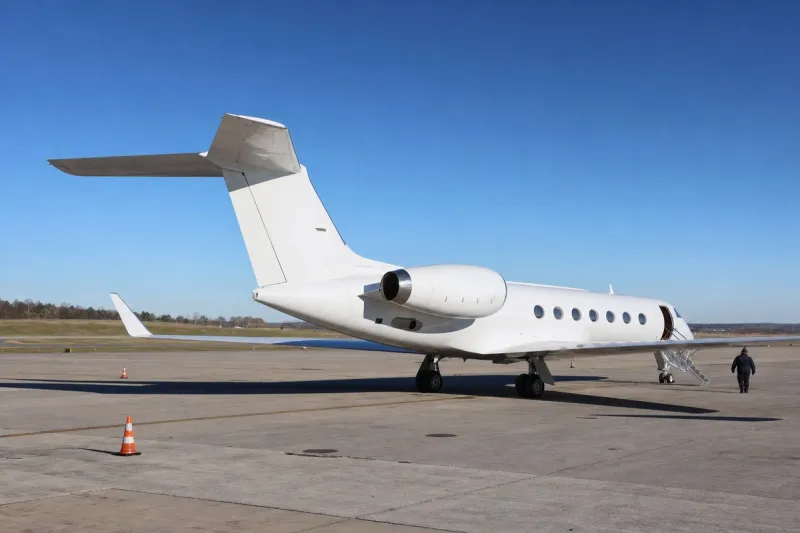
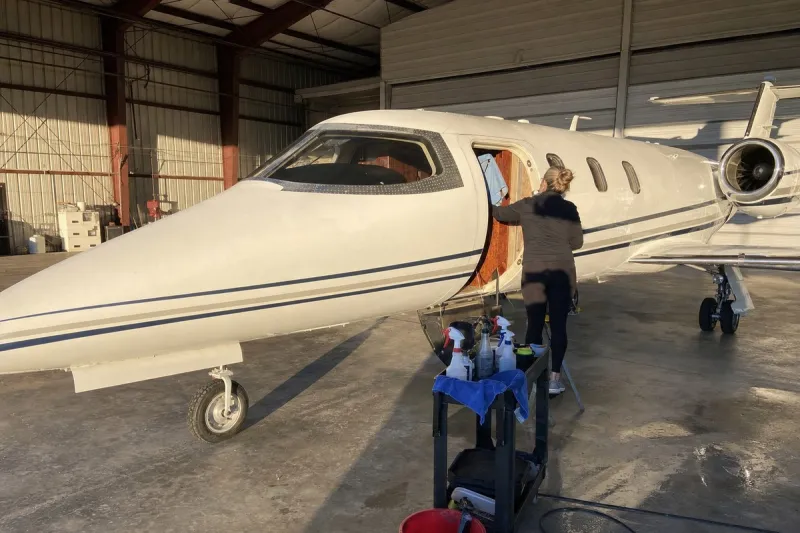
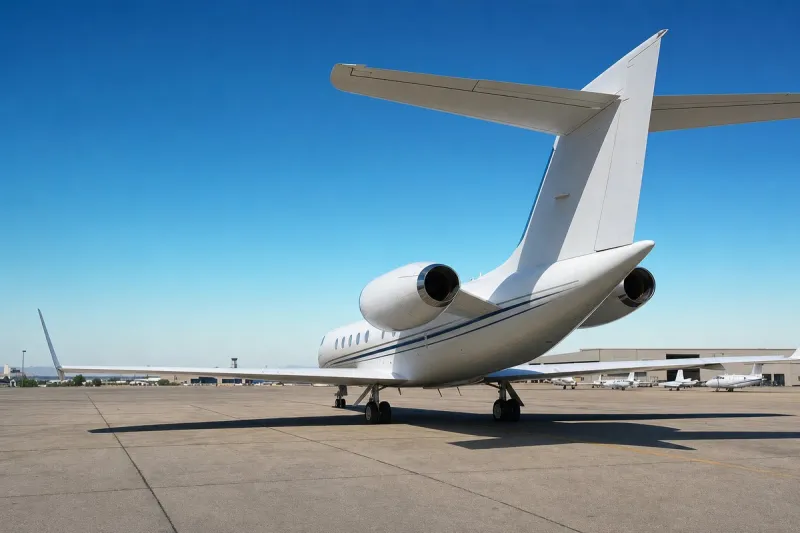
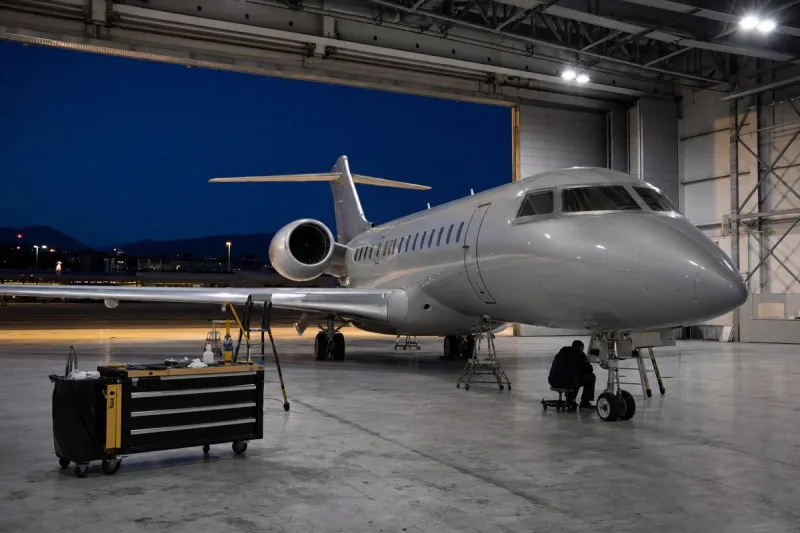
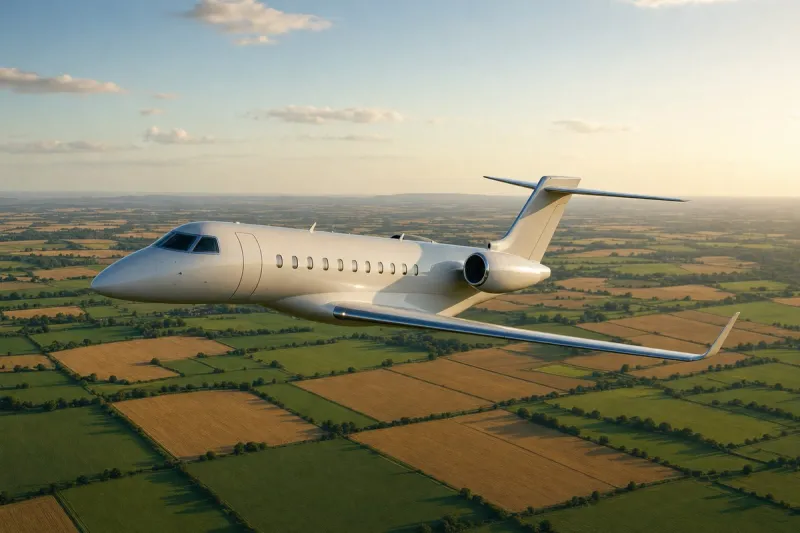
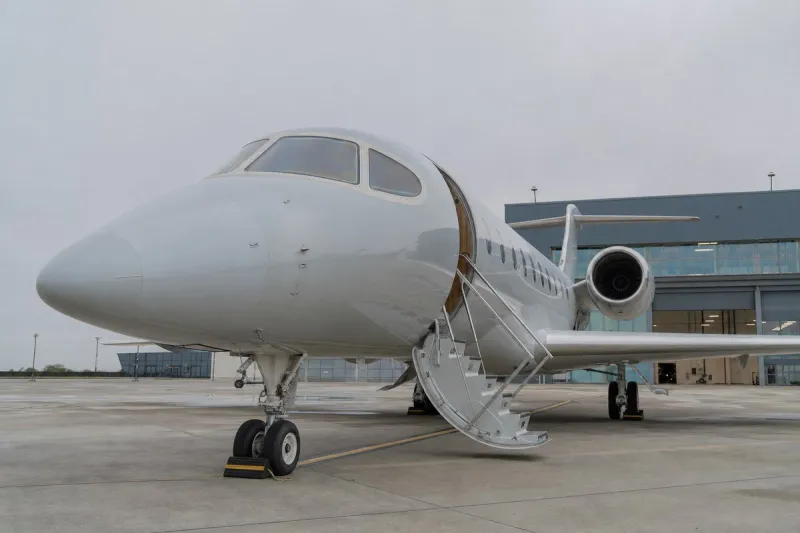
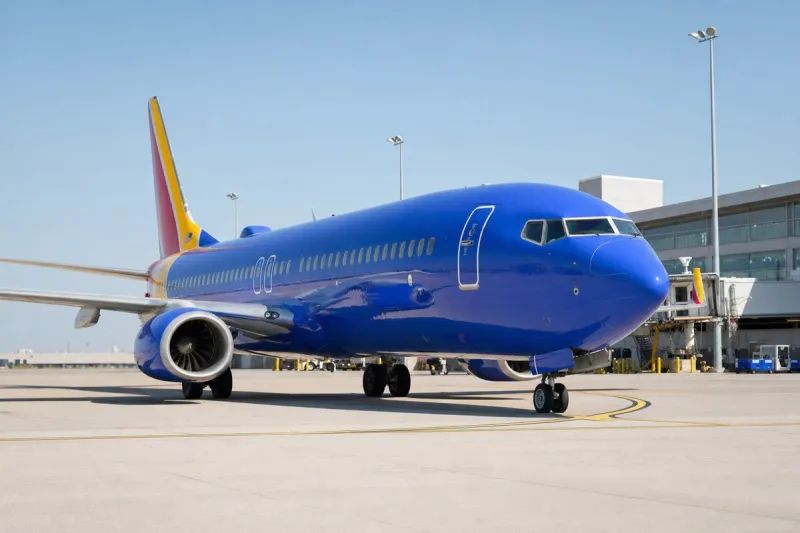
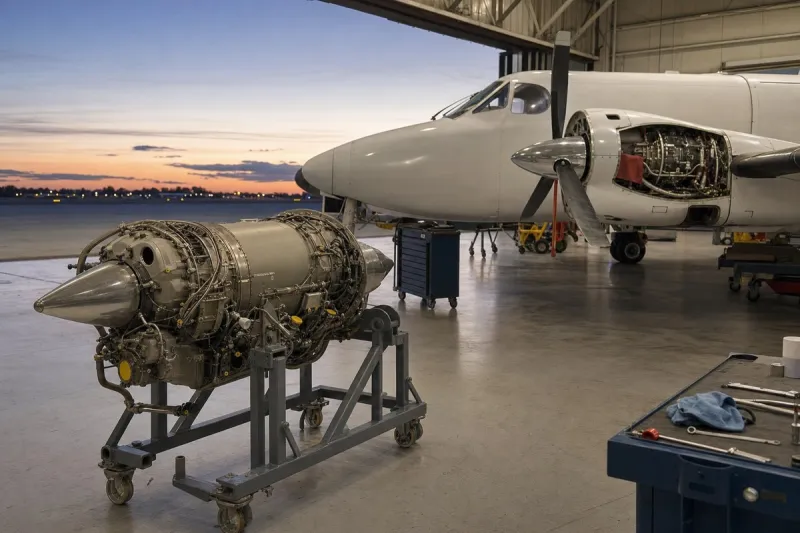
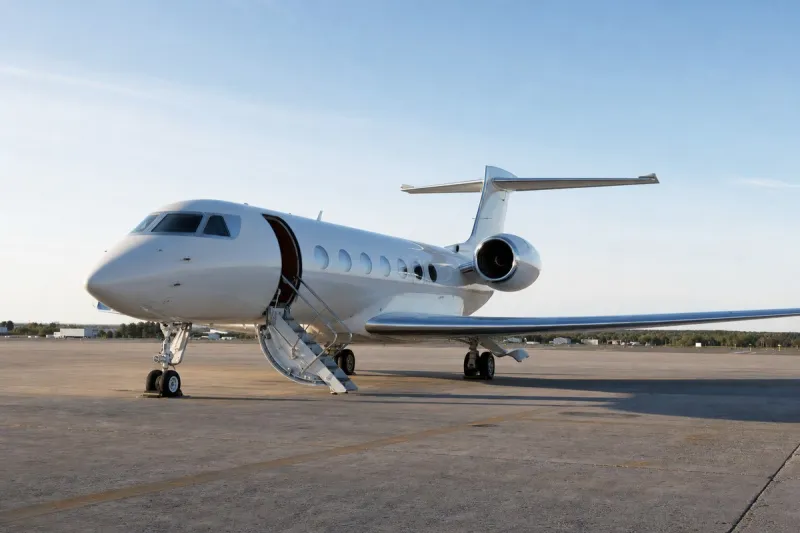
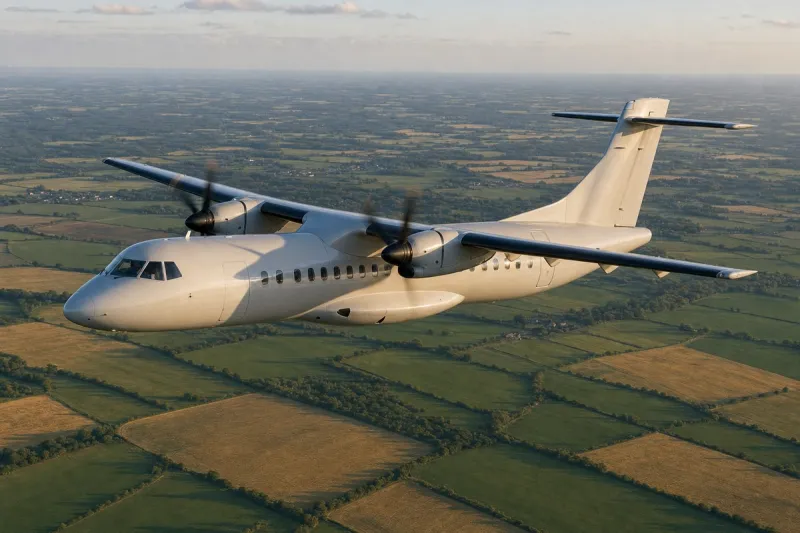
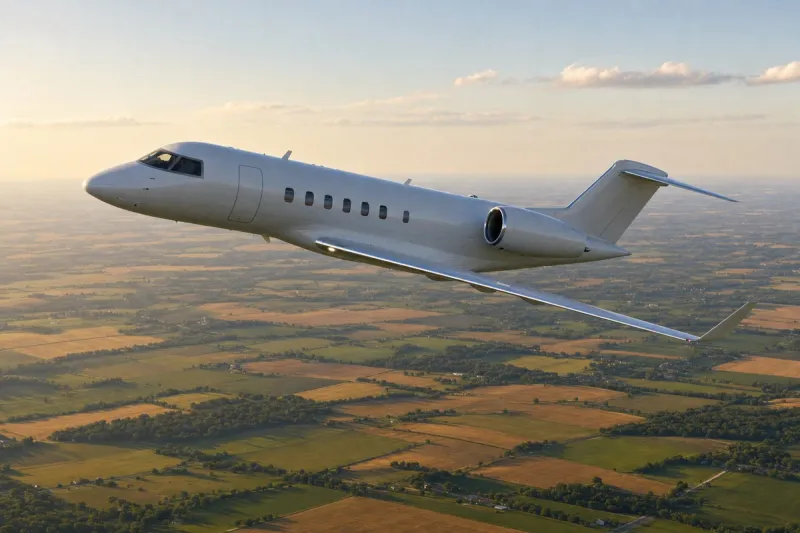
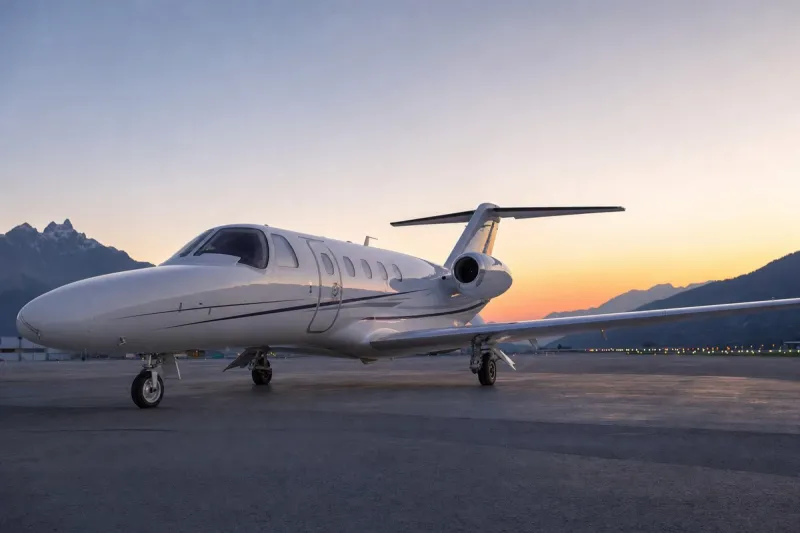
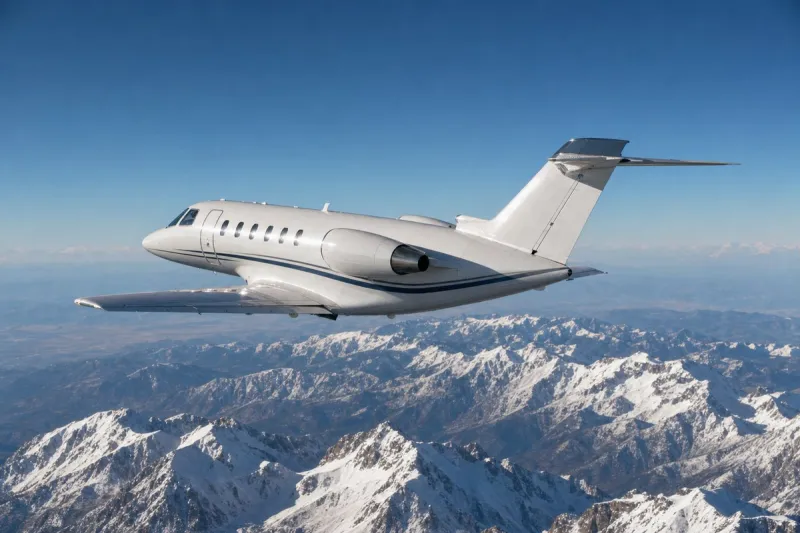
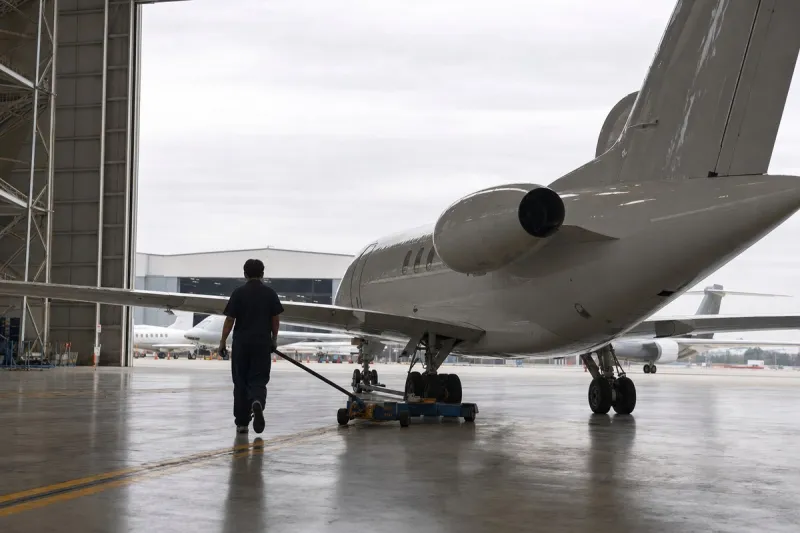
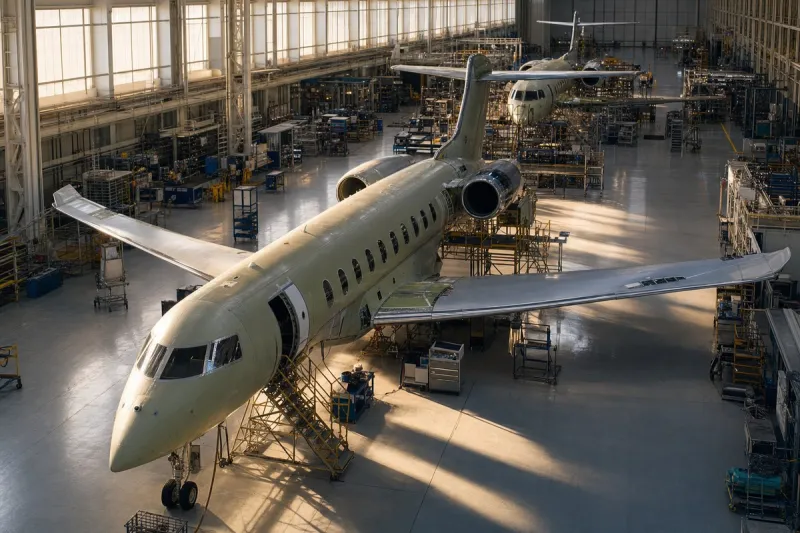
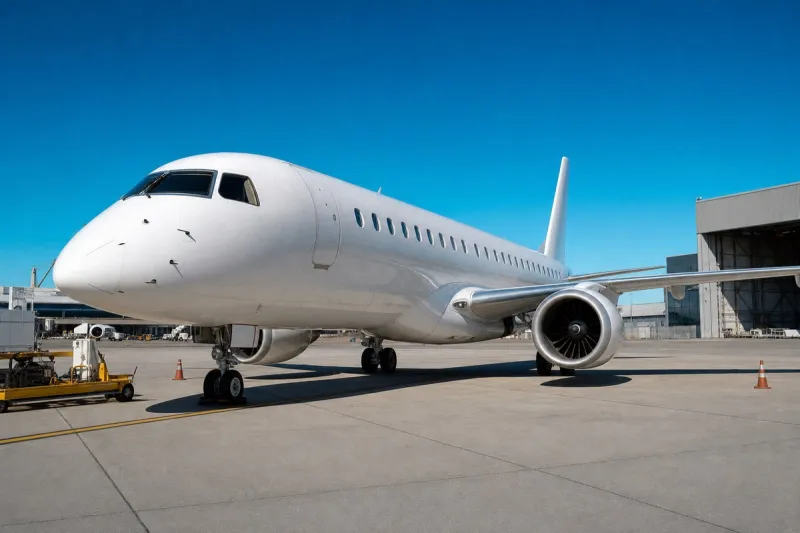
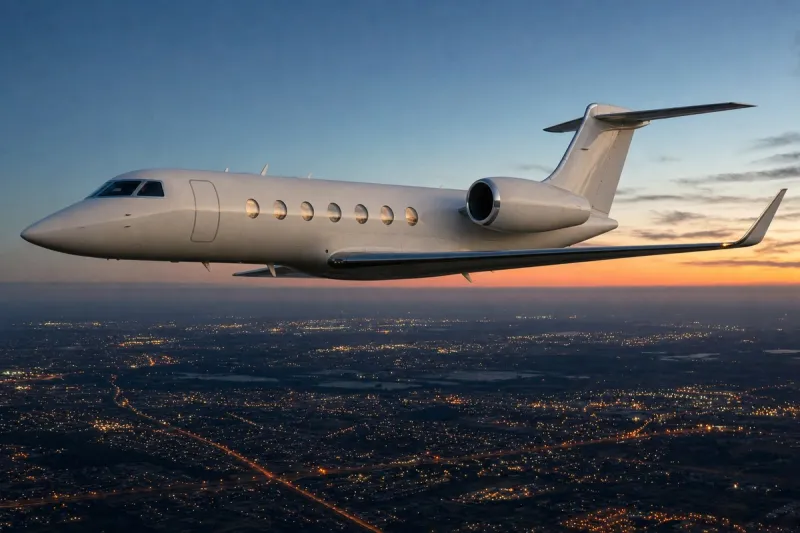
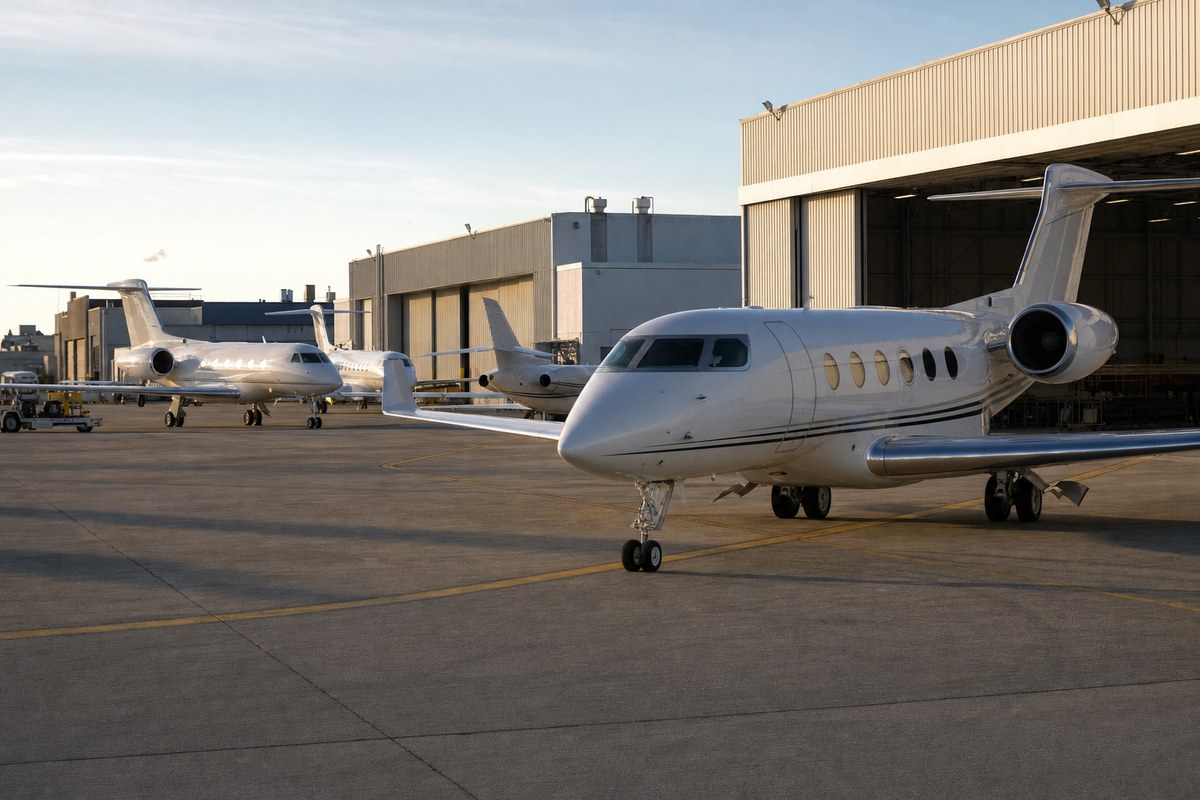
Textron Aviation revenue was $1.7 billion, up 14%. Aircraft revenue rose $152 million and aftermarket parts and services revenue rose $49 million, with aftermarket revenue up 10%. Segment profit rose $7 million to $179 million, with higher volume and mix partly offset by manufacturing inefficiencies. The company delivered 51 jets and 32 commercial turboprops, compared with 42 jets and 39 turboprops a year earlier. Atherton said Aviation recorded its highest third-quarter order activity since 2023 and has seen no change in customer buying behavior tied to interest rates or geopolitical conditions.
Bell, Systems and Industrial
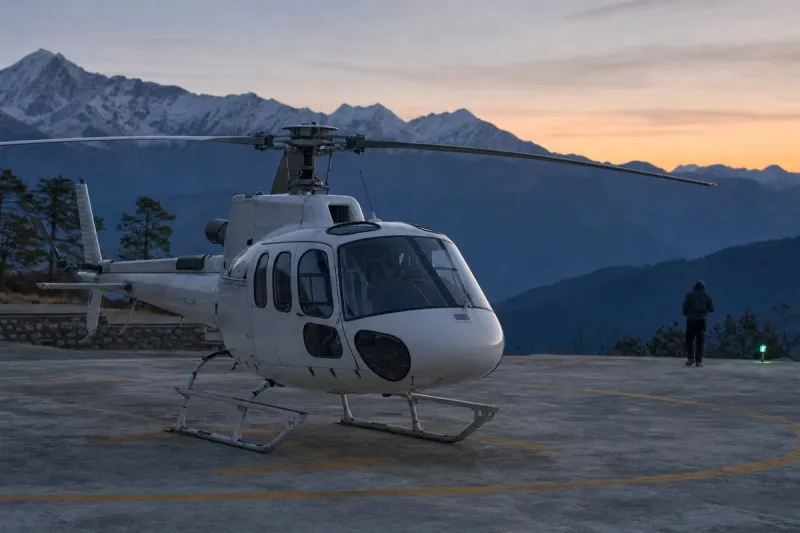
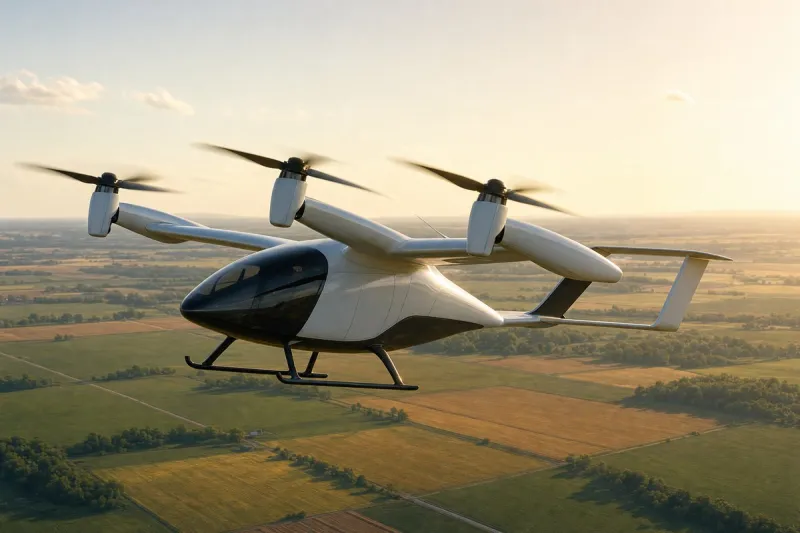
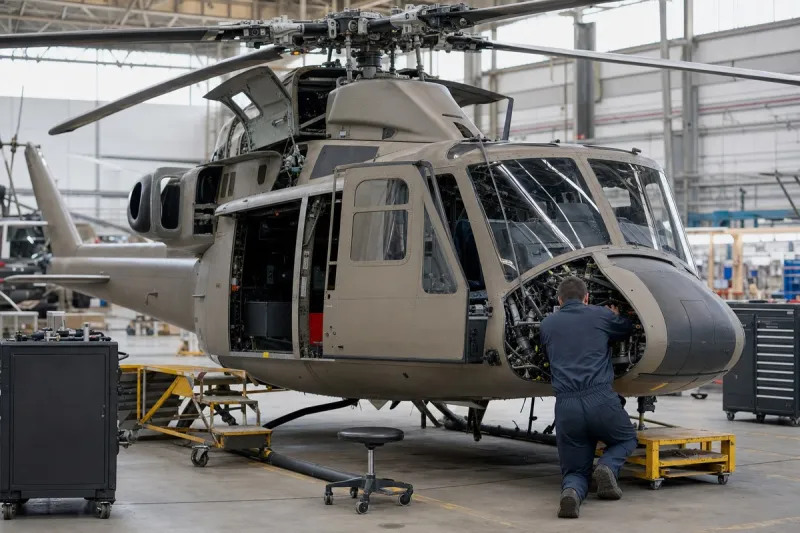
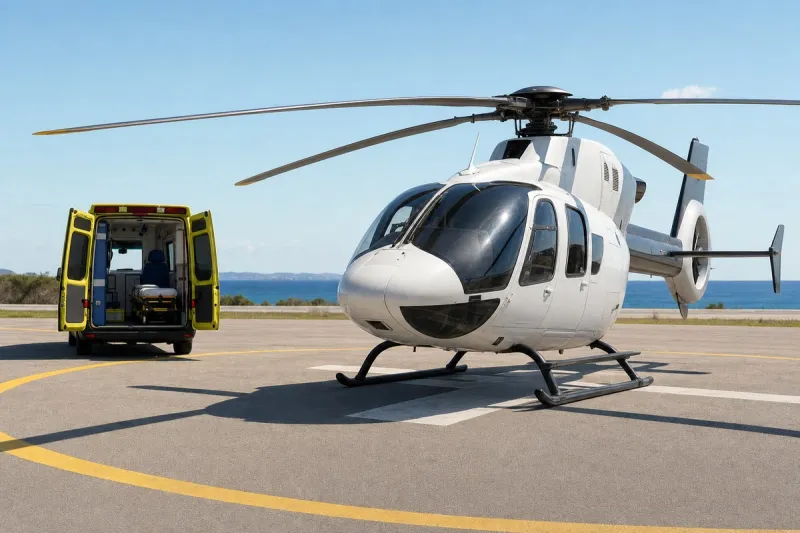
Bell revenue fell 9% to $933 million and segment profit fell $16 million to $76 million, reflecting lower MV-75 military volume and lower commercial helicopter, parts and services volume and mix. Congress approved a $350 million Army Transfer Request for fiscal 2026 MV-75 Cheyenne funding, and about $300 million was obligated through contract modifications in the third quarter.
Rosenberg said the expected negative charge tied to the low-rate initial production award could rise to $110 million to $150 million if the award slips into next year, from a previously discussed $60 million to $110 million.
Textron Systems revenue rose 16% to $360 million and segment profit rose $10 million to $57 million, led by armored land vehicles and ATAC military training and support services. It received a $230 million contract modification for two additional Ship-to-Shore Connector craft; the program has reached a rate of four craft a year, with 18 of 73 units delivered.
The Industrial segment, which Textron is pursuing for separation or spin-off, posted revenue of $765 million, up 1%, with profit up $7 million to $38 million. Atherton said the separation remains on the 12- to 18-month timeline communicated earlier.
Industry impact & what to watch
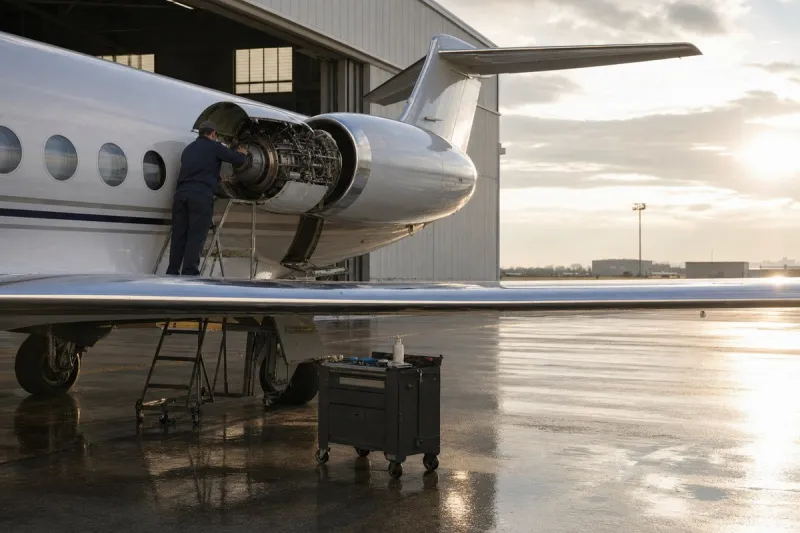
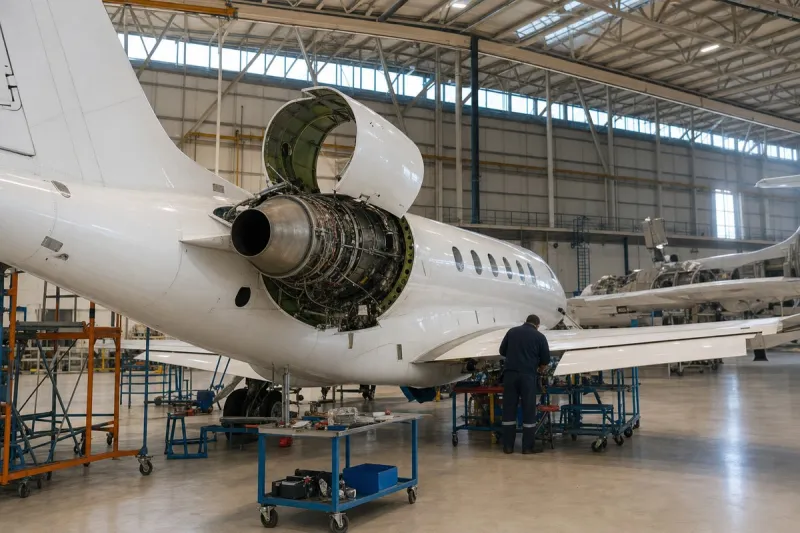
For a business-jet manufacturer, the mix in this quarter is instructive. Aircraft deliveries drove most of the revenue gain at Textron Aviation, but the 10% rise in aftermarket parts and services shows how a growing installed fleet generates recurring income alongside new-aircraft sales. Customer deposits and order intake feed the cash-flow guidance because buyers pay ahead of delivery, which is why a strong order book lifts cash flow before the aircraft ship.
The quarter also shows how differently the portfolio is behaving. Aviation and Systems grew while Bell contracted on lower military and commercial helicopter volume, so group results depend on how those businesses net out rather than on any single market.
The next dated markers are the Army's low-rate initial production award for the MV-75, which Rosenberg said would raise the expected charge to $110 million to $150 million if it slips into next year, and the Industrial separation on its 12- to 18-month timeline.