PPR Approval and Airport Slots Are Separate Constraints That Can Block a Chartered Jet, With Ramp Space the Real Bottleneck
Why It MattersCharter access at congested destinations is rationed by parking and permission rather than runway capacity, which makes repositioning to alternate airports and written confirmations a structural cost of peak-date trips.
What happened
A confirmed charter aircraft, crew and fuel do not guarantee a landing. Access at busy leisure and business airports depends on two distinct mechanisms: Prior Permission Required (PPR) and airport slots.
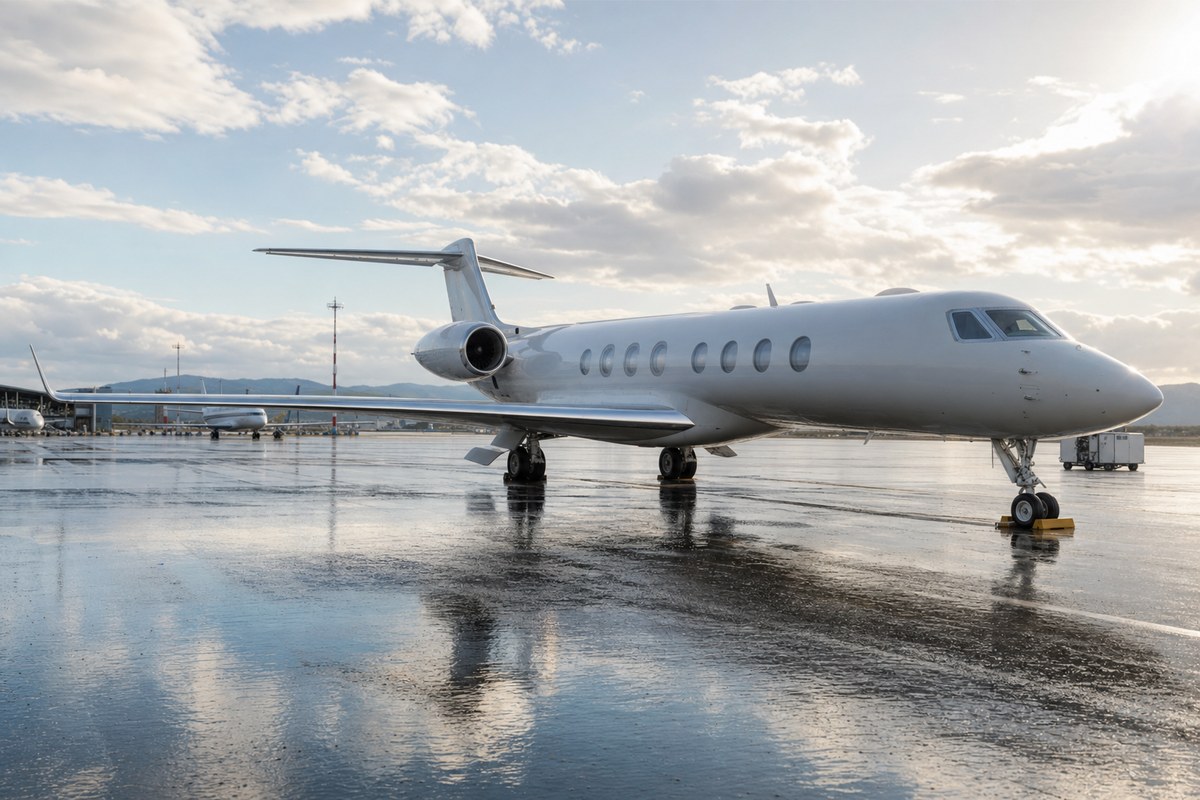
PPR means an airport wants advance notice of an arrival. The operator contacts the airport or its handler with the aircraft type, arrival time, passenger count and intended stay, and receives a PPR approval number. It is an approval to operate, often with conditions tied to ramp space, noise rules, customs availability or operating hours. A PPR can be granted for an afternoon arrival and still require departure within a few hours if there is nowhere to leave the aircraft overnight.
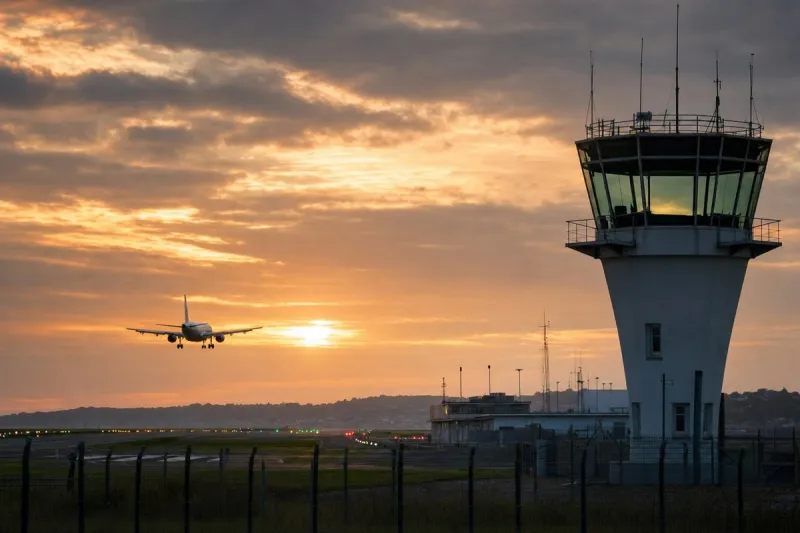
A slot is a specific allocated time to land or take off, managed by a national coordinator under international scheduling rules. Slots are formally allocated at IATA Level 3 airports such as London Heathrow and Gatwick. In the United States, the FAA limits scheduled operations at Reagan National under its High Density Rule and, through separate orders, at the New York airports; these controls target scheduled carriers and rarely bind general aviation in the same way. Those orders have changed over time, so the current status of JFK and Newark should be confirmed with the FAA.
PPR controls permission to operate and park, is granted by the airport operator or handler, and is typically constrained by ramp space, noise and hours. A slot controls the exact arrival or departure time, is granted by a slot coordinator or aviation authority, and is typically constrained by runway and airspace capacity. Some airports use both, others use one, and a few use neither and simply fill up.
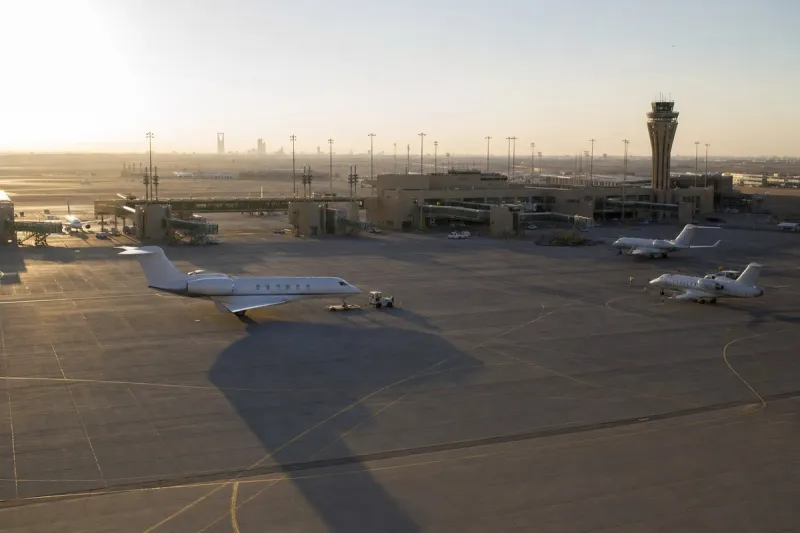
Where the ramp runs out first
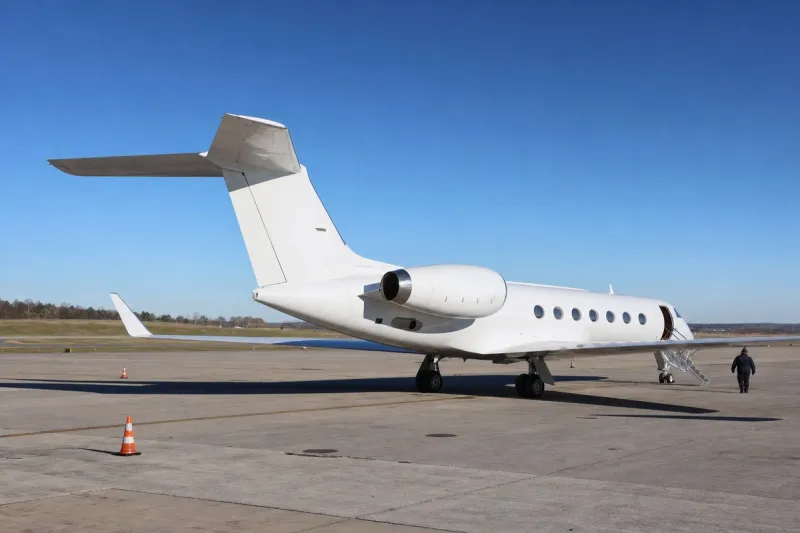
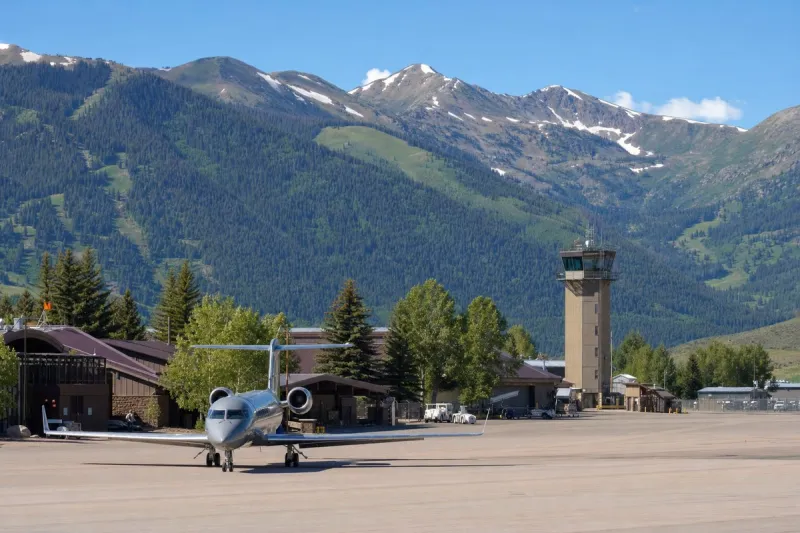
The ramp often fills before the runway, because a parked jet occupies space for hours or days. Aspen sees parking pressure over the Christmas and New Year ski period, Cannes-Mandelieu during the Film Festival in May, and Nice around the Monaco Grand Prix. At Teterboro, FBOs can limit overnight stays when the field is crowded and may set parking limits by aircraft size; limits vary by season and FBO.
Common arrangements include drop-and-go, where passengers are dropped off and the aircraft repositions to a nearby airport to park, and time-limited parking, where the aircraft stays a few hours and then must leave.
Passengers may notice a departure time shifting by an hour, a request to use an alternate airport, or a quote that includes parking at a different field. Aircraft size matters: a midsize jet such as a Challenger 350 is easier to place than a large-cabin aircraft, and when ramp space is nearly full the smaller aircraft often gets approval.
As an example, a client chartering a Global 7500 into Aspen on December 28 might see the jet forced to leave for Rifle or Denver after drop-off for lack of ramp space, with the return pickup then depending on that repositioning. Some airports have already reduced access, as the loss of the closest private jet airport for the Open at St. Andrews showed.
Industry impact & what to watch
The distinction between PPR and slots matters because the two fail in different ways. A slot constraint is about runway and airspace capacity and is allocated by a coordinator; a PPR constraint is about what the airport can physically host and is granted case by case by the airport operator or handler. A charter quote that treats them as one thing can look complete on paper and still leave the aircraft with nowhere to go.
For the charter segment, this shifts cost and risk toward positioning. When the ramp is the scarce resource, repositioning legs to alternate airports and parking at a different field become part of the real price of a peak-date trip, and larger aircraft carry more of that exposure than midsize ones. Event-driven and seasonal peaks at places like Aspen, Cannes-Mandelieu and Nice are where the gap between a confirmed booking and a confirmed landing is widest.
The practical checkpoints are specific: whether PPR or a slot is required and confirmed in writing, where the aircraft will park and for how long, what the backup airport is, and whether parking and repositioning costs are included in the quote. For peak dates, the article advises requesting written PPR confirmation at least 72 hours before departure and keeping a backup airport and some schedule flexibility.