Airbus ACJ319 Offers Longer Range, Boeing BBJ2 Larger Cabin and Payload in Pre-Owned Bizliner Comparison
Why It MattersPre-owned bizliners are bought on different strengths rather than on one clear winner, and a thin resale market of about 0.2 transactions a month per model keeps price discovery slow.
What happened
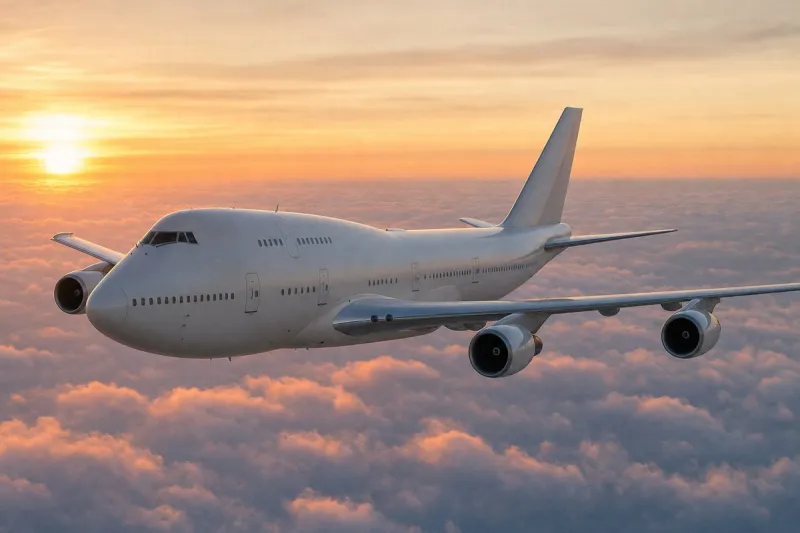
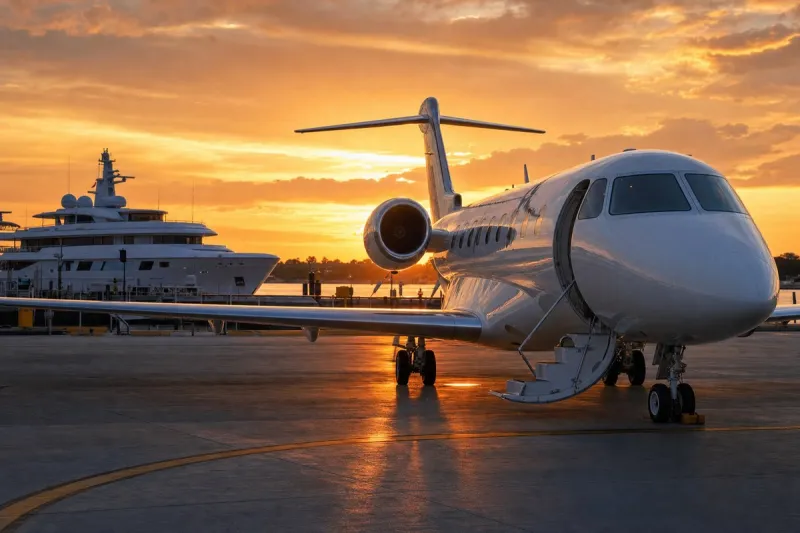
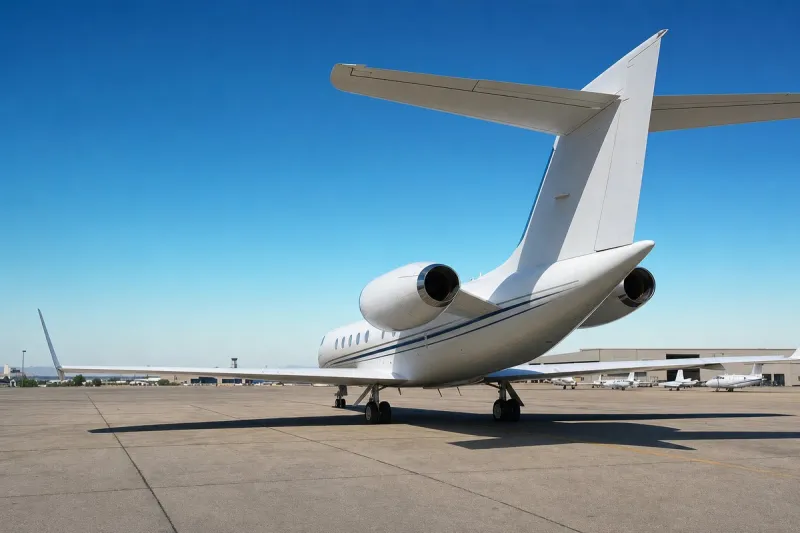
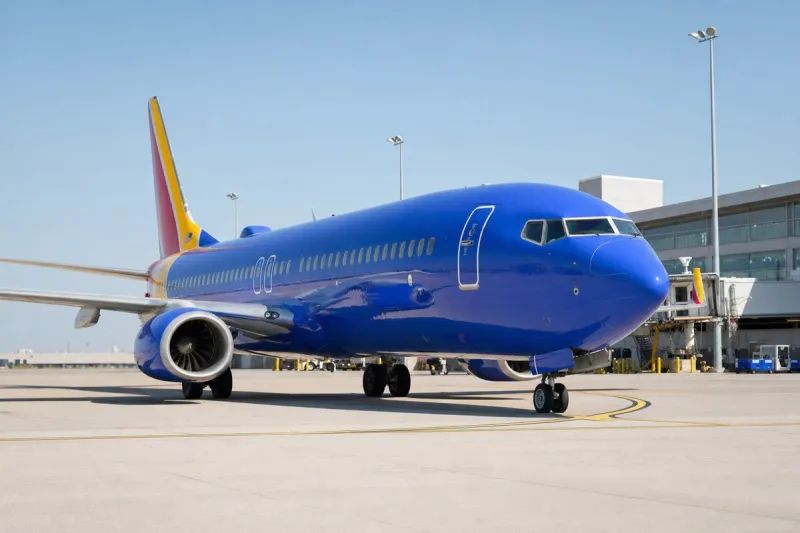
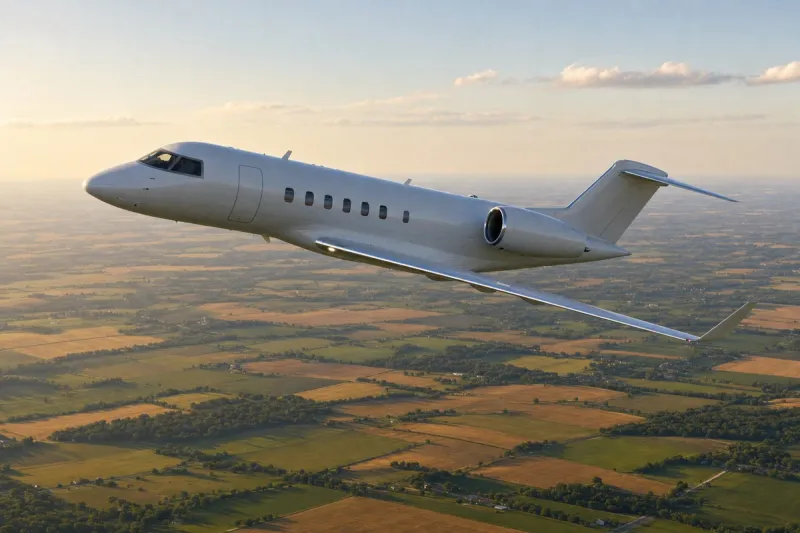
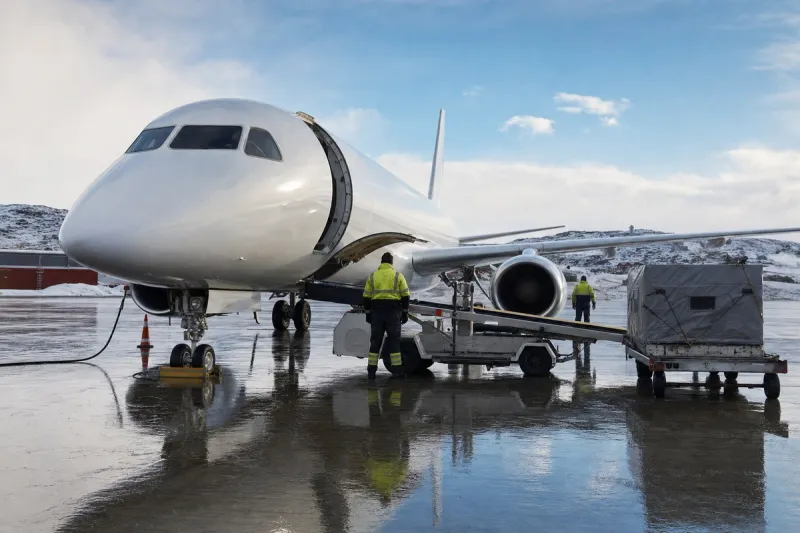
A comparison of the Airbus ACJ319 and Boeing BBJ2 bizliners, drawing on JETNET and B&CA data, finds that each aircraft leads in different measures. In 2026 there were 299 bizliners in operation worldwide: 174 (58%) built by Boeing and 125 (42%) by Airbus.
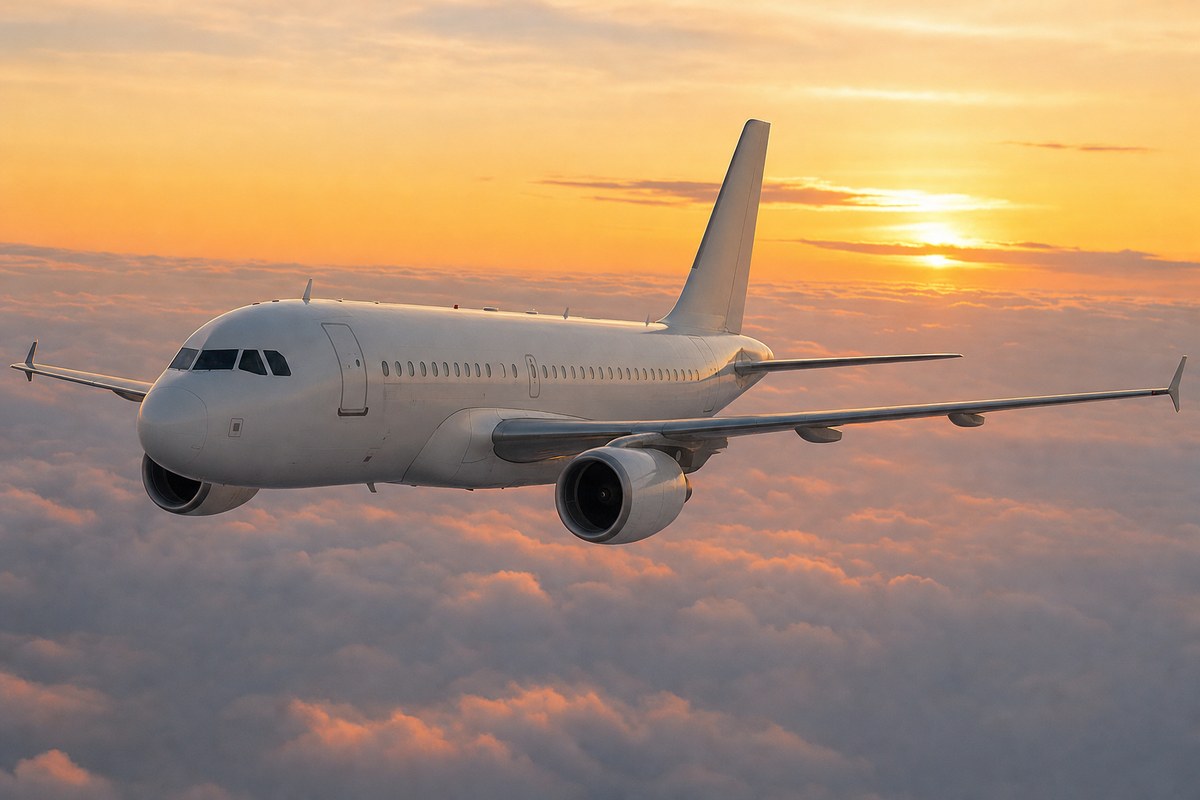
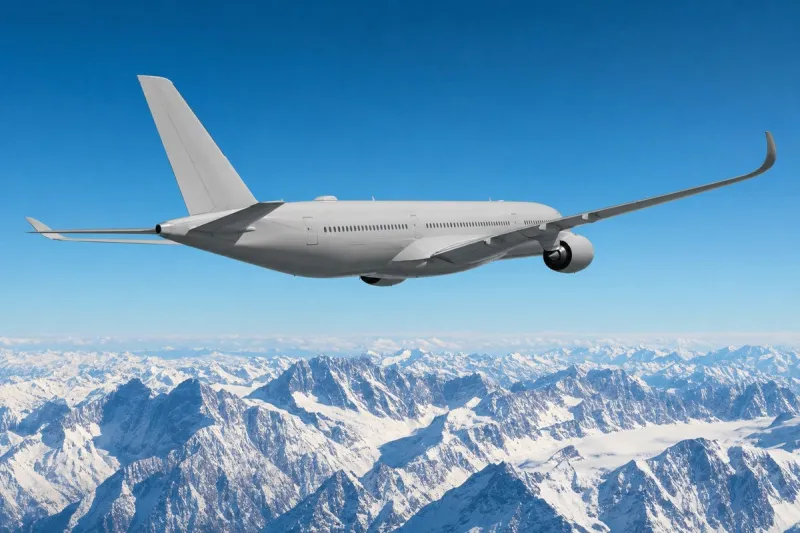
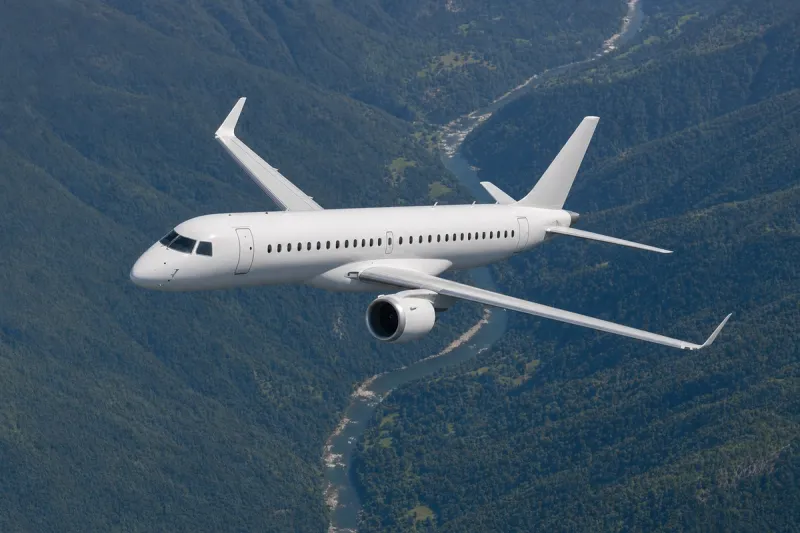
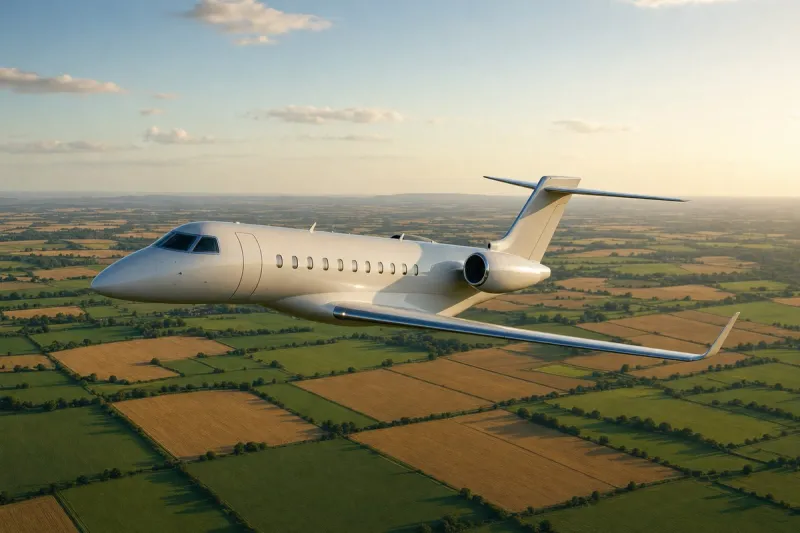
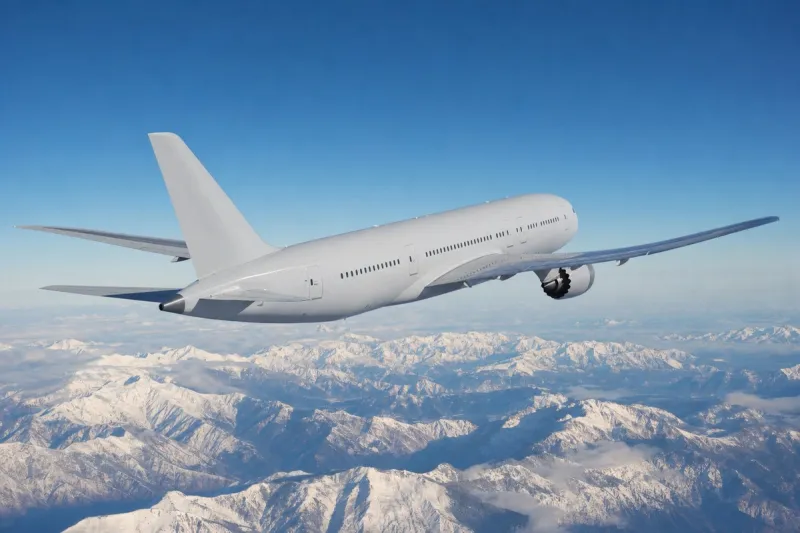
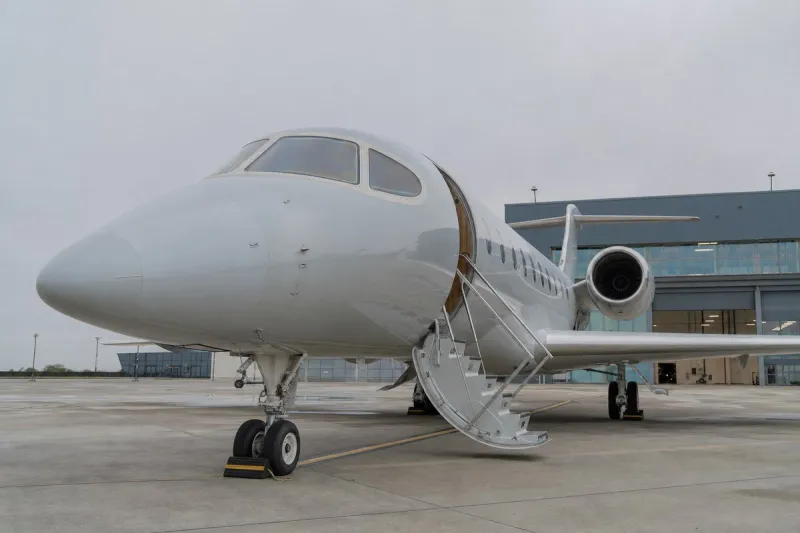
The ACJ319, produced from 1999 to 2015, has 67 units in operation, all wholly owned, with three in storage and three retired. Asia and the Middle East together hold just over half (51%) of the fleet, Europe 32% and North America 8%. The BBJ2, produced from 2001 to 2018, has 26 units in operation, all wholly owned, with Europe holding 39% of them.
On payload, the BBJ2 offers 939lbs of available payload with maximum fuel against 520lbs for the ACJ319. The ACJ319 has greater cabin height and width, but the BBJ2 has just over 20ft more cabin length, giving it the larger overall cabin volume. From New York, the ACJ319's maximum-fuel-with-available-payload range is 6,134nm versus 5,726nm for the BBJ2.
The ACJ319 has two CFM56-5B7/3 engines of 27,700lbst burning 720 gallons per hour, while the BBJ2 has two CFM56-7B27E engines of 27,300lbst burning 680 gph, 6% less fuel. With 19 passengers and available fuel, the ACJ319's cost per mile is $15.88/nm against $16.12 for the BBJ2. Variable cost is $10,772 per hour for the ACJ319, 1% higher than the BBJ2's $10,683.
The pre-owned market
Three ACJ319 units were for sale, one of them without engines, and all invited price enquiries. Six BBJ2 units were for sale, and none listed an asking price.
Over the previous 12 months both models averaged 0.2 pre-owned transactions per month. Government and military use combined is the largest usage group for each type, at 34% for the ACJ319 and 46% for the BBJ2.
The analysis rates the BBJ2 higher on a productivity index combining range, long-range cruise speed and cabin volume, mainly because of its larger cabin and quicker cruise. That rating comes at a higher price: a 2014-model BBJ2 averages over $10m more than a 2014-model ACJ319. The ACJ319 retains the higher maximum range. The article also notes that 100% bonus depreciation was restored in 2025 and made permanent under the One Big Beautiful Bill Act.
Industry impact & what to watch
The comparison shows how bizliner choice usually works in practice: the Airbus offers range and a slightly lower hourly cost for the same seat count, while the Boeing offers cabin volume, payload and fuel burn. Neither type dominates, so the decision turns on whether a buyer's mission is driven by distance or by cabin use.
The resale market is thin. At 0.2 transactions per month per model, with nine aircraft advertised between them and no BBJ2 asking prices shown, values are set by individual negotiation rather than visible comparables. A price gap of over $10m between 2014 models of the two types is the kind of difference that only direct enquiry can test.
The tax angle adds a second variable. With bonus depreciation made permanent, the effective cost of acquiring either aircraft depends on the buyer's own tax position, which the headline price comparison cannot capture. The next data point worth following is whether the listed ACJ319 and BBJ2 units trade, and at what prices relative to the averages cited.