US General Aviation Piston Fleet Averages Over 45 Years Old as 1978 Production Peak Still Shapes Supply
Why It MattersPiston aviation runs on a legacy fleet kept flying by older airframes' lower purchase and insurance costs, so maintenance capacity and flight-school demand, not owner upgrades, increasingly set the segment's direction.
What happened
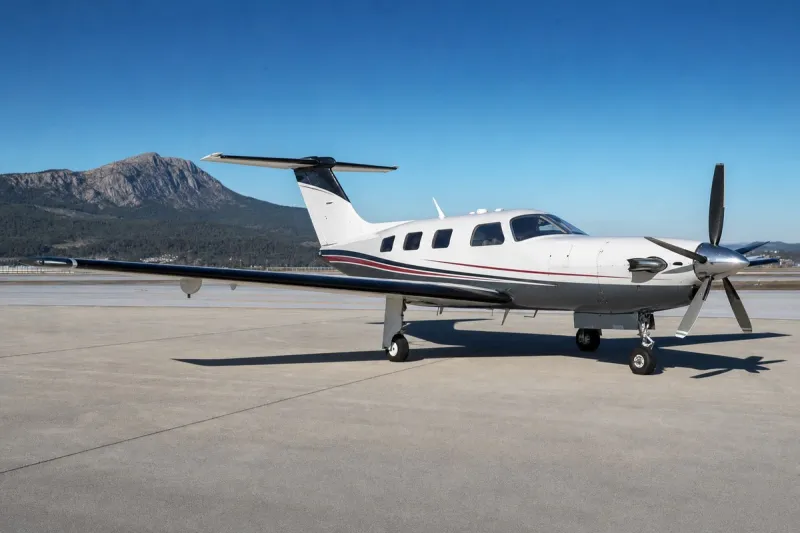
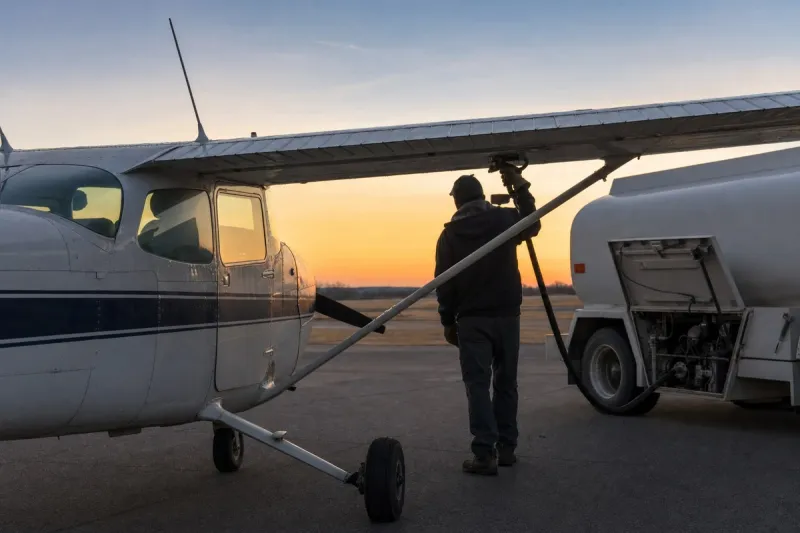
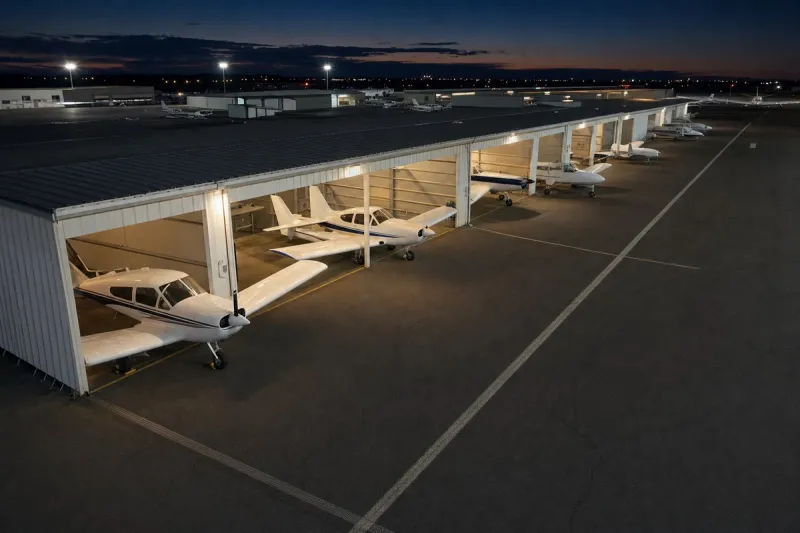
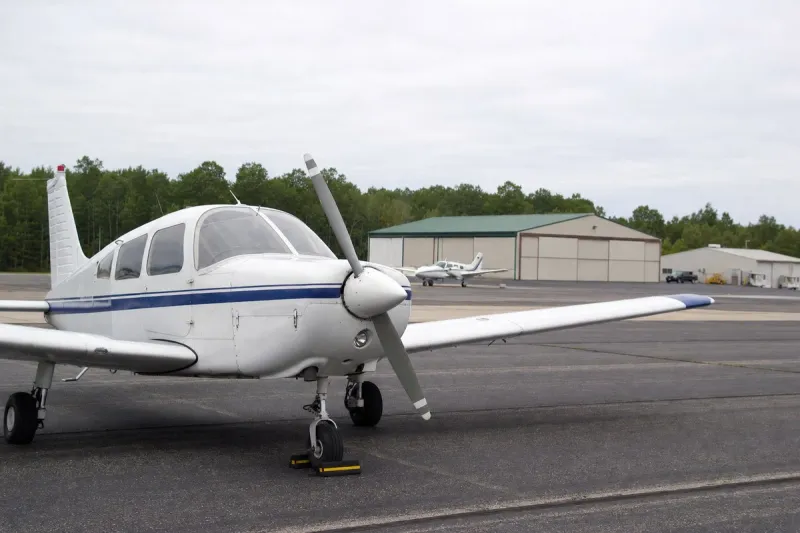
The US fixed-wing general aviation fleet numbers just under 220,000 aircraft, according to the Bureau of Transportation. The piston-powered portion totals 138,460 aircraft as of 2025: 126,915 single-engine piston aircraft and 11,545 twin-engine aircraft. Single-engine planes average more than 52 years old, and twin-engine aircraft average more than 45 years old, well above the average age of the US private jet and commercial airliner fleets.
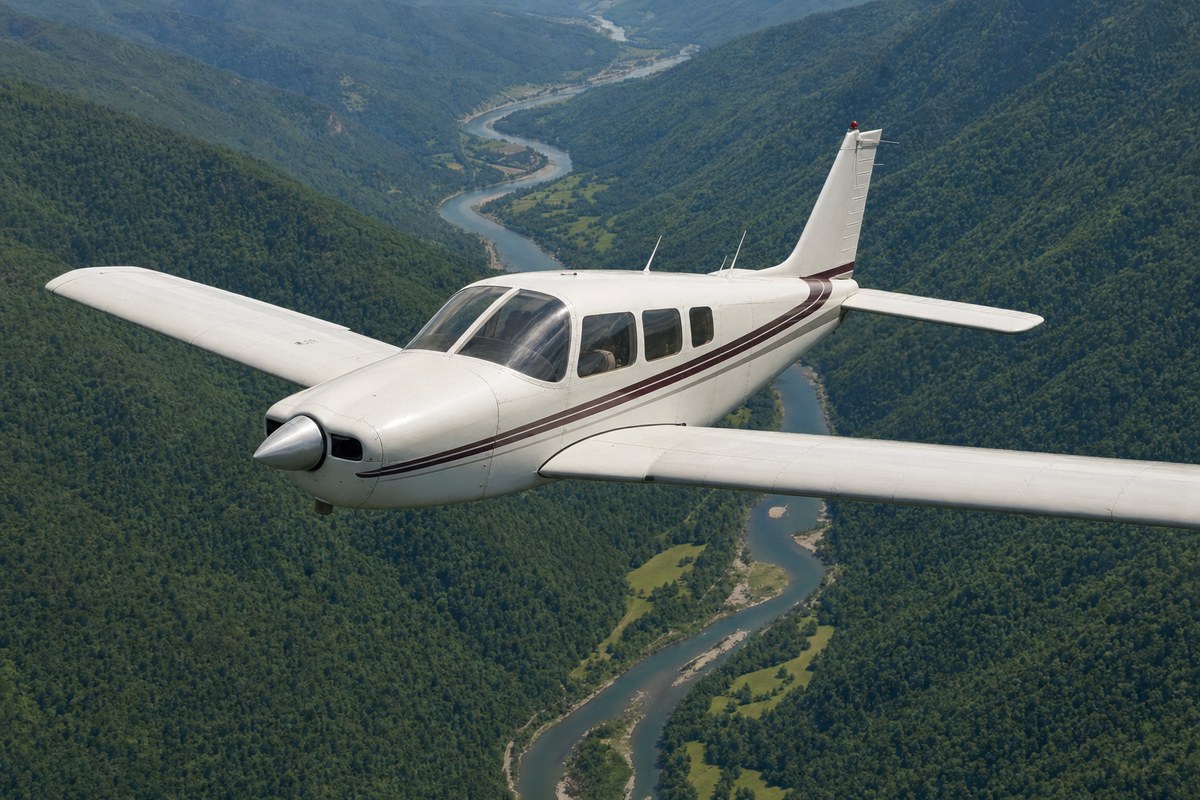
Manufacturers such as Cessna, Piper and Beechcraft delivered nearly 18,000 aircraft in 1978, the peak of general aviation production, compared with just over 4,300 deliveries in 2025. During the 1980s, manufacturers were hit by expensive lawsuits, tax code changes and broader economic pressures. Cessna halted piston aircraft production in 1986, and Piper filed for bankruptcy in 1991. Output fell below 1,000 aircraft in 1994, the year the General Aviation Revitalization Act protected small aircraft and parts makers from certain product liability suits.
A new Cessna 172 Skyhawk started at roughly $25,000 in 1978, equivalent to about $127,000 today. A new Skyhawk now starts slightly under $500,000, and options can push it past $700,000. The Piper PA-28 also starts around $500,000, and well-optioned turbocharged Cessna 182s can approach $1 million. Early Skyhawks can often be found for less than $100,000, newer, better-equipped examples often cost less than $200,000, and 1970s Cessna 182s typically cost less than $350,000. Insurance costs are also lower on older airframes.
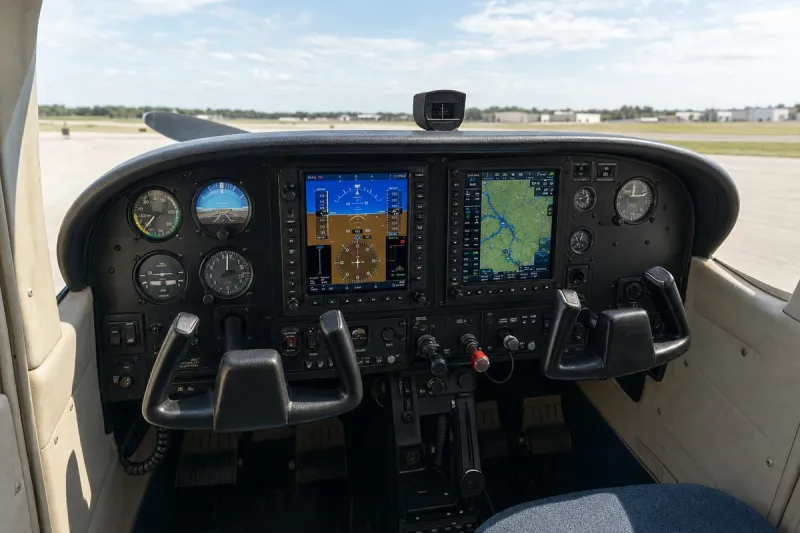
Cirrus and Diamond, known for composite airframes and modern cockpit technology, are among the largest general aviation manufacturers. Cirrus is known for its parachute system, and Diamond has worked on diesel and Jet-A engines. Listed new-aircraft prices include $937,000+ for the Cirrus SR22 (G7 standard), $680,000+ for the Diamond DA40 NG, $1.15 million+ for the DA50 RG, $1.08 million+ for the DA42-VI and $1.25 million+ for the DA62. Piston flights average fewer than two hours, and many owners fly for recreation or instruction.
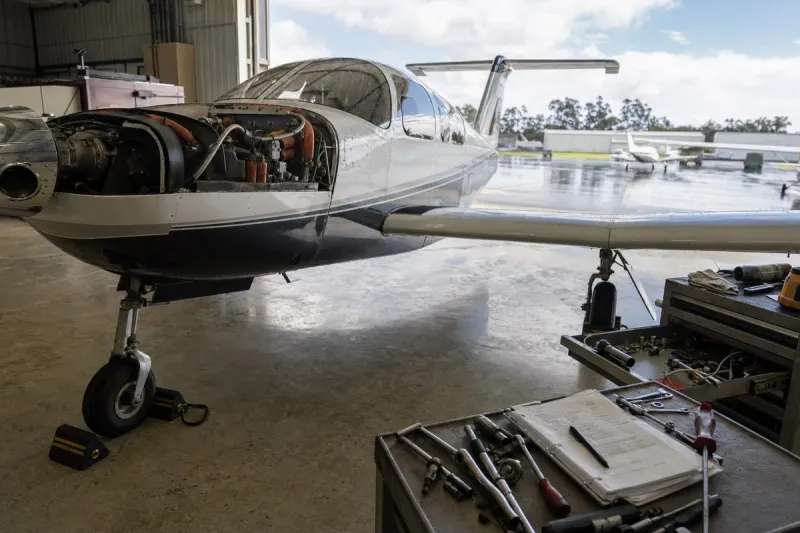
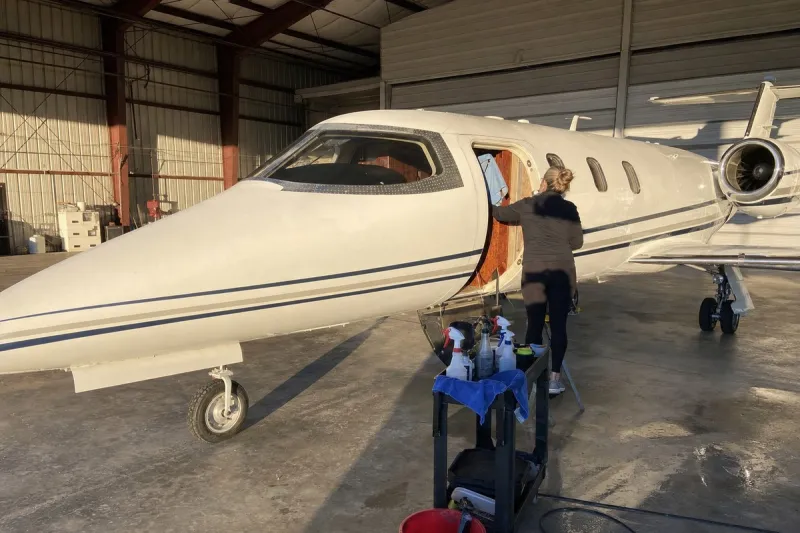
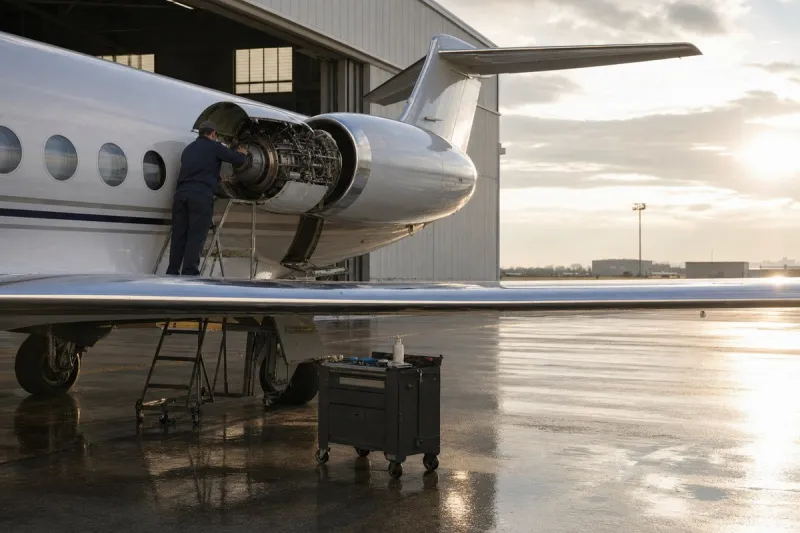
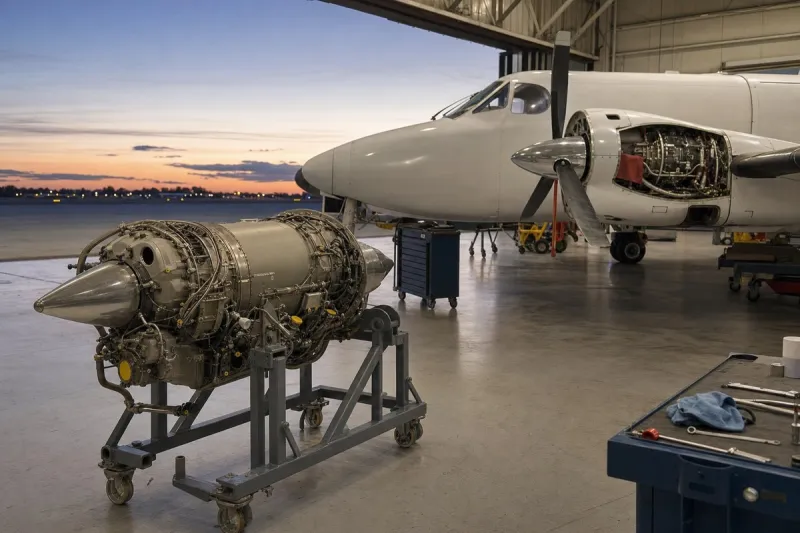
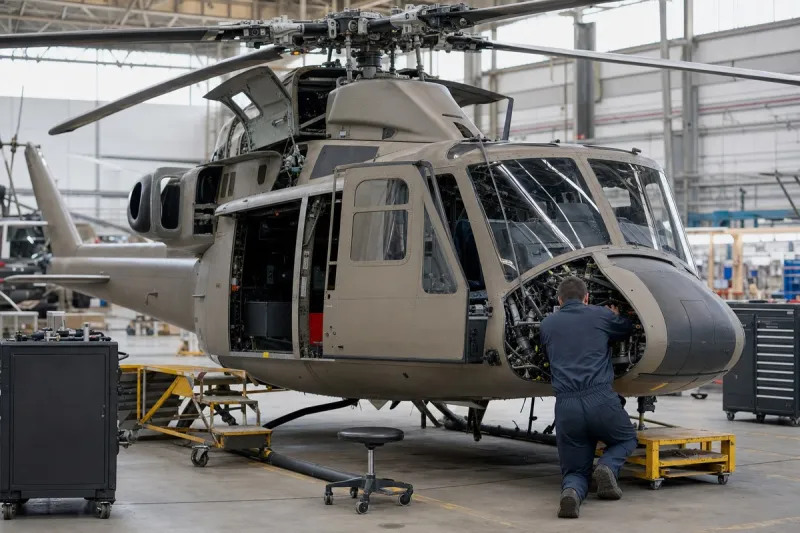
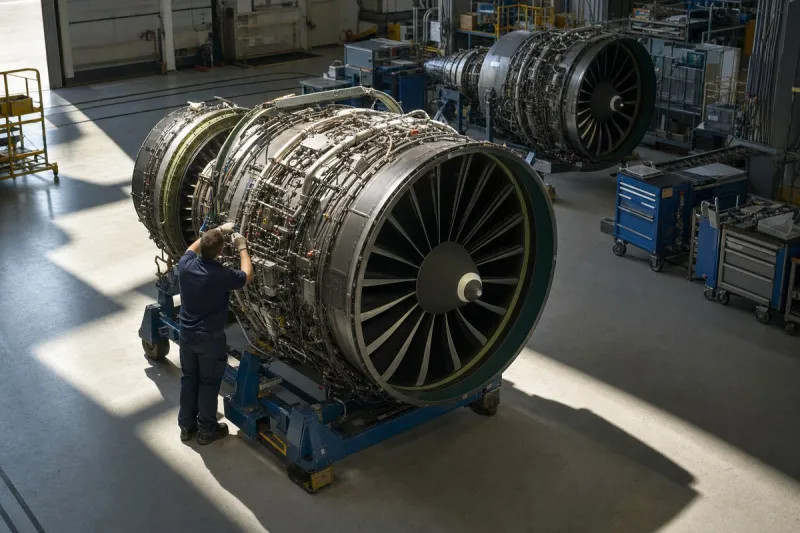
Original suppliers have discontinued some parts, documentation can be hard to source, and older airframes are susceptible to corrosion and fatigue. A shortage of mechanics qualified on legacy airframes and powerplants is pushing up maintenance costs. The high-end turbine and business aviation sectors are growing, while the piston fleet is gradually shrinking even as manufacturers grow, with much of the demand for new planes coming from flight schools.
Industry impact & what to watch
The age of this fleet is a pricing story as much as a production story. With a new Skyhawk near $500,000 and comparable used examples under $200,000, most piston buyers stay in the used market, and each purchase that stays there keeps an old airframe in service. That is why a fleet built around a 1978 production peak is still the base the segment runs on, and why new-build volume has so little effect on its average age.
The cost of keeping that fleet airworthy shifts from the airframe to the shop. Discontinued parts, hard-to-find documentation and corrosion and fatigue exposure all land on maintenance, and a thin pool of mechanics qualified on legacy airframes and powerplants raises the labour price of every inspection and repair. For owners, an inexpensive purchase price and a lower insurance bill are only part of the cost of keeping an older aircraft flying.
Growth in new aircraft is concentrated where usage justifies it. Flight schools drive much of the demand for new planes, while recreational owners flying sub-two-hour trips gain little from the modern features that justify premium pricing on the SR22 or DA62. The next test of this split is whether the shrinking piston fleet and growing manufacturer output continue to diverge, and whether mechanic availability tightens further on the legacy types that still make up most of the fleet.