India raises jet fuel price by Rs 1.3 per litre and commercial LPG by about Rs 10 per cylinder
Why It MattersFour straight monthly fuel increases show how directly West Asia disruption reaches carrier cost lines in an import-dependent market, squeezing airline margins and leaving little room to absorb further input-cost moves.
What happened
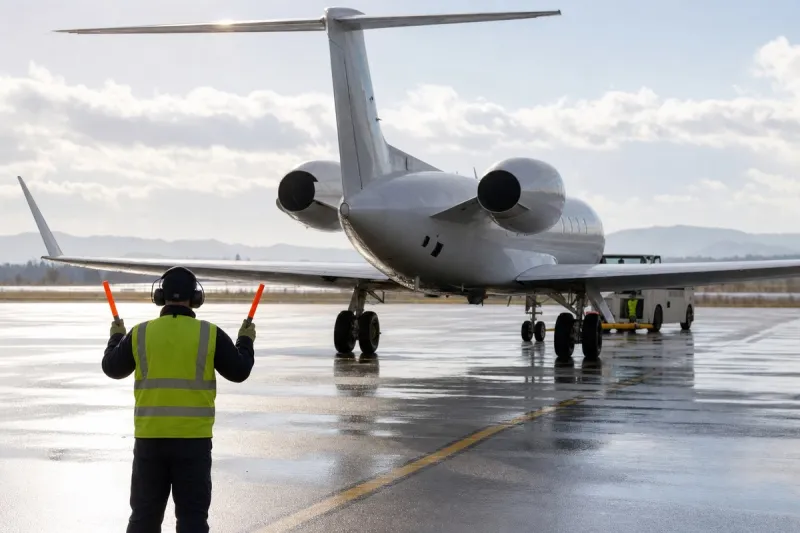
Jet fuel prices for domestic airlines in India rose by Rs 1.3 per litre on Sunday, the fourth consecutive monthly increase, PTI reported. Aviation turbine fuel now costs Rs 138.5 per litre, up from Rs 137.1.
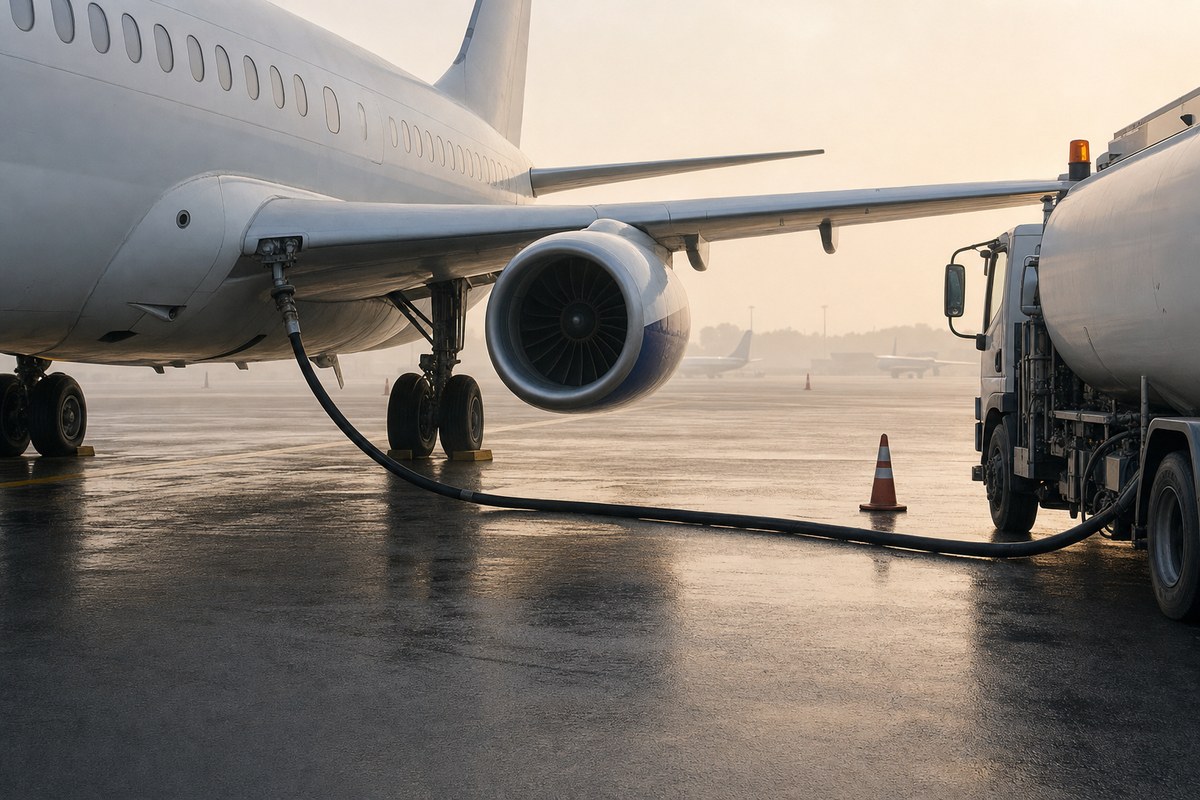
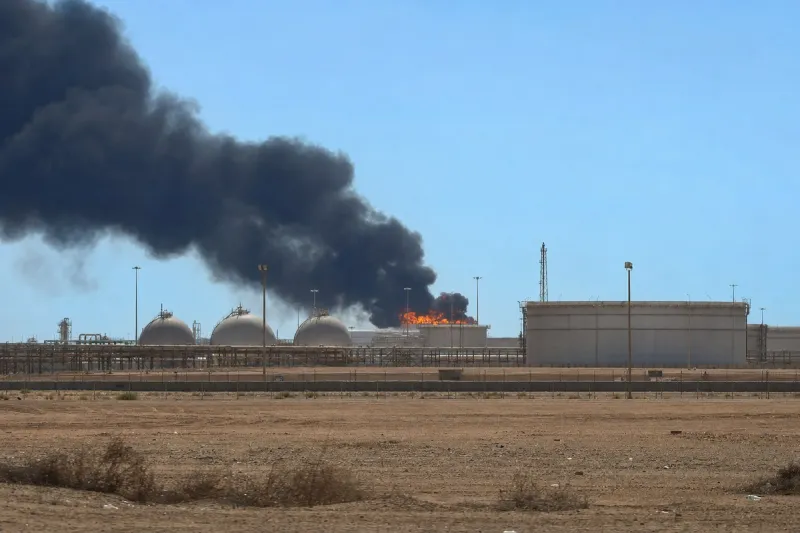
The earlier increases were Rs 16 per litre on October 1, Rs 6.2 per litre in September and Rs 5 per litre in August. Aviation turbine fuel accounts for about 40% of airlines' operating expenses. The war in West Asia has pushed up global oil prices and led to airspace restrictions that have raised operating costs. On April 26, Air India, IndiGo and SpiceJet told the Union government about the pressure on their costs.
Commercial liquefied petroleum gas was also raised by about Rs 10 per 19-kg cylinder across the country, The Hindu reported, while domestic cooking gas cylinders are unchanged. A 19-kg commercial cylinder now costs Rs 2,820 in Delhi, Rs 2,775 in Mumbai, Rs 2,971 in Kolkata and Rs 2,994.5 in Chennai. The increase was Rs 17 in Kolkata, Rs 11.5 in Chennai and Rs 10.5 in Mumbai.
This is the third consecutive monthly rise in commercial LPG prices, after a Rs 62.5 increase on October 1 and a Rs 9.5 increase on September 1. India imports half of its natural gas requirements.
Industry impact & what to watch
Fuel is the largest single variable cost for an airline, and in India the pump price is reset monthly. That cadence means a shock in crude markets or a rerouting forced by closed airspace reaches carrier P&Ls within weeks, with no hedging buffer unless the airline has bought one. The October 1 step of Rs 16 per litre was far larger than anything since; the Rs 1.3 increase this month is small by comparison, but it lands on a base that has already moved sharply.
For a cost line that makes up about 40% of operating expenses, each increment compounds. Carriers have two levers, fares and capacity, and both have limits in a price-sensitive domestic market. The three airlines that approached the government on April 26 were pressing for relief on the same cost base, which signals that the pressure is sector-wide rather than specific to one carrier's fleet or route mix.
The commercial LPG move matters for a different part of the aviation value chain: catering and ground-service kitchens that run on cylinder gas. It is a smaller cost, but it rises in the same direction at the same time.
The next monthly revision, due at the start of December, will show whether the sequence continues or the increase of recent months levels off.