UAE Cuts November Fuel Prices as British Airways Set to Resume Dubai Flights Amid US-Iran Tensions
Why It MattersDubai's winter capacity rebuild is being staged carrier by carrier, with returns and postponements coexisting, so network recovery tracks airline-level security judgements and Gulf diplomacy more than a single airport-wide reopening.
What happened
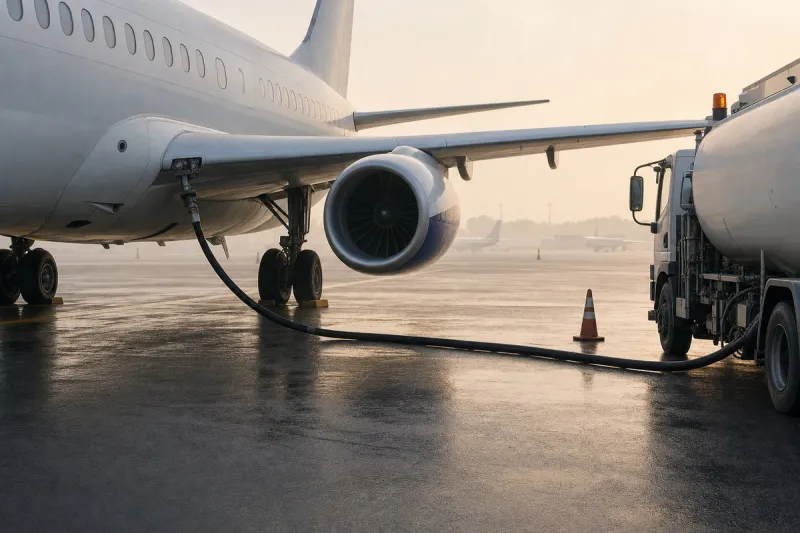
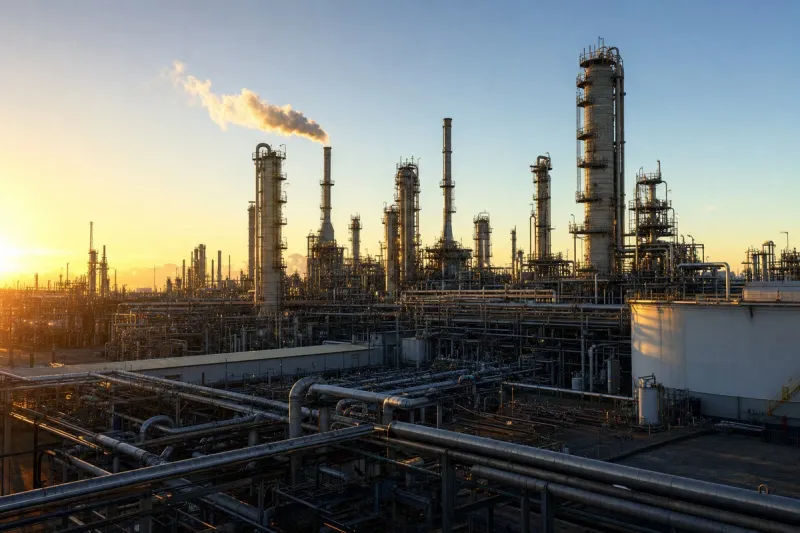
The UAE Fuel Price Committee announced lower petrol and diesel prices for November 2026, effective November 1. Super 98 is Dh4.16 a litre, down from Dh4.40 in October; Special 95 is Dh4.04, down from Dh4.28; E-Plus 91 is Dh3.97, down from Dh4.21; and diesel is Dh4.75, compared with Dh4.80. Petrol has fallen by 24 fils a litre across all three grades, while diesel is 5 fils cheaper.

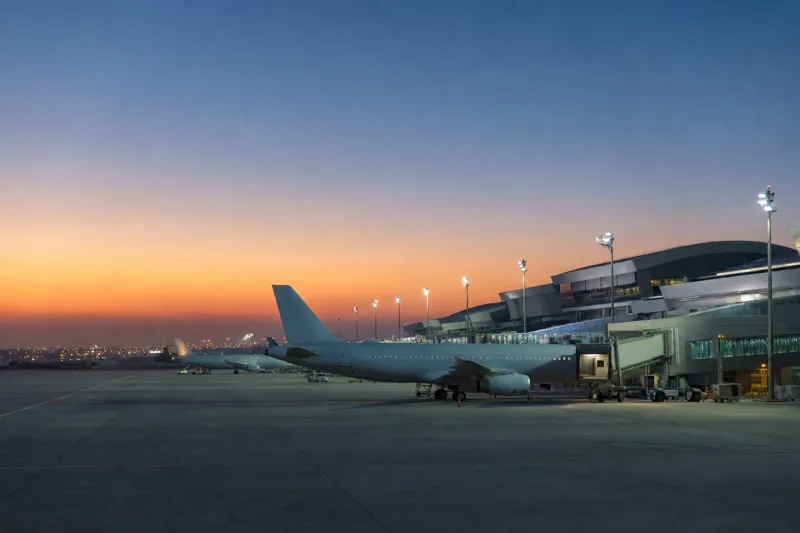
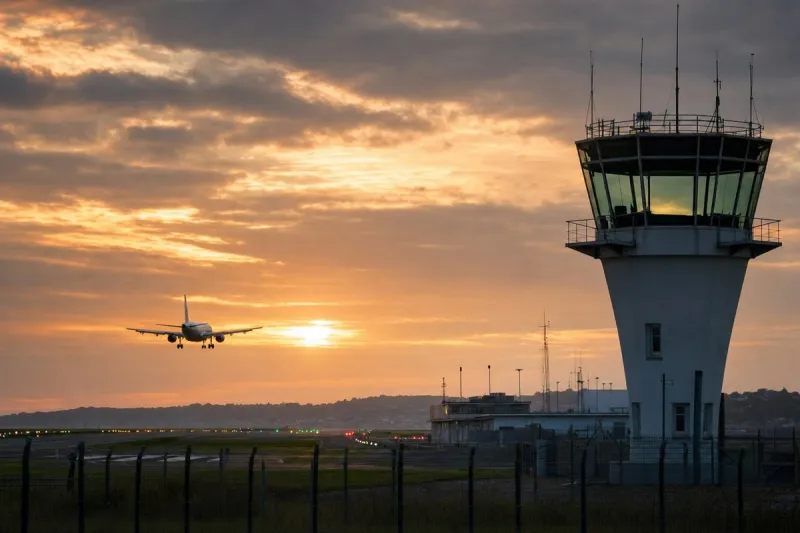
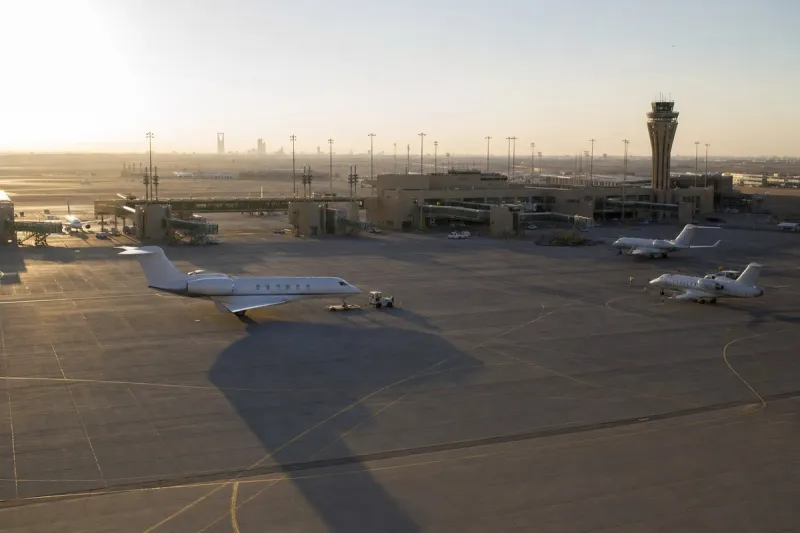
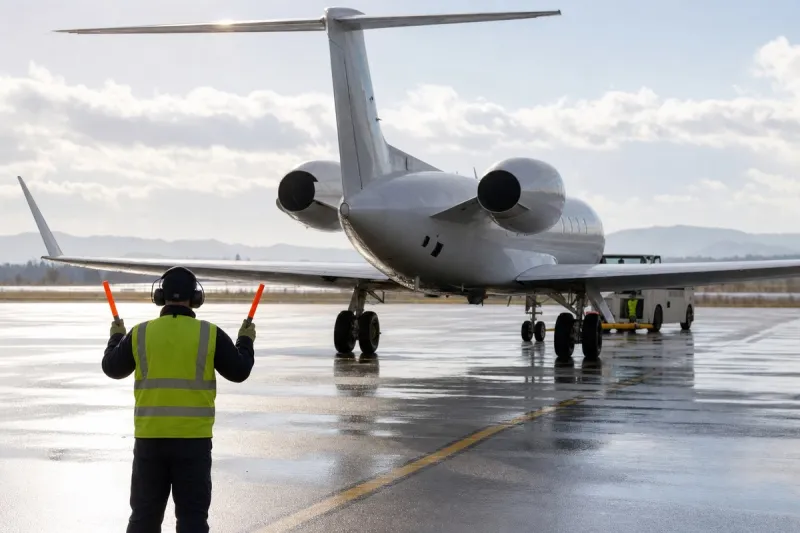
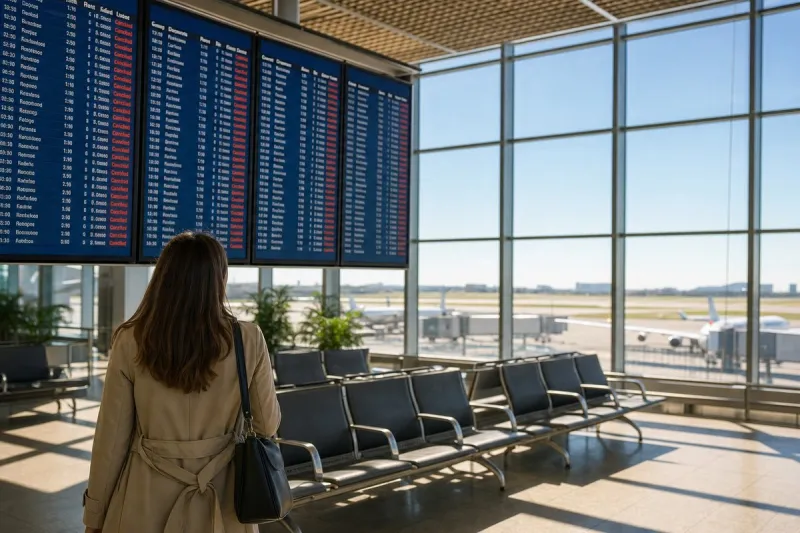
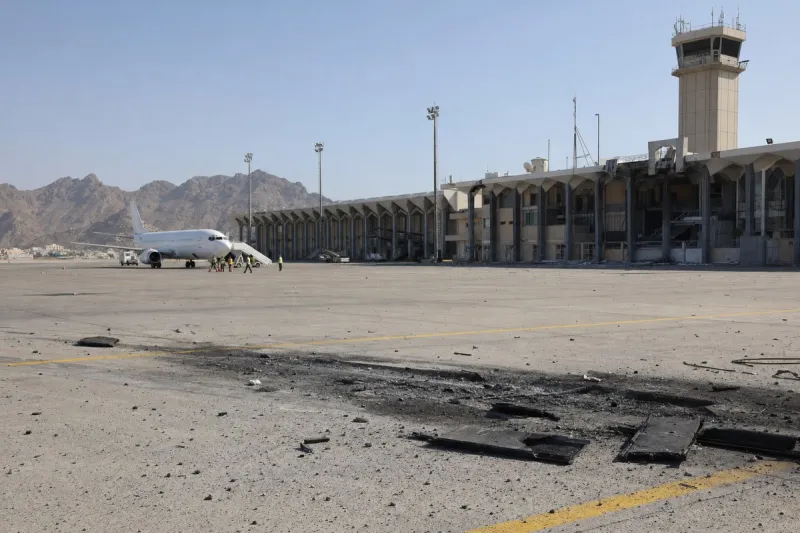
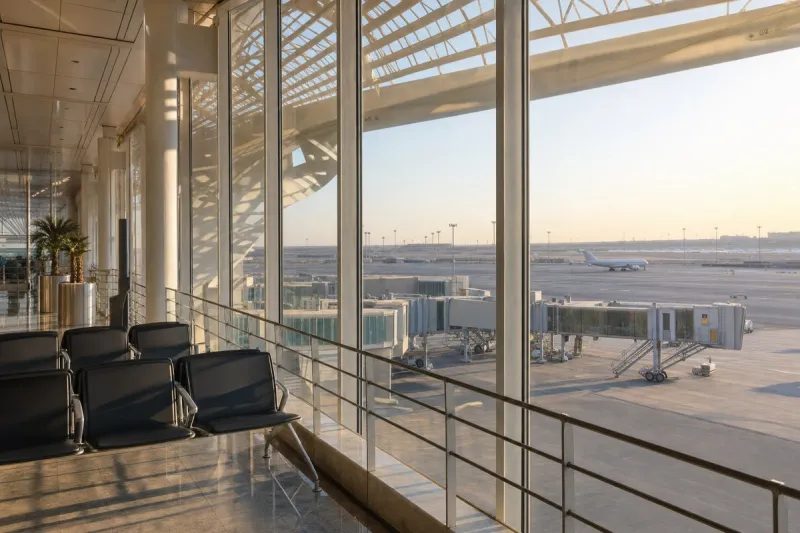
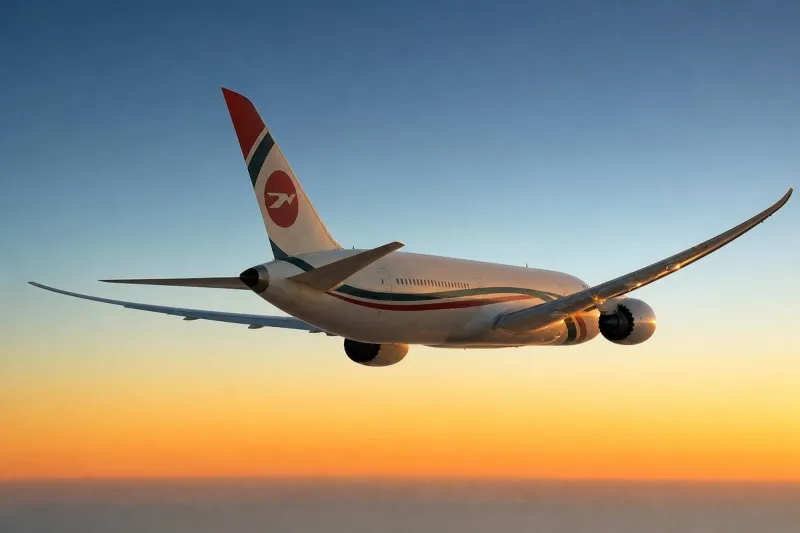
Airlines are preparing to restore more international services to Dubai ahead of the winter travel surge. British Airways is scheduled to resume flights on November 3, and UAE airports report higher seat capacity as carriers prepare for increased passenger demand. Some airlines have postponed their planned returns: Singapore Airlines has extended the suspension of its SQ494 and SQ495 Dubai services until February 28, 2027. Cancellations and delays have been reported at Dubai International Airport, Zayed International Airport in Abu Dhabi and Sharjah International Airport.
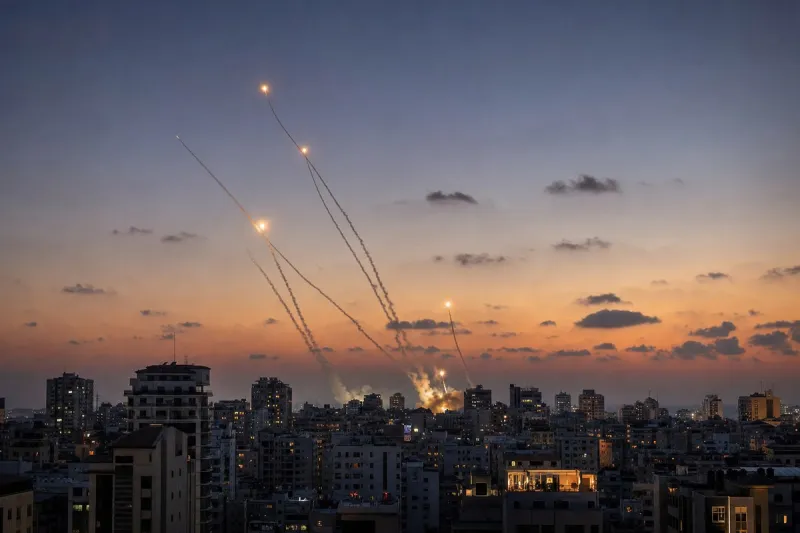
On US-Iran relations, President Donald Trump said negotiations with Tehran were "going fine" but that he was "not in that much of a hurry" to reach a deal. He claimed US forces had largely destroyed Iran's military and nuclear capabilities, with one or two targets remaining, including the suspected underground site at Pickaxe Mountain. Secretary of State Marco Rubio said no decision had been made on fresh strikes, but Washington remained open to diplomacy. Iran's Supreme Leader Mojtaba Khamenei ordered military commanders to prepare an "immediate, effective response without geographical lim…"
Foreign Minister Abbas Araghchi said discussions with Qatari mediators were continuing over a proposal to reopen the Strait of Hormuz within two days, provided the US cooperates. According to Iran's Tasnim news agency, Tehran has designated the Royal Navy and Royal Air Force as terrorist organisations and Britain's MI6 intelligence service as a hostile group. An Associated Press analysis of satellite imagery found that more than 115 drone or missile strikes claimed by Iran or Iranian-backed groups had dama…
At the Manama Dialogue in Bahrain, Saudi Deputy Foreign Minister Waleed Al Khereiji called for diplomatic solutions to regional conflicts and condemned continued Houthi attacks against Saudi Arabia and Yemen. India's Shipping Minister Sarbananda Sonowal said all six Indian seafarers aboard the LNG carrier M/T Al Mayeda were safe after a projectile attack in the Arabian Gulf; all 25 crew members aboard were reported safe.
Winter capacity and the security backdrop
Dubai's return to a fuller winter schedule is uneven. One major carrier is lined up to come back on November 3, another has pushed its Dubai services out to late February 2027, and three UAE airports are still logging cancellations and delays. Seat capacity at UAE airports is rising at the same time, which means demand planning and security-driven schedule decisions are running in parallel.
The diplomatic picture offers no firm timetable. Washington says talks are progressing without urgency, no decision on fresh strikes has been taken, and a proposal on the Strait of Hormuz is still under discussion with Qatari mediators. Warnings of regional instability from Gulf officials and the Manama Dialogue underline that maritime security and energy supply remain the stated concerns.
Industry impact & what to watch
Cheaper pump prices in the UAE are a domestic fuel-pricing decision and sit apart from jet fuel, but they land in a week when Gulf aviation is being judged mainly on access and risk. For a hub that depends on foreign carriers to fill winter capacity, each airline's return date works as a running signal of how that carrier's own risk assessment is evolving, and a postponement as long as Singapore Airlines' shows that assessments are not converging.
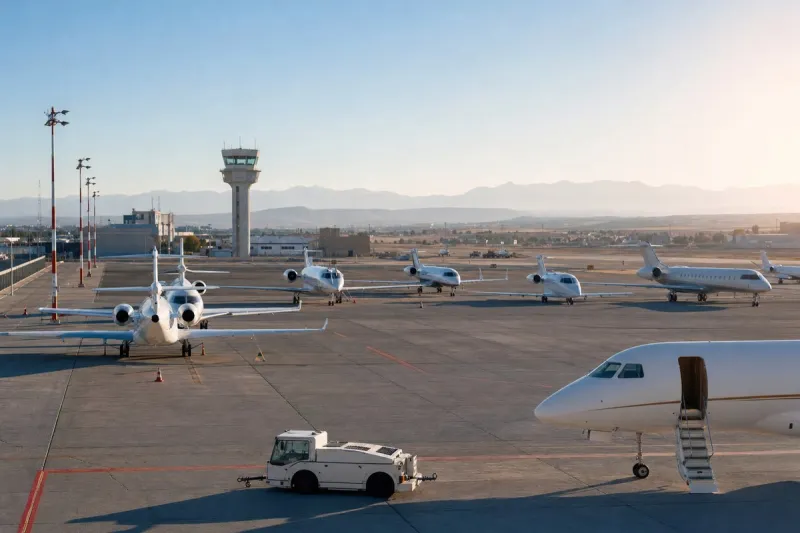
For charter and business-aviation planners, the pattern that matters is the mix of rising seat supply and persistent disruption at several airports at once. Schedules published by commercial carriers can shift quickly, and the same security developments that move those schedules, from Hormuz talks to the status of possible strikes, feed directly into routing, insurance and slot decisions for private traffic into the region.
The next concrete milestone is British Airways' November 3 resumption: whether it operates as scheduled will say more about the near-term operating climate than any statement. A Hormuz announcement from the Qatari-mediated talks would be the other dated marker.