Gulf Airspace Restrictions and Forecast Record El Nino Set Two-Front Planning Season for Private Aviation Through Q1 2027
Why It MattersStacked conflict and weather risk shifts planning from route-by-route fixes to standing buffers, since cancelled airline capacity and unusable alternates remove the fallback options charter brokers and operators normally rely on.
What happened
Private and charter aviation is dealing with two simultaneous pressures: the Middle East war involving the United States, Israel and Iran, and a forecast record El Nino paired with an unusually early stratospheric warming event. Both argue for added slack in schedules, fuel planning and client expectations through at least the first quarter of 2027.

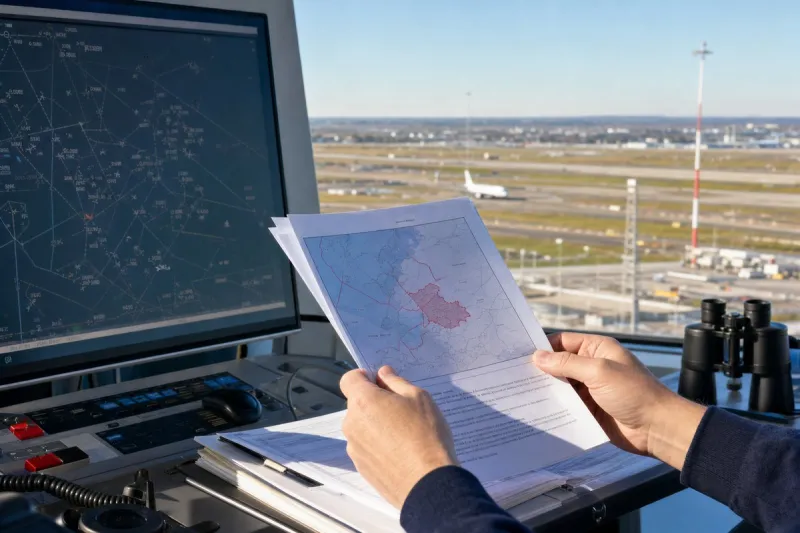
Industry notices compiled in March 2026 pointed to full or partial airspace closures over Iran, Israel, Qatar, Bahrain, Kuwait, Iraq, Syria and the United Arab Emirates, with significant disruption in Saudi Arabia, Oman, Jordan, Lebanon and Egypt. That compilation is months old and does not reflect current status for any individual FIR. UK Civil Aviation Authority guidance issued in early 2026 noted disruption on routes linking the UK with the Middle East and Cyprus, and some airlines extended suspensions of Beirut flights in June.
EASA has extended its Conflict Zone Information Bulletin covering the UAE and the wider Persian Gulf until 16 November 2026, while the hubs at Abu Dhabi, Dubai and Sharjah continue to operate. The bulletin is an advisory framework requiring operator risk assessment, not a prohibition. Pakistan has closed its airspace to Taiwanese airlines, citing the One China policy.
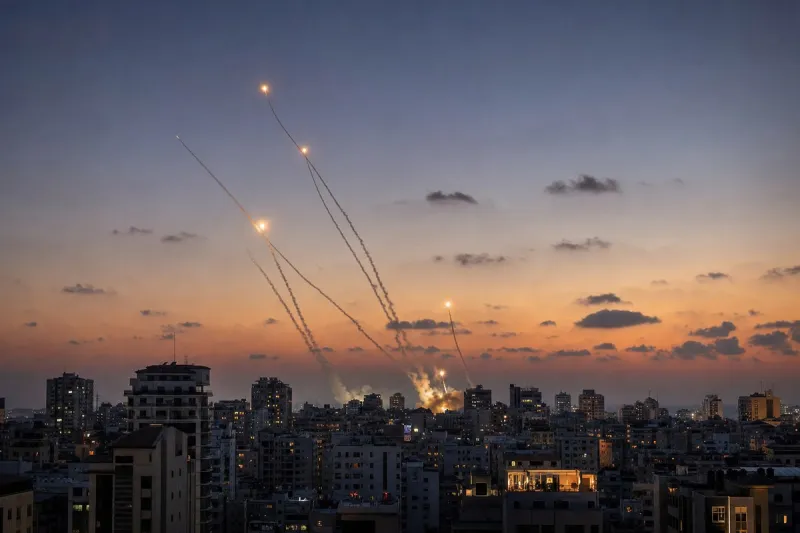
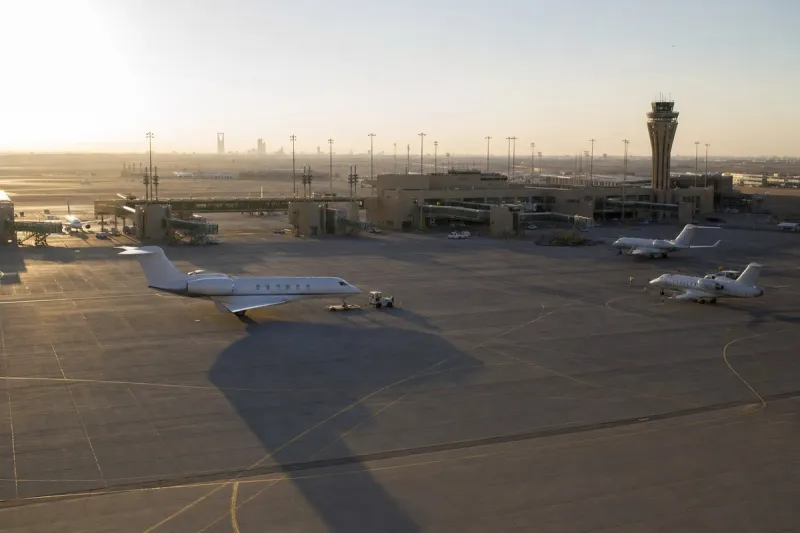
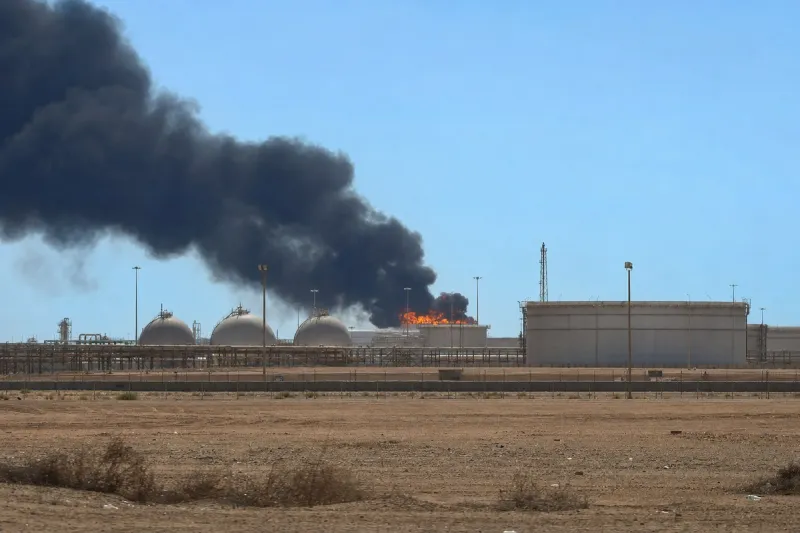
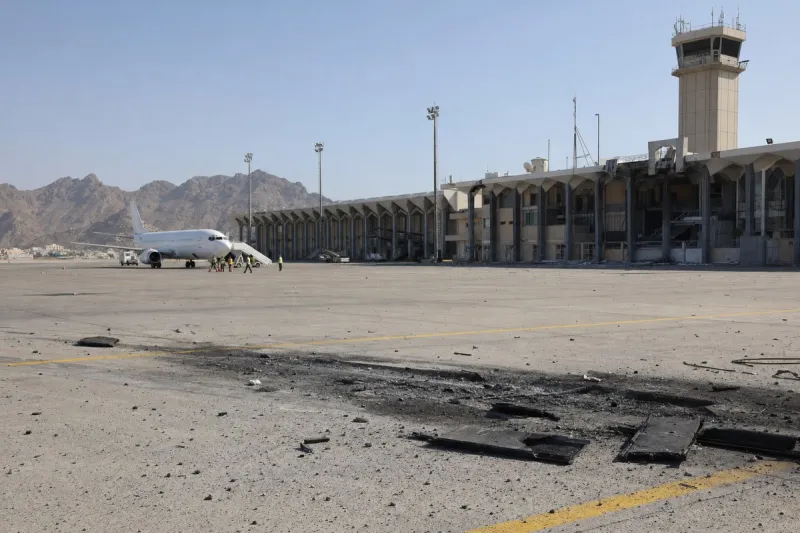
Riyadh's international airport has been hit by a missile strike, and the Houthis have claimed attacks on three Saudi oil facilities and two airports, claims Saudi Arabia has not confirmed. On October 29 the Houthis claimed a strike on the Abqaiq crude processing plant, the first such explicit claim in the 2026 conflict, while the Saudi-led coalition said it had intercepted a ballistic missile fired into the kingdom. These accounts are not fully reconcilable.
Saudi airport operations have partially resumed, but international services remain affected. IndiGo said on October 28 that flights to and from Riyadh, Jeddah, Dammam and Madinah would stay cancelled until November 14. Emirates has cancelled Saudi, Kuwait and Peshawar services, Etihad has cancelled Dammam and Jeddah flights, the Incheon-Dubai suspension has been extended until further notice, and KLM has suspended Dubai flights until March 27, 2027.
Weather and Asia-Pacific disruption
The WMO forecasts tropical Pacific sea surface temperatures reaching 3.8C above average between November 2026 and January 2027, against the 0.5C El Nino alert threshold, describing the event as potentially off the monitoring charts of the past four decades. A polar vortex split and stratospheric warming event is developing in November, about a month earlier than past analogues, with a stronger disruption projected for mid-winter, raising the potential for major cold outbreaks across the Northern Hemisphere.
In Asia-Pacific, Typhoon Champi shut down Taiwan with winds reaching 191 kph, causing widespread closures, one death, 163 injuries and thousands of evacuations. A magnitude-7 earthquake in Tibet killed 16 and injured 76, and a magnitude 6.9 quake struck off Vanuatu on October 24, followed by a 6.3 aftershock; a tsunami warning was later cancelled.
Losses, insurance and counterparty exposure
Aon puts global economic losses from natural disasters at about $204 billion through September 2026, the lowest comparable figure since 2015 despite 42 billion-dollar events, with insured losses of $91 billion and at least 53,000 deaths. War-risk and territorial exclusions are expected to drive Gulf pricing, rather than catastrophe totals.
On the counterparty side, ONEflight International, behind the BAJIT booking platform, suspended flights in September 2026 while assessing its finances. Twelve federal customer lawsuits against the company and its executives had been identified by October 28.
Industry impact & what to watch
Gulf and Europe-Asia private flying is now exposed to a conflict risk and a weather risk at once, and they compound each other. Rerouting around closed or restricted FIRs lengthens sectors, erodes range on direct Europe-Gulf and Gulf-Asia legs, can force unplanned technical stops and tightens crew duty margins. When several regional fields can close suddenly, a nominated alternate is not necessarily available, so fuel and a second alternate are planned on the assumption that a field can be lost after departure.
Airline withdrawals matter to charter as well. Cancelled scheduled services remove the fallback capacity brokers normally use when a private movement falls through, which pushes more demand onto fewer usable options. An EASA bulletin is an advisory framework, so each operator's own risk assessment, and its insurer's war-risk terms, decide whether a given Gulf sector is flown.
The winter outlook adds a second layer. A forecast cold-outbreak pattern across the Northern Hemisphere points to heavier de-icing demand, slot compression and tighter alternate planning at northern airports, which stacks onto schedules already padded for the Gulf. Counterparty failures like ONEflight's also raise the cost of buying through thinly capitalised intermediaries when disruption makes refunds and rebookings more likely.
The dated markers are the 16 November expiry of the EASA bulletin, whether IndiGo's November 14 restart into the four Saudi airports holds, and whether Emirates and Etihad restore cancelled services. The WMO seasonal update and polar vortex development follow, and the Qatar and Abu Dhabi Grands Prix will test Gulf airspace under demand spikes.