Uttarakhand Mandates Co-Pilots on Char Dham Pilgrimage Helicopter Flights After Joshimath Crash Kills Six
Why It MattersPilgrimage helicopter flying in mountain terrain is shifting toward regulator-set crew minimums and per-flight clearance, with exemptions that make requirements uneven across routes within one state.
What happened
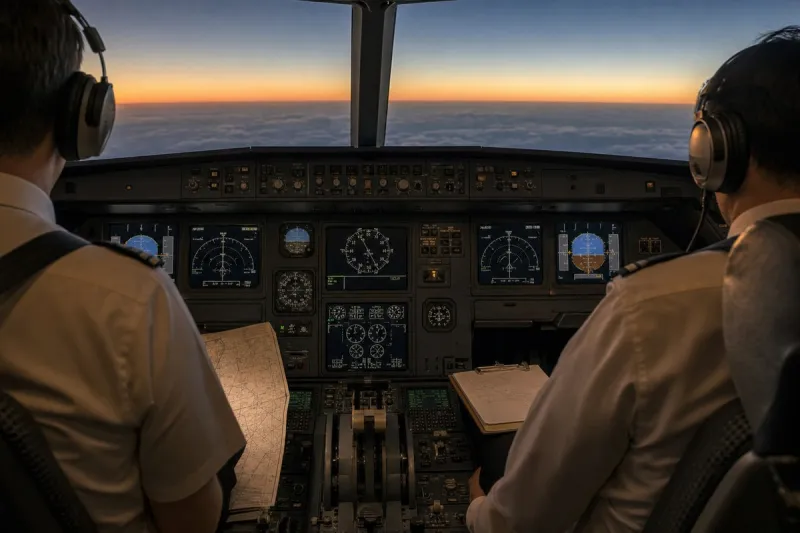
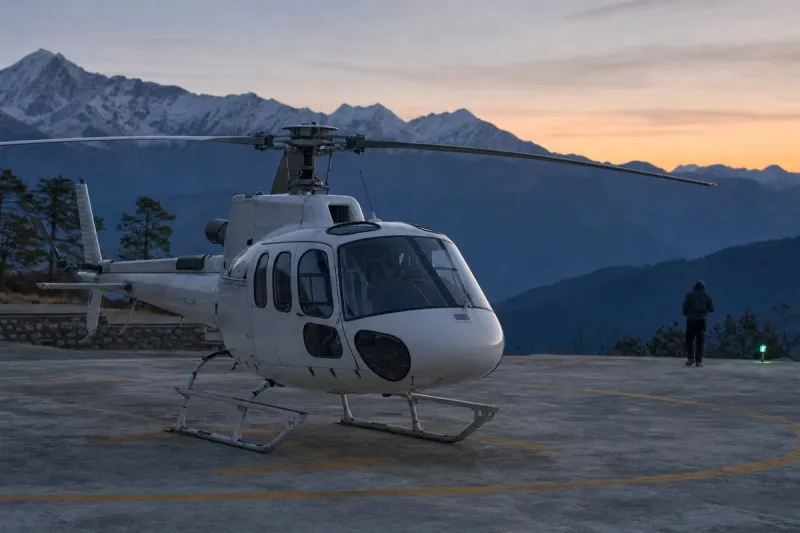
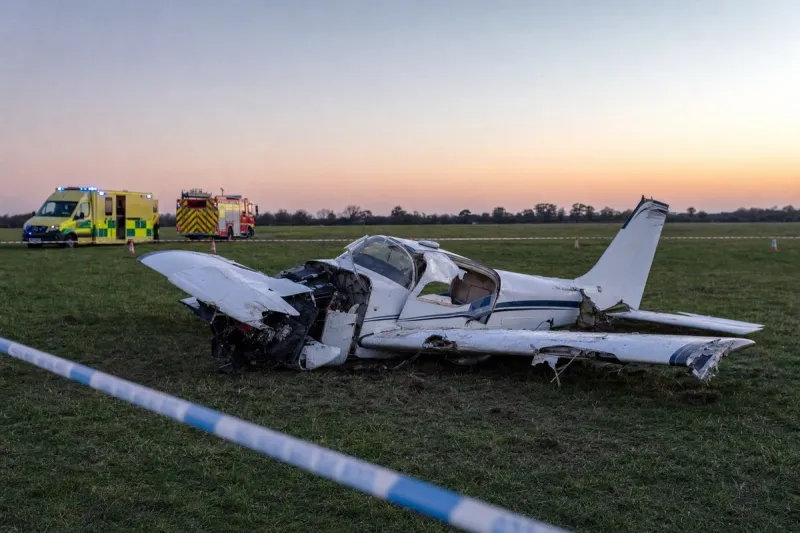
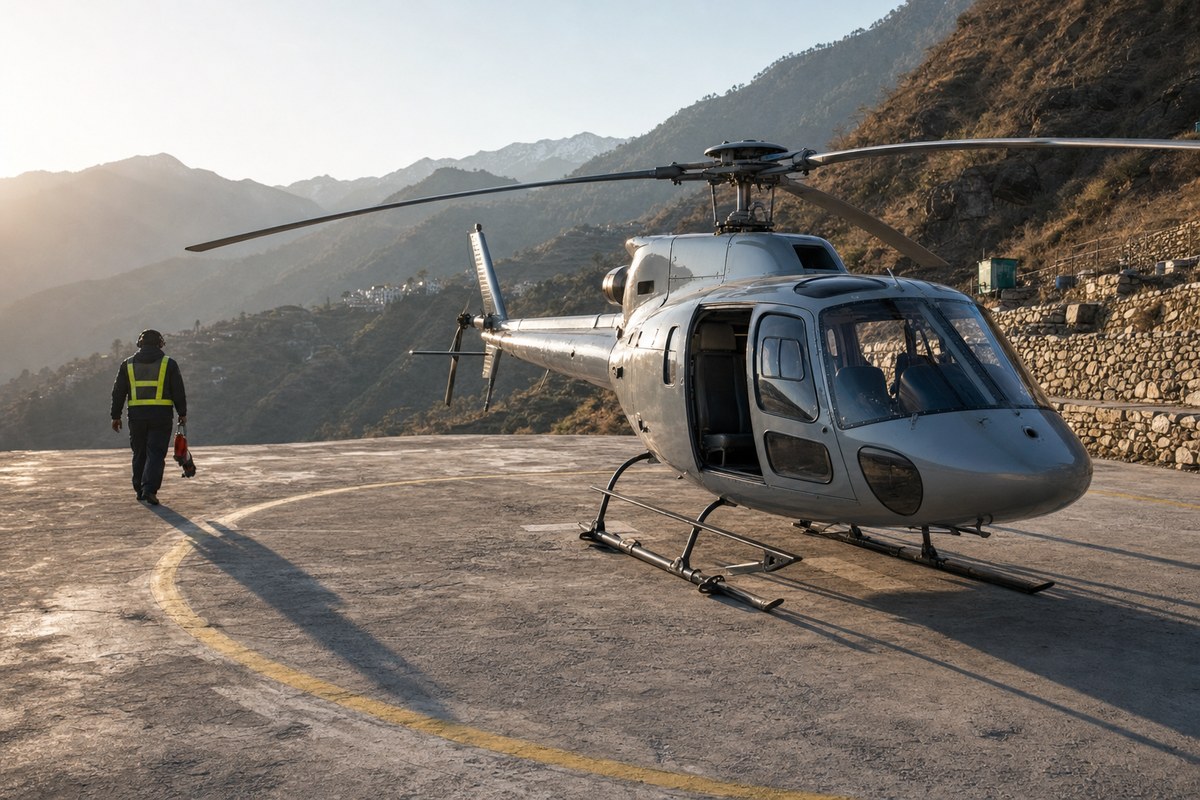
The Uttarakhand Civil Aviation Development Authority (UCADA) on Saturday, October 31, 2026, made it mandatory for helicopters operating on pilgrimage routes to carry a co-pilot. The decision came a day after a helicopter crash in Joshimath on Friday, October 30, killed six people, including the pilot. UCADA Chief Executive Officer Prateek Jain said all charter services under the Char Dham yatra will run with a two-pilot crew configuration, mandatory from November 2.
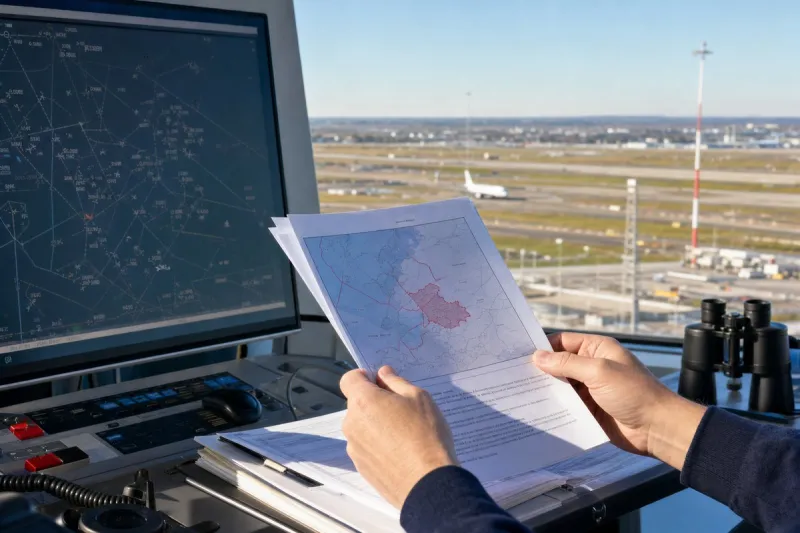
UCADA also made it compulsory for all pilots to submit a report to the authorities after every flight, detailing weather conditions and other important operational information. Jain said the reporting system is being developed and a standard format for pilots to fill in is being prepared. The information will help pilots scheduled for subsequent flights assess conditions. Prior approval from UCADA's Helicopter Operations Officer will now also be required for the take-off and landing of every flight.
The decisions were taken at a high-level meeting of UCADA with officials of the Directorate General of Civil Aviation (DGCA). According to sources, the two-pilot requirement will not apply to helicopter services in Kedarnath, and a pilot above the age of 60 may serve as co-pilot provided they are qualified to operate in mountainous regions.
Teams from the DGCA and the Aircraft Accident Investigation Bureau (AAIB) reached Joshimath on Saturday and spoke with local residents as part of the investigation into the crash. Accompanied by UCADA officials, they are scheduled to visit the accident site and gather further evidence. Rescue teams were working to recover the bodies of the six victims from the remote, mountainous site in Chamoli district.
Industry impact & what to watch
Crew-composition rules for helicopter tourism and pilgrimage flying are often tightened after an accident rather than set in advance, and this case follows that sequence on a compressed timeline: a crash on Friday, new requirements announced Saturday, and a start date of November 2. For operators serving the Char Dham circuit, a second qualified pilot in the cockpit is a direct cost and scheduling matter, since each charter now needs two crew members where some previously flew with one.
The other measures change how operations are run day to day. A post-flight weather report, once the standard format exists, turns each pilot's observations into shared information for the next departure in terrain where conditions shift quickly. Prior approval from the Helicopter Operations Officer for every take-off and landing adds a clearance step that sits with the state authority, not the operator, and its effect on turnaround times and peak-season throughput will depend on how quickly approvals are handled.
The exemption for Kedarnath services and the allowance for co-pilots over 60 who are qualified for mountain flying mean the requirement will not apply uniformly across routes or crews. The next milestone is the DGCA and AAIB site visit and evidence gathering in Chamoli district; findings from that work, rather than the interim measures, will determine whether any further changes to pilgrimage-route operating rules follow.