Spain's UGT and CCOO Call 24-Hour General Strike for Nov. 11, Raising Flight and Rail Disruption Risk
Why It MattersA general strike hits every sector at once, so airport and rail disruption is set by ground-handling participation and government-set minimum services rather than by any airline or airport decision.
What happened
Spain's two largest unions, UGT and CCOO, have called a 24-hour general strike for Wednesday, November 11, 2026, running from 00:00 to 23:59. It is the first joint general strike by the two unions since November 2012. The date was announced on October 7 over the housing crisis, wages and the cost of living, and it falls 18 days before the snap general election on November 29.
CGT and CNT have also joined the call, and unions including CGT and CNT registered it with the Labour Ministry on October 19. Because it is a general strike rather than a transport-only strike, it covers all sectors at once.
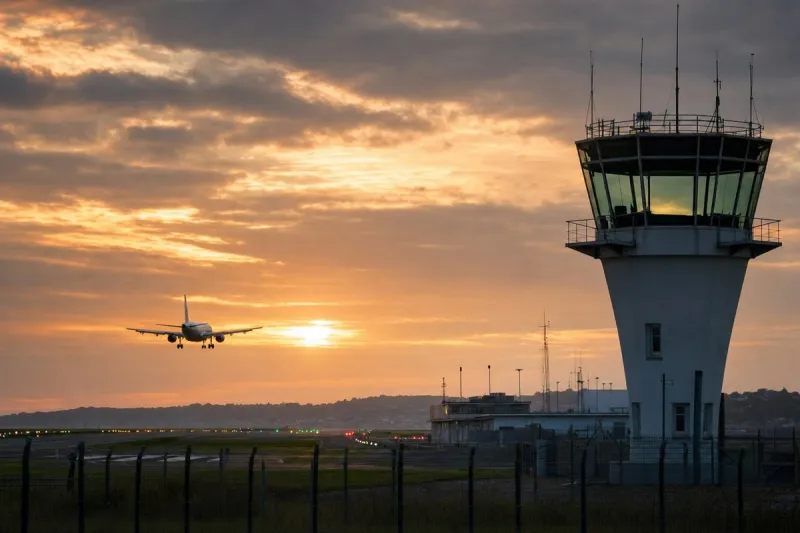
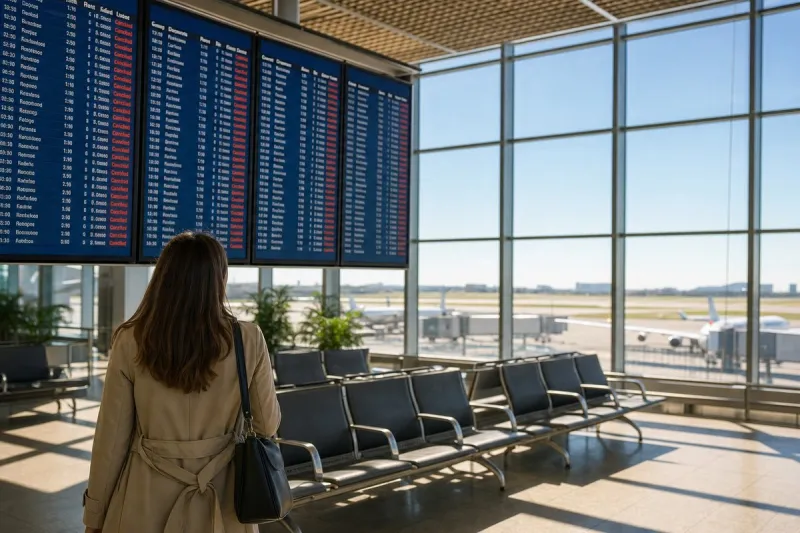
Airports do not close during a general strike and flights are not cancelled automatically. As of late October, no airline or airport had announced cancellations or free changes, and the Transport Ministry had not yet published minimum services for transport. Catalonia's government will set its own minimum services for Barcelona's Metro, FGC and R lines.
Separately, Ouigo (Spain) drivers are due to strike on November 2, 6 and 9.
Rail, roads and the 2012 reference point
Rail and public transport are considered highly exposed, including Renfe high-speed (AVE), long-distance and Cercanías services, as well as the Madrid and Barcelona metros and local buses. Protest marches in major cities could also block roads and slow airport transfers and taxis.
For reference, minimum services in 2012 were around 20% of AVE and long-distance trains and around 30% of Cercanías trains, rising to 35% at peak. Press reports then put cancellations at about 700 flights a day. The government has not confirmed minimum services for 2026.
Passenger rights and travel advice
A flight cancelled by a strike outside the airline's control generally entitles passengers to a refund or rebooking but usually not compensation, whereas a strike by the airline's own staff may allow EU261 compensation. Many travel insurance policies exclude strikes announced before cover was bought, and this strike was announced on October 7.
Travellers are advised to check airline updates from November 7 and again on November 9–10, and to allow extra time to reach airports.
Industry impact & what to watch
A general strike works differently from an aviation-specific walkout. The unions' call does not itself cancel a single flight; the outcome at airports is decided by how many ground-handling, check-in, security and baggage workers actually stop work, and by the minimum services the authorities impose. That makes the operational picture for airlines and airports unusually dependent on decisions taken outside the aviation sector, and it tends to be visible only in the last days before the strike date.
The ground leg matters as much as the air leg. With rail and urban transit rated as the most exposed, and marches able to block roads, the realistic failure point for many passengers and crews is the transfer to or from the airport rather than the aircraft itself. Rail minimum percentages from 2012 give a rough scale for what services can look like, but they are a past benchmark and not a forecast.
The next dated markers are the Transport Ministry's publication of minimum services, Catalonia's own set for Barcelona, and the Ouigo driver strikes on November 2, 6 and 9, which will show how rail operations hold up before the general strike itself.