United Boeing 757 Declares Mayday Over Fuel After Go-Around at San Francisco; Lands Safely 14 Minutes Later
Why It MattersDisputed wording around a Mayday call shows that fuel emergency declarations are a pilot judgment, so the same event can be described differently by crews, controllers and airlines.
What happened
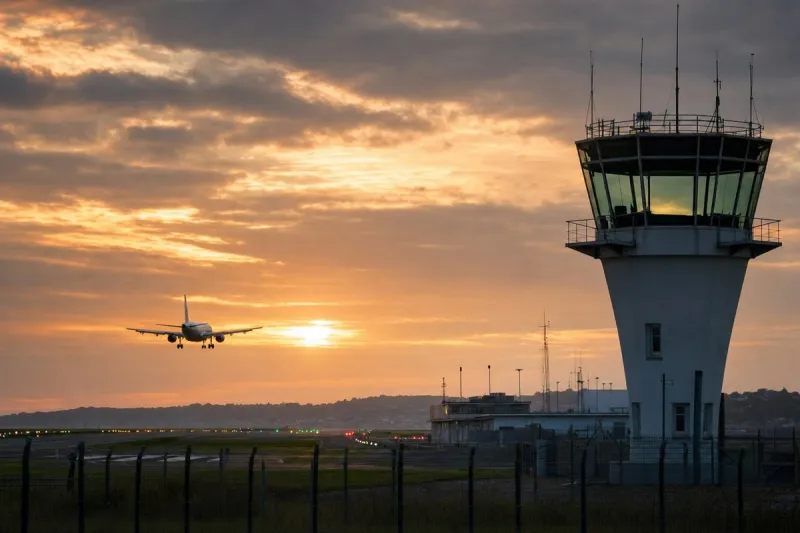
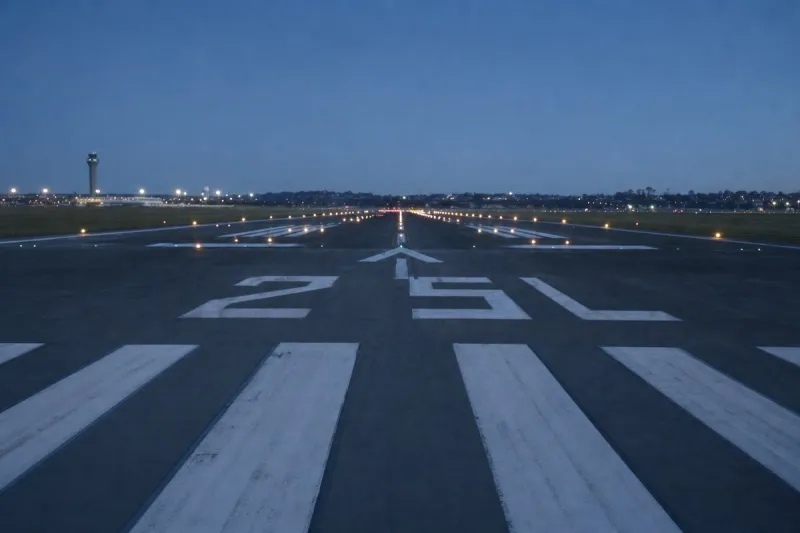
United Airlines flight UA1023, a Boeing 757-200 registered N19117, was flying from Boston Logan International Airport (BOS) to San Francisco on the morning of Friday, October 30. On final approach to Runway 28R it carried out a go-around. ADS-B data shows the aircraft began climbing at around 75 feet shortly after 11:11 AM local time.
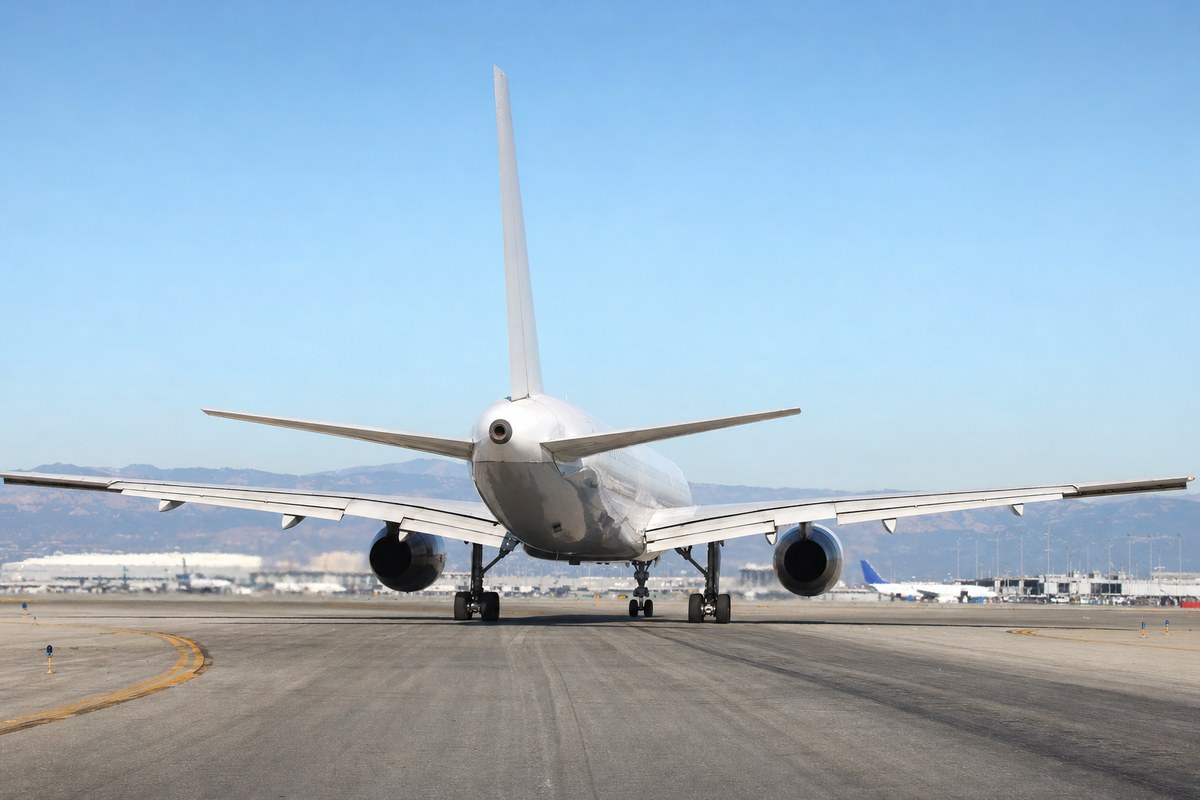
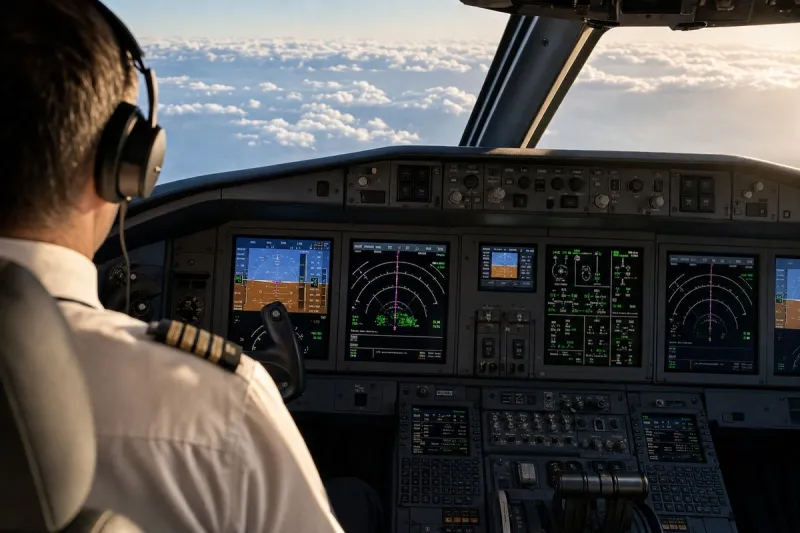
Air traffic control had cleared the aircraft to land on Runway 28R and warned the crew about wake turbulence from a Boeing 787 that had landed ahead of it, as well as a slight five-knot tailwind. After the go-around the crew transmitted "Mayday, Mayday, Mayday, fuel emergency," climbed to 5,000 feet and reported 5,200 lbs of fuel remaining.
The aircraft was cleared to land on Runway 28R a second time and touched down at 11:24 AM, about 14 minutes after the go-around. There were 97 people on board, 91 passengers and six crew, and no injuries were reported.
United Airlines told Simple Flying that "the crew did not declare an emergency." The crew can nevertheless be heard using the word "Mayday" on the radio, though the aircraft did not change its transponder squawk code.
Industry impact & what to watch
Fuel emergencies sit in a gray zone of aviation procedure. Pilots can first declare "minimum fuel" to tell air traffic control they cannot accept further delay, and then declare an emergency with a "Mayday" call if the situation becomes more urgent, which lets controllers prioritize the landing. A fuel emergency does not necessarily mean the aircraft is moments from running out of fuel; it means the remaining fuel requires immediate attention and further delays cannot be accepted.
That explains how an airline statement and a radio recording can point in different directions. A squawk code change is standard protocol in emergencies but is not necessarily required when the crew has already communicated the situation by radio, and whether to declare an emergency at 5,200 lbs, a figure close to the minimum threshold for a Boeing 757-200, is at the pilots' discretion. The call itself is a safety tool, and the decision to use it rests with the crew in the cockpit.
The event also followed another United fuel-related emergency by five days. On Sunday, October 25, United flight 1854 from Grand Cayman (GCM) to Houston (IAH) declared an emergency after its right main landing gear failed to extend, with the pilots later reporting 10 to 12 minutes of fuel remaining. The two cases differ in cause, yet each ended with a safe landing and no reported injuries.