Cirrus SR22, Built Around a Whole-Airplane Parachute, Has Topped Piston Single Sales Every Year Since 2003
Why It MattersA single safety-led design feature, paired with training that changed how pilots use it, has anchored one manufacturer's lead in the piston single segment for over two decades.
What happened
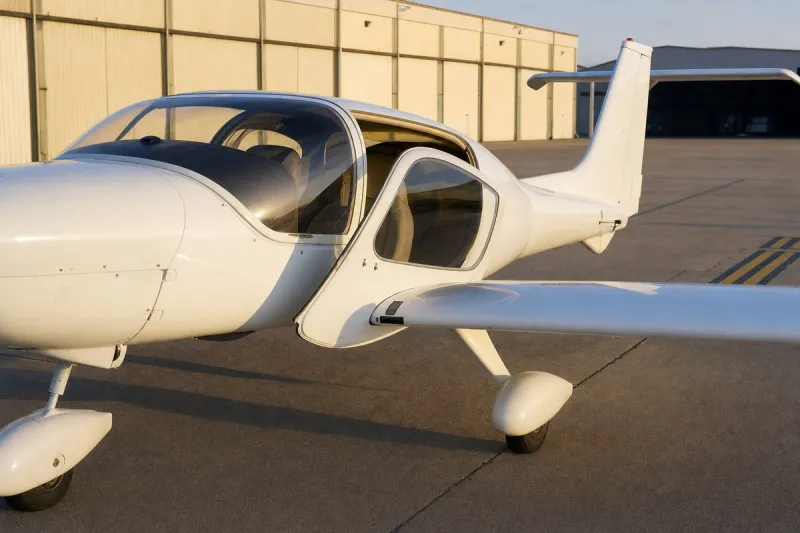
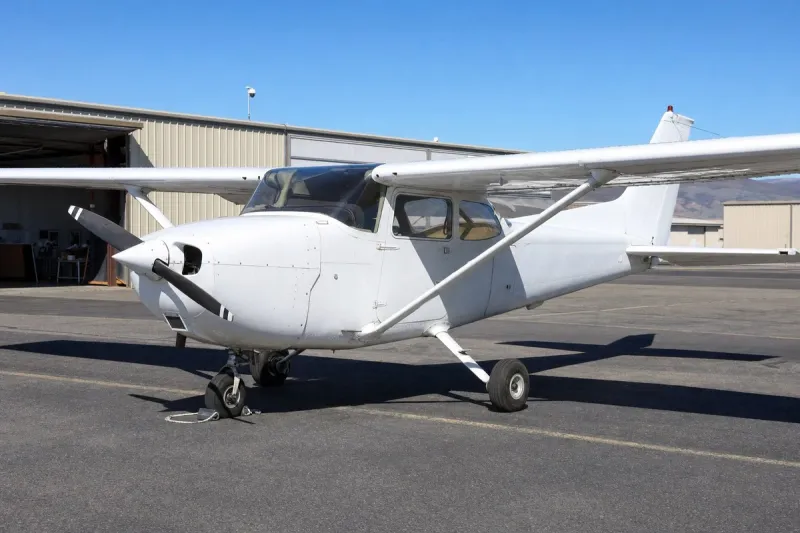
The Cirrus SR22, which entered the market for the 2001 model year, has been the best-selling piston single since 2003, with its Cirrus Airframe Parachute System (CAPS) the central design feature. Before its arrival, the light aircraft market was dominated by aluminum designs from manufacturers such as Cessna and Piper. The SR22 uses rivet-free fiberglass and carbon fiber composites, and its wings have a NASA-designed discontinuous "cuffed" leading edge intended to make the outer wing resistant to stalling and spins.
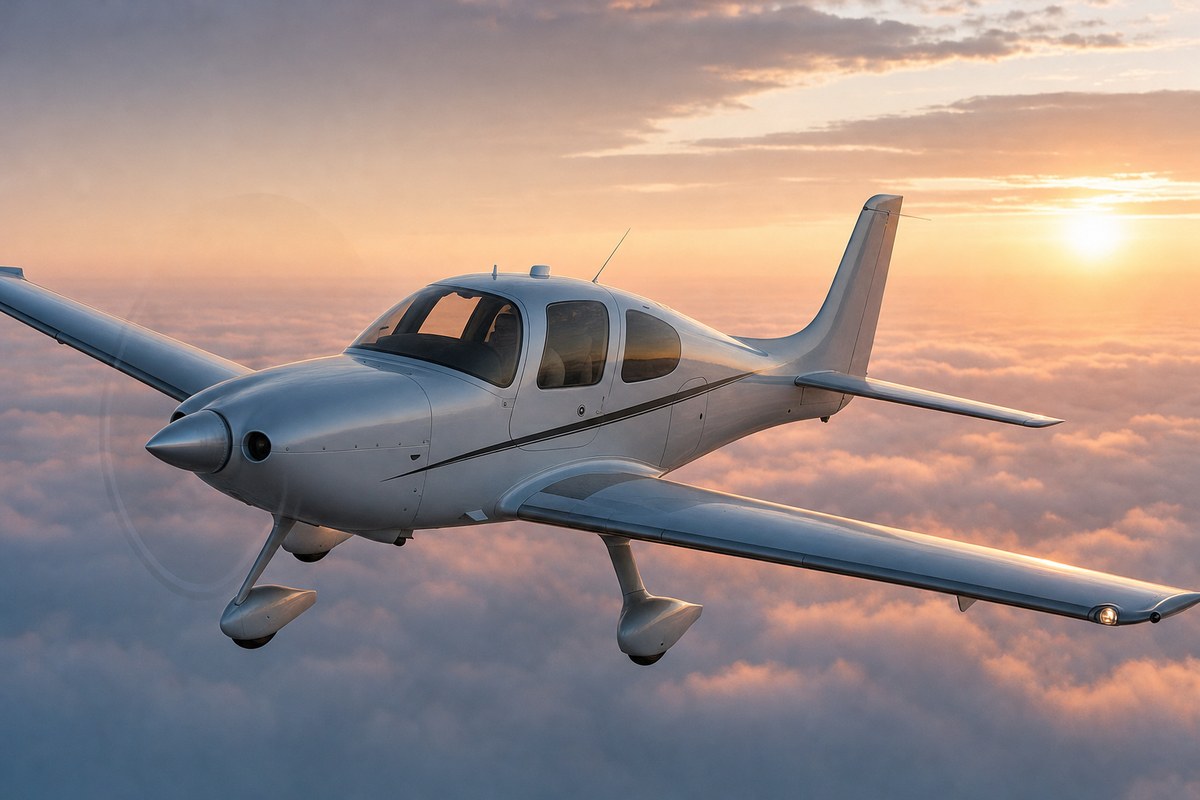
Cirrus says its market share exceeds 50% of global single-engine piston aircraft. As of early 2026, the company has delivered over 8,700 SR22 and SR22T aircraft and more than 11,000 SR-series aircraft in total. The turbocharged SR22T topped the piston single sales list in 2025 with twice as many sales as the Cessna Skyhawk and the Piper Archer. Delivery counts for 2025 differ by account: one puts Cirrus at 691 planes, with the SR22 and SR22T making up 70-80% of the total, while the Star Tribune reports 797 deliveries, up 9% from the prior year, against 639 for Textron.
Founders Alan and Dale Klapmeier built the airplane around safety; according to the Smithsonian, Alan barely survived a midair collision in 1985 and vowed to put a parachute in every future Cirrus. The SR20 arrived in 1999 with a composite airframe, side-mounted yoke and CAPS, which was initially mocked as a marketing gimmick. AOPA says Cirrus fitted parachutes to all its aircraft starting in 1998, that it was the first parachute produced in an FAA-certified airplane, and that Cirrus remains the only company including a whole-airframe parachute as standard equipment on every certified model it builds.
In the mid-2000s, inexperienced pilots flew into severe weather, icing and thunderstorms, and in many early fatal crashes pilots never pulled the handle. By 2011 the SR22 fatal accident rate reached 1.6 per 100,000 flight hours, against a general aviation average of 1.2. Cirrus and the Cirrus Owners and Pilots Association (COPA) changed emergency training to stress immediate deployment; by 2014 the SR22 rate had fallen to 0.42. The company advises deploying at or above 2,000 feet above the ground, and AOPA relays the advice to "pull early and pull often."
In 2003 the SR22 became the first single-piston-engine airplane certified with a glass panel; the aircraft in the Smithsonian collection is registered N266CD. Cirrus introduced the SR Series G7+ in 2025 with Safe Return Emergency Autoland, built with Garmin, as standard equipment. Cirrus says it is the first FAA-approved autonomous emergency landing system in a single-engine piston airplane. Anyone aboard can start it with an overhead button, and it can start on its own if the pilot stops responding. AVweb reports it handles navigation, radio calls, a precision approach, landing and engine shutdown.
Industry impact & what to watch
The Cirrus record shows how a feature first dismissed as a marketing gimmick can reshape a segment dominated by long-established aluminum designs. Safety became the product, and it carried the SR-series from a newcomer to the sales leader in piston singles, with the turbocharged SR22T now outselling the Skyhawk and Archer by a wide margin.
The accident-rate history carries a second lesson about how safety equipment works in practice. A parachute fitted to every aircraft did not by itself lower the fatal accident rate, which stood at 1.6 per 100,000 flight hours in 2011 against a general aviation average of 1.2. The drop to 0.42 by 2014 followed a change in training emphasis toward immediate deployment. For buyers, insurers and flight schools, the equipment and the training around it are evaluated together.
The G7+ extends the same logic from the pilot's decision to the aircraft's own. With Safe Return Emergency Autoland standard, the question of whether a pilot acts in time is partly handed to the airplane. Competitors in the piston single segment that sell safety systems as options will be measured against a standard-equipment baseline, and the sales lead in both 2025 delivery counts is the figure that will show whether that baseline keeps converting into market share.