United Airlines CEO says Boom Supersonic's 2029 Overture delivery target will not be met
Why It MattersA launch customer publicly doubting an airframe's delivery date shows how far supersonic programmes depend on certification timing and non-aircraft revenue to stay funded between order books and production.
What happened
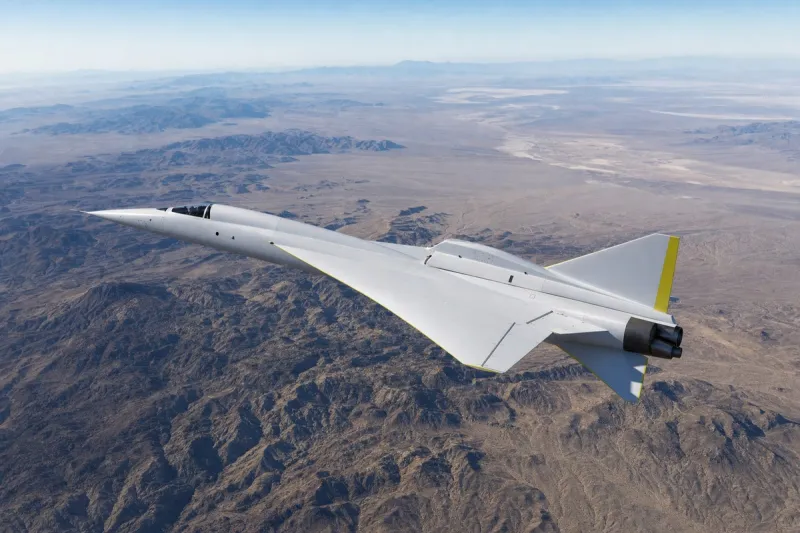
United Airlines CEO Scott Kirby has publicly said that Boom Supersonic's target of a first Overture delivery in 2029 will not happen and that it will take longer. Ars Technica carried the remarks in an Oct. 30 report. Kirby also voiced concerns about Overture's development and the U.S. Federal Aviation Administration (FAA) certification process, saying there are many obstacles to overcome and no guarantee they can be overcome. In March he had put the chances of Overture entering commercial service at 50-50.
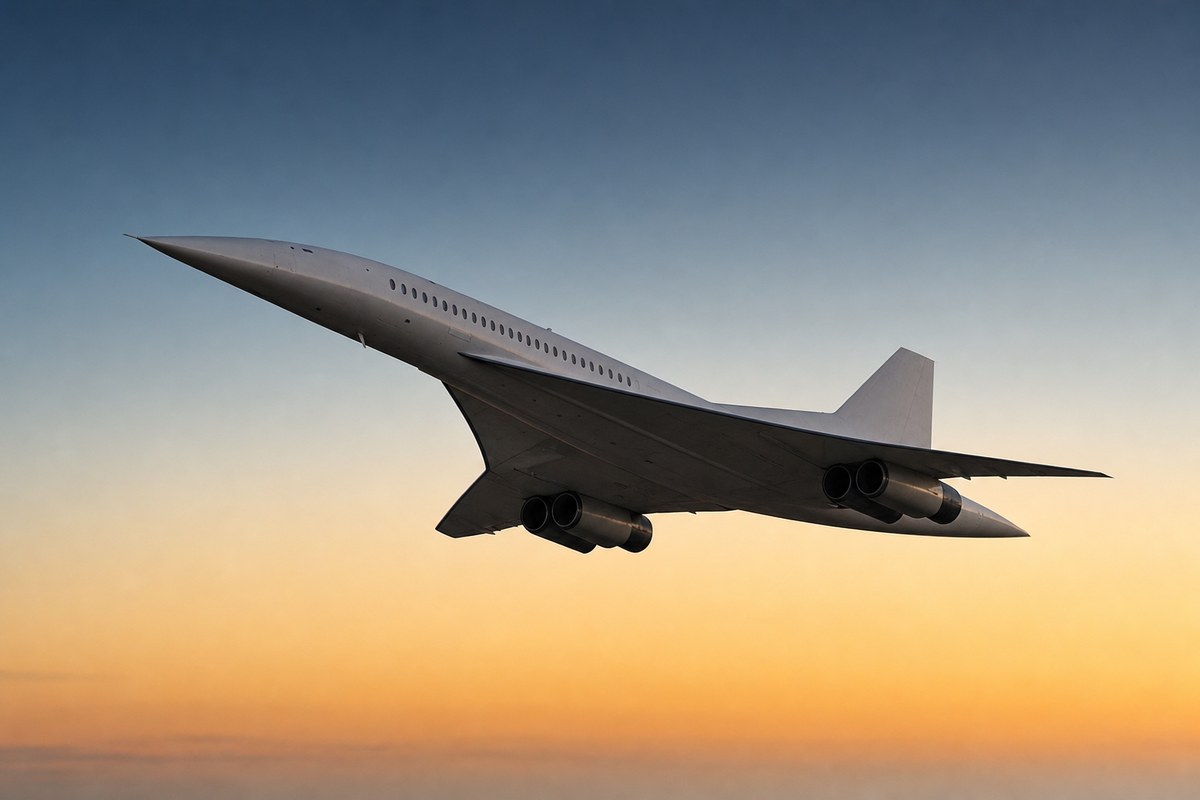
Boom has set a goal of completing certification by 2029 and carrying its first paying passengers. It has signed conditional purchase contracts for Overture with airlines including American Airlines, Japan Airlines and United Airlines. United paid non-refundable deposits, and the amounts were not disclosed.
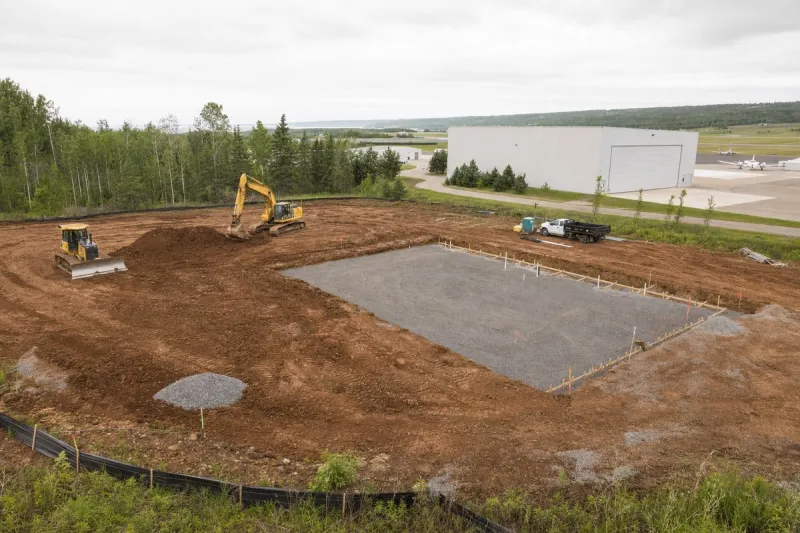
The regulatory backdrop has shifted. Following an executive order by U.S. President Donald Trump, the FAA in June proposed new rules that would reverse the ban on commercial supersonic flight over U.S. airspace. Boom completed an Overture production plant in 2024 at Piedmont Triad International Airport in Greensboro, North Carolina, but most of the facility has since remained unused. North Carolina invested more than $50 million of public funds in its construction.
Boom is meanwhile expanding into natural-gas turbines for AI data centres. On Oct. 22 it unveiled a production plant in Centennial, Colorado, for a 42-megawatt turbine called Superpower. Initial deliveries are planned for mid-2027, with production of 25 units a year in 2028 and 50 units in 2029.
On Sept. 25 CEO Blake Scholl said on X that a deal to supply 29 turbines worth $1.25 billion to data-centre developer Crusoe had been cancelled. He said Boom plans to supply about 250MW of Superpower at another site next year, without naming the customer. Boom is developing Superpower and the Symphony engine intended for Overture around shared technology. It said it has completed a prototype turbine core called Sprint Core, to be tested at the Colorado Air and Space Port, with first ignition targeted before Thanksgiving.
Industry impact & what to watch
Launch-customer scepticism is a different signal from a competitor's. An airline holding conditional contracts and non-refundable deposits has money at stake and an interest in the aircraft arriving, so a public statement that the date will slip carries more weight than analyst commentary. For a clean-sheet airframe the order book is a statement of intent; the binding constraint is certification, and a certification date set years ahead tends to move as the work proceeds.
The turbine business shows how a programme of this kind sustains itself while the aircraft is still unfinished. Boom is building a revenue line that shares technology with the Overture engine and does not depend on FAA type certification, and that logic is common to long-dated aerospace development. The Crusoe cancellation also shows that such side revenue is itself exposed to customer decisions, so it cushions the airframe schedule without removing the risk.
The dates that would test Kirby's read are those the company has set itself: first ignition of Sprint Core before Thanksgiving, Superpower deliveries in mid-2027, and the 2029 certification goal. The FAA's June proposal on supersonic flight over U.S. airspace is the regulatory item still moving.