Boeing 737 MAX 10 Can Land at Airports Where Full-Load Takeoff Is Restricted, Due to Runway Performance Limits
Why It MattersStretching a single-aisle jet without enlarging its wing or engines moves its binding constraint from landing to departure, so route economics hinge on runway length, temperature and altitude rather than range.
What happened
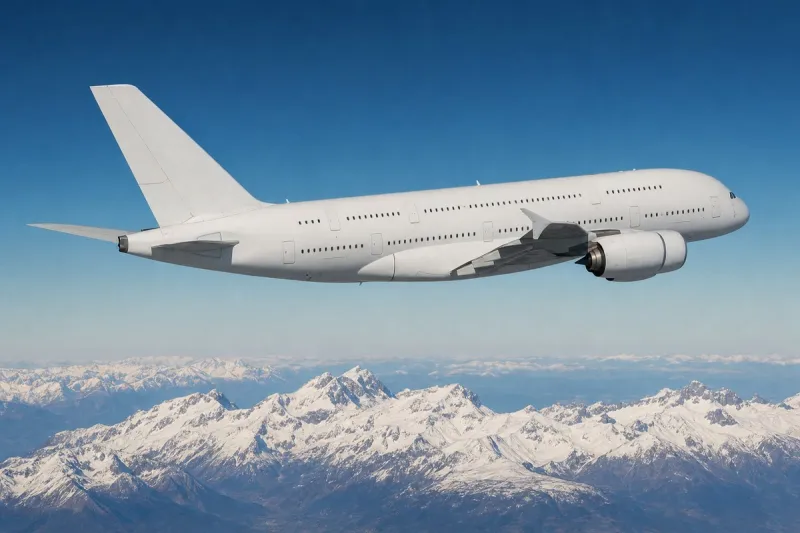
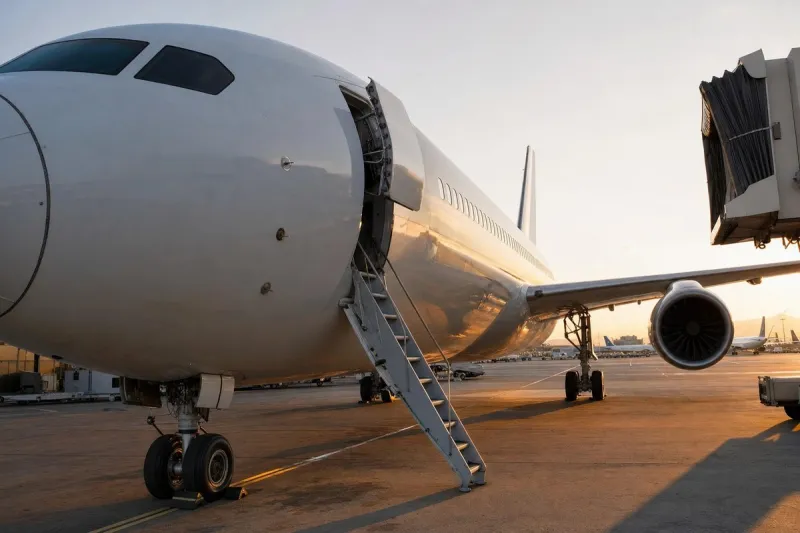
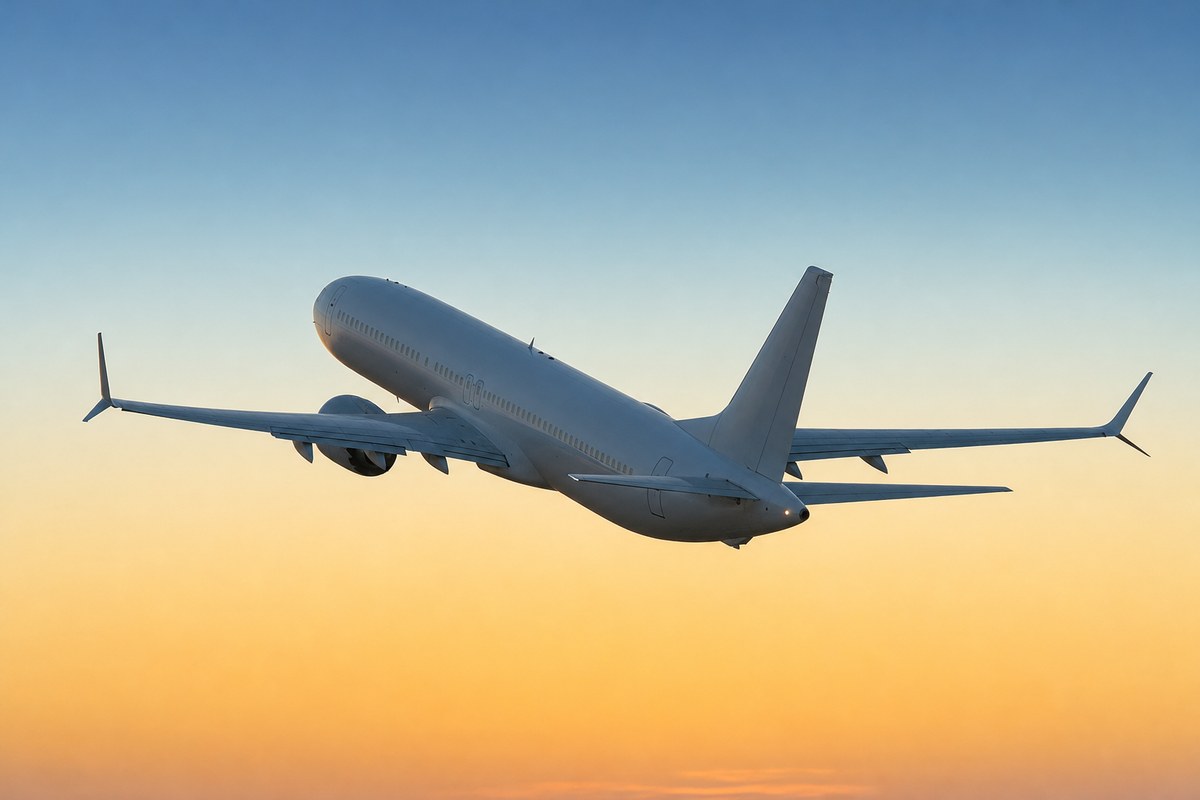
The Boeing 737 MAX 10 is the longest single-aisle airliner Boeing has built. It seats up to 230 passengers and has a maximum takeoff weight of 197,898 lb (89,765 kg). It keeps the wing area and CFM LEAP-1B engines of its smaller siblings, which produce roughly 29,300 lbf (130 kN) of thrust per side.
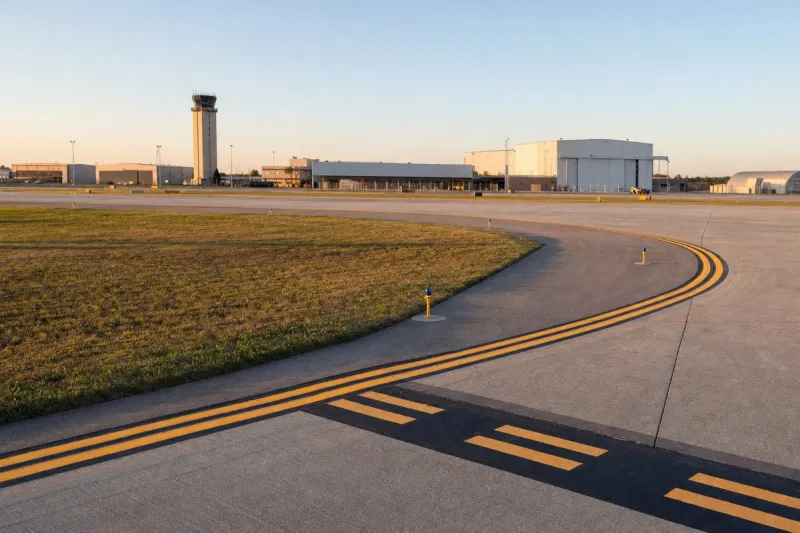
According to The Boeing 737 Technical Site, at maximum structural landing weight the aircraft needs about 5,900 feet (1,800 meters) of runway in standard conditions. EUROCONTROL performance data indicates a fully loaded MAX 10 requires roughly 8,860 feet (2,700 meters) to depart safely at maximum gross weight. That is a gap of nearly 2,960 feet (900 meters). The difference arises because aircraft land lighter after burning fuel, while certified takeoff distances must account for an engine failure at decision speed V1.
To build the MAX 10, Boeing added two fuselage plugs, 40 inches (102 cm) forward of the wing and 26 inches (66 cm) behind it, lengthening the aircraft by 66 inches (1.68 meters) versus the MAX 9. The longer rear fuselage reduced tail clearance during rotation. Boeing's answer is a semi-levered main landing gear with a levered link and telescoping strut, which extends by approximately 9.5 inches (24 cm) during rotation. According to the Boeing 737 Technical Site, this gives the MAX 10 the same tail clearance angle as the MAX 9, and the gear still retracts into the standard 737 wheel well.
The gear adds neither lift nor thrust. Airbus built the A321neo and A321XLR with a larger wing area, more sophisticated trailing-edge flaps and engines, either CFM LEAP-1A or Pratt & Whitney PW1100G, producing over 33,000 lbf (147 kN). Leeham News notes the MAX 10 has a weaker runway performance envelope than the A321XLR at full capacity. On hot days, at high-altitude airports or on short runways, airlines may need to cap takeoff weight by offloading cargo, limiting fuel or blocking seats, according to PlaneRange.
Industry impact & what to watch
The MAX 10 shows what happens when a fuselage is stretched around a fixed wing and engine package. The landing case stays comfortable because the aircraft arrives lighter, while the certified takeoff case, which must absorb an engine failure at V1, becomes the constraint that sets how much the aircraft can carry out of a given airport. For any operator, the question stops being whether the jet can reach a destination and becomes whether it can leave the departure field with the intended payload.
That shifts where the type earns its money. Routes from long, low-elevation runways in mild weather can use the full 230-seat capacity, while departures from short, high or hot airfields push airlines toward offloading cargo, limiting fuel or blocking seats. Against an A321XLR with a larger wing and more thrust, the MAX 10 trades some departure flexibility for the commonality of the 737 family. How much that trade costs depends on the airport mix of each network, so the same aircraft can look efficient on one route map and restricted on another.