Airbus A380 Never Turned a Profit, but Emirates Built Its Fleet Strategy Around the Superjumbo
Why It MattersThe A380 shows that a type which failed commercially for its builder can still pay off for one operator whose hub, slot constraints and in-house heavy maintenance are built around it.
What happened
The Airbus A380 program began in December 2000, and Singapore Airlines put the type into commercial revenue service in October 2007. The aircraft stands over seven stories tall, has a wingspan of 261 feet, 8 inches (79.75 meters), and was developed with more than 380 patents, using carbon-fiber reinforced plastics and GLARE, a glass-reinforced aluminum laminate. Its cabin was designed to cut ambient flight noise by half compared with earlier widebodies.
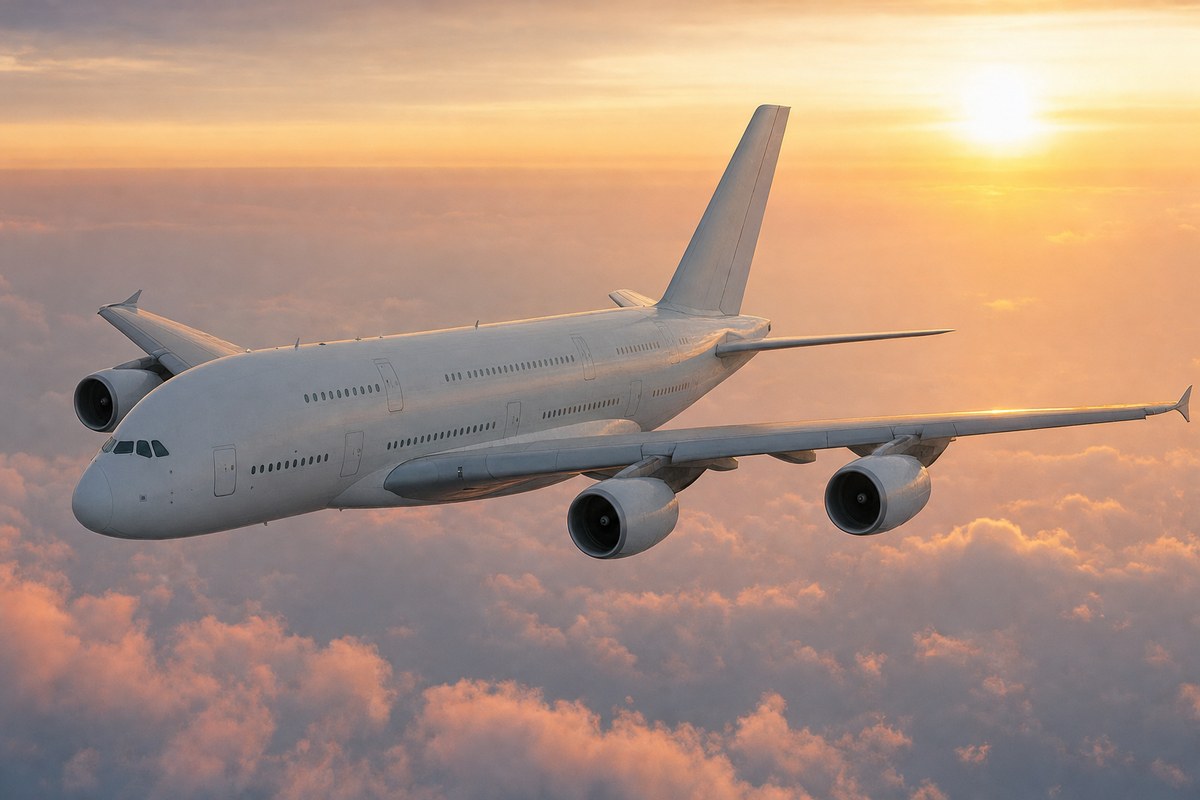
Airbus had projected a market for more than 700 superjumbos. Improvements in the efficiency and reliability of twinjets such as the Boeing 777-300ER and the Airbus A350 allowed point-to-point flying that bypassed crowded hubs. With development costs above $25 billion, the program fell short of its financial targets, and the Toulouse assembly line closed in 2021 after 251 aircraft had been built. Airbus delivered the final aircraft to Emirates.
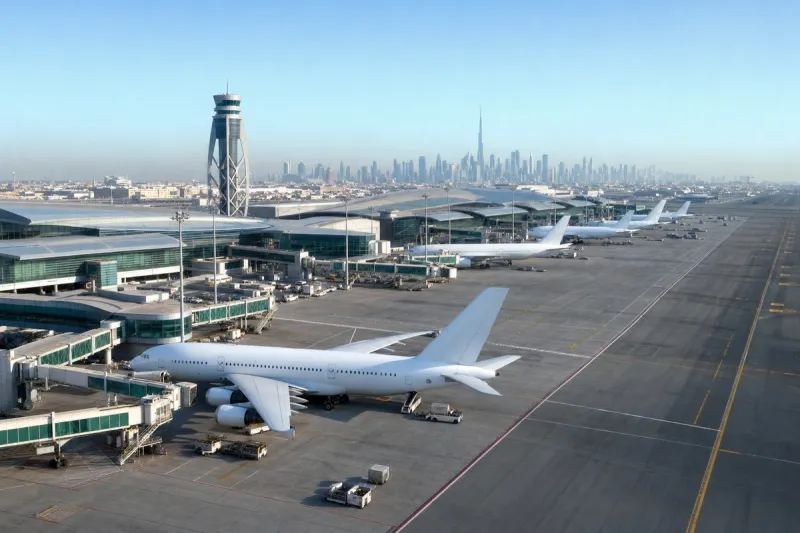
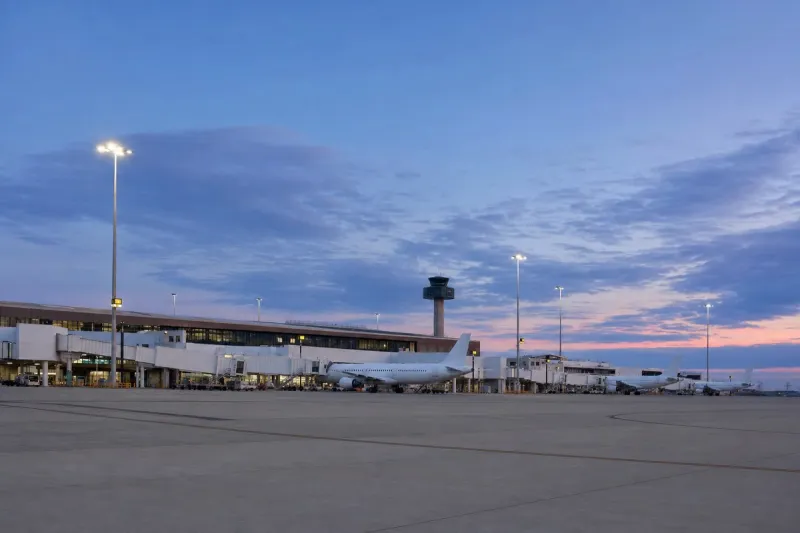
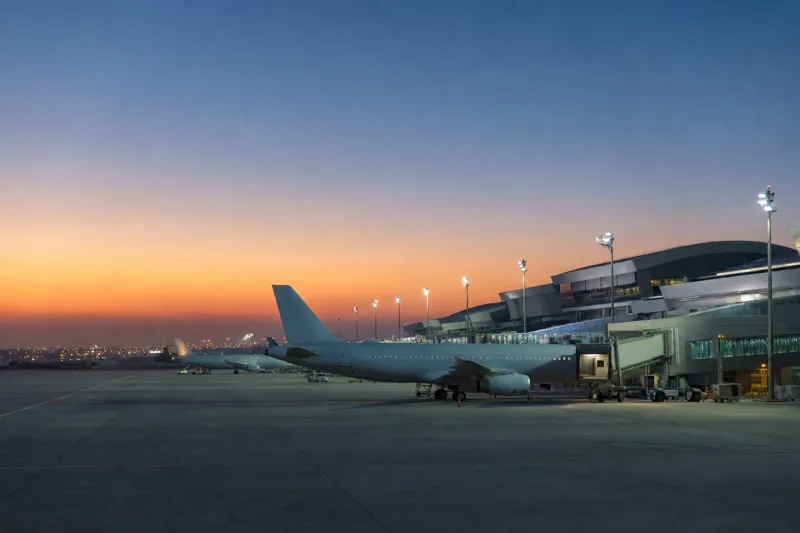
Emirates ordered 123 A380s, nearly half of all those produced, and centered its hub-and-spoke strategy at Dubai International Airport (DXB) on the type. It built Concourse A, described as the first facility purpose-built for double-decker operations, with multi-level jet bridges at every gate.
Emirates has committed over $2 billion to refurbish its A380 fleet. By April 2026, full interior overhauls had been completed on 93 aircraft, adding premium economy cabins, updated first-class shower spas and Starlink Wi-Fi. The airline reactivated stored airframes, bringing its active fleet to just over 110 A380s, and plans to operate the type into the 2040s.
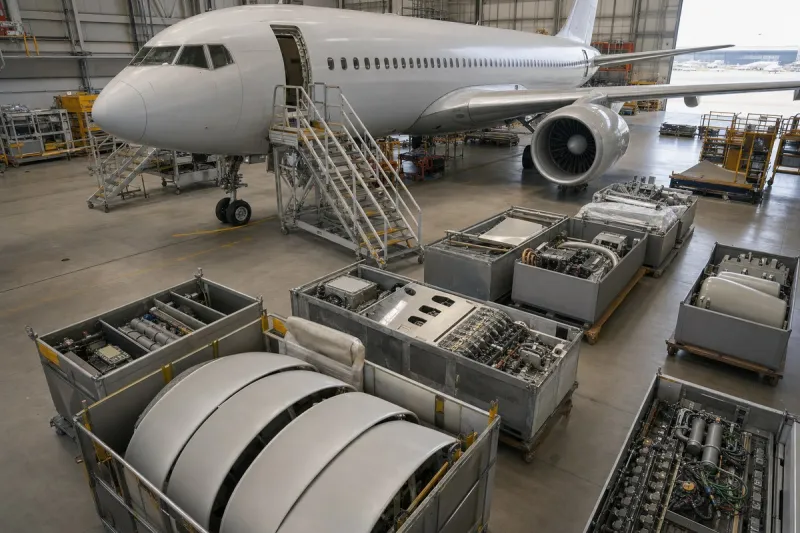
Of roughly 190 A380s remaining on airline active books worldwide, Emirates operates 116, more than the other nine remaining operators combined, including British Airways, Singapore Airlines and Qantas. With Airbus no longer producing airframe parts, Emirates uses its Dubai engineering facilities for heavy C-checks, structural fatigue inspections and engine overhauls, and harvests parts from early-retired airframes on the secondary market.
Industry impact & what to watch
The A380's history illustrates how a forecast built on hub-and-spoke growth can be undercut by a different technology path. Twinjets gained the range and reliability to connect city pairs directly, and the demand for 500-plus-seat aircraft that justified a program costing more than $25 billion never materialised at the scale Airbus projected. For the manufacturer the outcome was a closed line; for the airline that had committed most heavily to the type, it became the basis of a fleet strategy.
The economics that keep the aircraft working at Emirates are specific rather than general. At slot-constrained airports such as London Heathrow (LHR), where twinjets cap per-flight capacity at roughly 350 to 400 seats, an A380 with 500-plus seats raises revenue per gate hour. On routes with load factors consistently above 80%, that capacity offsets the four-engine fuel burn against newer twinjets such as the A350-1000 and Boeing 777X. The same logic does not carry over to thinner routes or uncongested airports, which is why the type survives mainly where hub constraints bind.
Support is the other structural condition. With no new parts coming from Airbus, the fleet's life depends on Emirates' own Dubai heavy-maintenance capability and on cannibalising early-retired airframes, a supply that shrinks as aircraft are retired elsewhere. Emirates itself sees the 777X as the most logical eventual replacement, so the milestone that matters is the point in the 2040s when the airline's plan to operate the A380 gives way to that transition.