Luxembourg Air Rescue and European Air Ambulance Share Nonprofit Roots, Fleet of Five Jets and Integrated Medical Teams
Why It MattersThe case shows a nonprofit model that reinvests earnings and keeps its own jets and medical crews in-house, a structure that sets it apart from investor-owned aeromedical providers.
What happened
European Air Ambulance (EAA) grew out of Luxembourg Air Rescue (LAR), which was founded in 1988 by a group of firefighters led by René Closter with the aim of establishing a rescue helicopter service in Luxembourg. LAR's first fixed-wing air ambulance followed in 1998, enabling repatriations from Europe and North Africa, and a Learjet 35A joined the fleet in 1999 as demand for longer-distance missions grew.

International medical transport developed from LAR's original mission rather than as a separate activity, and EAA became the identity increasingly known to assistance companies, insurers and other partners. Tom Hienckes, Commercial Manager at EAA, said the organisation and its subsidiaries remain on a nonprofit model, independent of private investors and shareholders, with earnings reinvested in people, equipment and capabilities.
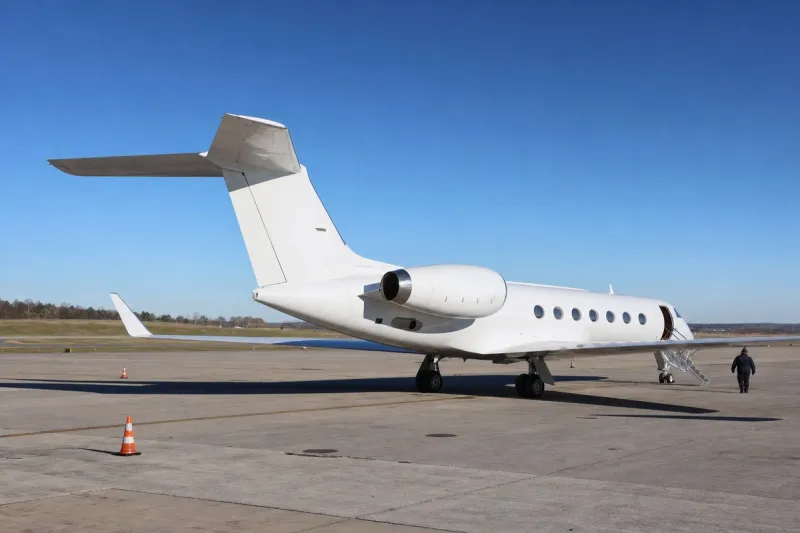
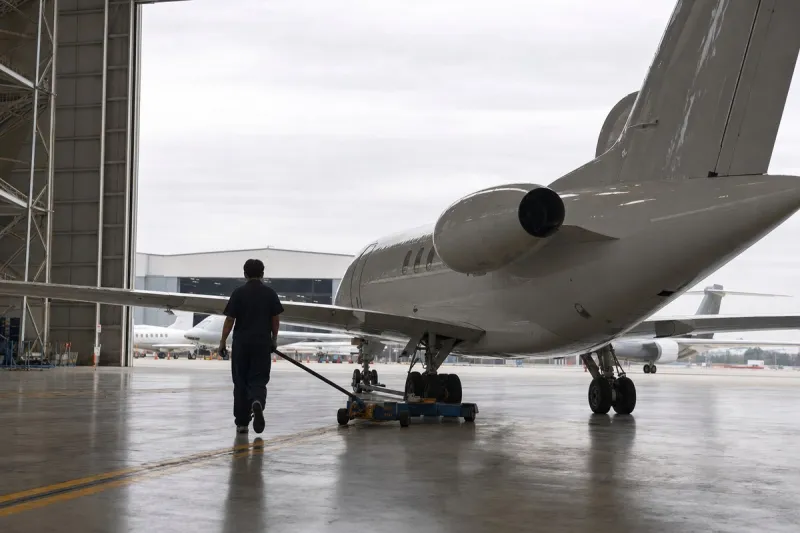
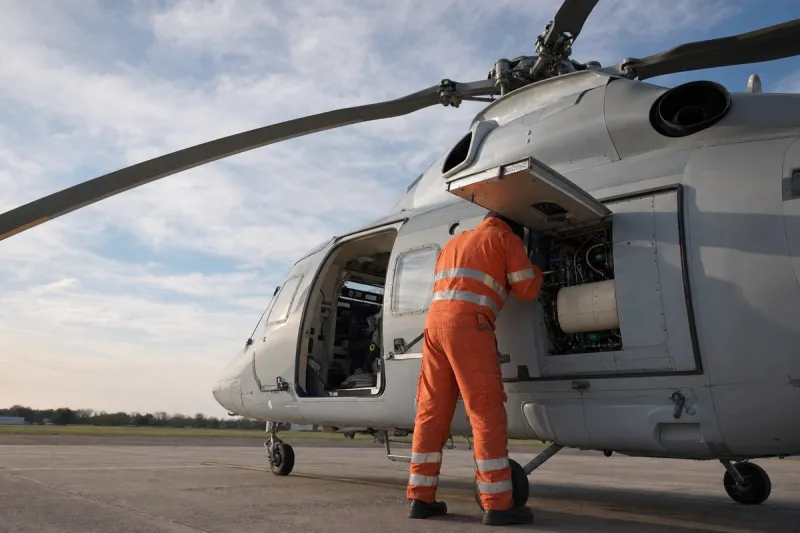
EAA operates two Bombardier Challenger 605s and three Learjet 45XRs, all fully owned, supported around the clock by the Operational Control Centre in Luxembourg. The centre coordinates more than 500 air ambulance flights and several hundred organ flights annually. On the rotary-wing side, LAR operates Airbus H145 rescue helicopters in Luxembourg and neighbouring areas.
Flight nurses and physicians work aboard both EAA air ambulances and LAR rescue helicopters. Around 200 people work for the organisation each day. Hienckes, who is responsible for customer relations, account management and supporting operations across the Challenger 605 and Learjet 45XR fleet, said the aim is not to be the largest aeromedical provider but to be among the best in class.
Industry impact & what to watch
Air ambulance supply is usually discussed in terms of fleet size and coverage, yet buyers such as assistance companies and insurers also weigh who owns the aircraft, who staffs the cabin and who controls dispatch. A provider that owns its jets outright and employs its own flight nurses and physicians holds all three levers, which tends to make availability and clinical standards easier to guarantee on a given mission.
The nonprofit structure points to a different capital logic from investor-backed competitors: earnings go back into aircraft, crews and capabilities rather than to shareholders. Combined with a stated aim of being best in class rather than largest, this positions EAA as a quality-led niche player, a posture that matters most in repatriation and organ-transport work where reliability counts more than price.