US Licenses Boeing to Supply Parts and Aircraft Directly to Belarus's Belavia
Why It MattersSanctions relief that reaches a carrier's OEM supply chain turns a one-off exemption into an ongoing parts-and-fleet relationship, and it puts the burden on diversion safeguards given Belarus's alliance with Russia.
What happened
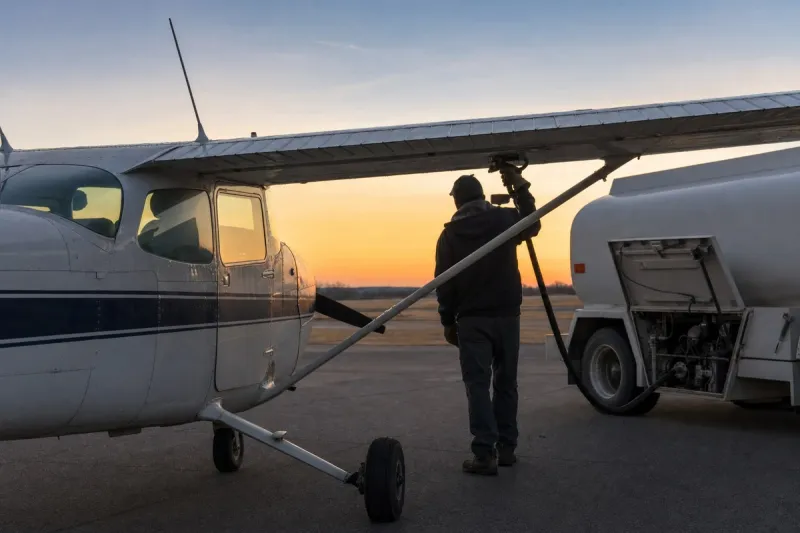
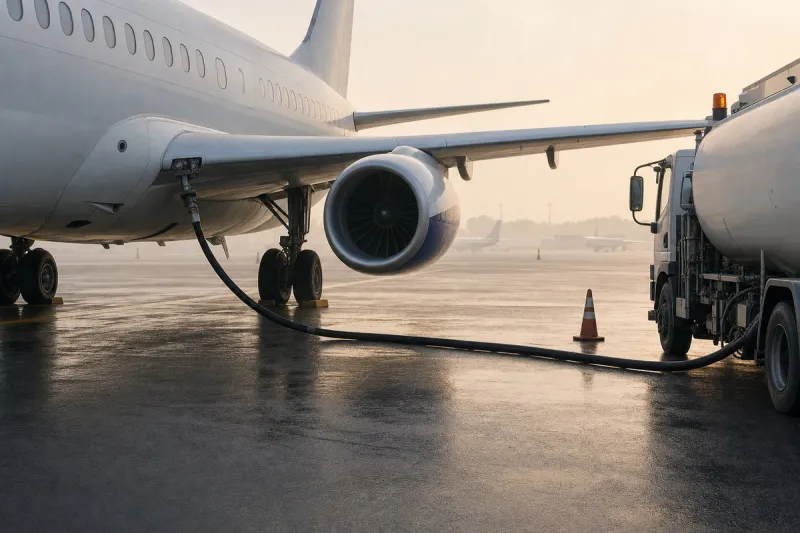
The US Commerce Department has licensed Boeing to resume direct business with Belarusian flag carrier Belavia, covering both spare parts and aircraft. US sanctions on the airline were initially eased in September 2025.
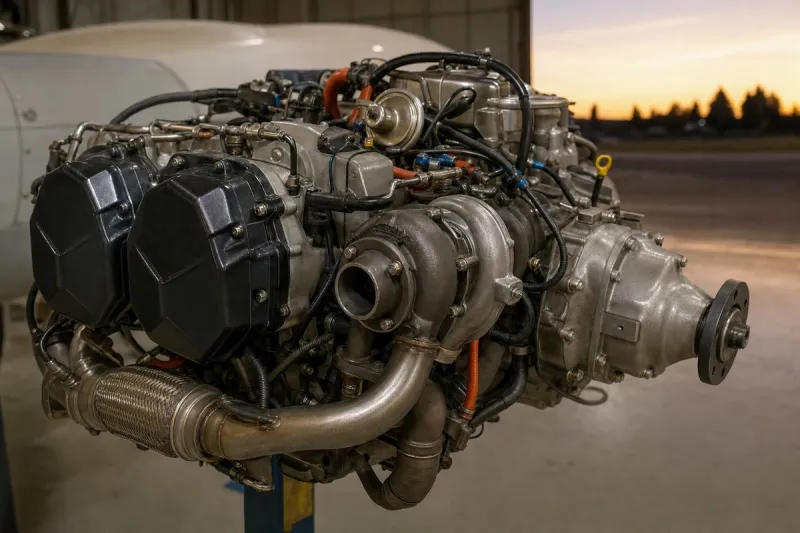
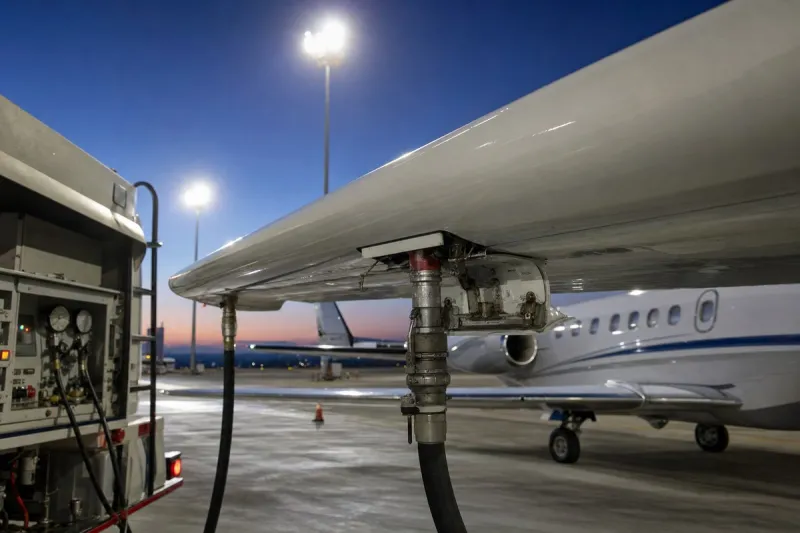
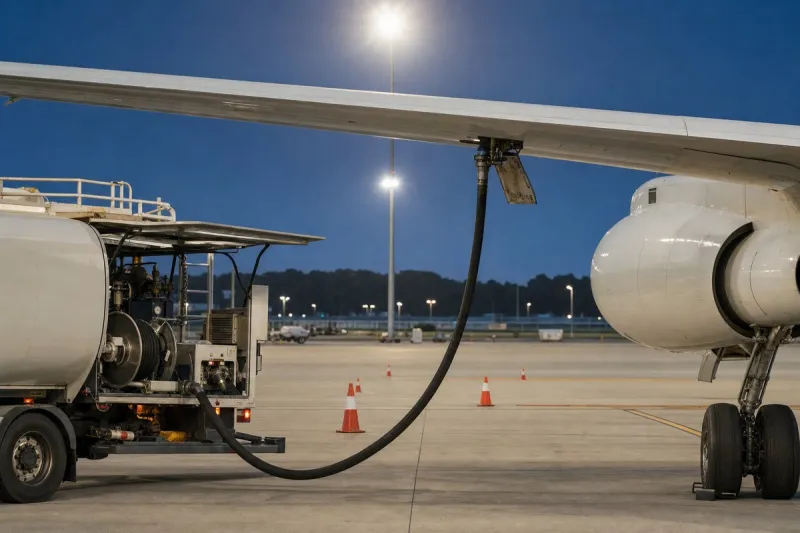
Belavia CEO Igor Tcherginets confirmed on October 31 that the carrier can now "directly obtain spare parts, components and software for the aircraft currently operated by the airline" from Boeing. He added that the US Department of the Treasury had also previously issued such an authorization. According to Tcherginets, the license also opens the way for negotiations on purchasing aircraft directly from Boeing.
The approval has been linked to talks held in Minsk in September, when Belarusian President Aleksandr Lukashenko met US Special Envoy John Coale, who was part of a wider American delegation. Belaruskali CEO Andrei Rybakou, whose personal sanctions have also been lifted, called the authorization "another positive decision."
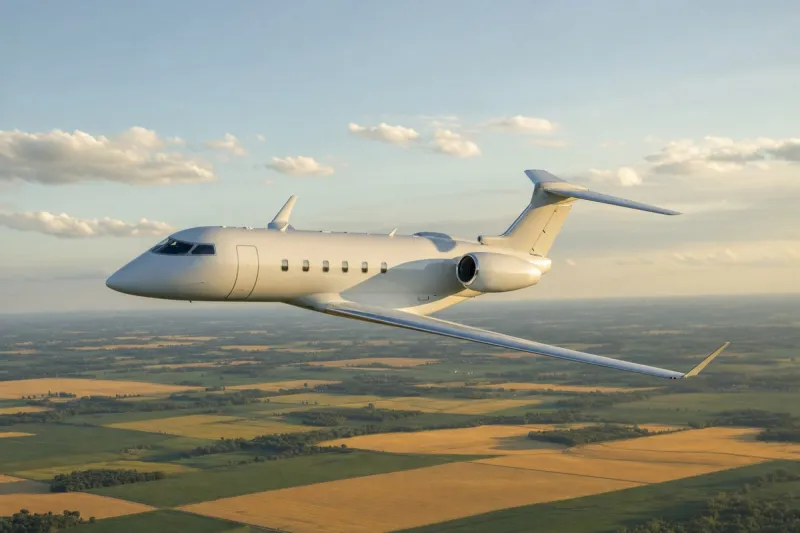
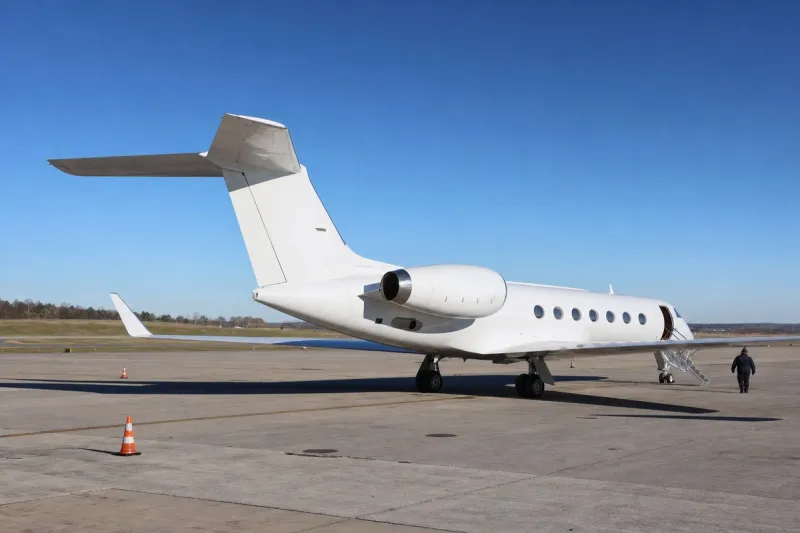
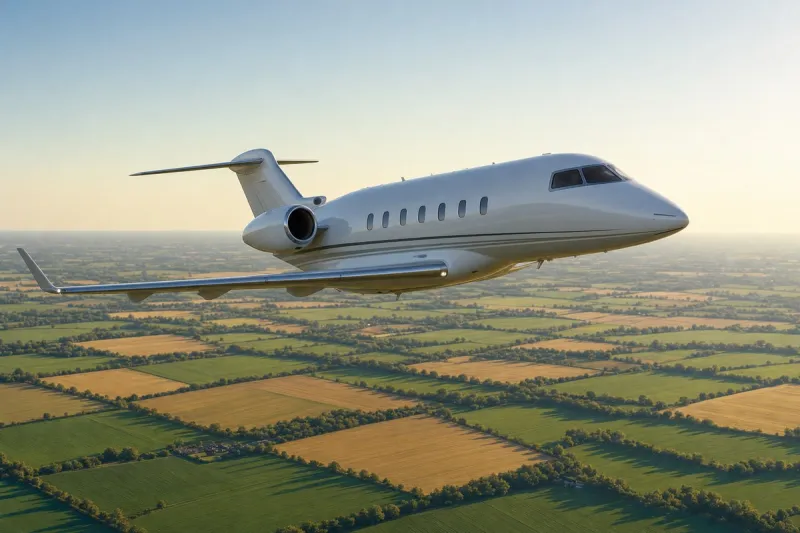
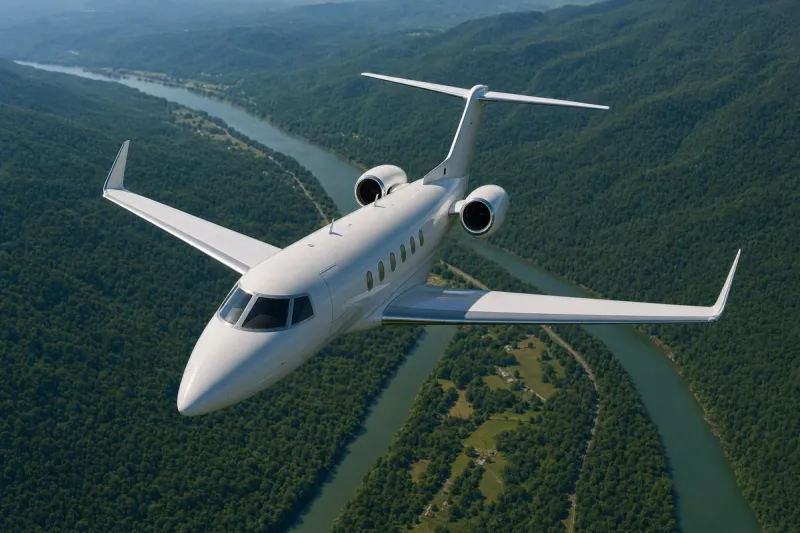
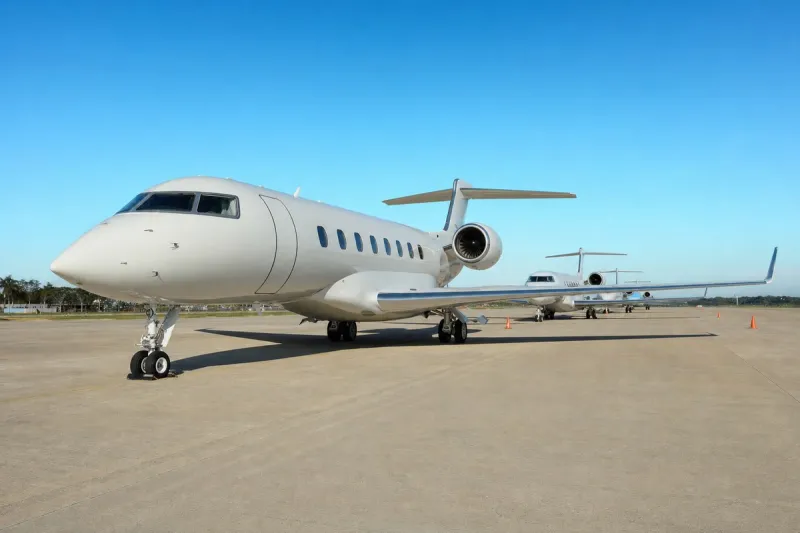
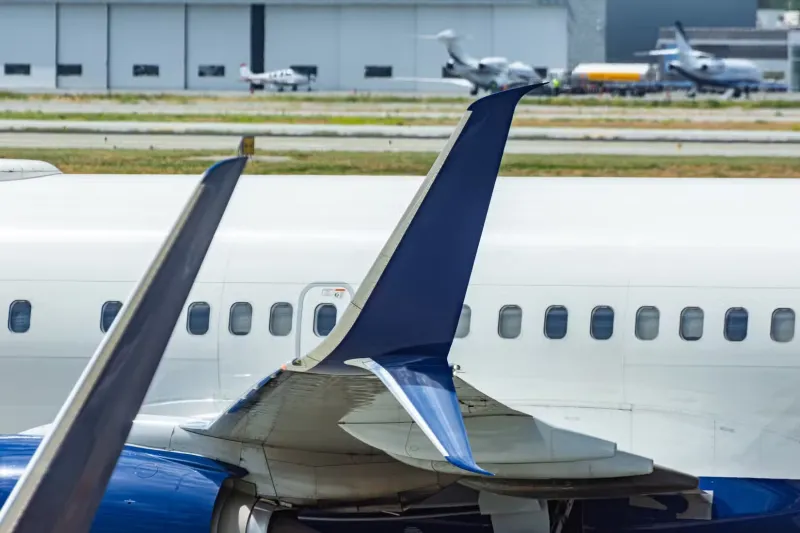
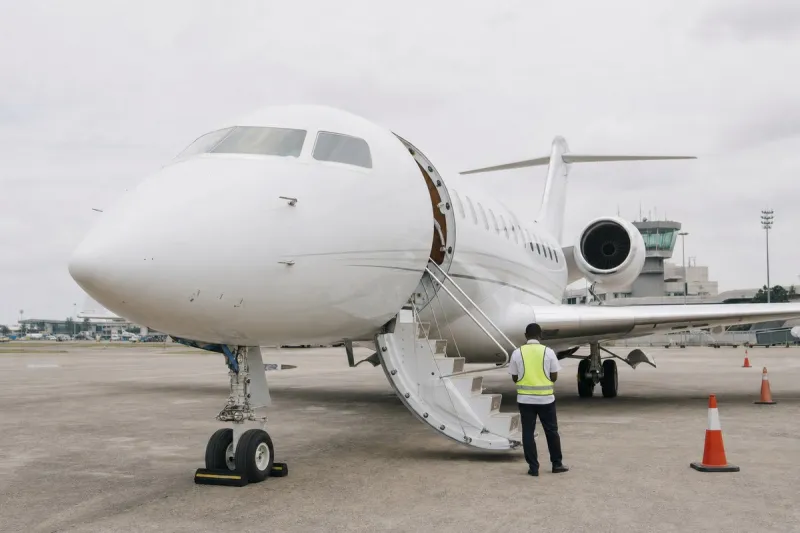
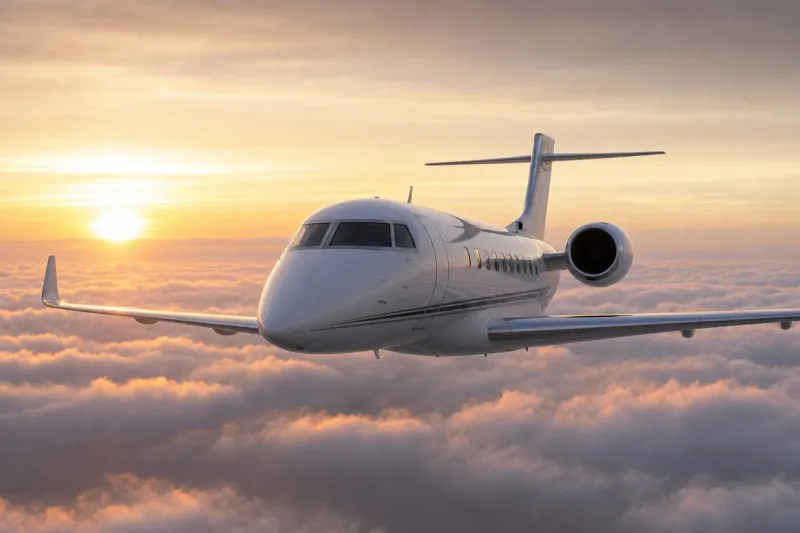
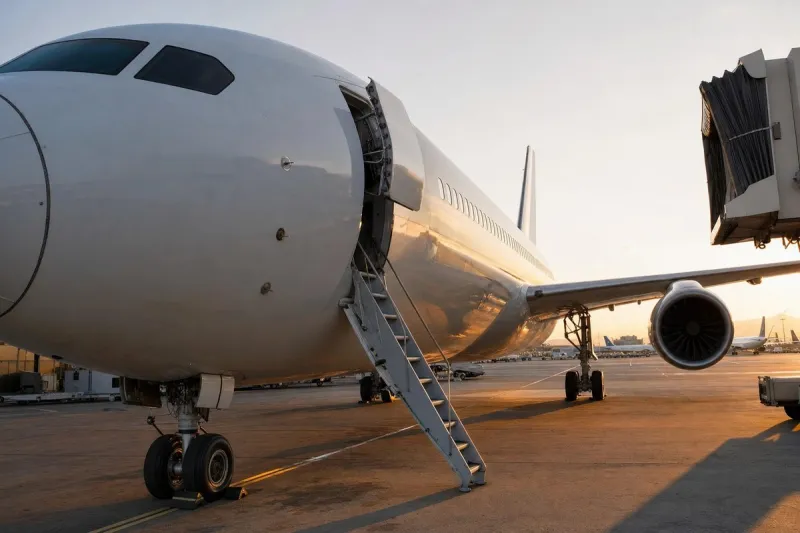
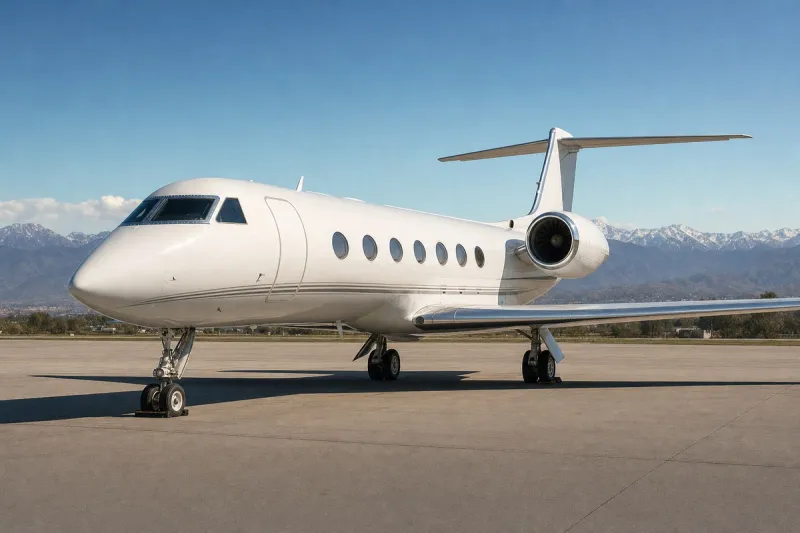
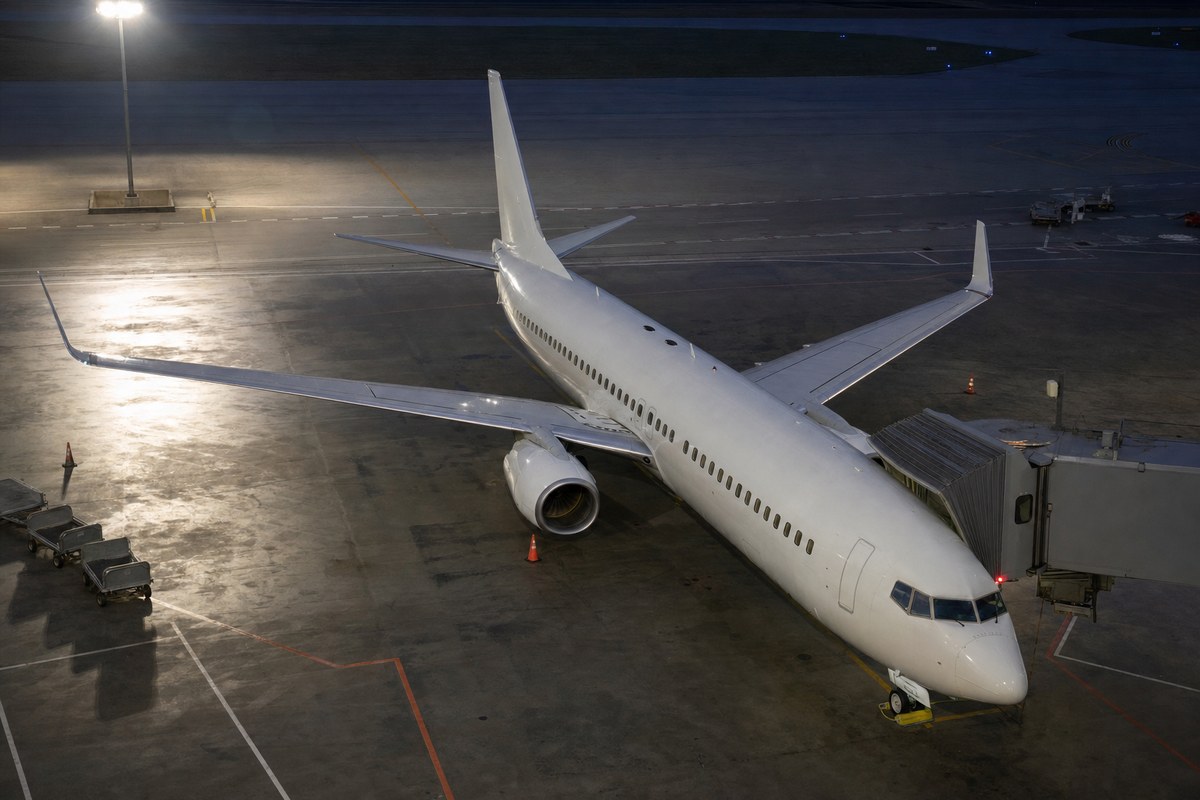
Belavia operates 12 Boeing aircraft: eight 737-800s, one private 737-800, one 737 MAX 8, one 737-300 and one 767-300ER. It also operates ten non-Boeing aircraft: three Airbus A330-200s, one Embraer E175LR, four Embraer E195LRs, and two Bombardier private jets (one Challenger 850 and one Global Express XRS).
Concerns over diversion to Russia
Some observers fear the move could be used to route Boeing components and aircraft to Russia, given Belarus's alliance with that country. Russia remains under sanctions over its military activities in Ukraine, almost five years after the February 2022 invasion.
When sanctions on Belavia were first lifted, the US did not want this to lead to Russia obtaining spare parts via Belarus.
Industry impact & what to watch
A license that lets an airline buy parts, software and potentially aircraft straight from the manufacturer changes the character of sanctions relief. Earlier easing allowed limited activity; direct OEM access restores the normal channel through which a fleet is kept airworthy and, eventually, renewed. For a carrier running a mixed Boeing, Airbus and Embraer fleet, that matters most for the Boeing-built portion of its operations.
The same feature is what makes the arrangement sensitive. Spare parts and components are among the easiest items to move onward once they leave the manufacturer, which is why the diversion concern attaches to parts flows rather than to the aircraft themselves. How the US and Boeing monitor end use will shape whether the license stays in place.
The next concrete milestone is the aircraft-purchase negotiations Tcherginets said the license now permits; any agreement there would show how far the relief extends beyond maintenance of the existing 12 aircraft.