FlyErbil Secures Own Iraqi AOC, Ending Virtual Airline Model; Takes First Airbus A320-200
Why It MattersThe case shows Iraqi rules pushing commercial brands to hold their own certified aircraft, which erodes virtual and wet-lease arrangements and shifts competitive weight toward carriers that own fleet and operating authority.
What happened
Iraqi airline FlyErbil has obtained its own Air Operator Certificate (AOC) from the Iraqi Civil Aviation Authority (ICAA), ending its reliance on other carriers' operating licences. The ICAA issued the AOC on October 20, 2026, and FlyErbil announced it two days later. CEO Lawand Mamondy described the transition at an event at Erbil International Airport, saying the certification allows the airline to fly under its own name rather than depending on operators such as UR Airlines. Management highlighted the development again on November 1, 2026.
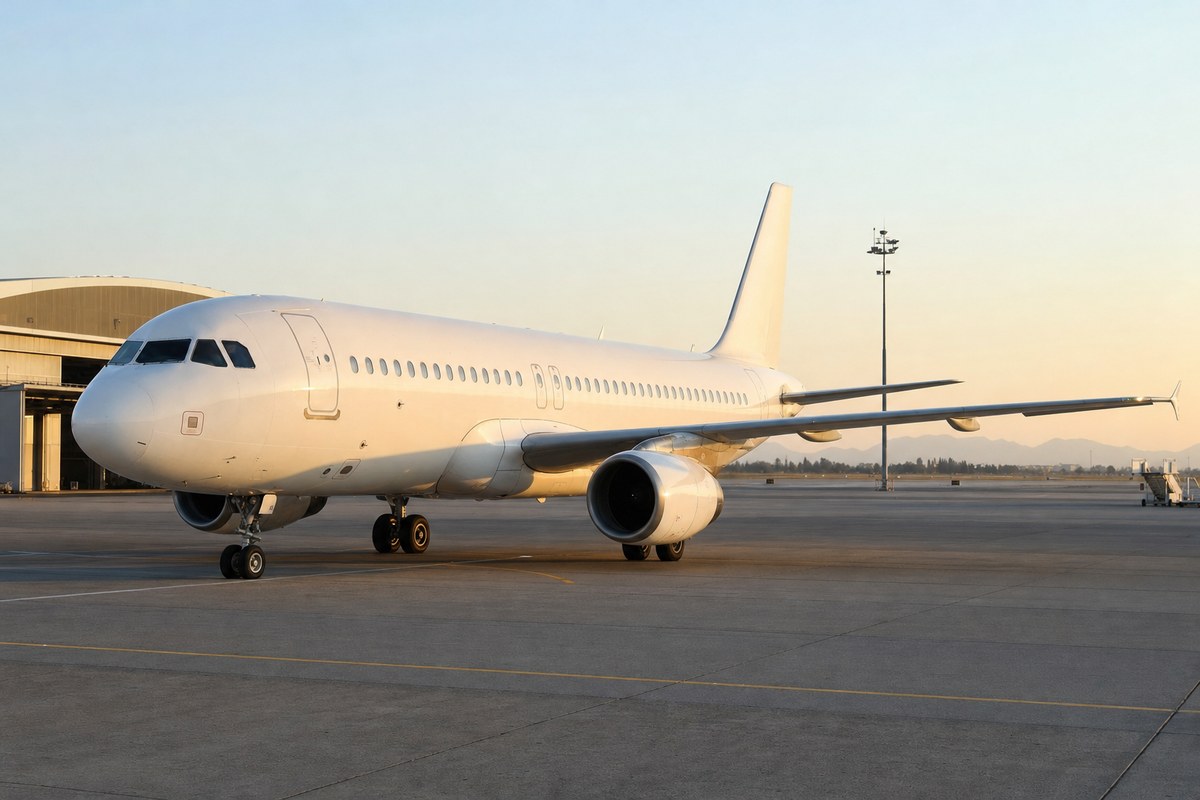
Until now FlyErbil operated as a virtual carrier: it marketed flights while other airlines supplied the aircraft and conducted services under their own AOCs. According to ch-aviation, its flights were operated under UR Airlines' certificate. FlyErbil was founded in 2015, is headquartered in Erbil and began commercial operations in June 2018, initially relying on other operators to provide flight capacity.
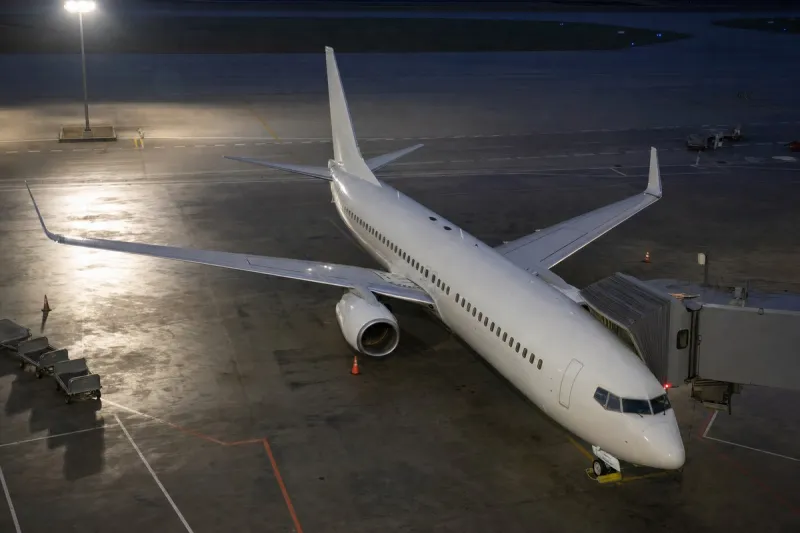
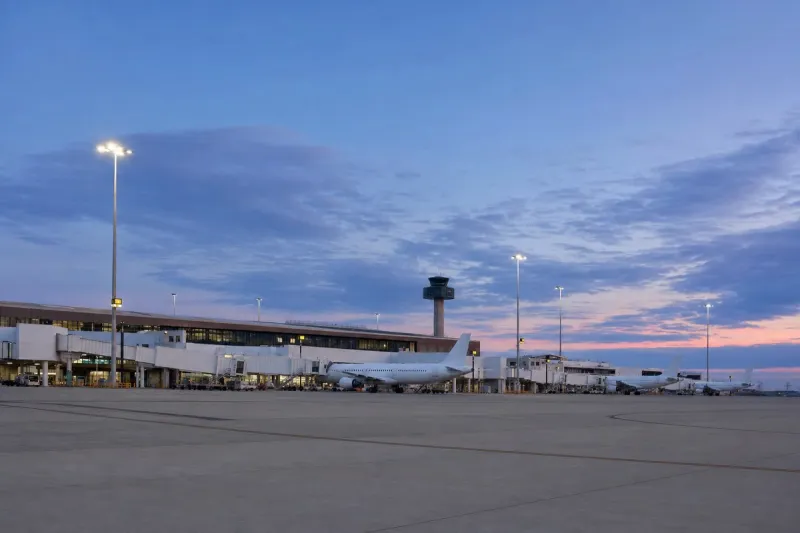
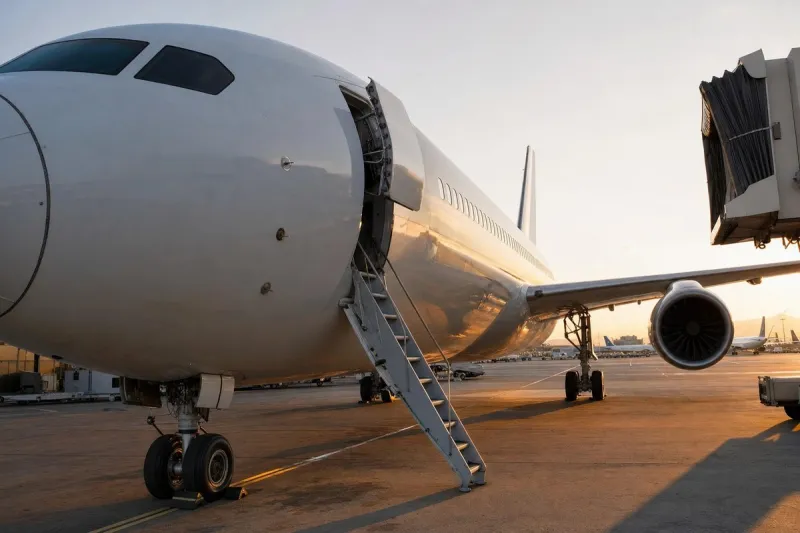
The airline's first Airbus A320-200, registered YI-EBL (manufacturer serial number 3460), arrived at Erbil International Airport on October 9, 2026, after a ferry flight from Istanbul. It has 180 seats in a single-class economy layout. Delivered new to Virgin America in 2008, it later flew for Alaska Airlines, Canada Jetlines and Marathon Airlines. Tracking and fleet database information records its entry into service on October 16, 2026. A second A320-200 (manufacturer serial number 3536) is associated with the airline, but ch-aviation lists it as stored and awaiting delivery.
With its own AOC, FlyErbil intends to develop direct links from Erbil to other Iraqi cities and international destinations, with plans to expand across the Middle East and Europe. A proposed schedule circulated in October 2026 listed Düsseldorf, Stuttgart, Hannover, Frankfurt, Cologne/Bonn, Munich, Berlin, Copenhagen, London and Istanbul; separate reporting also included Amsterdam. These are planned ambitions, not confirmed scheduled services, and FlyErbil has not published a timetable for when independent operations to each destination will begin.
Industry impact & what to watch
Industry reporting says revised Iraqi aviation regulations require commercial operators to be certified to operate at least one aircraft that is not wet-leased from another airline. Under that rule a brand that only sells seats on other carriers' aircraft cannot hold a commercial position indefinitely, and an in-house fleet becomes the entry ticket. FlyErbil's single A320-200 in service is the minimum that structure demands, which is why the aircraft and the AOC arrived within weeks of each other.
For the segment, the virtual-carrier route in Iraq looks like a transitional step more than a stable model. The operator whose certificate carried the flights loses the arrangement, and the brand takes on the costs and obligations that come with its own certification: crew, maintenance oversight and aircraft availability. Competition on Erbil routes is then decided by who holds fleet and operating authority, not by who controls the customer-facing name.
The next test is whether the fleet grows beyond one operating aircraft. The second A320-200 is listed as stored and awaiting delivery, and a European network of the size circulated in October would need far more capacity than a single 180-seat aircraft provides. A published timetable with start dates for individual destinations would show how quickly the plans become flights.