ICAO Lifts 2015 Libya Airspace Restrictions, but US Flight Ban and Level 4 Travel Advisory Remain
Why It MattersLifting a multilateral advisory restriction changes the planning baseline for overflight routing, but sovereign-state bans and individual airline risk assessments still decide whether traffic actually returns to a conflict-affected airspace.
What happened
Libya's Ministry of Transport announced on October 26 that the International Civil Aviation Organization (ICAO) had removed airspace restrictions it issued in 2015, during the country's civil war. The decision was formally issued on October 23. ICAO Secretary General Juan Carlos Salazar announced it at the opening of a meeting of Middle Eastern civil aviation officials in Doha.
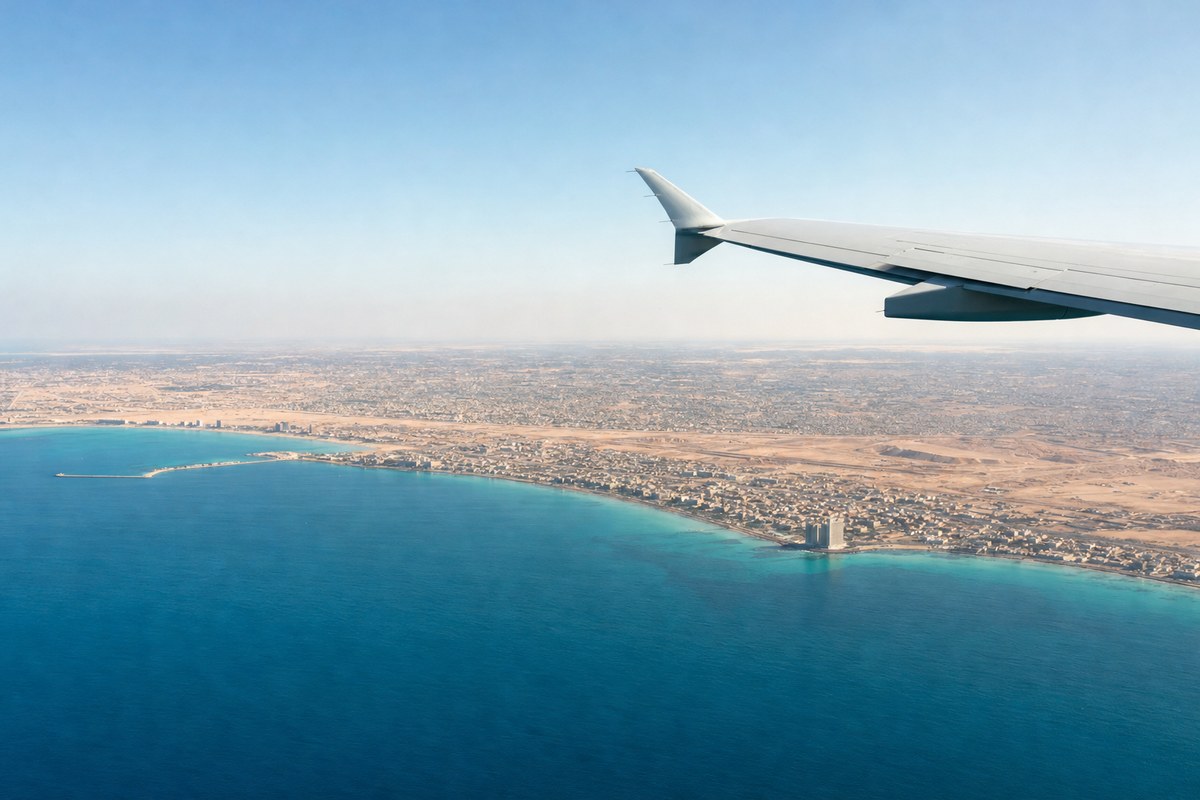
In a statement on its verified Facebook page, the Tripoli-based ministry said the measure came as a result of notable progress and the confidence placed in the capabilities of the Libyan civil aviation sector. It also said demand for permission to cross Libyan airspace has risen ahead of the 2026-2027 winter season: 61,968 registered overflight permits per month for the season beginning in November, against an average of about 2,000 transit flights per month during the previous winter season. The ministry noted that these figures represent permits it has registered.
The ICAO decision does not lift other countries' restrictions. A US Federal Aviation Administration (FAA) restriction barring US-registered civil aircraft from operating within Libyan territory and airspace was extended through March 20, 2028, in the agency's 2025 final rule. The US State Department's Libya travel advisory also remains at Level 4, "Do not travel," citing armed conflict, terrorism, crime and kidnapping.
Libya slid into chaos after the fall of Muammar Gaddafi in a NATO-backed uprising in 2011, and a civil war between armed factions broke out three years later, dividing the country between eastern and western administrations. The 2014 fighting damaged up to 20 aircraft, including Airbus models, at Tripoli International Airport. Few airlines currently operate flights in and out of Libya, and their services have long been limited to destinations such as Tunisia, Jordan, Turkey, Egypt, Saudi Arabia and Sudan.
Industry impact & what to watch
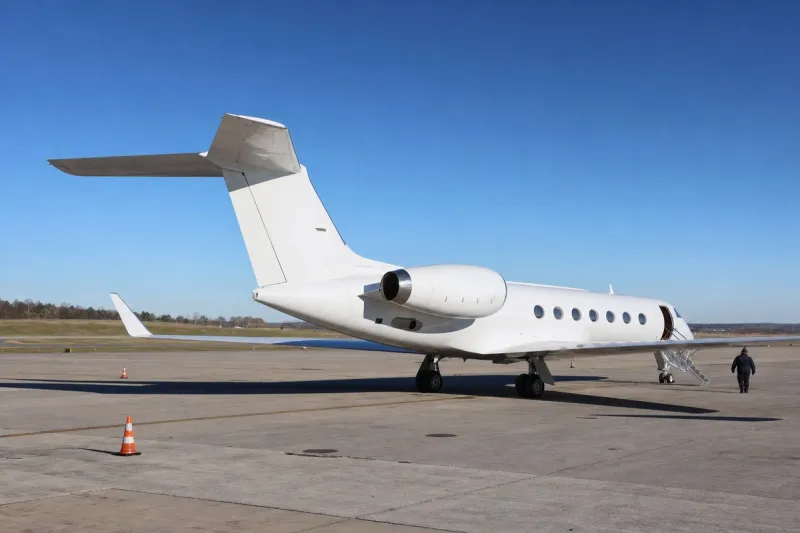
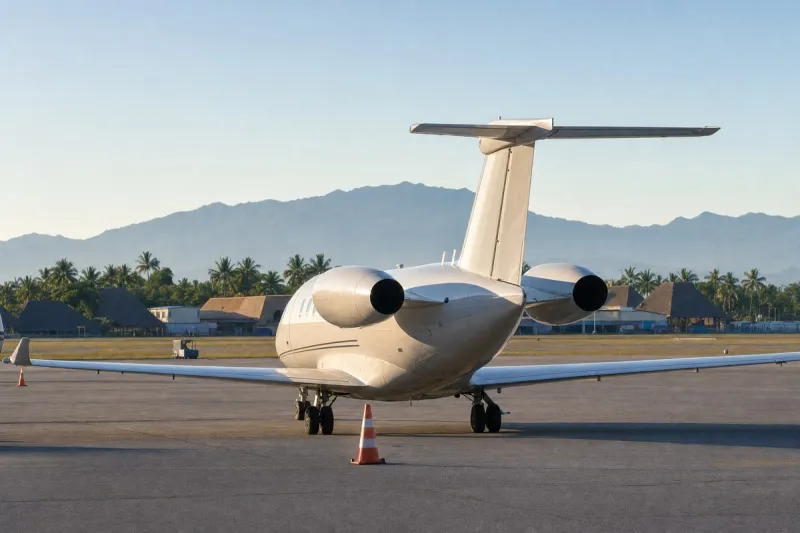
Airspace restrictions come in layers, and this case shows how little any single layer settles. An ICAO measure signals the international body's assessment, but each state's regulator keeps its own authority over its own operators. For a US-registered business jet, the FAA prohibition is what governs, and it runs to March 2028 regardless of what ICAO has done.
The gap between the ministry's permit figure and the earlier transit average is the number to read carefully. A registered permit is a request on file, not a flight flown, and the ministry itself ties conversion to implementation of the decision and to each airline's operational and safety assessment. Overflight routing decisions in this region are typically made by flight-planning and insurance teams, not by the airspace authority's announcement alone, so actual traffic will show up in movement data well after it shows up in permit statistics.
The clearest test is the winter season starting in November: how many of the registered permits are used, and whether carriers other than the few currently serving Libya begin to route through or into it. Any change in the FAA's posture would be a separate regulatory action, and nothing in the ICAO decision forces one.