Western Sydney International cleared for 24-hour operations from November 1, with no curfew
Why It MattersSydney's basin now has one curfew-bound airport and one without time limits, which shifts where night-dependent freight and late-schedule flying can be planned in Australia's largest market.
What happened
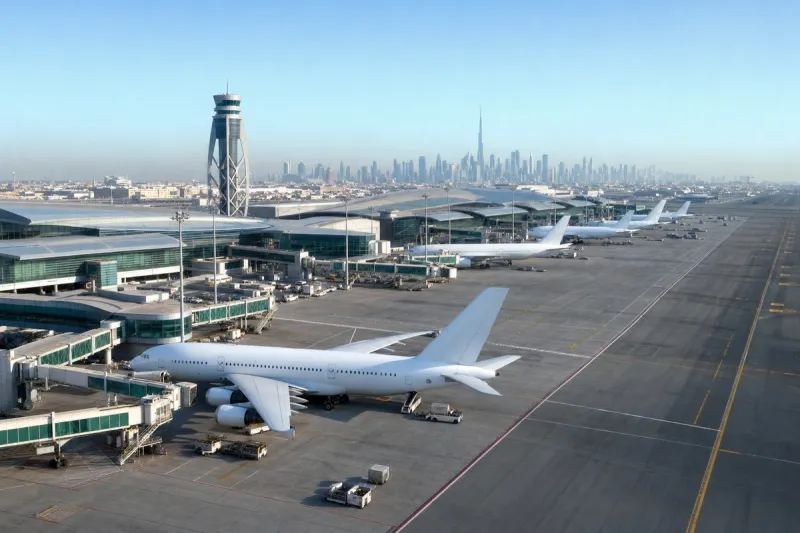
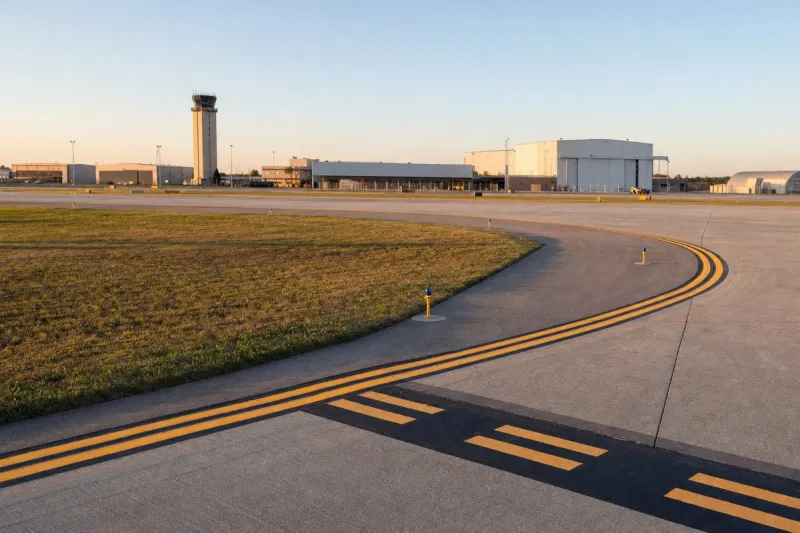
Western Sydney International (Nancy-Bird Walton) Airport was cleared on Sunday, November 1, to operate night aircraft movements, giving it a 24-hours-a-day, seven-days-a-week profile with no time restrictions. The Australian Government set the date through the Sydney Airport Curfew (Availability of Western Sydney International (Nancy-Bird Walton) Airport for Night Aircraft Movements) Instrument 2026.
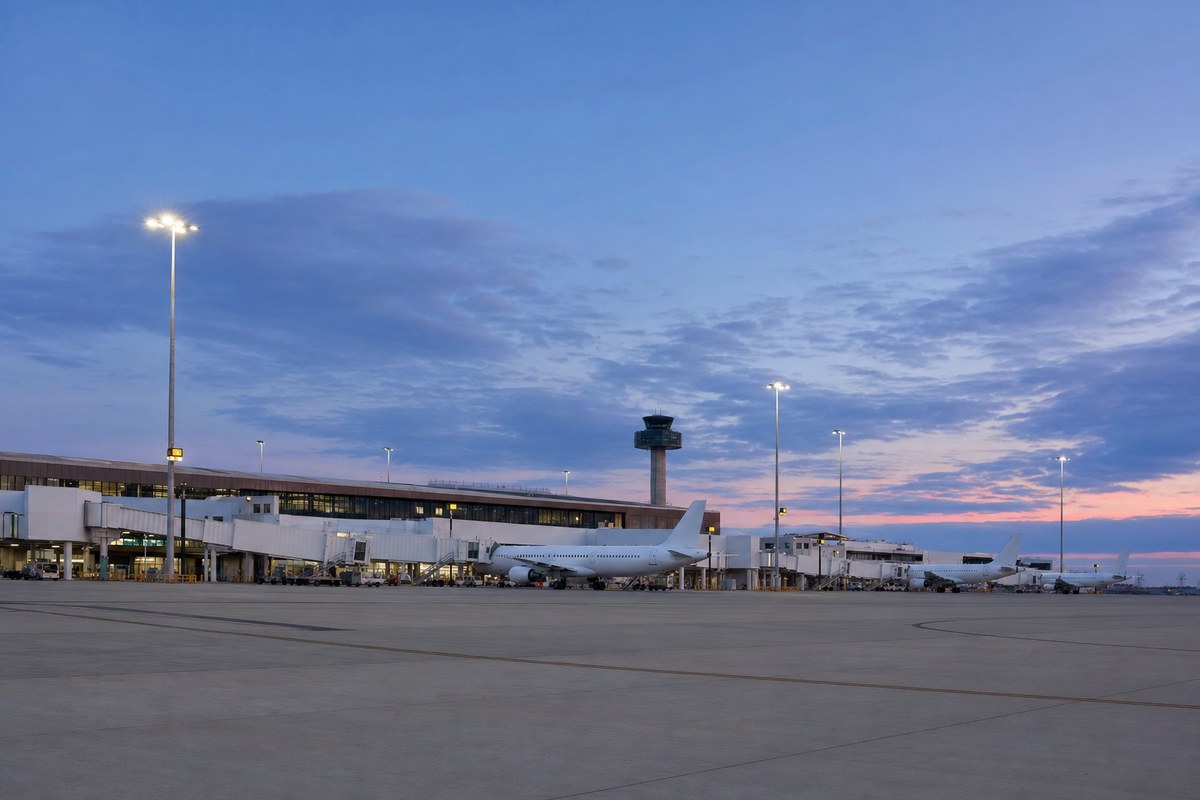
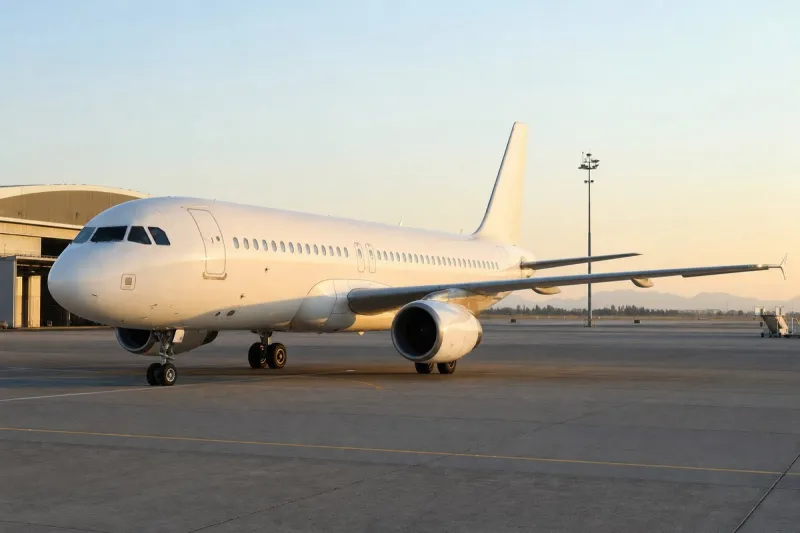
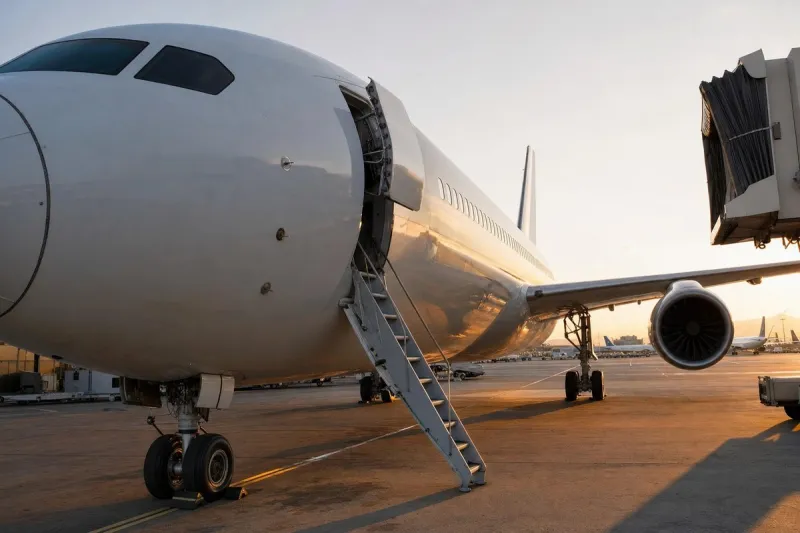
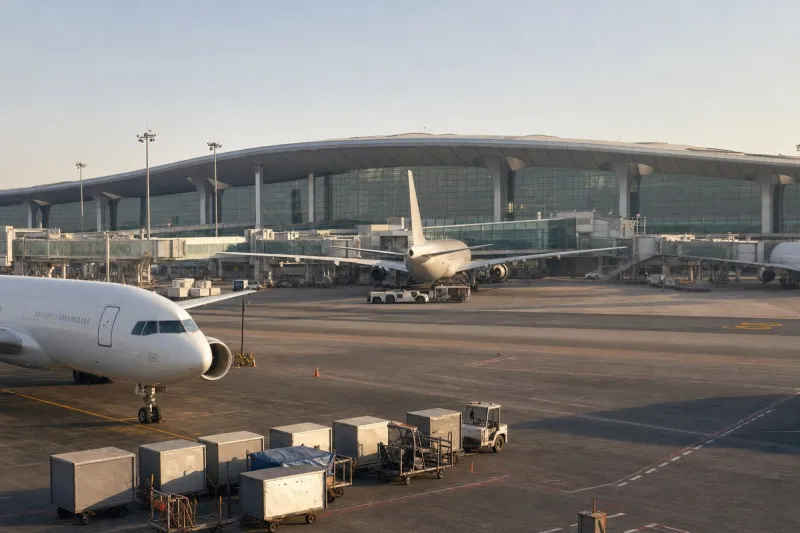
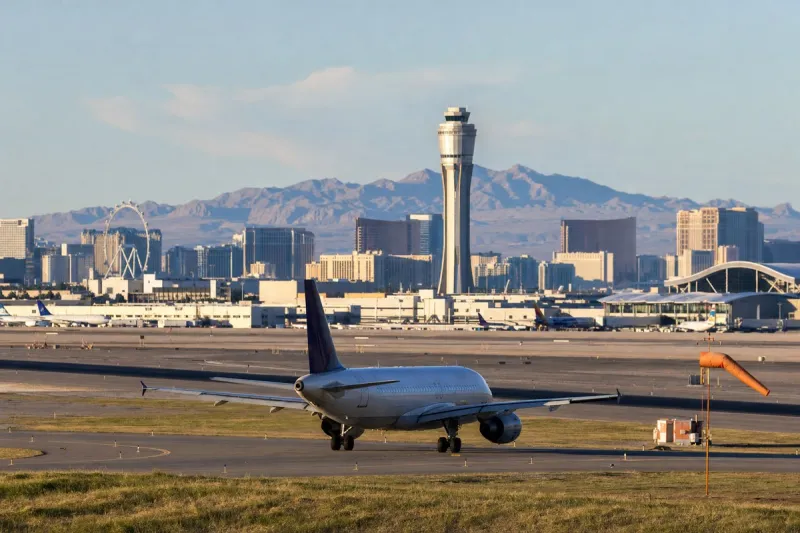
The airport at Badgerys Creek, about 45 kilometres west of downtown Sydney, received its first passengers on October 25. The inaugural flight was Jetstar's JQ362, an Airbus A320 that departed at 11:00 am local time for Gold Coast. Air New Zealand's NZ165 from Auckland, the first international service, arrived the following day. Jetstar also flew to Melbourne that Sunday and estimated its offering at the new airport at around 135,000 seats a year. Tickets for the inaugural flight sold out in 45 minutes.
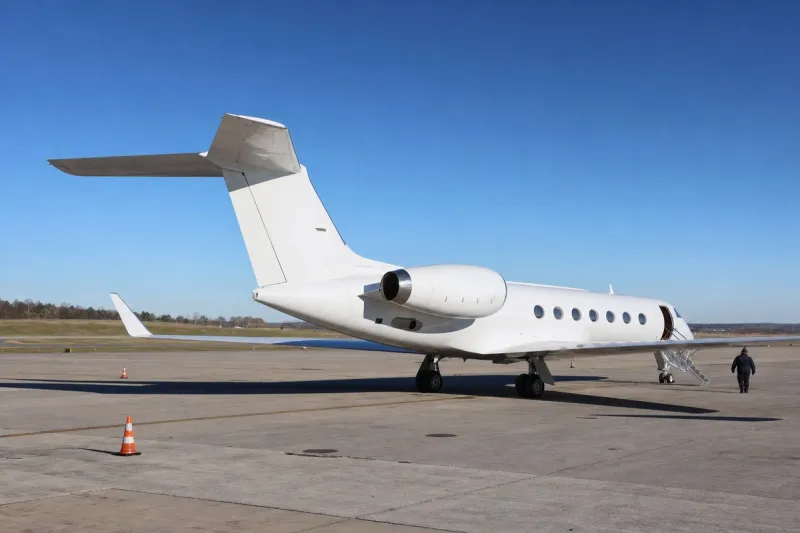
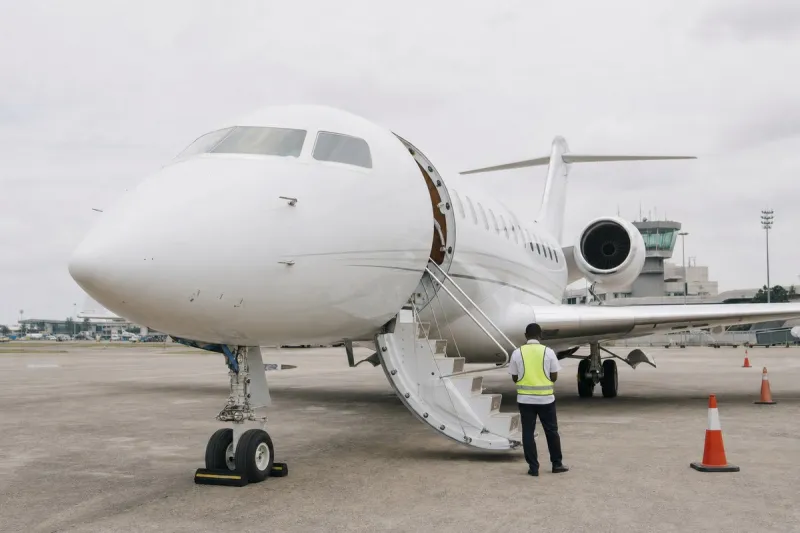
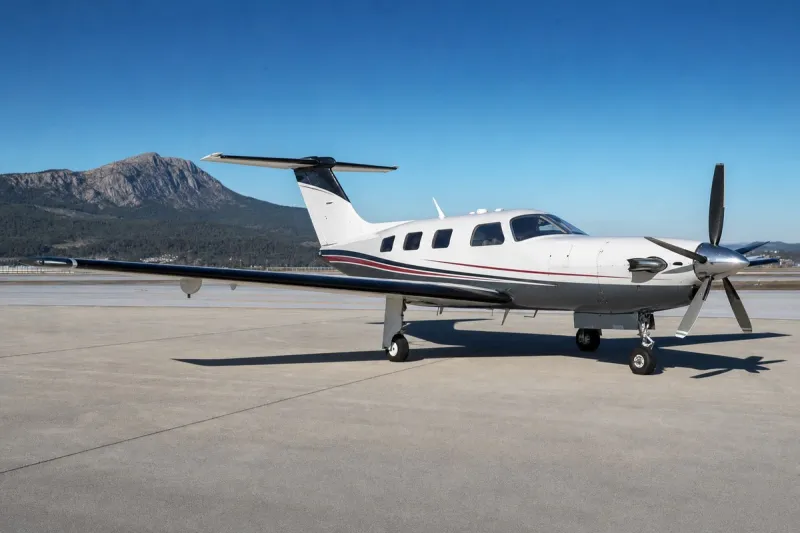
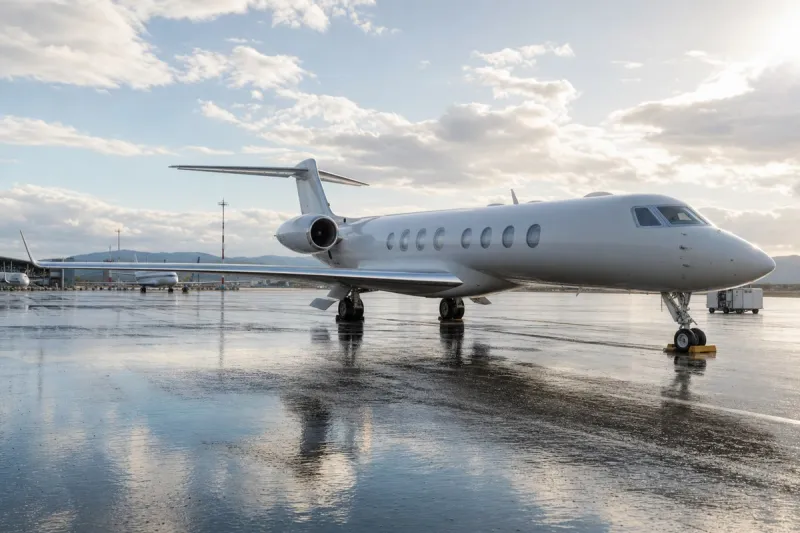
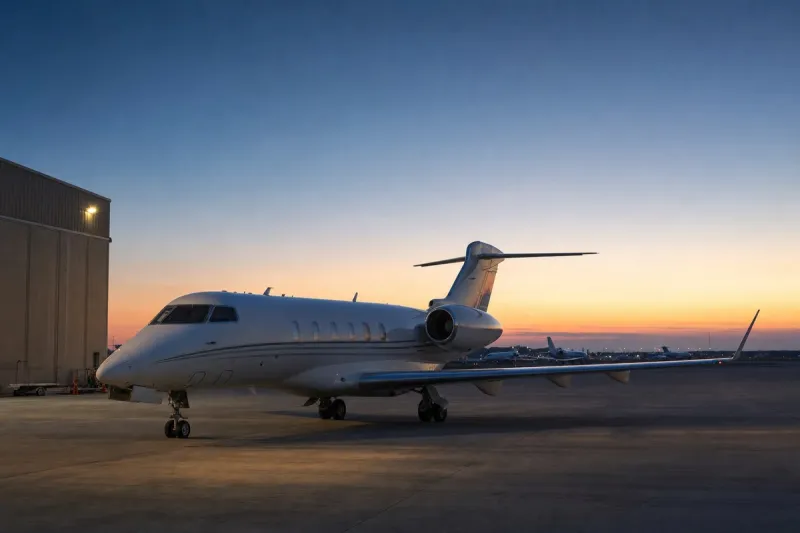
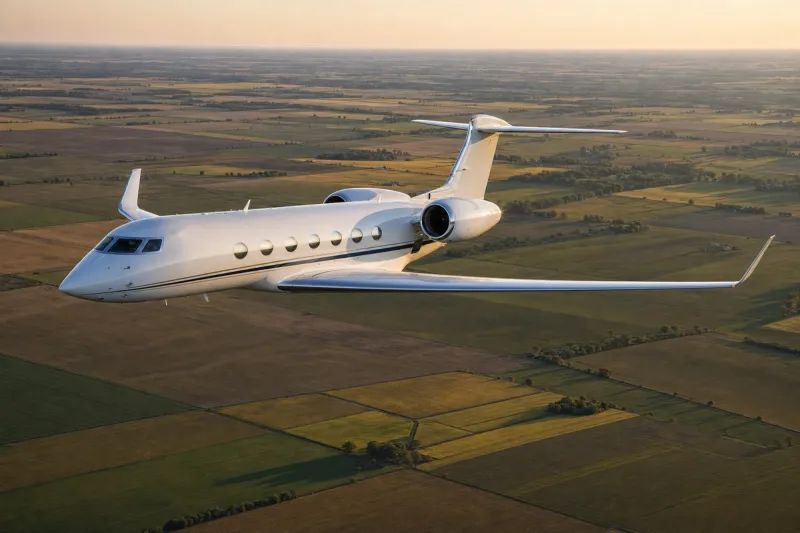
Kingsford Smith, Sydney's main airport, stays under the Sydney Airport Curfew Act 1995, which bars scheduled operations between 11:00 pm and 6:00 am; its curfew hours are unchanged. It is also capped at 80 movements per hour and 1,360 per day and is a level 3 coordinated airport with allocated slots. From November 1, the exemptions that let some cargo aircraft, propeller-driven aircraft and business jets operate there during the curfew no longer apply. Emergency operations remain authorized, and the minister retains the power to approve exceptional movements.
The airport and its carriers
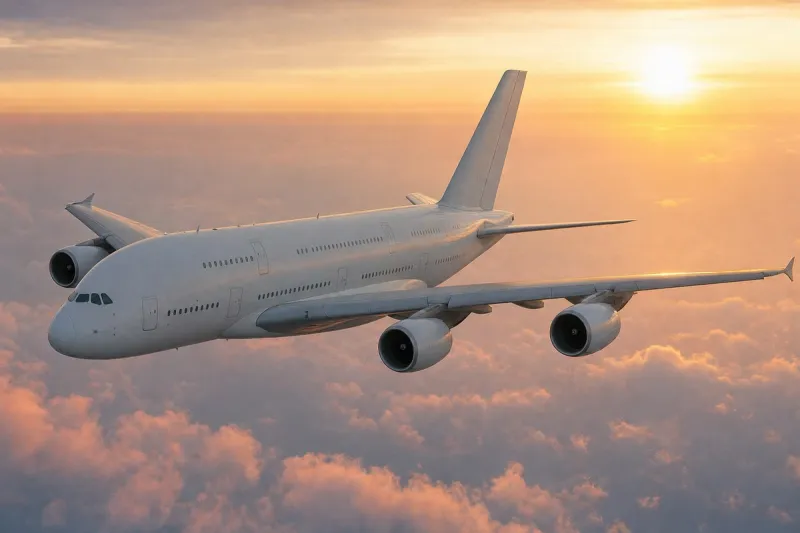
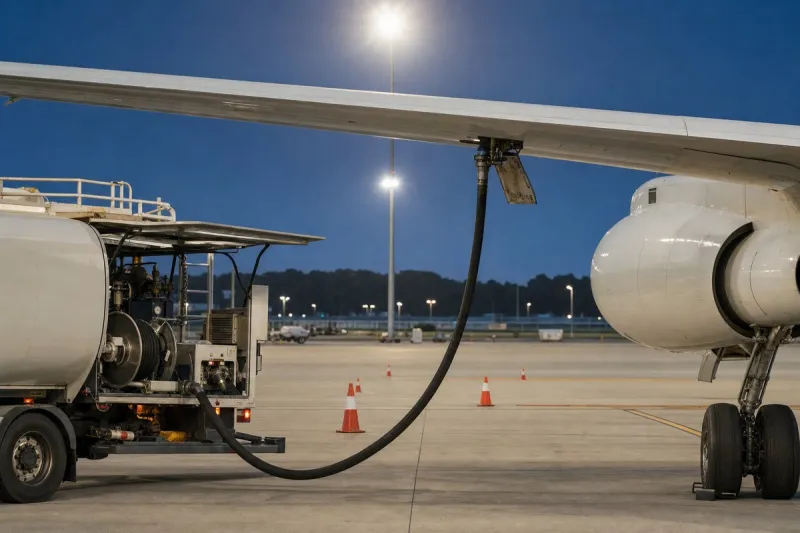
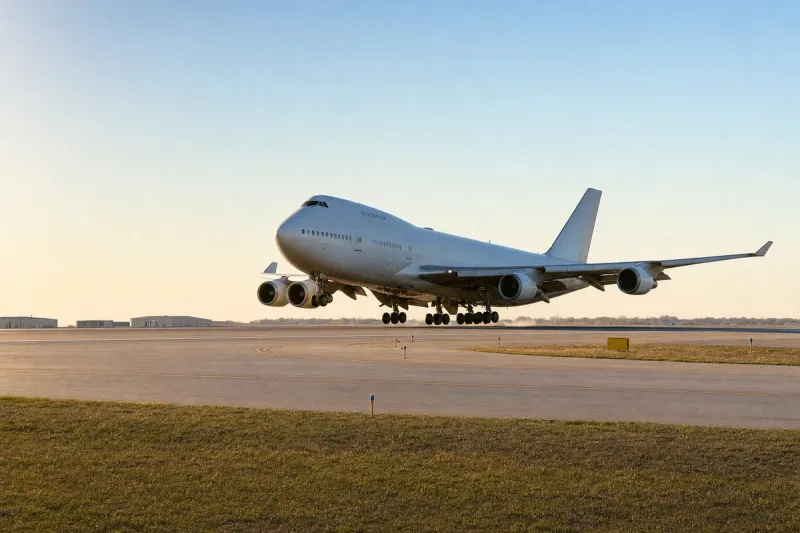
The new airport was built with 5.3 billion dollars of public investment. Its single 3.7-kilometre runway can handle aircraft from the A320 to the Airbus A380, and the site incorporates 5.5 million tonnes of sandstone from Sydney tunnel excavations. The initial stage is sized for 10 million passengers a year; the master plan foresees four terminals, a second runway and up to 82 million annual passengers by the 2060s. Freighter flights began on July 27, and the complex was designed to handle up to 1.8 million tonnes of cargo a year.
Seven passenger carriers are confirmed. Jetstar serves Melbourne (up to 14 weekly frequencies), Gold Coast (daily) and Brisbane (three weekly). Singapore Airlines starts a daily Singapore service on November 23; Vietjet plans Ho Chi Minh City in January 2027; Fiji Airways plans Nadi in March 2027; Qantas, with QantasLink, joins on March 28, 2027; and Qatar Airways plans Doha on December 15, 2027. Chief executive Simon Hickey said passengers should have access to more than 250 destinations "a little over a year" after opening.
Night-time limits that do apply
Night operations are not entirely unrestricted. Between 11:00 pm and 5:30 am, Airservices Australia prioritizes reciprocal runway operations, with aircraft taking off and landing in the same direction to avoid the most populated areas of western Sydney and the Blue Mountains.
The airport has nine permanent and four mobile noise monitors and a sound insulation program for homes in Luddenham, Greendale, Silverdale, Wallacia and Kemps Creek.
Industry impact & what to watch
The practical effect is a split in how Sydney's night is served. One airport keeps a statutory curfew, a movement cap and allocated slots, and has just lost the exemptions that let cargo, propeller and business-jet flights operate through the curfew hours. The other has no time limit and a single long runway. For segments whose economics depend on timing, such as overnight freight, late positioning flights and business aviation, the date the curfew instrument took effect moves them from asking for an exemption to using a different airport.
The constraint that remains is environmental rather than regulatory. Reciprocal runway operations between 11:00 pm and 5:30 am concentrate noise away from the most populated areas, and the noise monitors and insulation program give residents a measurable basis for complaint. How much night flying actually develops will depend on which carriers and freighters choose those hours, and the confirmed passenger schedules so far are mostly daytime-style launches with services phased in through 2027.
The next dated milestones are Singapore Airlines' daily service from November 23, Vietjet's Ho Chi Minh City flights in January 2027 and the Qantas and QantasLink arrival on March 28, 2027. Those, along with the cargo volumes that follow the July 27 freighter start, will show whether the no-curfew status becomes a working advantage or stays largely theoretical.