General Dynamics and Textron Report Strong Q3 Sales and Healthy Backlogs as Supply Chain Constraints Persist
Why It MattersStrong order books alongside engine, extrusion and component bottlenecks show that business-jet output is limited by supplier capacity rather than demand, which pushes growth toward aftermarket services and product transitions.
What happened
General Dynamics and Textron both reported strong results for the quarter ended September, each with a healthy order book and each citing continued supply chain frustrations. Bombardier is due to report the following week and is also expected to post good results.

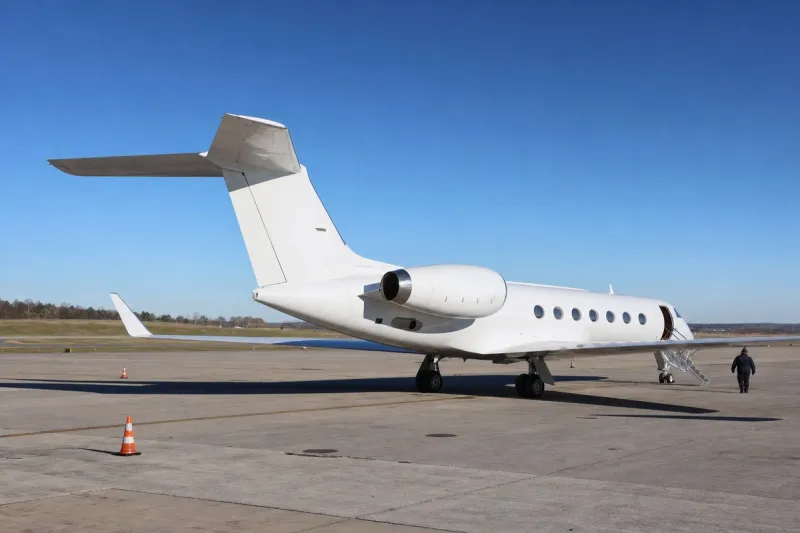
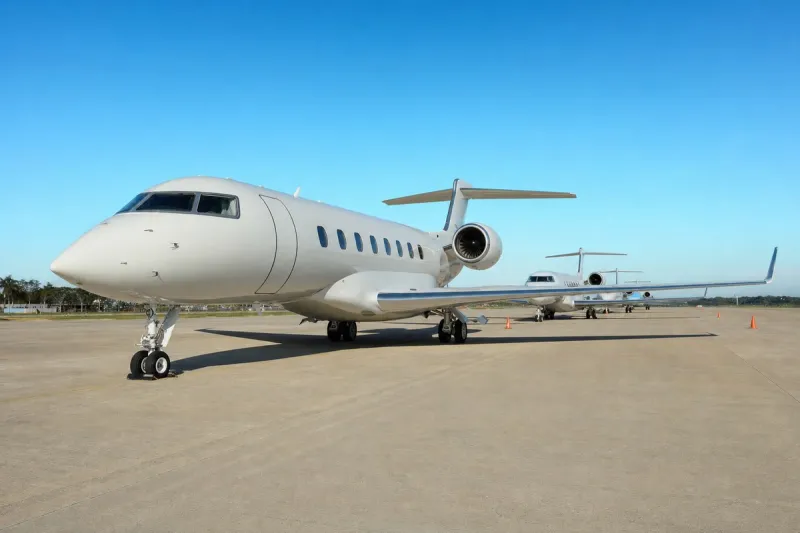
General Dynamics' Aerospace division, which includes Gulfstream and Jet Aviation, posted quarterly revenue of $3.54bn, up 9.3% year on year. Operating earnings rose by $83m to $513m, a 14.5% margin. Gulfstream delivered 40 aircraft, one more than a year earlier, and the segment's book-to-bill ratio reached 1.4 times. Gulfstream's backlog at the end of the quarter rose $1.4bn to $25.4bn.
Textron Aviation's revenue rose 14% to $1.7bn on 51 jet deliveries, nine more than a year earlier. Segment profit rose 4% to $179m and backlog stands at $8bn. Textron CEO Lisa Atherton said Aviation booked its highest third-quarter orders since 2023 and that demand is not softening despite higher interest rates or geopolitical tension.
Gulfstream's aircraft orders for the first nine months were up more than 30% compared with 2025. Outgoing CEO Phebe Novakovic, now executive chair, described "very active interest" across the US, western Europe and southeast Asia. The Middle East is the exception, where customers are "still active in the pipeline but slow to provide orders".
Embraer Executive Aviation announced a record $8.2bn backlog, up 5% from the previous quarter and up 12% compared with September 2025.
Supply chain and production capacity
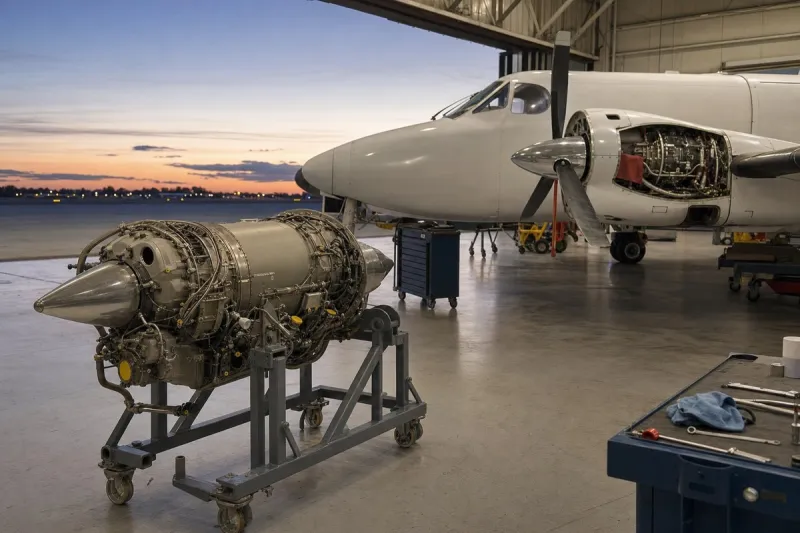
Atherton said Textron's constraints come down to "three or four key supply issues", largely engines, extrusions, spars and ground power units.
General Dynamics president Danny Deep, who will succeed Novakovic as CEO, said the company has the production, workforce and facilities to build more than 200 aircraft in 2030 as long as suppliers keep up. Going beyond that would require further investment if demand dictates.
Product transitions and aftermarket
Both manufacturers are undergoing product transitions. General Dynamics will wrap up G280 deliveries around mid-2027, with its replacement, the G300, expected to be certified toward the end of that year; Deep still expects a better 2027 than 2026. Textron's three Gen3 light-jet programmes have logged more than 1,200 flight test hours, and Atherton expects entries into service in the first half of 2027.
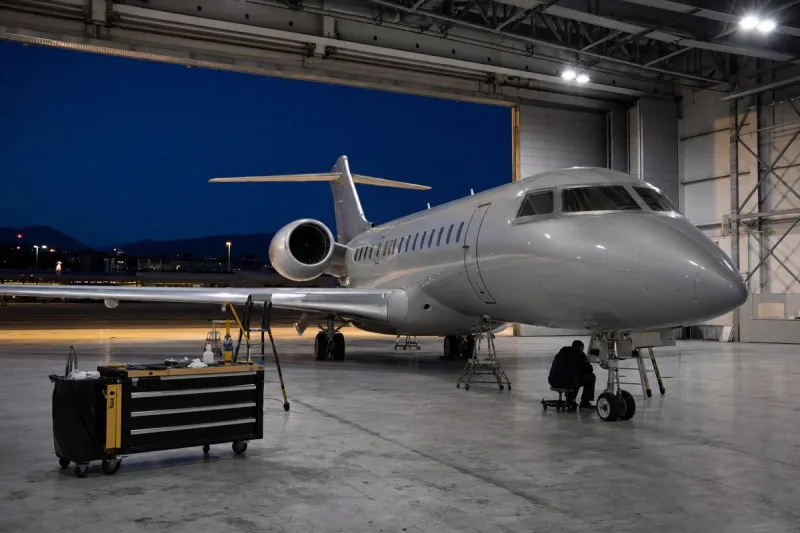
The aftermarket has emerged as a key growth area. Textron's parts and services revenue rose $49m to $652m, while General Dynamics reported higher services at both Gulfstream and Jet Aviation, with particularly robust activity at its US FBOs.
Industry impact & what to watch
Both manufacturers describe demand as healthy while naming the same limiter: suppliers. When Textron points to engines, extrusions, spars and ground power units, and General Dynamics ties a 200-plus-aircraft build rate in 2030 to suppliers keeping up, delivery volume is being set by component availability, not by order intake. Backlogs that keep growing while deliveries rise only a few units a quarter are the visible result.
That shapes where growth shows up. With new-aircraft output constrained, parts, services and FBO activity carry more of the earnings momentum, which is consistent with Textron's parts and services revenue rising to $652m and the robust US FBO activity General Dynamics described. The Middle East is the one region where orders are slower to materialise, so regional mix is worth following.
The next dated milestones are Bombardier's results the following week, G280 deliveries wrapping up around mid-2027 with G300 certification expected toward the end of that year, and Textron's Gen3 light-jet entries into service in the first half of 2027. Some brokers are seeing early nervousness among buyers, with attention on possible corrections in artificial intelligence company valuations and the US midterm elections, and whether that reaches order books will be visible in the coming quarters' bookings.