Woodstock Flying Association Asks Town to Fund Runway Extension to Allow Air Ambulance Use
Why It MattersSmall municipal airfields seeking medevac access must pair runway length with fencing, lighting, instrument approach and ambulance access, so tenant-driven upgrades depend on a municipal owner willing to phase the spending.
What happened
The Woodstock Flying Association has asked Woodstock Town Council to support a phased runway extension at Woodstock Municipal Airport so the facility can accommodate air ambulances. Association member Matthew McLatchy made the presentation to council in October.
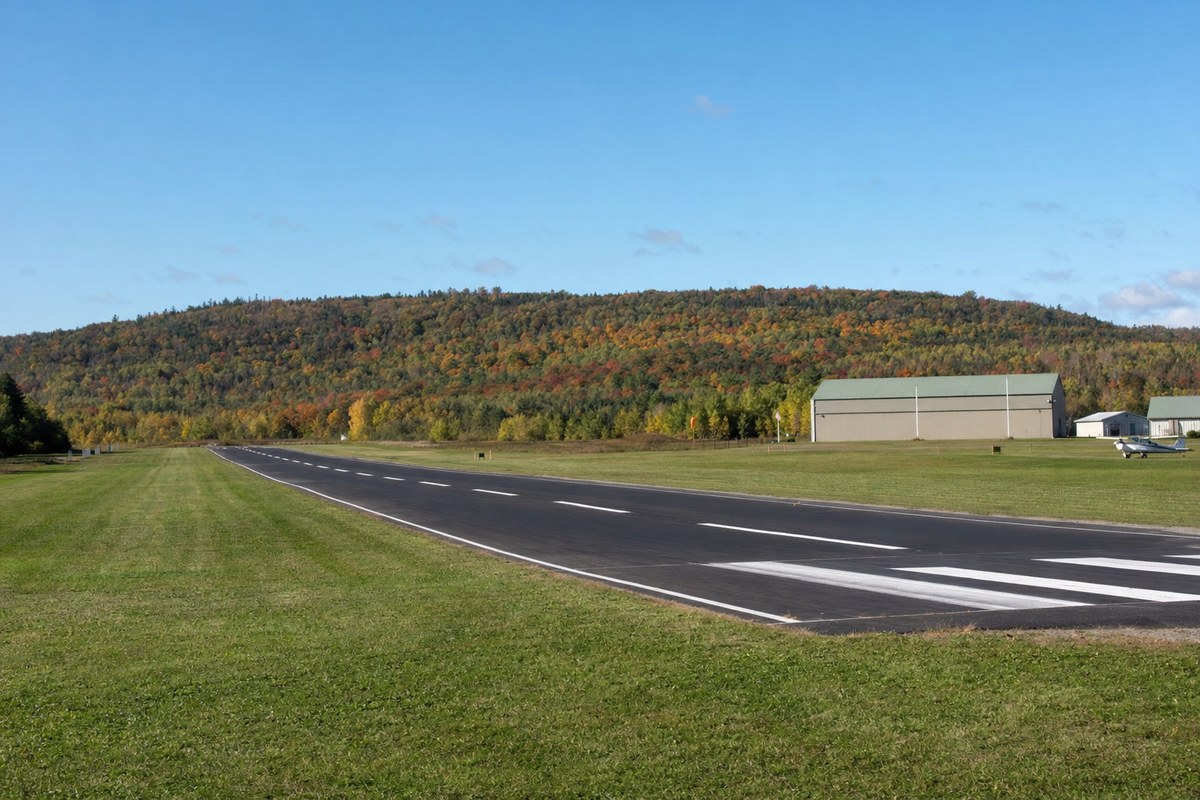
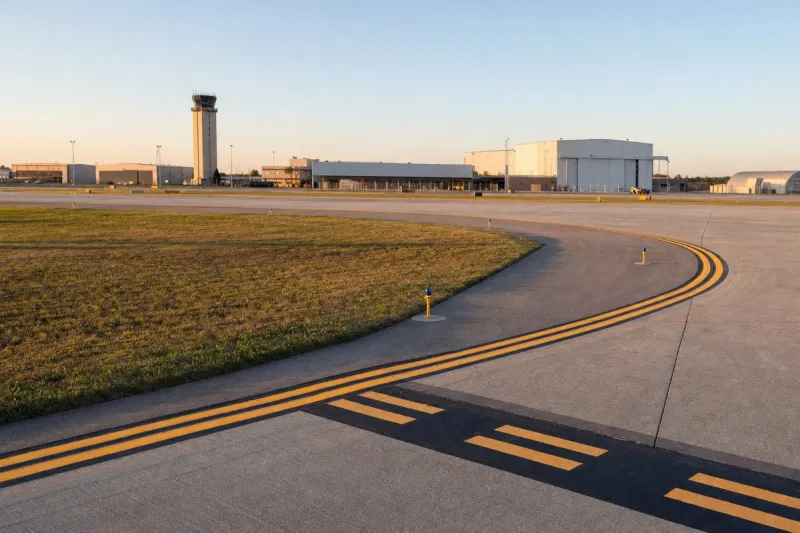
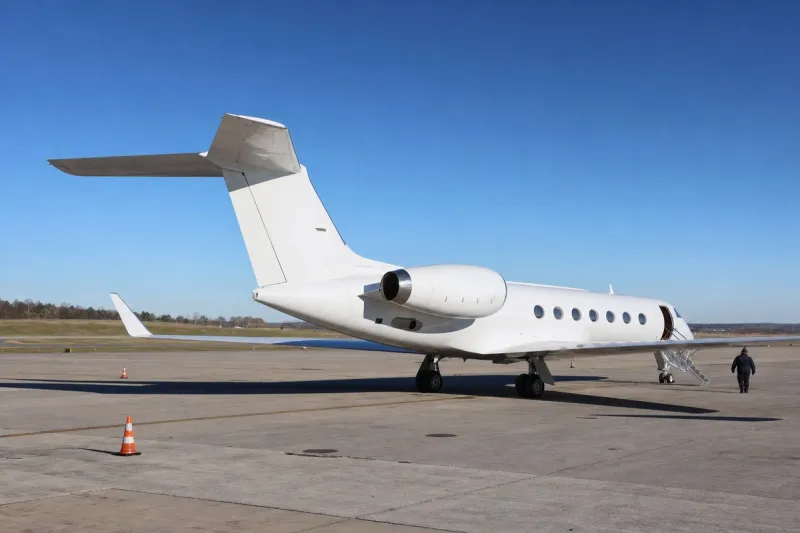
The airport moved in 1968 to 76 Airport Road, Newbridge, after the Mactaquac Dam flooded Island Park, where it had originally been located. The town owns the land and Woodstock Aviation Services maintains it. The property has 10 hangars housing 30 aircraft, 18 of which are flown regularly. The hangars are privately built and owned, while the land is leased from the town. The association has 35 members, 17 of whom live outside Woodstock.
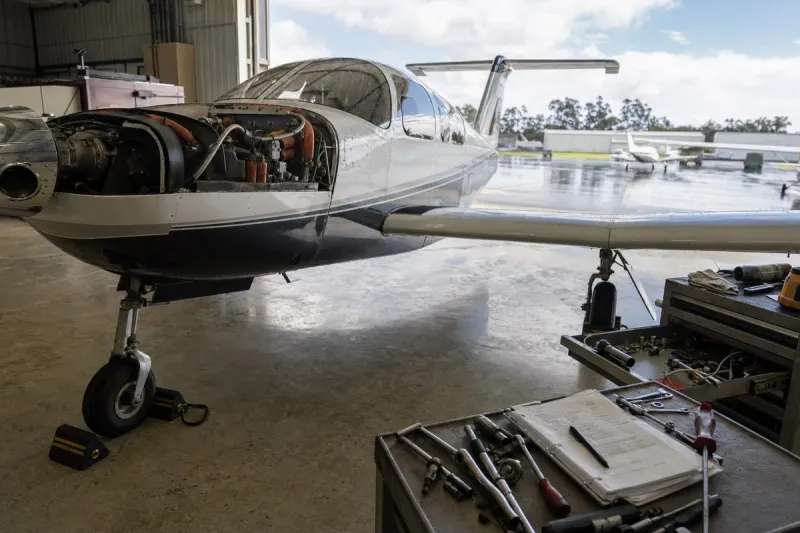
The airport hosts an Environment Canada weather station, an RCMP fuel depot used by the RCMP helicopter, a seller of aviation fuel to the public, and two certified aircraft mechanics. McLatchy estimated that about 300 aircraft visit each year and said club members put tens of thousands of dollars back into the airport annually. The most recent fly-in event drew over 500 people and well over 100 aircraft. The airport is one of three in New Brunswick offering flight training, with two flight training units for private and commercial licences.
What air ambulance use would require
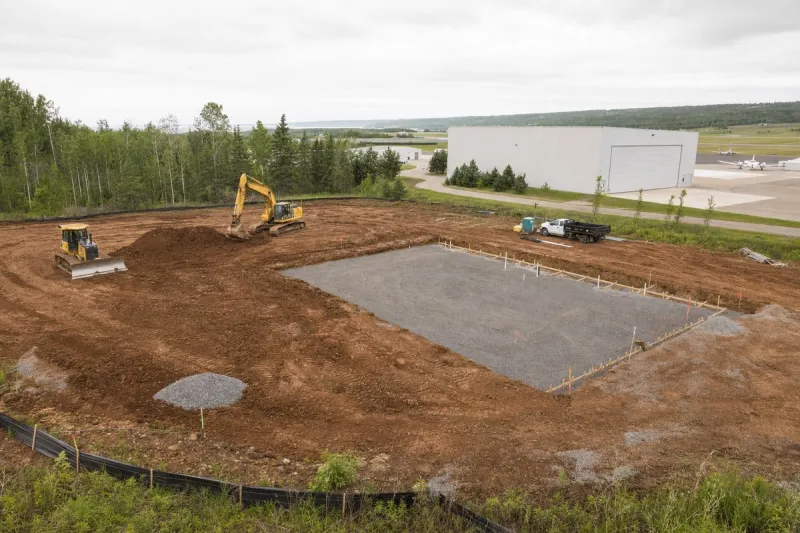
The association says air ambulance operations would need a longer runway, a full perimeter fence, upgraded lighting and instrument approach, and dedicated ambulance access. The main cost is asphalt. The runway currently has 2,000 feet of pavement, the site has room for about 5,000 feet, and the association would like 3,000 feet.
McLatchy asked the town to do the work in stages, starting with 500 feet this year and another 500 feet in a couple of years, while looking at better lighting in the meantime. He also suggested the airport could eventually become a border crossing point.
Industry impact & what to watch
Woodstock illustrates a common situation for municipal general-aviation fields: the tenants and users are organised and invest their own money, but the land and runway belong to the town, so any change to the airfield's role depends on a council deciding to put public money into it. Medevac suitability is not one upgrade but a package. Runway length, fencing, lighting, instrument approach and ambulance access all have to be in place, which is why the association is proposing sequencing rather than a single build.
The phasing itself matters. Asking for 500 feet now and another 500 feet in a couple of years, against a 3,000-foot target and roughly 5,000 feet of available room, keeps each budget decision small while leaving the final length open. Airports that follow this route tend to find the lighting and approach work, which the association flags as an interim step, is what makes the extra pavement usable in poor conditions.
The next point to follow is whether council takes up the 500-foot first phase this year and how it treats the lighting work the association raised alongside it.