Model Finds Proactive Engine Care Worth About $2.6m More Than Reactive Over Ten-Year Hold on $11m Super Mid-size Jet
Why It MattersEngine care emerges as a balance-sheet decision, since resale pricing, program enrolment and downtime exposure outweigh the savings reactive owners book on scheduled maintenance, especially in humid, coastal operating environments.
What happened
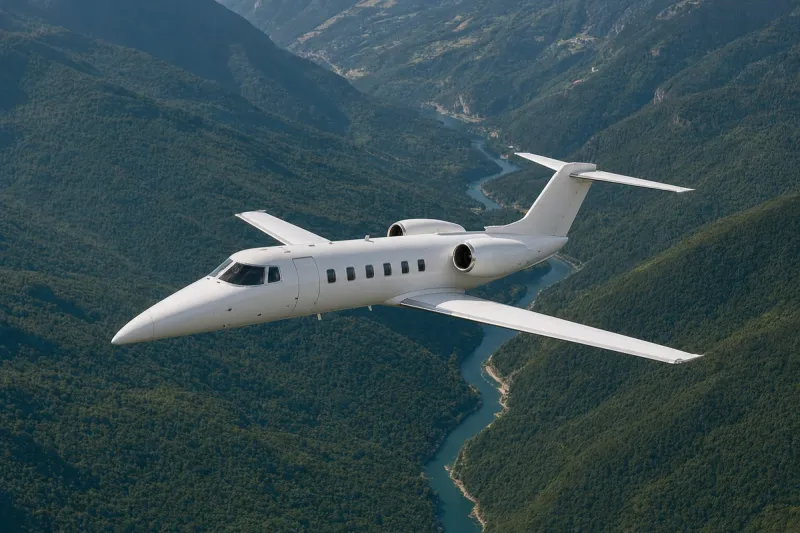
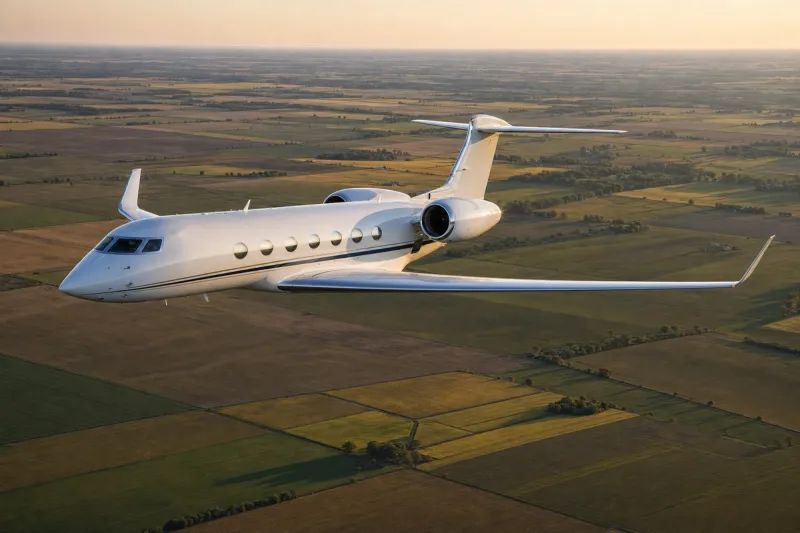
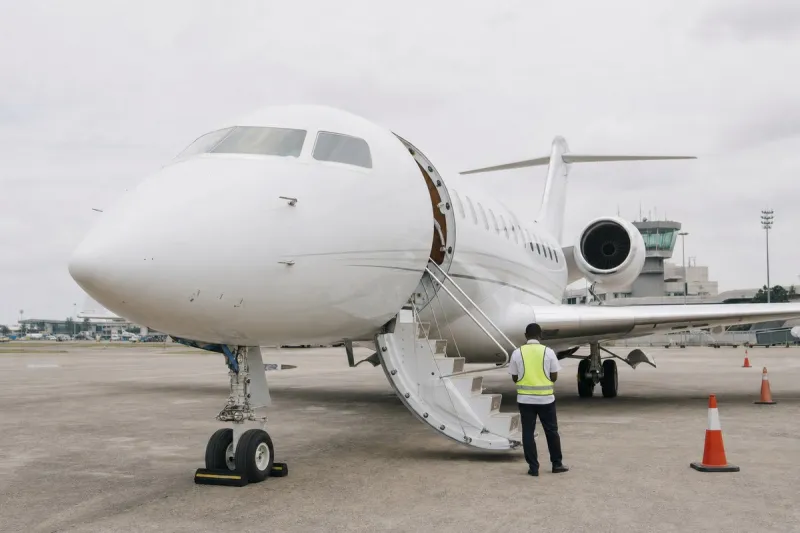
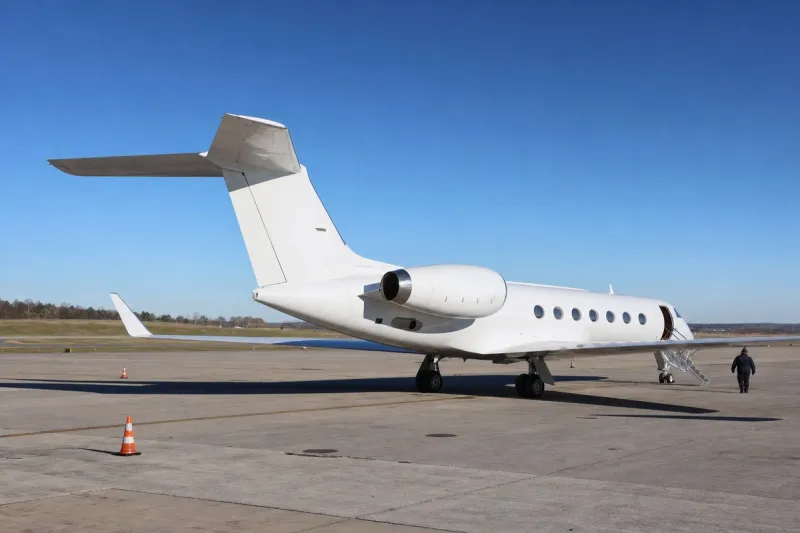
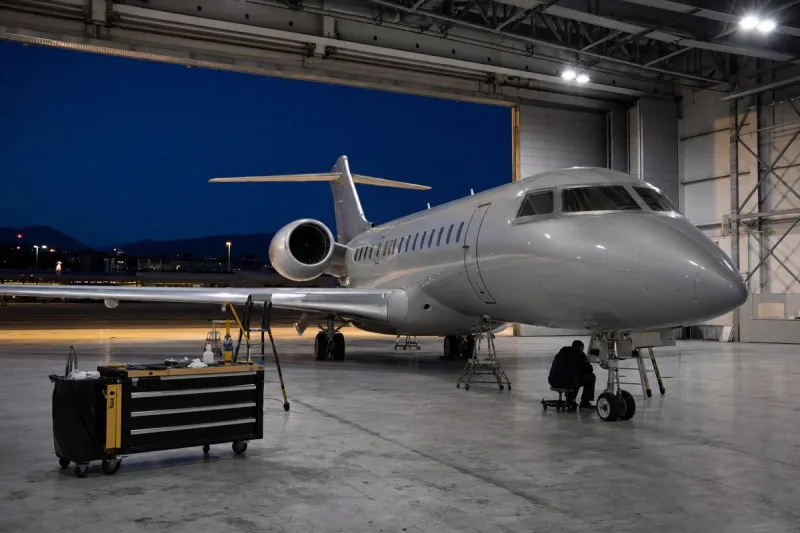
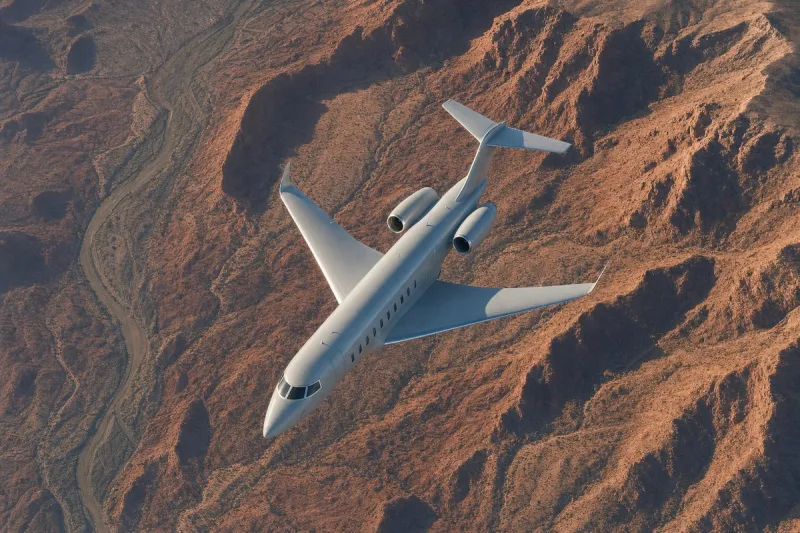
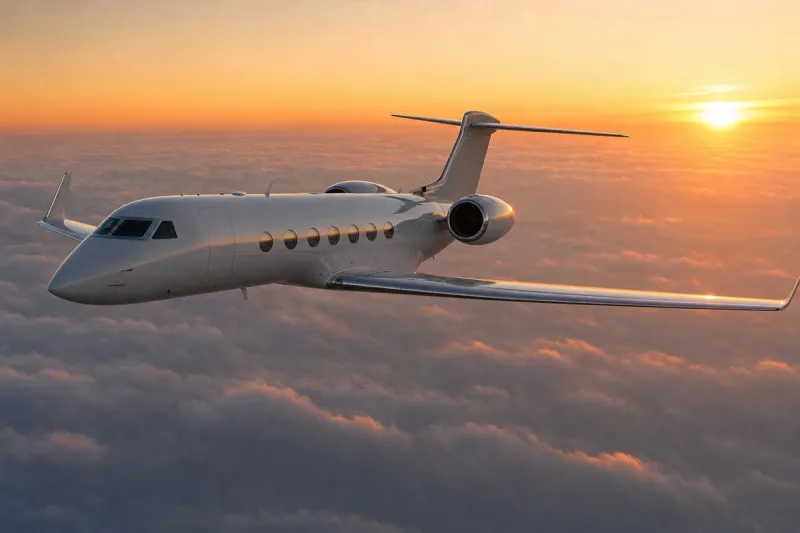
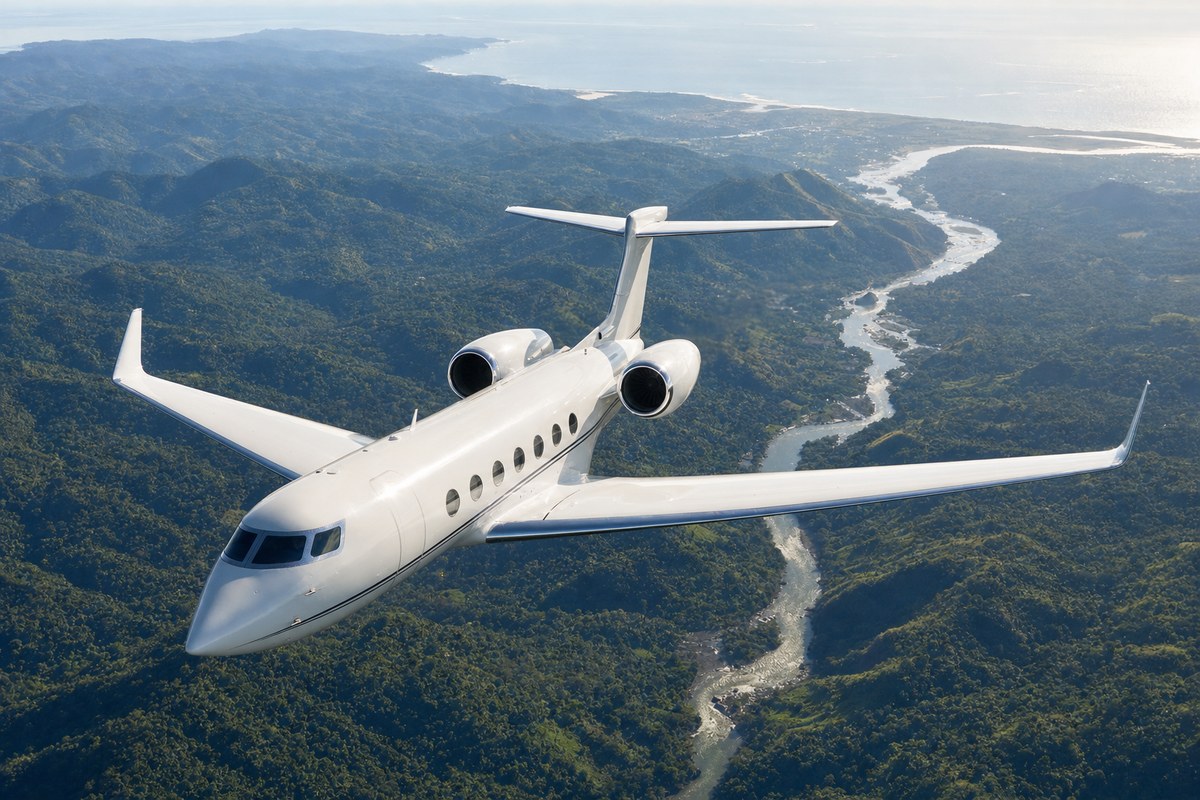
An analysis by René Armas Maes, published on 22 October 2026, models the economics of proactive versus reactive engine care for a representative pre-owned Super Mid-size Jet valued at $11m. The aircraft has two Honeywell HTF7000 engines, flies 200 hours a year, is based at a humid coastal homebase and is held for ten years, with a 3% annual cost escalation.
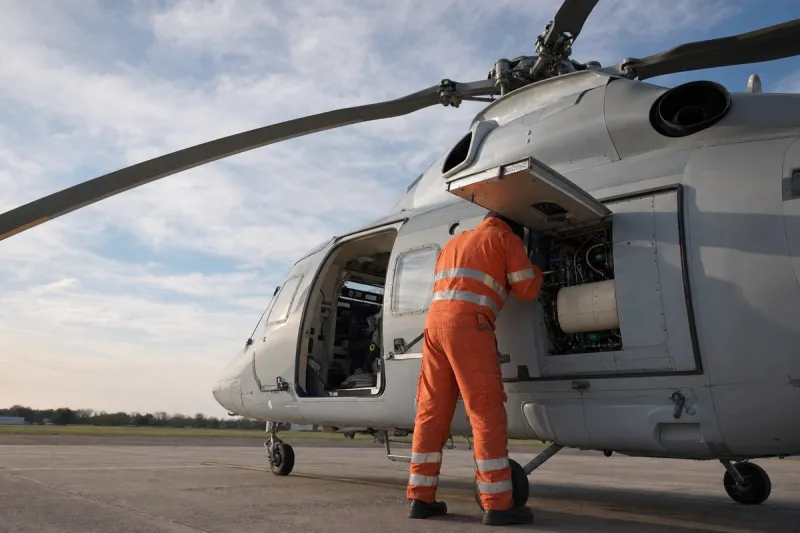
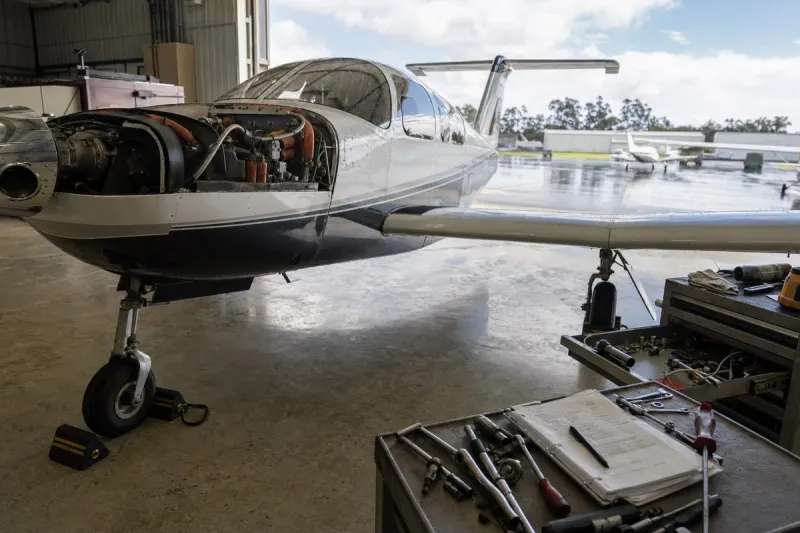
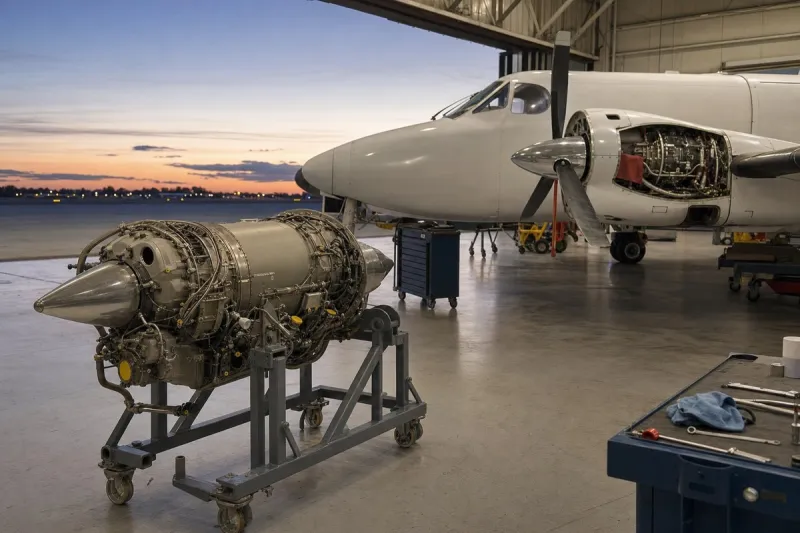
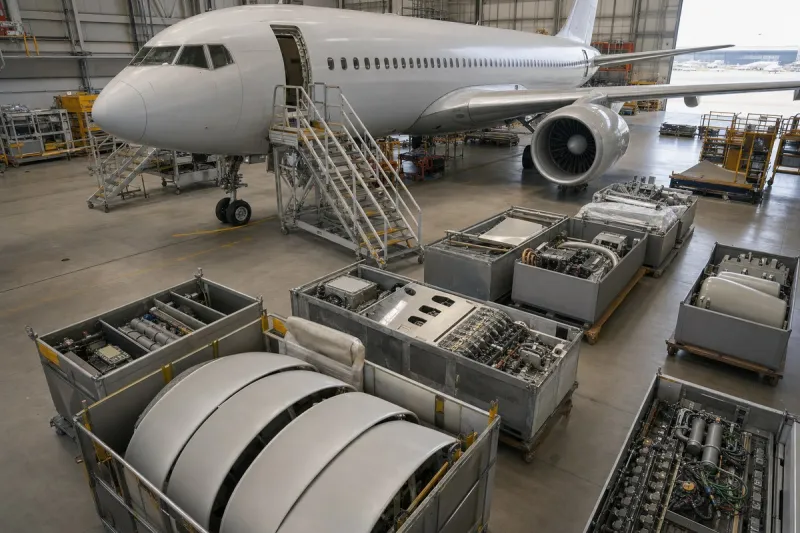
The proactive strategy combines hourly payments into an engine maintenance program with disciplined preventative maintenance and preservation. The reactive strategy is pay-as-you-go maintenance, with no program enrolment and minimal preservation. Scheduled maintenance is represented as a program fee on the proactive side and a self-funded overhaul accrual on the reactive side. The proactive side adds the cost of preservation, while the reactive side carries the expected cost of events that neglect invites.
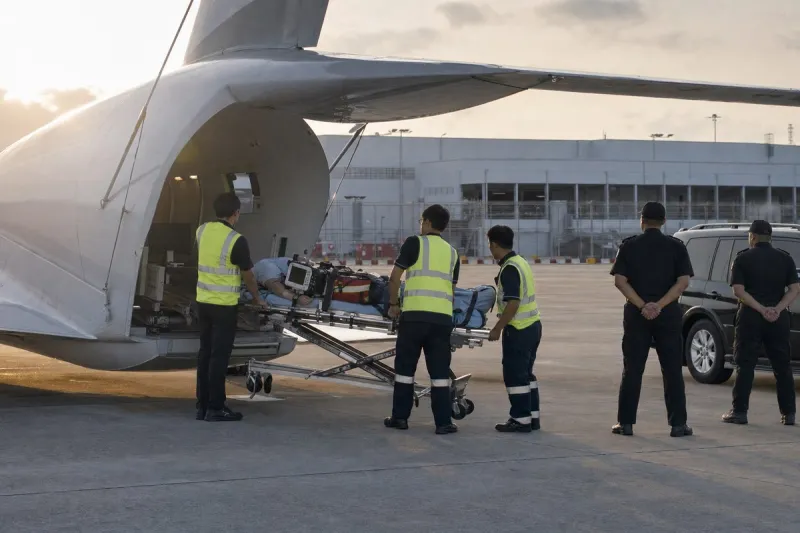
Over the ten-year hold, the present value of operating costs is $2m on the proactive path and $4m on the reactive path. The reactive owner spends less on annual scheduled maintenance, but faces an estimated 12 grounded days (AOG) per year, 10 more than the proactive owner. Expected annual corrosion costs and self-funded warranty and service-bulletin exposure are also factored in.
Residual value widens the gap. The proactive owner gains a present-value uplift of more than $200k from selling higher and faster with a recognized engine maintenance program. The reactive aircraft suffers a present-value penalty of more than twice that figure, because buyers deduct the cost of enrolling neglected engines in a program. Combined, the residual-value advantage exceeds $620k in favor of the proactive owner. Adding the operating-cost difference gives a net present advantage for proactive care of about $2.6m.
Sensitivity to utilization and corrosion
The advantage moves with the assumptions. On utilization, the ten-year net present advantage ranges from roughly $0.83m at 600 hours a year to $2.61m at 200 hours, because the program fee scales with flight hours while several of the benefits are fixed.
On corrosion, each 4% rise in corrosion risk adds about $0.40m to the proactive advantage, and even at 0% corrosion risk the advantage is about $1m. The model sets the reactive-path corrosion probability at 16% per year, defined as the yearly chance of corrosion serious enough to require engine teardown.
Where the author sees proactive care paying off
The author says proactive care makes most sense when the aircraft is financed, a resale is planned, it is based in or often operates in humid or coastal environments, or an unexpected grounding would be costly. It makes less sense for operators flying very high hours in dry climates, hangaring the aircraft and keeping impeccable preservation discipline.
For buyers, a neglected aircraft can be good value only with a rigorous pre-purchase inspection and a price reflecting program enrolment and true catch-up costs, including hidden corrosion.
Industry impact & what to watch
The model recasts engine care as a financing and resale question as much as a maintenance one. The reactive owner's visible saving sits in annual scheduled maintenance; the offsetting costs arrive later, as grounded days, corrosion events and a lower sale price once a buyer discounts for program enrolment. Because those costs surface at different times and to different parties, they are easy to underweight when comparing quotes.
For the pre-owned market, the result points to engine program status and preservation records acting as price-setting items rather than paperwork. A buyer who deducts the cost of enrolling neglected engines is effectively pricing the seller's past maintenance choices, which gives sellers with immaculate records a negotiating edge.
The sensitivity runs also show where the case is weakest: at 600 hours a year the advantage shrinks to roughly $0.83m, and the author notes that high-hour operators in dry climates with strong preservation discipline have less to gain. Any single aircraft's result depends on its own hours, climate and records, so the headline $2.6m is best read as a modelled case for one representative airframe, not a market average.