Air 7 Asia details how it manages politically sensitive air ambulance transfers
Why It MattersPolitically sensitive medevac flights make security coordination with authorities and ground handlers part of the operating product, so a provider's agency relationships carry as much weight as its aircraft and medical crew.
What happened
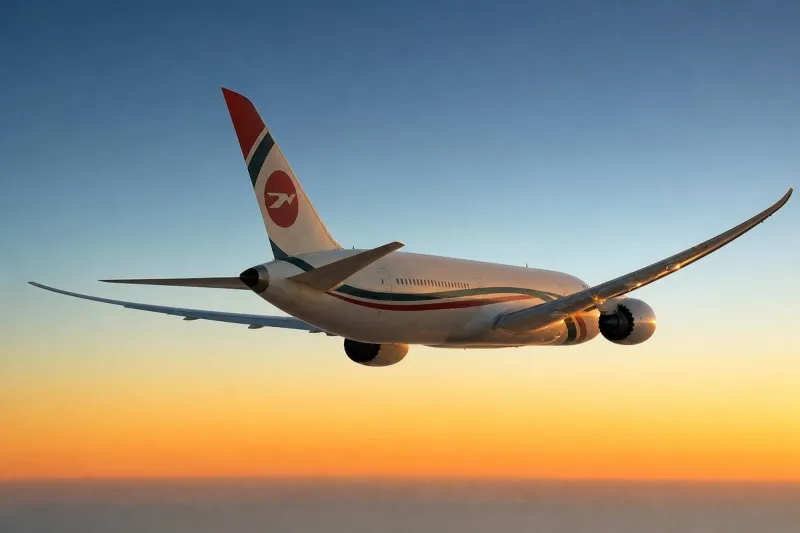
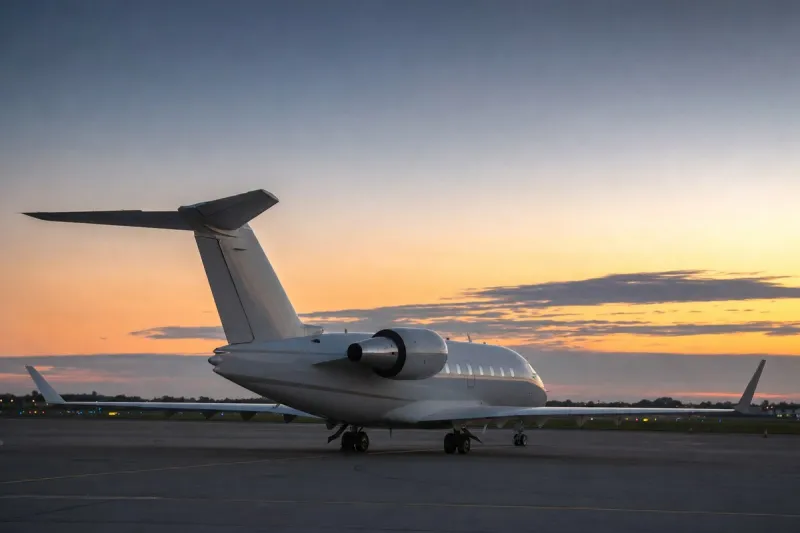
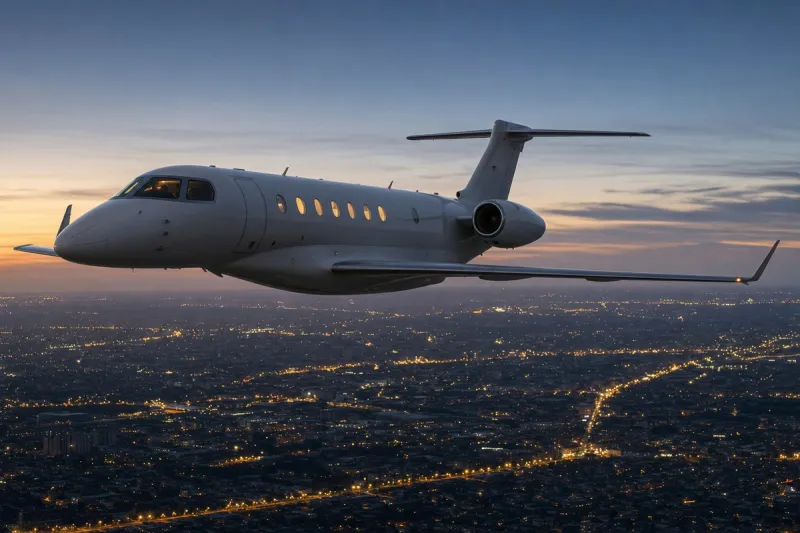
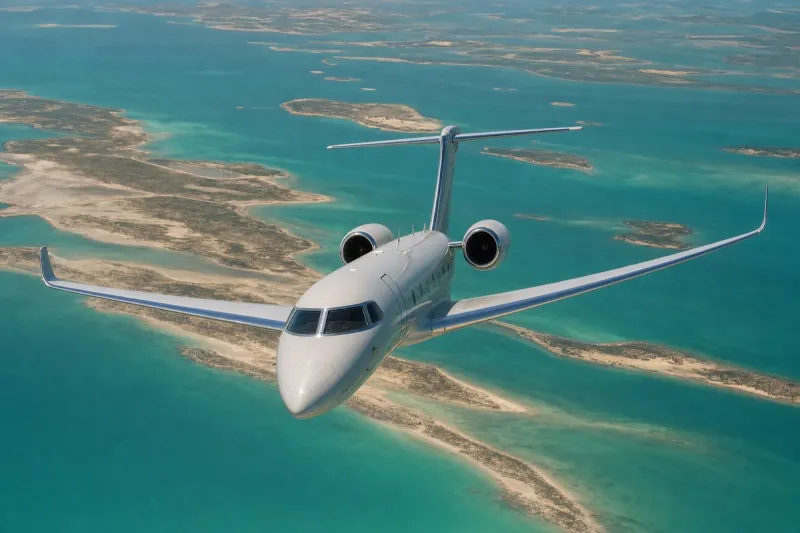
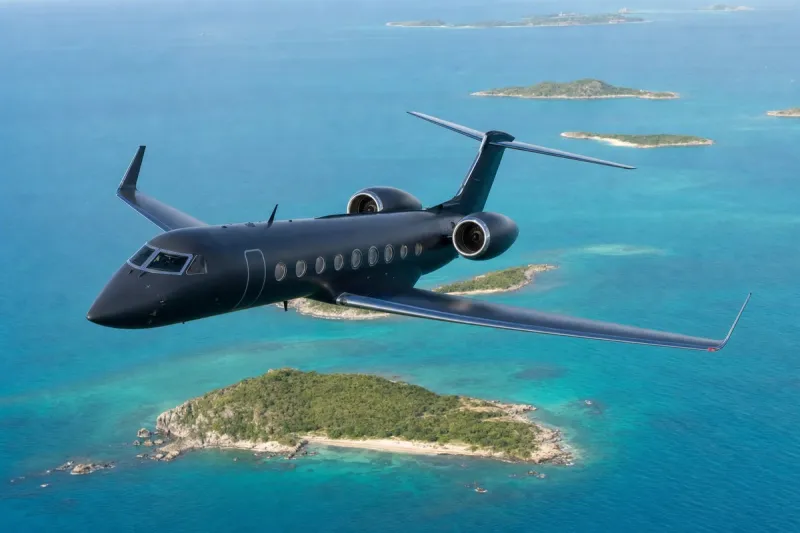
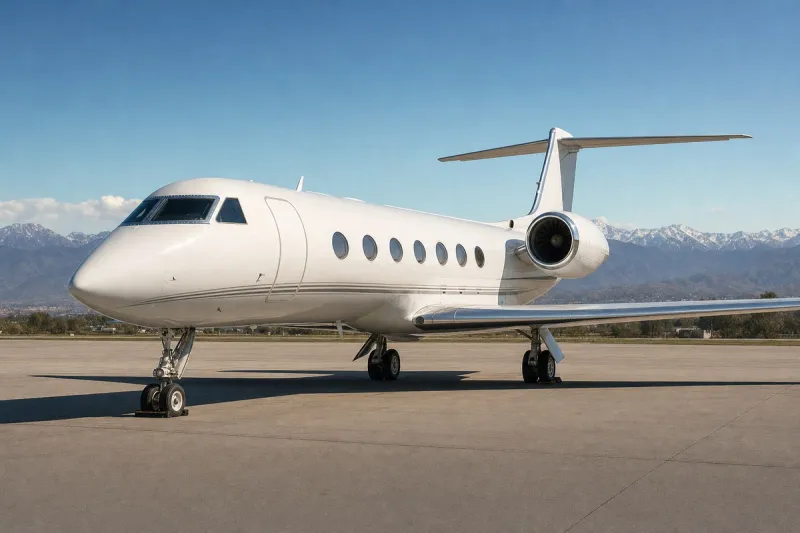
Air 7 Asia, a Singapore-based air ambulance and private aviation company, has set out how it manages politically sensitive patient transfers. The account comes in a sponsored piece by Commercial Director David Allen, published in ITIJ issue 310 (November 2026).
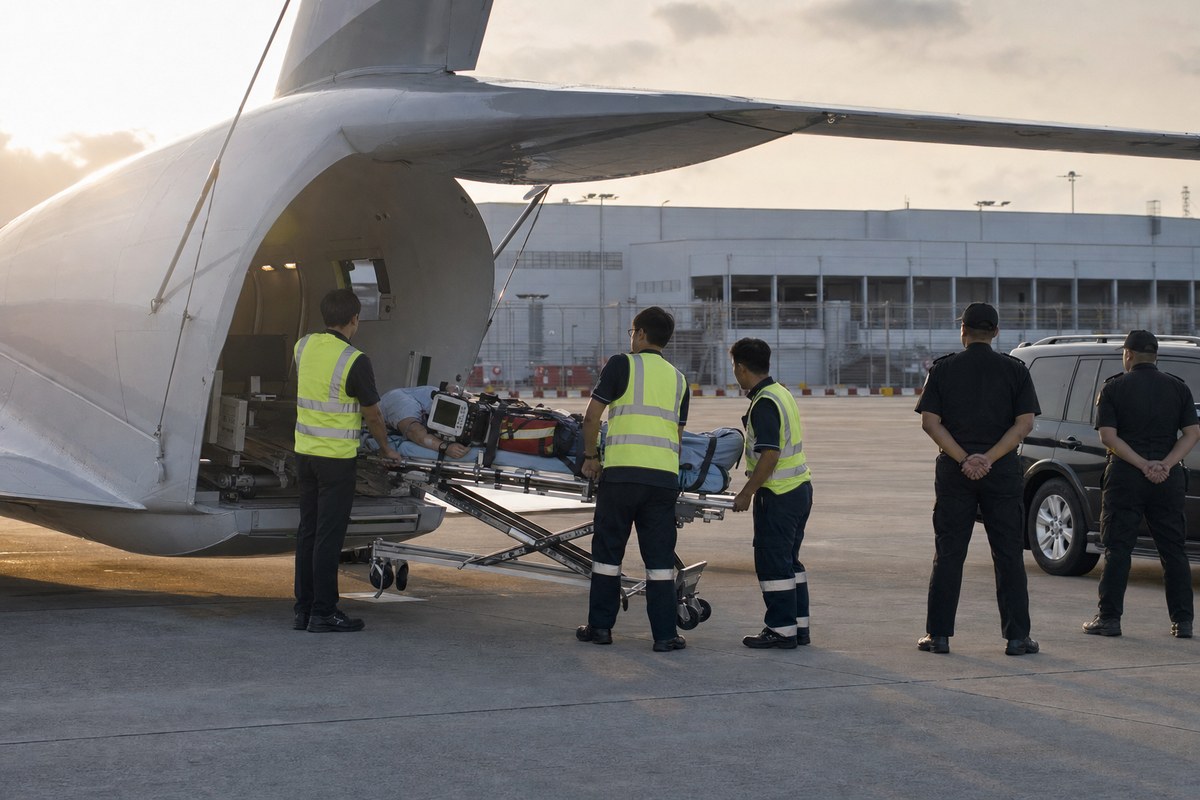
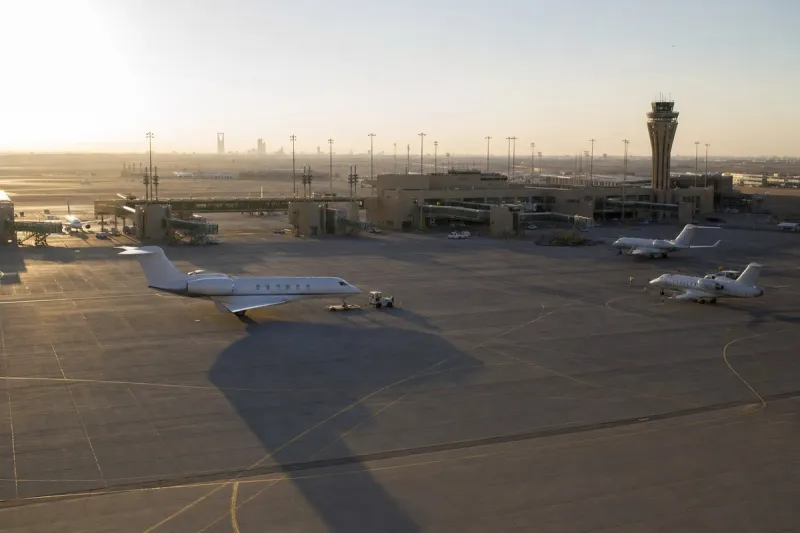
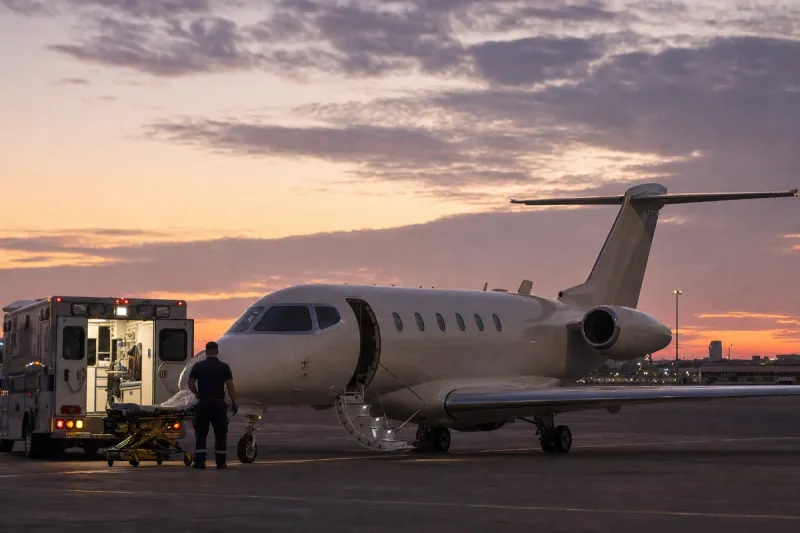
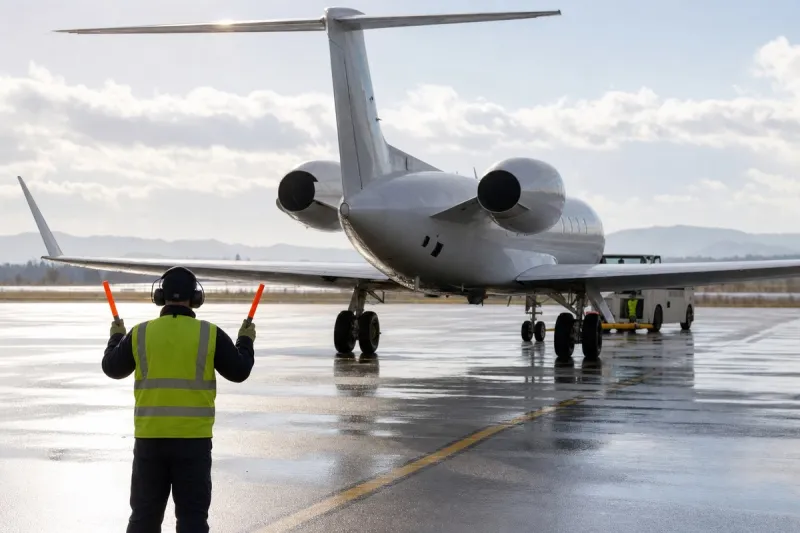
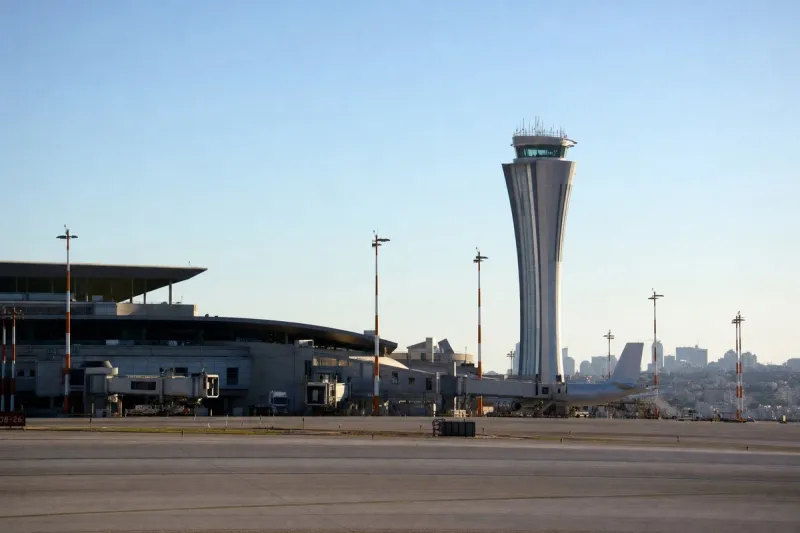
The company works with local authorities and ground handlers to establish crowd control at both airports and hospitals, so that the patient, medical crew and equipment can reach the aircraft without delay or exposure. Where security conditions require it, Air 7 Asia also coordinates security-related changes to standard instrument departure procedures.
Industry impact & what to watch
Air ambulance work is usually discussed in terms of aircraft, medical configuration and response time. A politically sensitive transfer adds a layer the cabin cannot solve: the movement between hospital, ramp and aircraft is exposed, and it depends on parties the operator does not control. Crowd control at both ends and adjusted departure procedures show that security coordination is part of delivering the flight, not an optional extra.
That shifts how providers in this segment differentiate. Relationships with local authorities and ground handlers, and the ability to arrange them at short notice in another jurisdiction, become capabilities in their own right. Because this account is a sponsored piece written by the company's own commercial director, it describes intended practice rather than independently verified performance.