Redstar Aviation, Founded in 1989, Details Integrated Air Ambulance Model and Transatlantic In-Flight Medical Escort Case
Why It MattersThe case illustrates how medical escorts on scheduled flights add a layer of in-cabin clinical capacity that sits between dedicated air ambulance missions and the limited emergency kits airlines carry.
What happened
Redstar Aviation, founded in 1989, describes itself as a EURAMI-accredited international air ambulance operator with recognised capabilities in critical care and paediatric critical-care transports. The company says flight operations, medical coordination, pilot training and engineering sit within the same organisation, and that it runs a 24/7 multilingual medical coordination and alarm centre. It reports experience with complex adult, paediatric and neonatal patients, and with missions in conflict-affected environments and remote or high-altitude locations such as Kathmandu and Skardu.
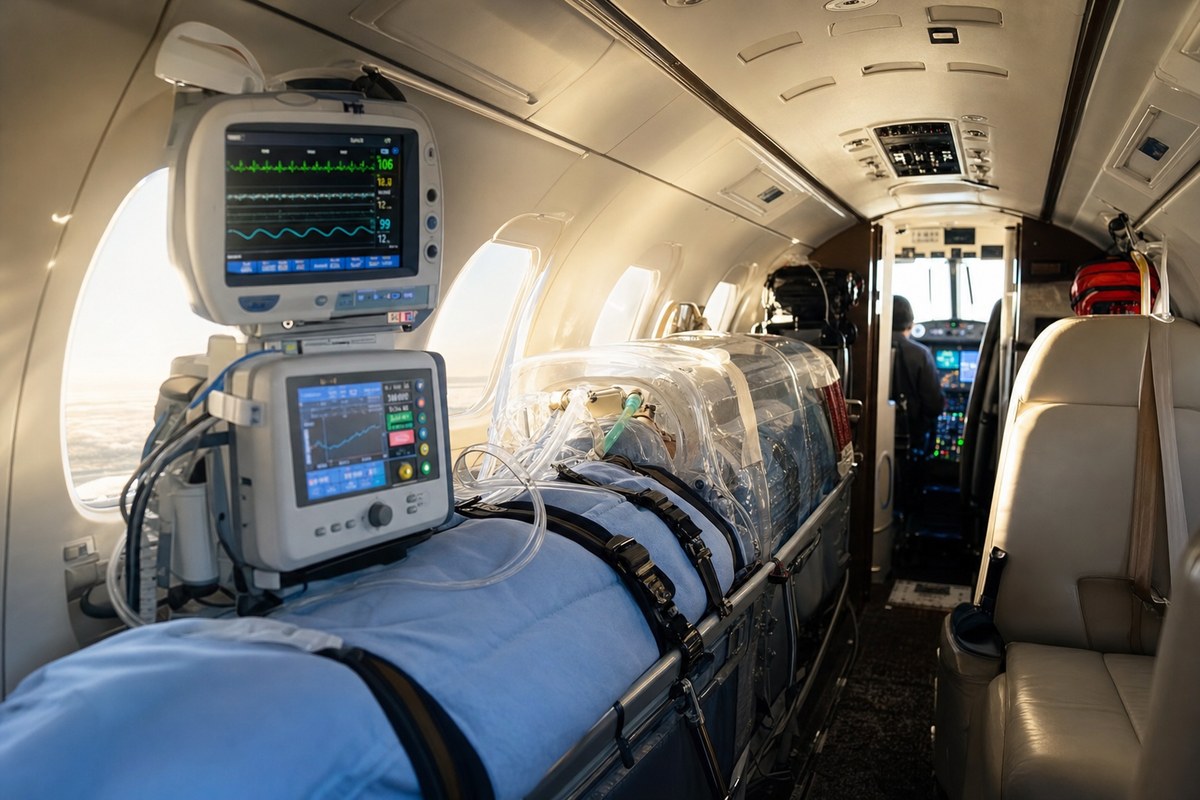
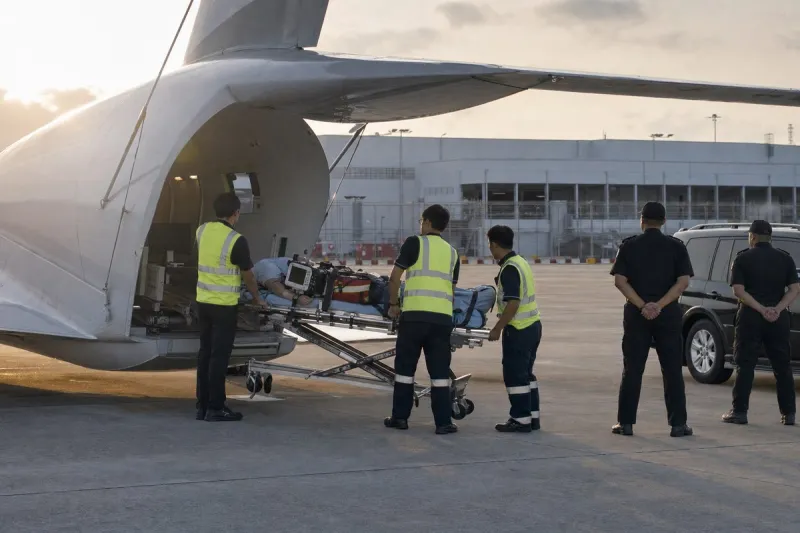
Beyond dedicated air ambulance flights, Redstar coordinates medical escorts on scheduled commercial flights, covering fit-to-fly assessment, medical equipment, stretchers, ground ambulances, airport logistics and hospital handovers. It is an EASA-approved Part 145 maintenance organisation. Its fleet includes the Bombardier Challenger 605 for long-haul multi-stretcher evacuations, the Bombardier Learjet 45XR for intensive-care dual-stretcher and medium-range repatriation, and the Leonardo AW139 for rotary-wing missions including offshore support, search and rescue, and specialised medical transport.
The sponsored feature, published in ITIJ issue 310 (November 2026), includes a case study. A Redstar medical escort boarded an Istanbul–Dallas flight of nearly 12 hours to accompany a stable 72-year-old woman recovering from knee surgery, who travelled with her husband and two sons. About two hours into the flight, an elderly male passenger fell ill with vomiting, severe shivering and confusion, and the crew asked for medical help. The Redstar escort and an American oncologist assessed him with the crew's emergency medical kit; his temperature had reached 39.5°C.
The flight crew consulted ground medical support and, as the passenger responded to treatment, continued to Dallas rather than diverting. When his oxygen saturation fell to roughly 86–87%, supplemental oxygen from cabin equipment restored it to about 98%. Three to four hours after the first episode, fever and shivering recurred; the interventions and oxygen support were repeated and he stabilised. Throughout, the escort kept checking on the original patient, assisting with mobility, lavatory visits and routine medication.
Industry impact & what to watch
The episode shows a gap that medical escort providers position themselves to fill: scheduled airlines carry an emergency medical kit and rely on volunteer clinicians and ground medical support, while a dedicated air ambulance sits at the opposite end in cost and capability. An escort travelling as a passenger gives a patient-specific clinician on board and, as this case shows, can also become a second pair of trained hands when another passenger deteriorates.
The diversion decision is the other structural point. Crews working with ground medical support must weigh a passenger's response to treatment against the cost and disruption of landing short, and on a flight of nearly 12 hours that judgement can repeat over several hours. Having clinicians able to reassess and report vital signs to the ground adviser gives that decision more to rest on.
The account is a sponsored feature written from the operator's own perspective, so it demonstrates the service model rather than measuring how often such in-flight interventions occur. Independent figures on in-flight medical events, and on how often escorts are drawn into them, would be the data that tests how general this case is.