FAA Orders Fuel Tank Sealant Inspections on Certain Boeing 787s After Production Records Could Not Be Verified
Why It MattersGaps in manufacturing documentation can convert into fleet-wide in-service inspection obligations, shifting verification costs and downtime from the production line to operators, with warranty terms deciding who ultimately bears them.
What happened
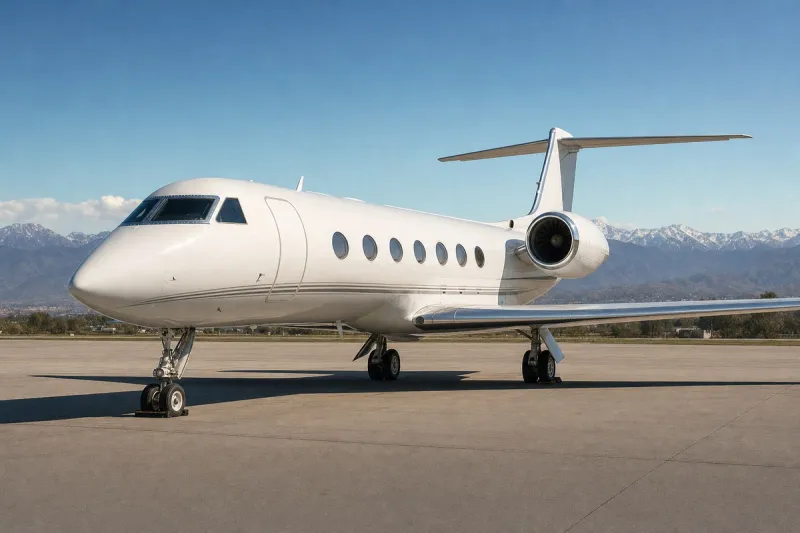
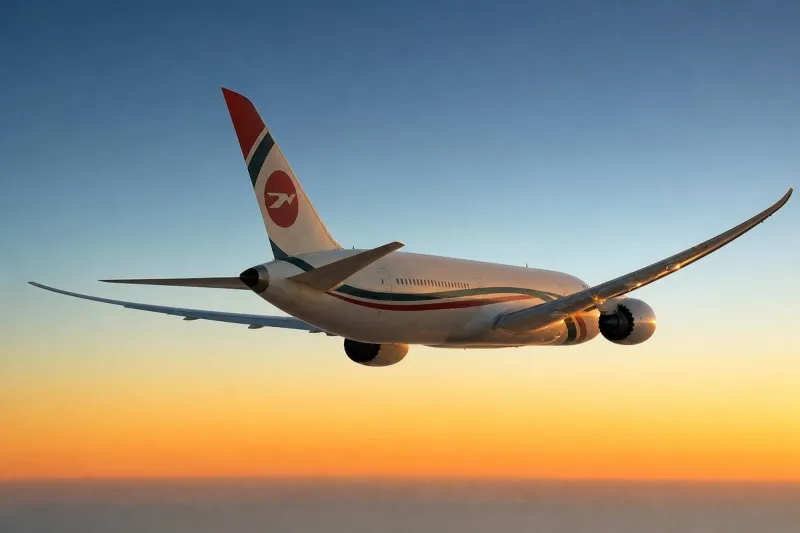
The FAA has issued an airworthiness directive requiring inspections of fuel tank sealant on certain Boeing 787-8, 787-9 and 787-10 aircraft, effective Dec. 7. The agency determined that required production inspections could not be verified: sealant installations within the center wing fuel tank lacked Boeing documentation confirming the required visual and adhesion inspections during manufacturing.
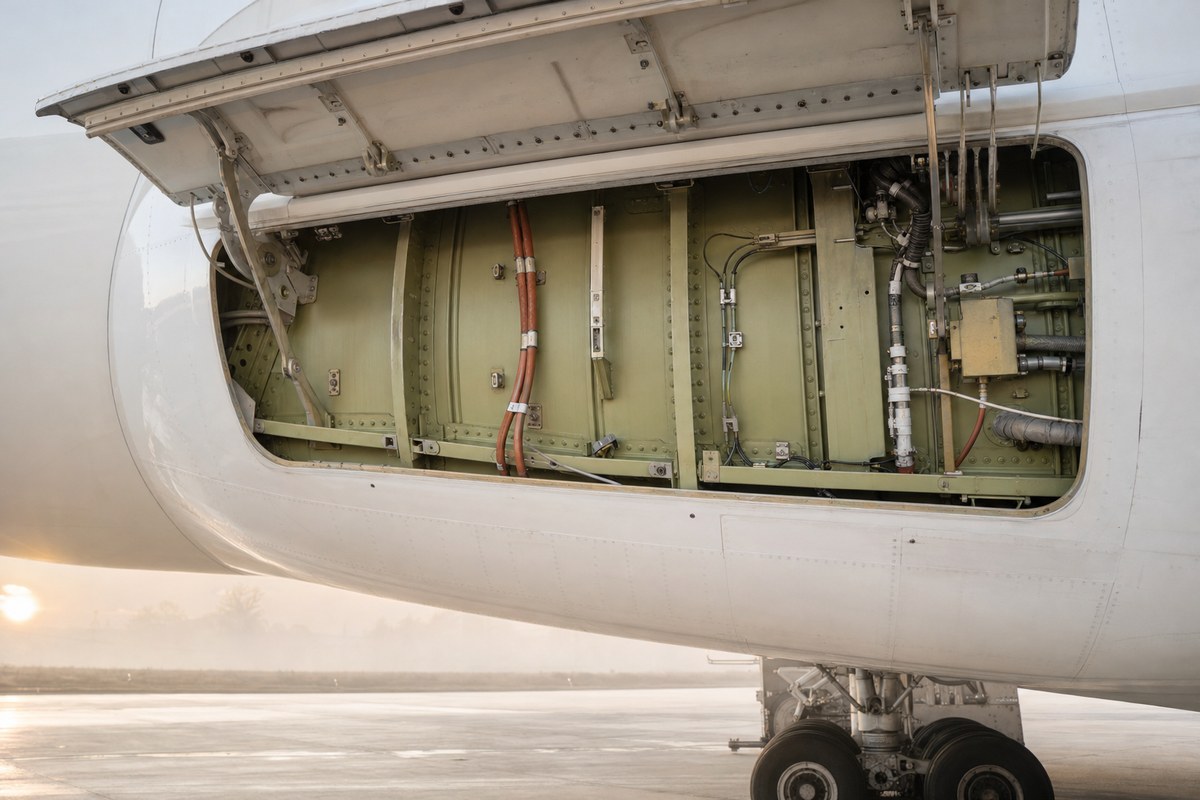
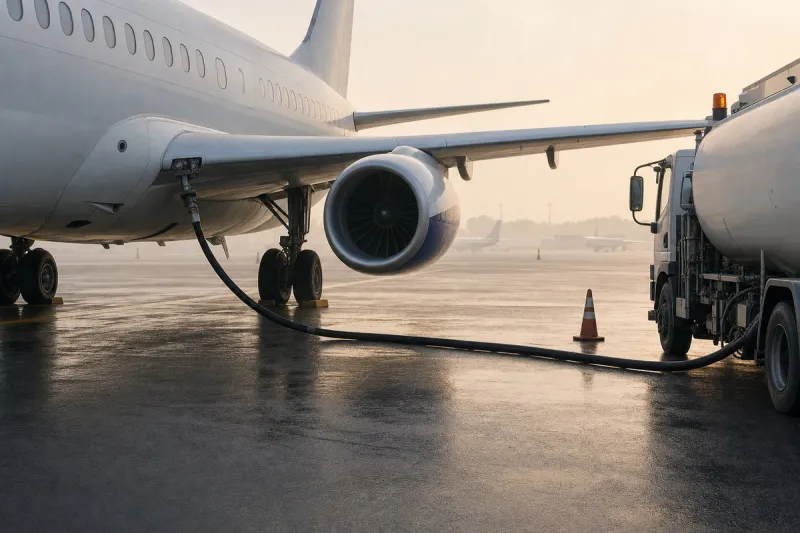
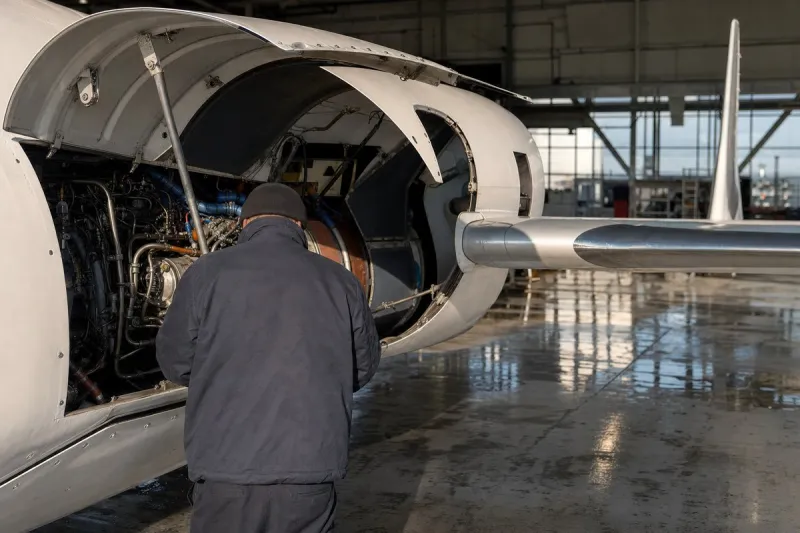
Under the directive, operators must examine sealant installations in the left, right and center wing side-of-body areas, conduct adhesion tests and complete repairs where necessary. The FAA stated that the unsafe condition, if not addressed, could result in the development of an ignition source within the fuel tank volume and a risk of a fuel tank explosion during a lightning strike event. The agency previously raised similar concerns involving fuel tank fastener seals on Boeing 777 aircraft.
The FAA estimates the directive affects 60 U.S.-registered aircraft. The inspections and adhesion testing are expected to take about 34 work-hours per airplane, at an estimated cost of $2,890 each, or $173,400 across the affected U.S. fleet. These estimates exclude any additional repairs, for which the agency said it lacked sufficient cost data. Some expenses may be covered under Boeing's warranty.
Comments during rulemaking
During the rulemaking process, Boeing and American Airlines requested changes to the repair requirements, and American also sought clarification of the inspection areas. The FAA accepted Boeing's proposal to permit repairs performed under specified airworthiness limitations and clarified the required adhesion testing locations.
The agency also confirmed that the required sealant inspections are being performed during production on aircraft outside the directive's scope. The rule follows the FAA's July decision to restore Boeing's authority to issue airworthiness certificates for newly produced 787 and 737 MAX aircraft.
Industry impact & what to watch
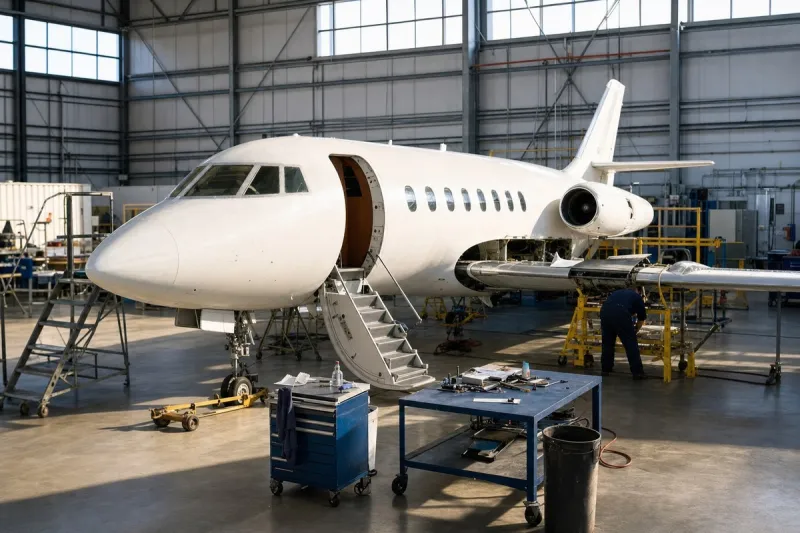
The directive turns a documentation gap at the factory into a physical inspection task for aircraft already in service. Because the FAA could not verify that the original inspections took place, the check is repeated on the airplane, and the labor falls on operators even though the cause sits in production records. Warranty coverage, which the FAA says may apply to some expenses, becomes the mechanism that decides how much of that burden is passed back to the manufacturer.
The FAA's $173,400 estimate covers inspection and adhesion testing only. Repair costs were left out because the agency lacked data, so the total exposure for operators depends on what the inspections find. The reference to earlier fastener seal concerns on the 777 shows the agency treating fuel tank sealing as a category of concern rather than a one-off.
The next concrete milestone is the Dec. 7 effective date, after which operators of the affected 787s must schedule the inspections and any resulting repairs.