Israel Plans Ben Gurion Airport Closure of No More Than 12 Hours in Any New Iran Conflict
Why It MattersThe Dubai case shows that a short airport closure and a long airline absence run on separate clocks, because each carrier decides its own return on risk and cost grounds.
What happened
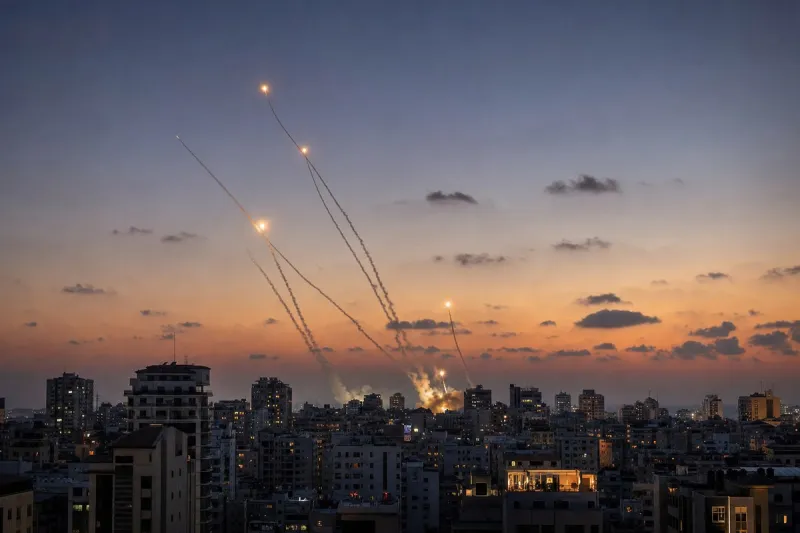
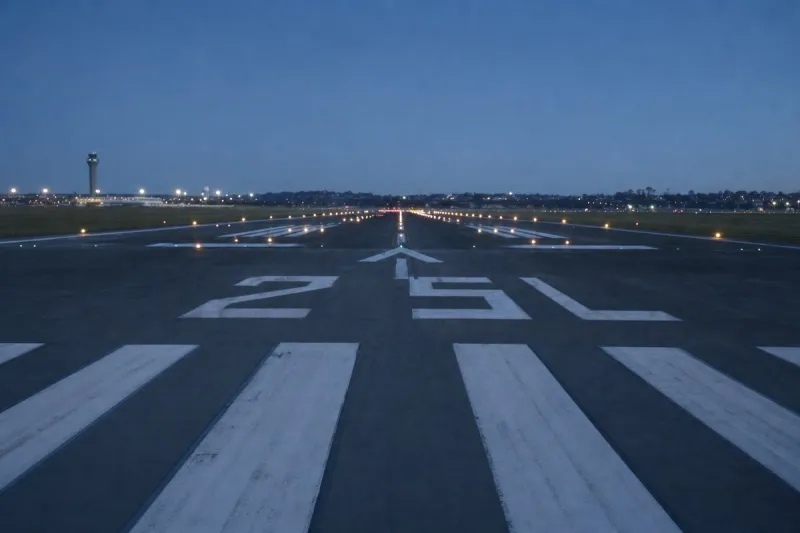
Israel's aviation industry is preparing for a possible airspace closure and temporary suspension of operations at Ben Gurion Airport amid concerns over renewed fighting with Iran. Senior aviation industry officials told Israel Hayom that the plan calls for keeping any closure as brief as possible: the airport would close for no more than 12 hours if fighting breaks out again, then gradually resume flights subject to security assessments.
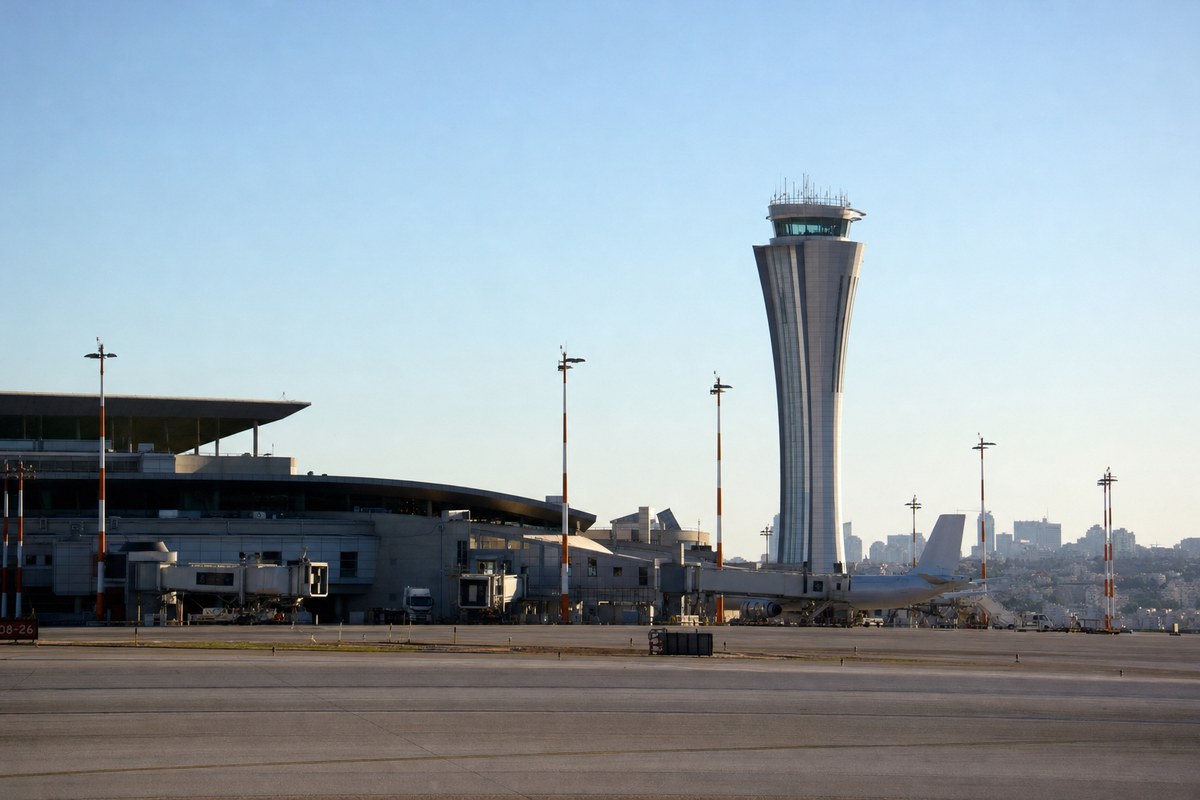
Initially the airport would operate under severe restrictions, allowing just two flights per hour and limiting the number of passengers on each flight.
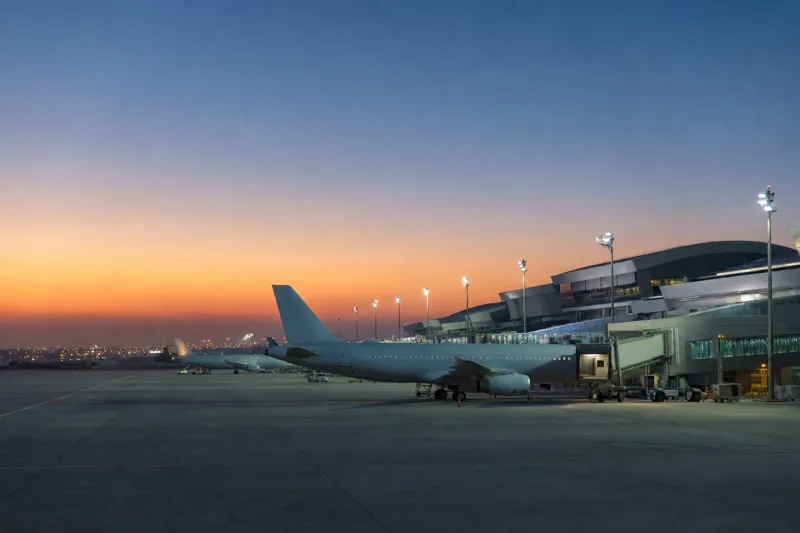
The continuing aviation crisis in the United Arab Emirates shows how long the effects of a regional war can last. At least 16 airlines based outside the Gulf states are still not flying to Dubai, and some have said they will not return until spring 2027. The airport itself remains operational, and local carriers such as Emirates and flydubai continue to run extensive schedules.
KLM will not resume Dubai flights until March 27, 2027; Singapore Airlines has extended its suspension through the end of February; Finnair has canceled Dubai services for the entire winter season.
Each airline decides for itself when to resume, based on risk assessments, airspace restrictions, operating costs and commercial considerations.
Industry impact & what to watch
The Dubai experience points to a structural feature of airport disruption: the length of a closure and the length of the commercial impact are two different things. An airport can reopen within hours while foreign carriers stay away for months, because the return decision sits with each airline and rests on its own reading of risk, airspace restrictions, operating costs and commercial considerations.
For Israel, that means a closure of 12 hours or less would not by itself settle how quickly service recovers. Foreign carriers could suspend flights for considerably longer even if Israeli airspace stays open. If they do, Israeli travelers could face fewer available seats, reduced competition, higher airfares and fewer options for reaching destinations worldwide.
The measures that would show how recovery goes are the ones the plan leaves to security assessments: how long the two-flights-per-hour limit stays in place, and when individual foreign airlines announce resumption dates. Carriers that publish return dates early would be the first signal that the Dubai pattern is not repeating.