Trump says in Kansas he does not plan to hurt Bombardier, more than a month after threatening to bar it from US market
Why It MattersBombardier's US workforce and Kansas footprint appear to have shaped how far a trade threat against a foreign-based jet maker could go, showing that domestic employment can blunt tariff leverage against OEMs.
What happened
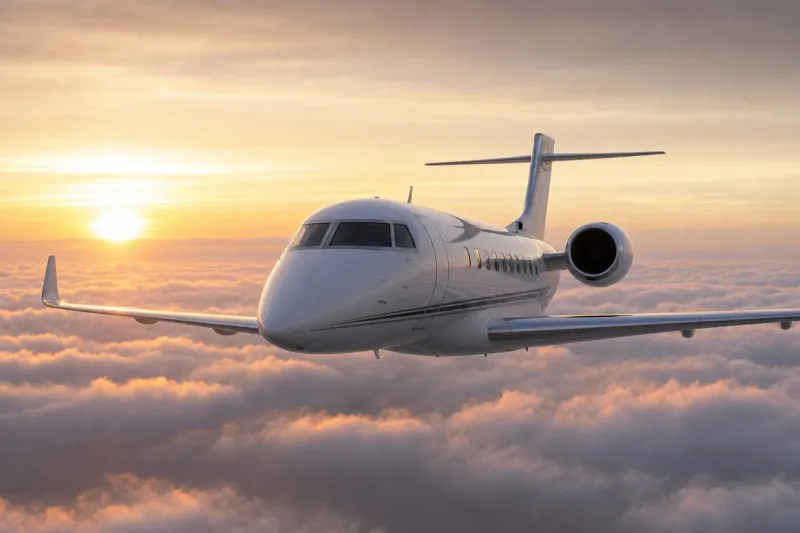
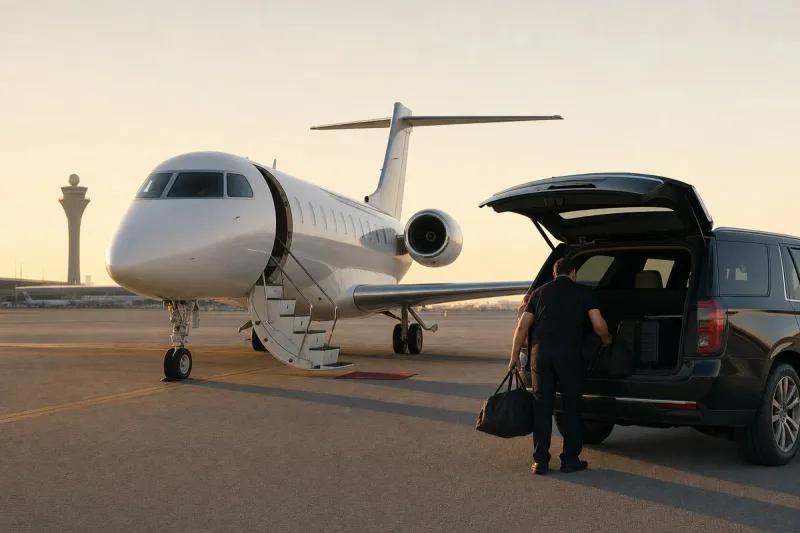
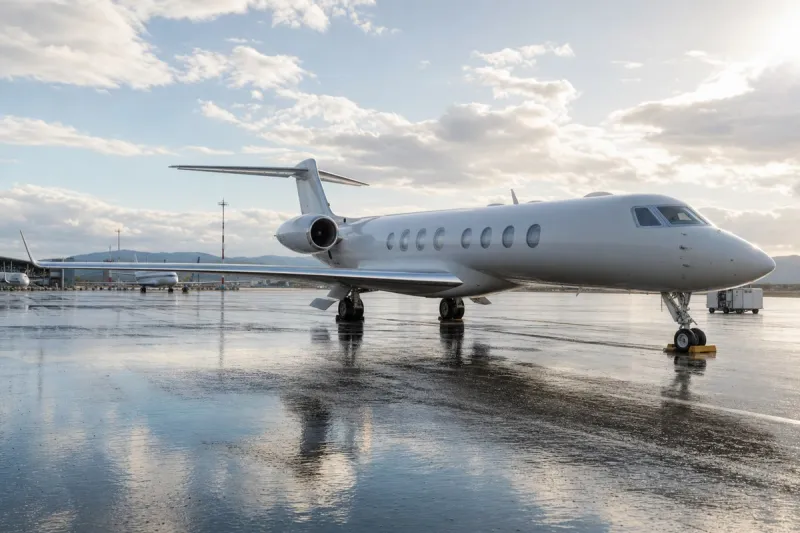
President Donald Trump said on 19 October that he does not plan to hurt Canadian jet maker Bombardier, more than a month after he threatened to bar the company from the US market. He spoke in Wichita, Kansas, where Bombardier employs 1,500 workers. His September threats prompted calls to the White House from Kansas lawmakers, including Republican Senator Roger Marshall, who is facing a tough re-election bid.
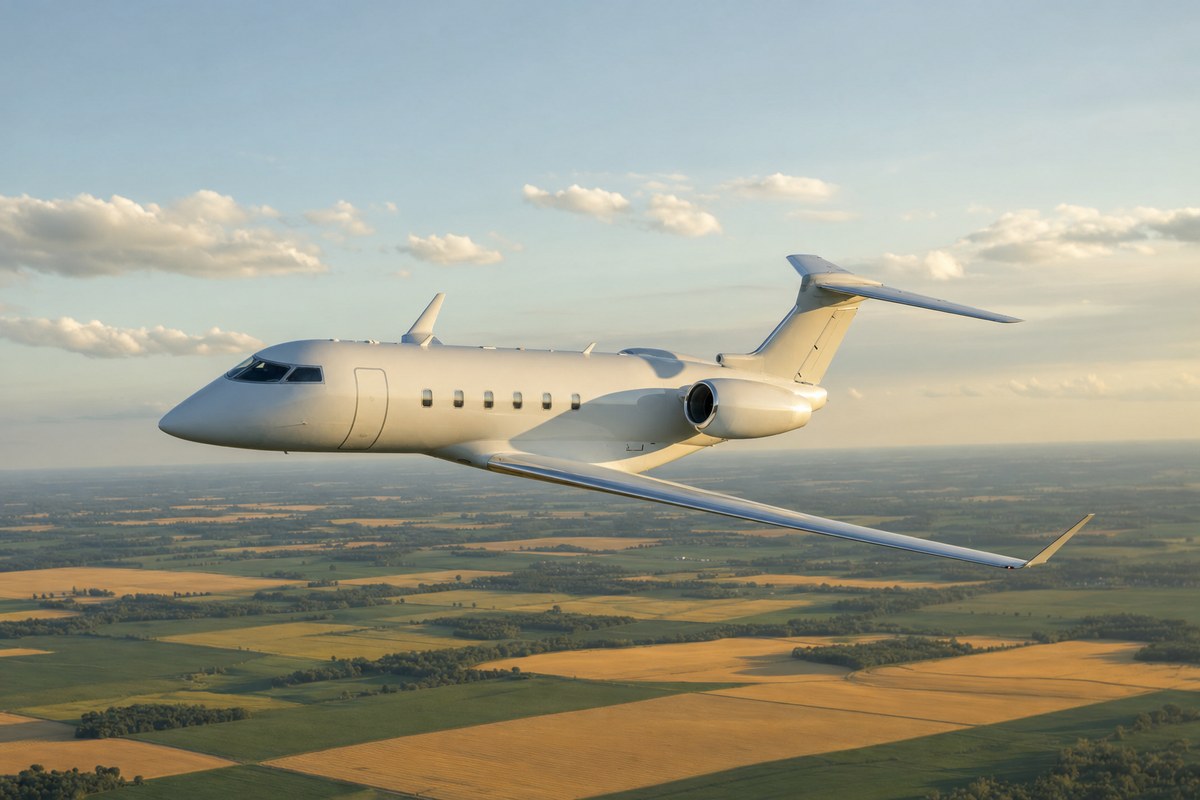
"I'm going to be helping a certain air company get themselves straightened away. I'll be helping them because I always viewed them as a Canadian company," Trump said. "But now I find out they have a presence here, and we're not hurting them if they're in Kansas. So we'll take care of those people and the jobs." The White House and Bombardier did not immediately comment.
Bombardier has 3,500 jobs in the United States, more than 40% of them in Wichita. Last week the company said it was investing another $50 million in its Wichita operations as part of long-term growth plans in the state. Kansas is home to Bombardier's US headquarters and Bombardier Defense, and the company plans to open a facility in Fort Wayne, Indiana.
Last month the Trump administration banned a broad range of Canadian alcoholic beverages, motorcycles and dairy products from import, effective 29 September, but took no action against Bombardier. That action followed Canada's retaliatory tariffs on US goods, which took effect in early September after Washington imposed tariffs on some $20 billion of Canadian goods in August, once several rounds of negotiations collapsed.
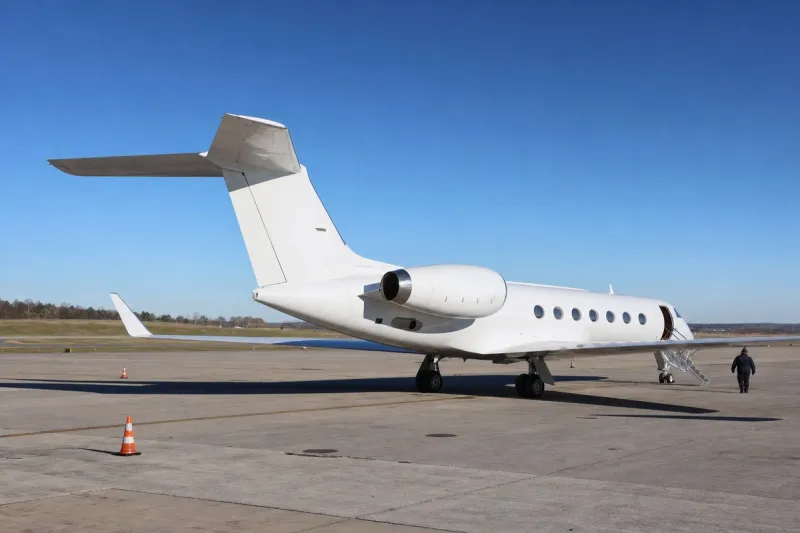
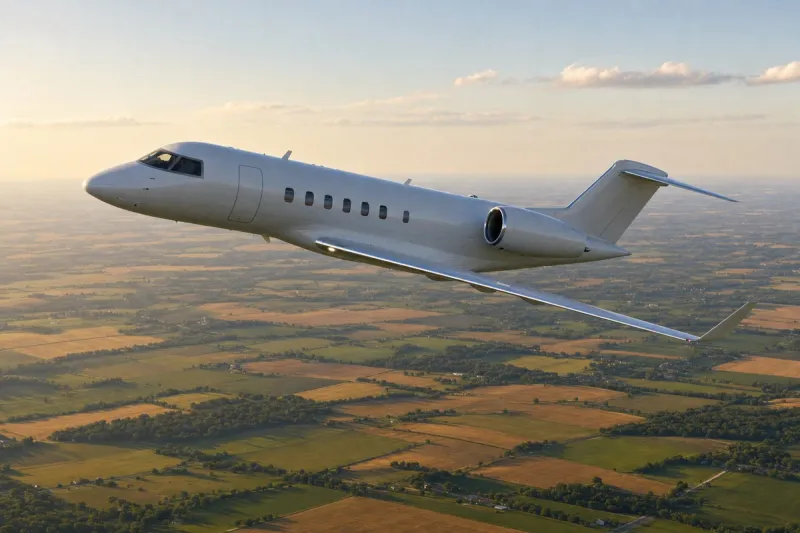
It was not immediately clear last month how Trump could bar Bombardier private jets from delivery to American customers, since they have been approved by the US Federal Aviation Administration. Trump's threats in February to decertify Bombardier aircraft over a certification dispute involving US rival Gulfstream Aerospace never materialized, and Transport Canada eventually approved the American-made jets.
Industry impact & what to watch
The sequence shows how trade pressure on a business-jet OEM tends to be constrained by where the company's people and plants are. Bombardier's pitch in Kansas rests on 3,500 US jobs and fresh investment in Wichita, and the president's own words tie the change of tone to that presence. For an OEM with a large American workforce, a nationality label carries less weight in a trade dispute than the payroll in a swing-sensitive state.
The regulatory route also looks narrow. Bombardier's jets already hold FAA approval, so a market bar would have needed a mechanism beyond ordinary certification, and the February decertification threat ended without effect. Buyers and lessors of Bombardier aircraft have so far seen no formal action touching delivery or registration, and the import bans of 29 September did not extend to aircraft.
The next signal is a written position from either side. Neither the White House nor Bombardier had commented, so the remarks in Wichita remain spoken words rather than policy, and the wider tariff exchange between Washington and Ottawa is still unresolved.