India Notifies Bharatiya Vayuyan Niyam, 2026 to Replace 1937 Aircraft Rules, Effective January 1, 2027
Why It MattersA consolidated rulebook that keeps most existing requirements while moving them under the 2024 Adhiniyam shifts India's aviation regime onto a single modern statutory footing without a break in operating obligations.
What happened
India's Ministry of Civil Aviation has notified the Bharatiya Vayuyan Niyam, 2026, a new set of rules for the civil aviation sector that replaces the Aircraft Rules, 1937. The rules were published in the Gazette of India on Saturday and come into effect on January 1, 2027.
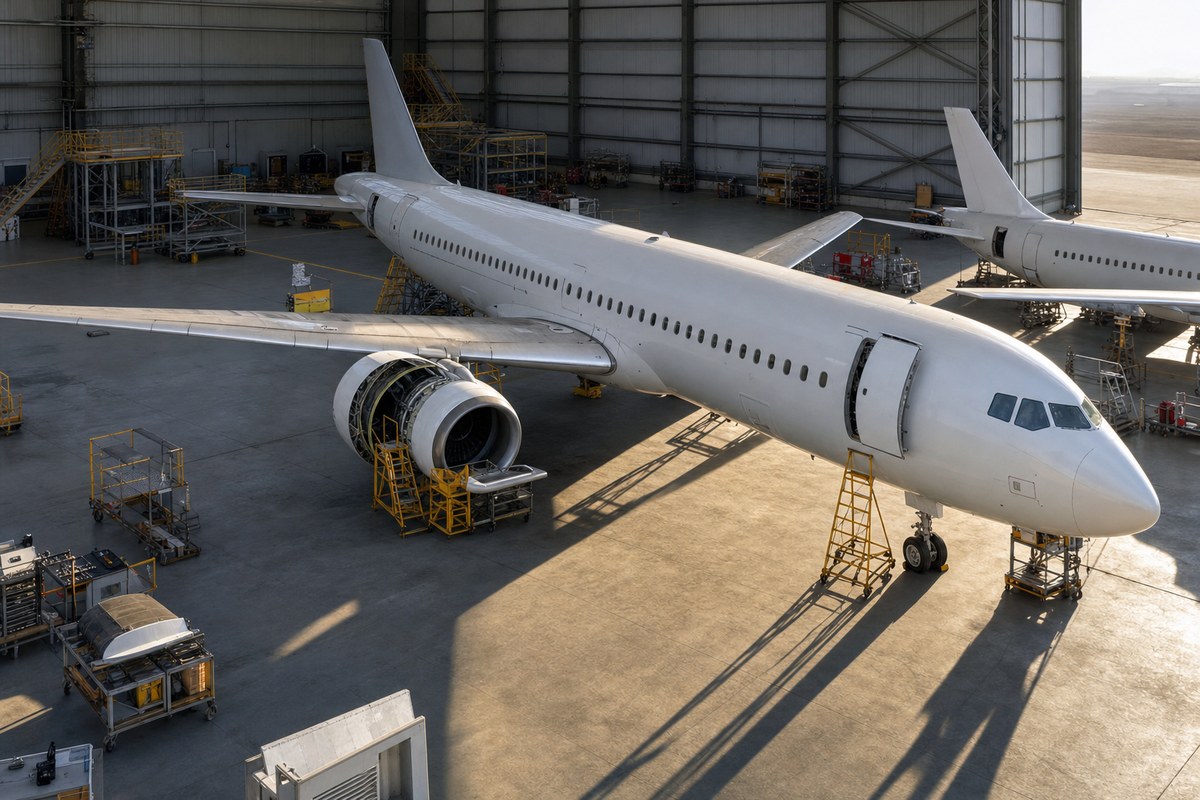
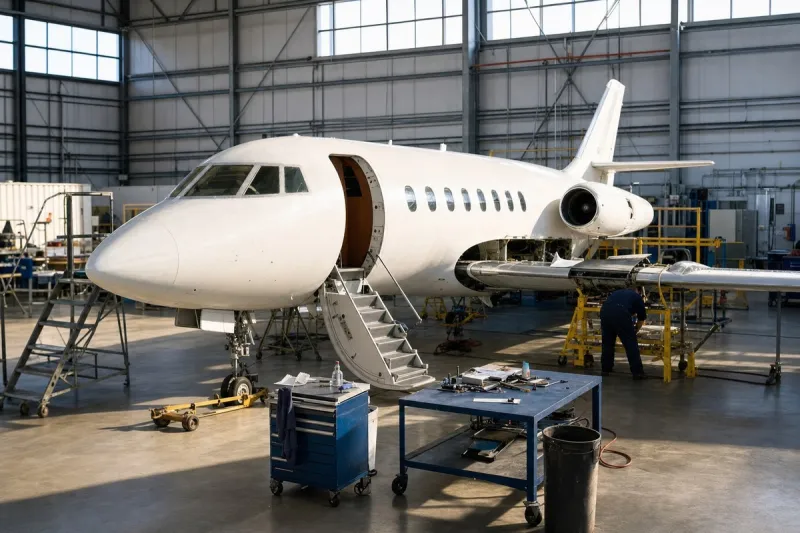
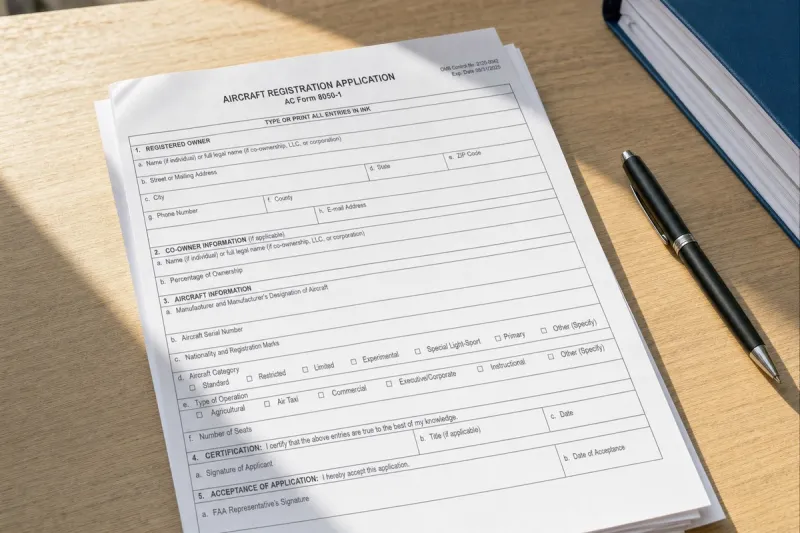
The rules provide the regulatory framework for aircraft registration, manufacturing, safety certification, maintenance, flight operations, personnel licensing and airport operations, and set out the responsibilities of aircraft owners, operators, airlines and other aviation entities. They specify requirements for registering aircraft in India and obtaining certificates showing an aircraft is safe to fly, and cover the approval of aircraft designs, manufacturing processes, modifications and repairs. Operators must ensure regular inspections and maintenance so that aircraft remain fit to fly.
For personnel, the rules prescribe qualifications, training, examinations, experience and medical fitness requirements for licences held by pilots, aircraft maintenance engineers and air traffic controllers, and set the conditions under which licences can be renewed, suspended or cancelled. They also regulate flight and duty time limits and minimum rest periods for pilots and cabin crew to prevent fatigue.
Although the new rules replace the 1937 rules, the broad regulatory framework remains largely similar, with many existing requirements on registration, airworthiness, personnel licensing, flight operations and airline tariffs retained. The earlier rules had been amended several times over the decades; the new rules consolidate the provisions and set out the regulatory responsibilities of the central government and the Directorate General of Civil Aviation (DGCA) under the Bharatiya Vayuyan Adhiniyam, 2024.
Airline tariff obligations
Airlines must set fares based on factors including operating costs and submit them to the DGCA in the prescribed manner and at specified intervals. They must publish tariffs on their websites or other digital platforms and disclose the total amount payable.
The base fare, taxes, fees, cancellation charges and refund conditions must be itemised separately. The DGCA will monitor tariffs charged by scheduled Indian airlines, and the central government can issue directions in extraordinary situations in the public interest.
Industry impact & what to watch
Replacing an 85-year-old instrument that had been amended repeatedly is mainly a housekeeping exercise in legal architecture: the substance of registration, airworthiness, licensing, duty-time and tariff obligations carries over, but it now sits in a single text tied directly to the 2024 Adhiniyam. For operators, MROs and training organisations, the practical change is in which document their compliance manuals and approvals cite, not in what is demanded of them.
The tariff provisions are where day-to-day commercial behaviour is most exposed. Itemised disclosure of base fare, taxes, fees, cancellation charges and refund conditions, combined with DGCA monitoring and a reserve power for central government directions, puts pricing transparency into the rules themselves for scheduled Indian carriers.
The date that settles how smooth the transition is is January 1, 2027, when the rules take effect; until then the 1937 rules remain the operative text.