Eve Air Mobility and FlyBIS Sign Binding Agreement for Up to 12 eVTOLs for Southern Brazil
Why It MattersThe step from a 2022 letter of intent to a binding order with firm units shows eVTOL demand hardening into fleet commitments while certification, vertiport and airspace questions stay open.
What happened
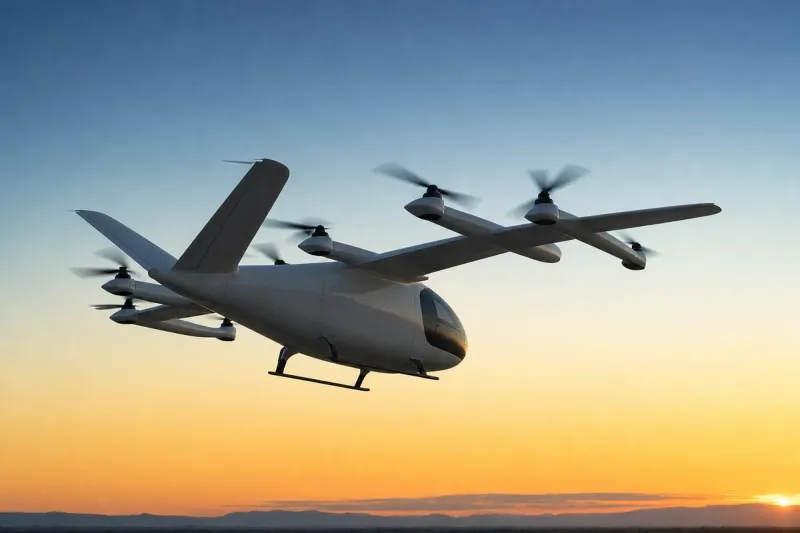
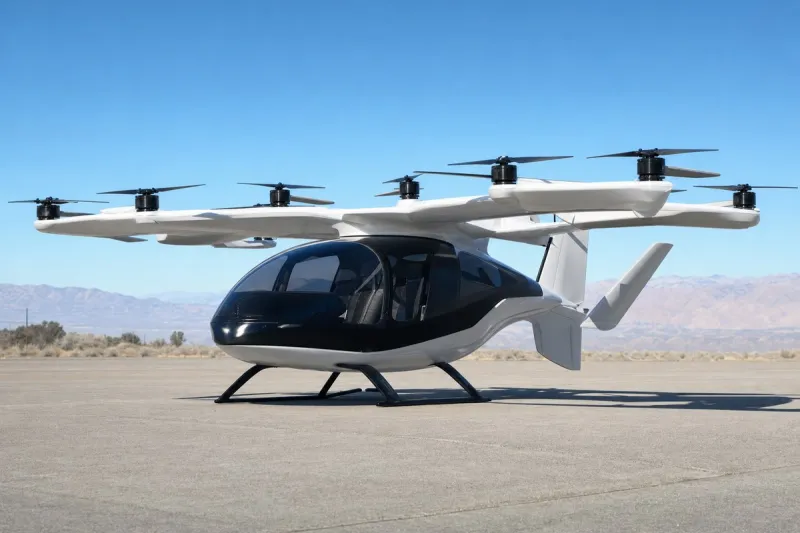
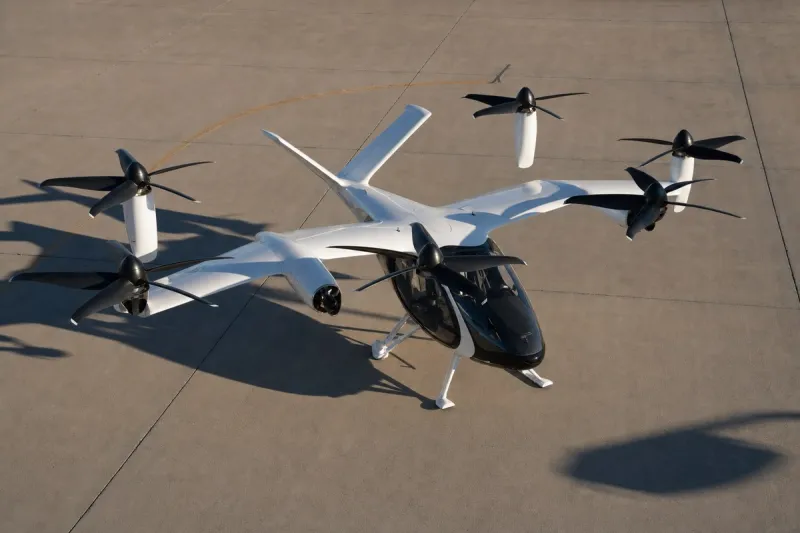
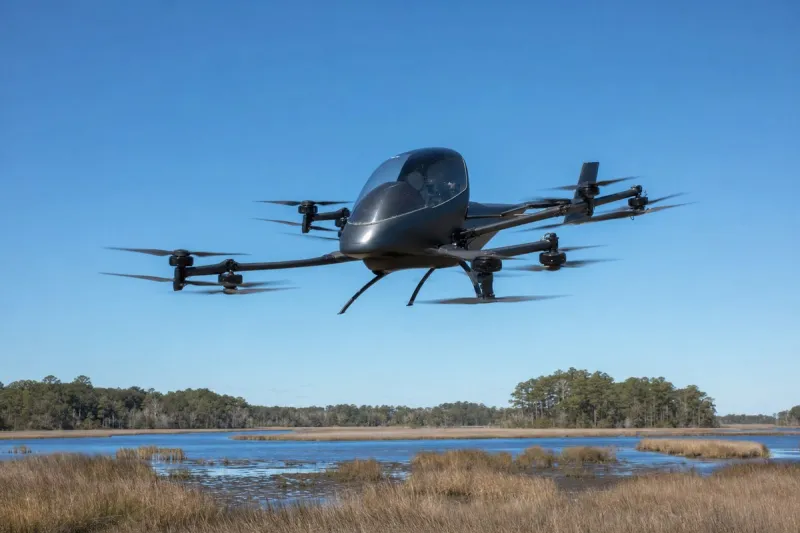
Eve Air Mobility (NYSE: EVEX; B3: EVEB31) and FlyBIS Aviation Limited announced on Nov. 4, 2026 a binding agreement for up to 12 electric Vertical Take-Off and Landing (eVTOL) aircraft. The agreement comprises two firm orders and purchase rights for ten additional units, and it builds on the Letter of Intent the two companies announced in 2022.

FlyBIS plans to deploy Eve's eVTOL in Southern Brazil, initially connecting destinations in Santa Catarina and Rio Grande do Sul. Potential routes include connections in Navegantes, Balneário Camboriú and Florianópolis along Santa Catarina's coastline, as well as services to tourism destinations in Rio Grande do Sul's mountain region, including Gramado and Bento Gonçalves.
The two companies will continue working on the requirements for entry into service, including network planning, operational readiness, infrastructure and the integration of eVTOL services into the broader transportation ecosystem. Eve CEO Johann Bordais said customers are progressing from early market development to concrete fleet commitments, while FlyBIS co-founder and CEO Gustavo Zanettini called the agreement a significant milestone for the company.
FlyBIS is an Advanced Air Mobility startup focused on Southern Brazil and Latin America, and it is launching a new strategic fundraising round to support fleet acquisition, strategic partnerships and network expansion. Eve Air Mobility is backed by Embraer and is listed on the New York Stock Exchange (EVEX) and the São Paulo Stock Exchange (EVEB31).
Flight testing and Brazilian government engagement
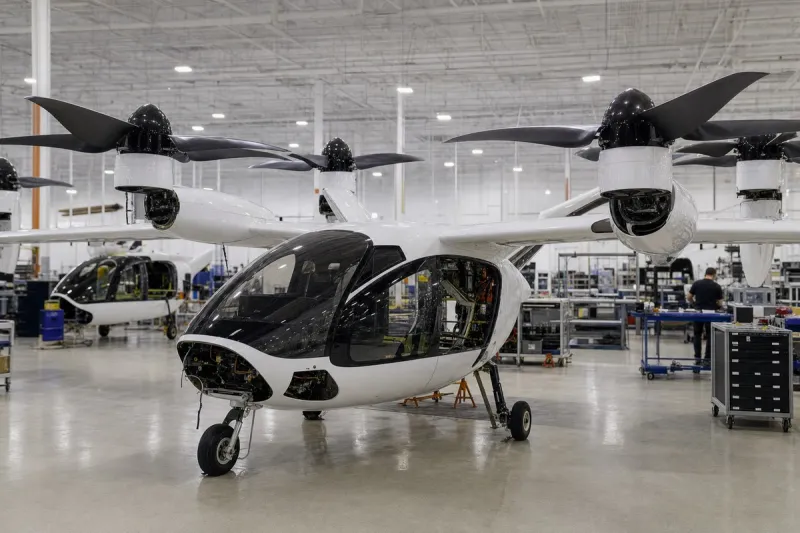
Eve said its full-scale engineering prototype has completed more than 70 flights since its first flight, including the hover and low-speed phases of its flight-test campaign. The company is now expanding the aircraft's flight envelope through transition-flight testing, including in-flight activation of its rear pusher propulsion system as it advances toward wing-borne flight.
In September 2026, Brazil's Ministry of Ports and Airports convened aviation authorities, government representatives and Eve to discuss certification, vertiport infrastructure, energy supply, operational safety, telecommunications and airspace integration. Eve states that two operators in Brazil have already committed to deploying its eVTOL and that several others have shown strong interest.
Industry impact & what to watch
Early eVTOL order books are typically built in stages: a non-binding letter of intent first, then a binding agreement, then deliveries tied to certification. This agreement moves FlyBIS from the first stage to the second, with two firm units giving the commitment substance and the ten purchase rights acting as options that depend on later conditions.
The weight of the deal sits in what has to be built around the aircraft. The September 2026 ministry meeting listed certification, vertiport infrastructure, energy supply, safety, telecommunications and airspace integration as the topics on the table, and a coastal and mountain-tourism network like the one FlyBIS describes needs each of them in place before any route can open.
The next milestones are the ones Eve itself names: transition-flight testing as the prototype advances toward wing-borne flight, and FlyBIS's new fundraising round for fleet acquisition. How quickly the purchase rights convert into firm orders will show whether this regional model scales.