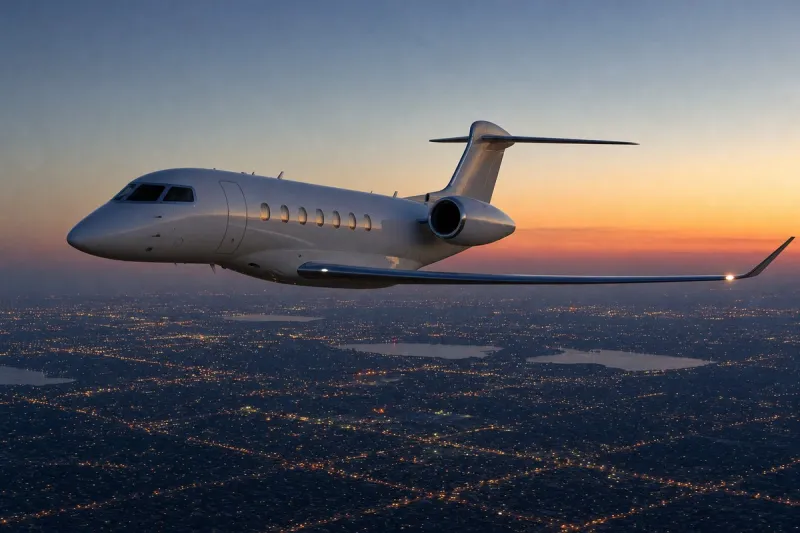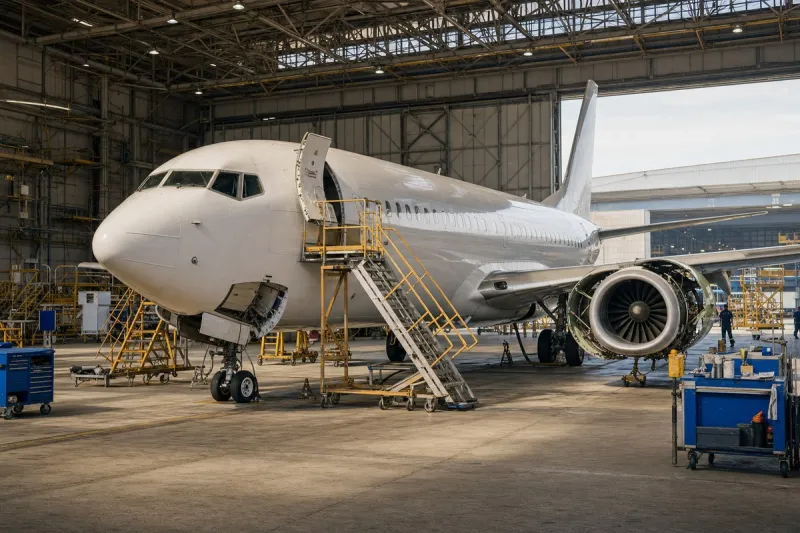
Boeing 787-10 Orders Surge in 2025–26 After Slow Start as Airlines Prioritize Capacity Over Range
Why It MattersThe 787-10's order surge shows long-haul buyers at gate- and slot-constrained airports now value seats per departure over range, shifting widebody demand toward capacity-optimized variants and pulling Boeing's Dreamliner output upward.
What happened
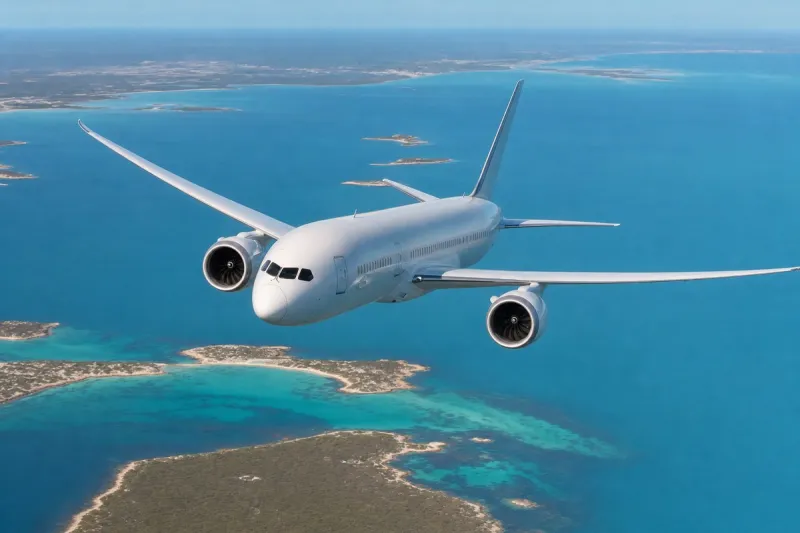
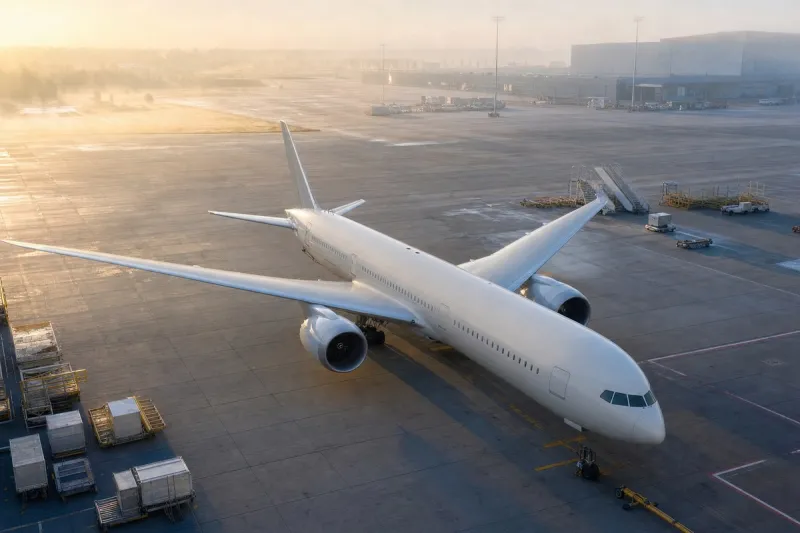
The Boeing 787-10, the largest Dreamliner variant, launched at the 2013 Paris Air Show and had accumulated just 433 gross orders by mid-2025, against 1,557 for the 787-9. The type stretches the 787-9 fuselage to 224 feet (68.3 meters), an increase of 8.71%, but was certified at the same maximum takeoff weight and shares the 787-9's largely unchanged wing, which keeps production costs and airport charges lower. Its range is 6,330 nautical miles (11,730 km), against 7,565 nautical miles (14,010 km) for the 787-9.
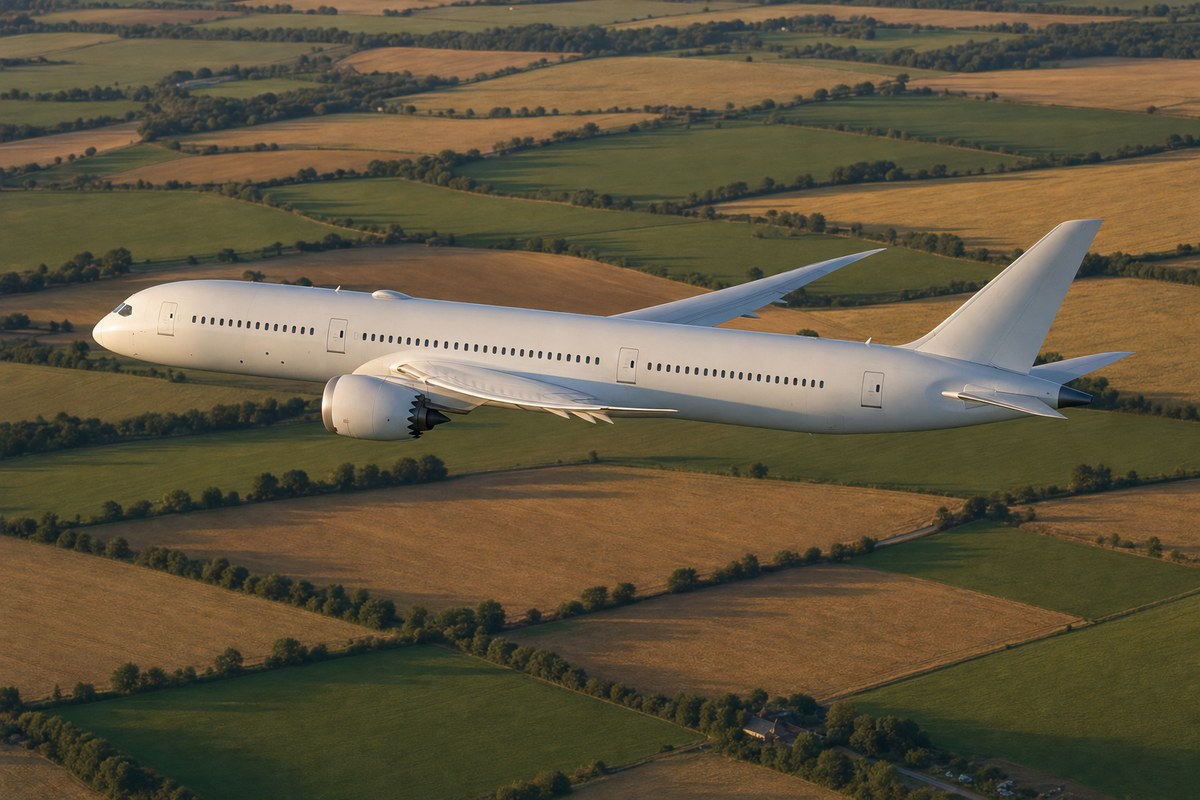
Orders shifted sharply in 2025. Boeing counted 150 orders for the 787-10 from six airlines that year, and 243 new Dreamliner orders by mid-2025, all for the -9 or -10. Customers included IAG, which ordered 32 GE-powered 787-10s for delivery between 2028 and 2033, with options on up to 10 more Dreamliners. Korean Air ordered 25 of the largest Dreamliners within a 103-jet Boeing commitment in August, and Turkish Airlines placed a firm order for 50 Dreamliners with options on 25 more in September 2025. Qatar Airways and British Airways also placed substantial firm orders.
On January 13, 2026, Delta Air Lines placed its first order for any Dreamliner variant: 30 787-10s with options on 30 more, for transatlantic and South American routes. Days later, United Airlines converted 56 of its 787-9 orders to the 787-10, with deliveries beginning in 2028. The change was driven by airport gate and air traffic control constraints, which favor carrying more passengers per departure.
The 787 program has a backlog of between 1,000 and 1,200 aircraft, about 20% of Boeing's commercial order book. Assembly is now consolidated at the Boeing South Carolina plant in North Charleston, where Boeing has broken ground on a $1 billion expansion including a 1.2-million-square-foot final assembly building and a third line, paving the way to a production rate of 10 per month.
Industry impact & what to watch
The 787-10's slow start and late surge illustrate how widebody purchasing logic can change without any change to the aircraft. The type's range was the same in 2013 as it is now; what moved is the constraint airlines are optimizing around. Where gates, slots and air traffic control capacity limit the number of departures, carrying more passengers on each one becomes the lever, and a stretched variant with unchanged weight and wing economics fits that logic. United's decision to convert existing 787-9 positions into 787-10s is the clearest expression of it.
For the segment, that points to a market in which range-limited but seat-dense variants gain share on dense transatlantic and regional-hub networks, while ultra-long-haul missions remain with the -9 and competing types such as the A350. The ordering from airlines that had not previously bought the family, Delta among them, also widens the 787's customer base at a time when the program's backlog already accounts for about 20% of Boeing's commercial orders.
The concrete milestones still ahead are the ones the program itself names: the 787-10 delivery slots beginning in 2028 and running through 2033 for IAG, and the South Carolina expansion that is meant to carry output to 10 aircraft per month. How quickly the third line and new final assembly building come online will determine how much of this order wave converts into deliveries on those dates.