Textron Aviation Delivers 51 Citation Jets in Q3 2026, Up 21% Year Over Year
Why It MattersHigher jet output against a large order book shows demand outrunning supply, so delivery pace is set by constrained parts and components rather than by new orders.
What happened
Textron Aviation delivered 51 Cessna Citation business jets in the third quarter of 2026, compared with 42 in the same period a year earlier, an increase of 21%. The quarter's deliveries included 10 M2 Gen2, 11 Latitude and nine Longitude aircraft. Longitude deliveries nearly doubled from five a year earlier.

The Wichita manufacturer reported quarterly revenue of $1.7 billion, up 14% or $201 million, and segment profit of $179 million. Backlog at Textron Aviation stood at $8 billion on September 30.
In the first nine months of 2026, Textron Aviation delivered 128 Citation jets, six more than at the same point in 2025, while commercial turboprop deliveries fell to 32 from 39. Brian Rohloff took over as CEO on August 31.
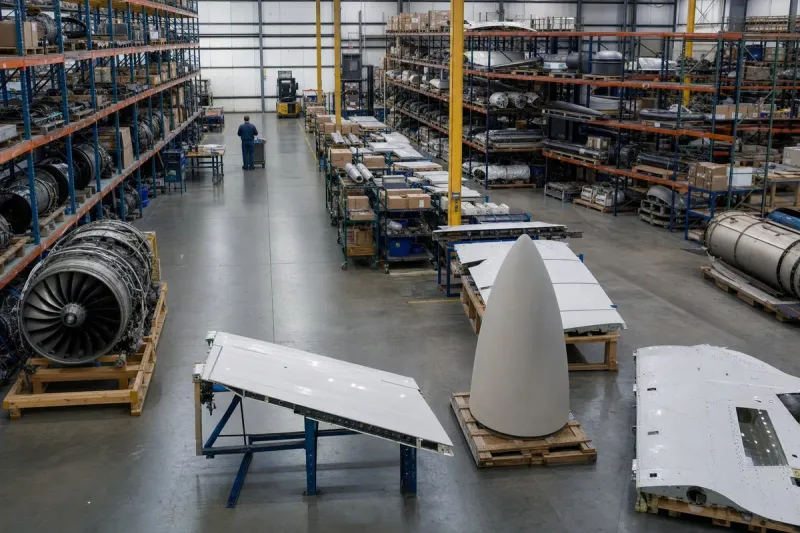
Textron says parts availability is improving, though engines, spars, extrusions and ground power units remain pinch points in production.
Industry impact & what to watch
The quarter's gain looks larger than the year-to-date picture. A nine-month total only six jets above the prior year, set against a 21% rise in the third quarter, suggests output was uneven earlier in 2026 and accelerated later. A single strong quarter says less about the production run-rate than the cumulative figure does.
An $8 billion backlog means buyers are waiting on aircraft rather than the manufacturer waiting on orders. In that situation delivery volume is governed by the slowest inputs on the line. Textron itself names engines, spars, extrusions and ground power units as pinch points, which is why improving parts availability matters more to future deliveries than demand does.
The next quarterly delivery count under the new CEO will show whether the third-quarter pace holds or was a one-off. The turboprop decline, from 39 to 32 over nine months, is the other line that will indicate whether constraints are spread across the product range or concentrated in jets.