Bombardier to Hire 800 in US and Invest About US$270 Million in Service Network Expansion
Why It MattersA manufacturer funding service capacity in several states at once shows aftermarket reach, rather than aircraft sales alone, has become a strategic contest for business jet OEMs.
What happened
Bombardier is hiring 800 people across the United States and investing an estimated US$270 million in infrastructure expansion, which the company describes as the first phase of a broader growth plan for its American service network. It is actively recruiting for 500 positions, and a further 300 jobs are to be created through footprint expansion.
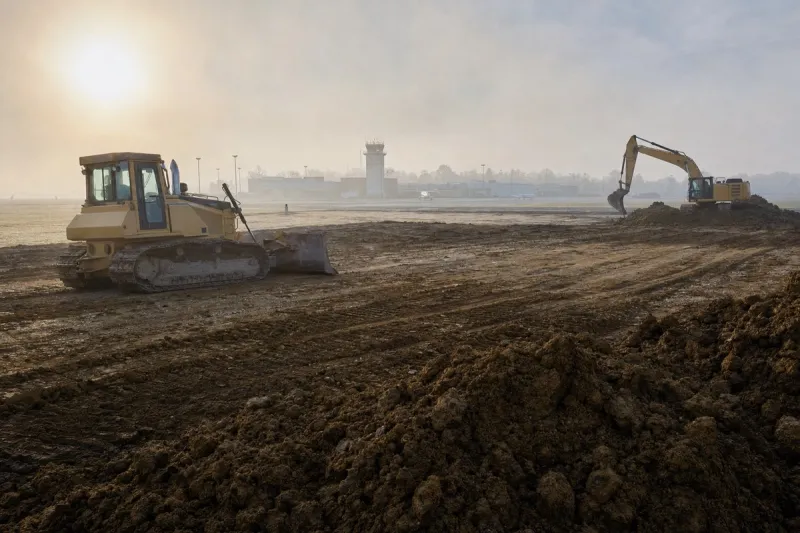
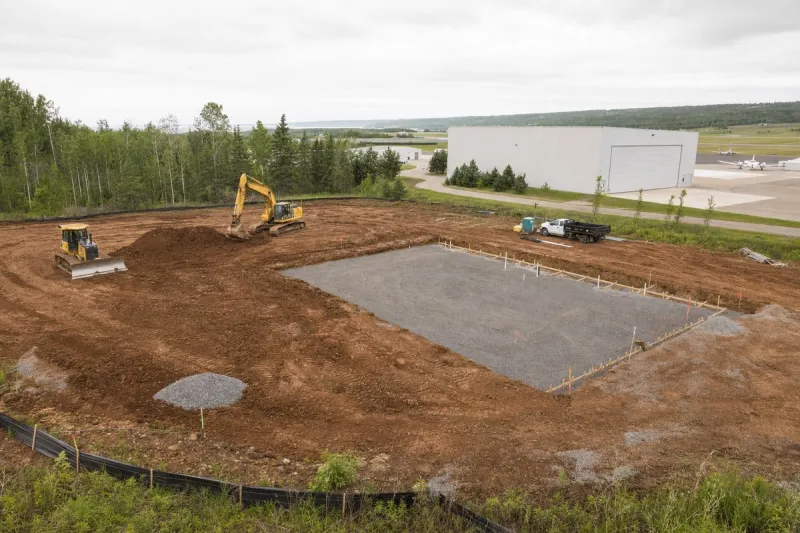
Texas will be the next major pillar of that expansion, accounting for 150 of the 300 new positions. Additional hiring is planned in Kansas, Indiana and Connecticut, and expansion projects will also be launched in Dallas, Texas, and in Connecticut.
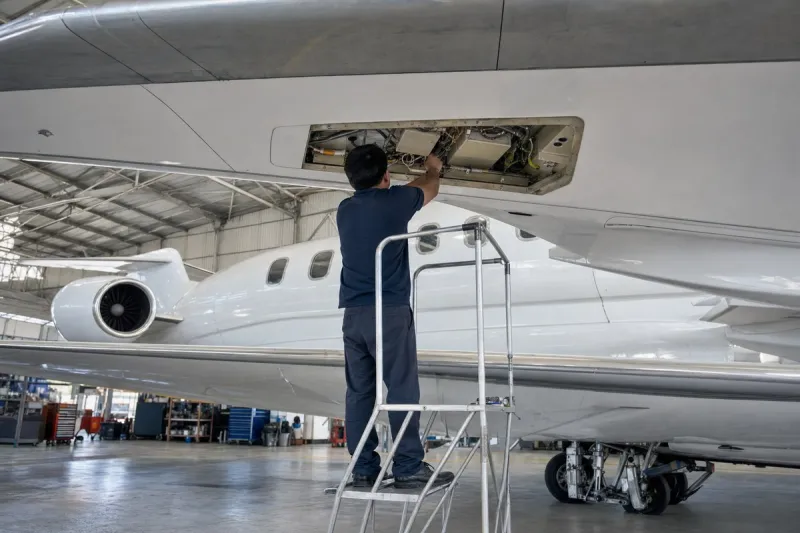
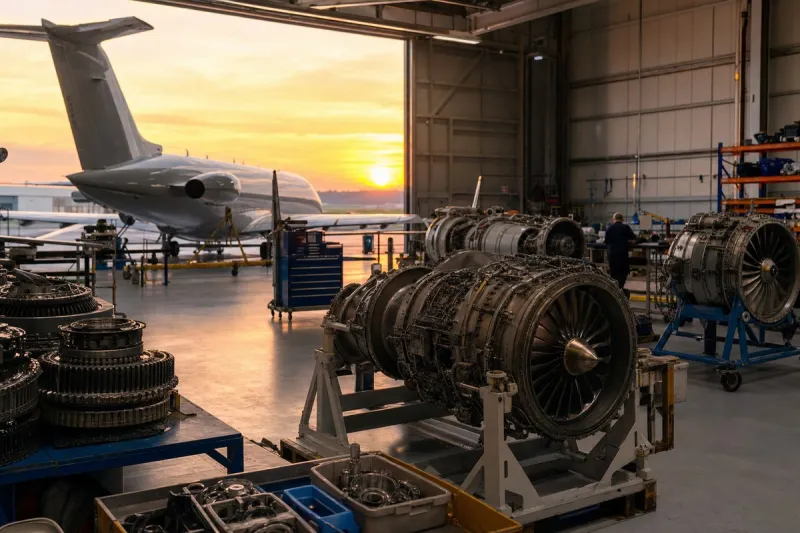
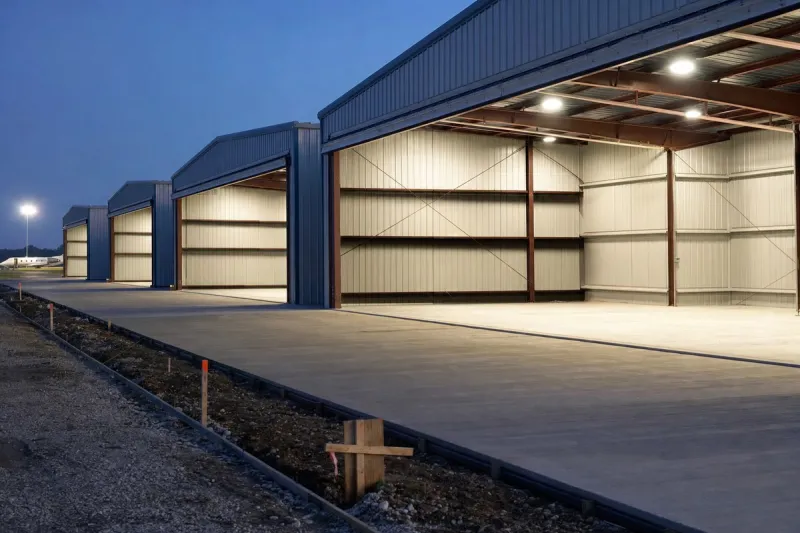
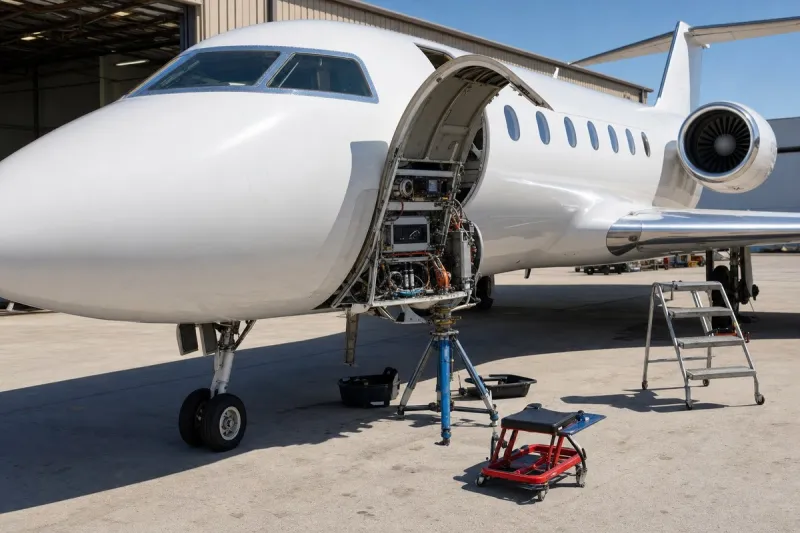
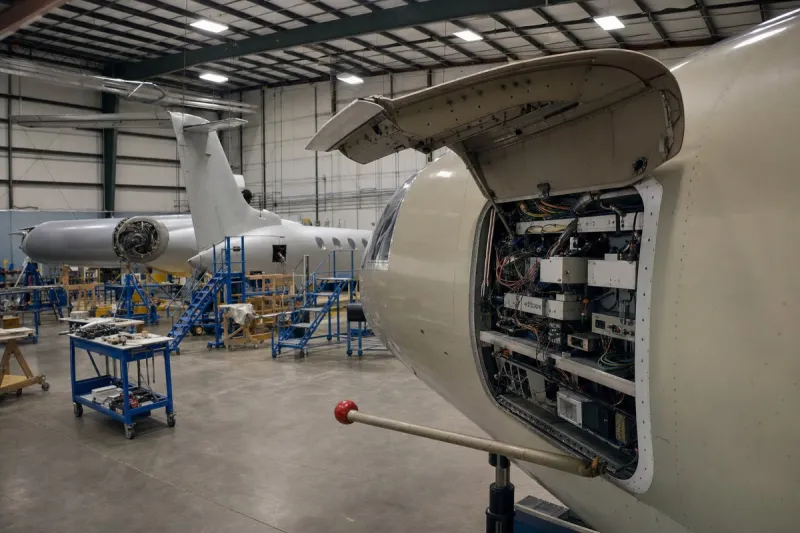
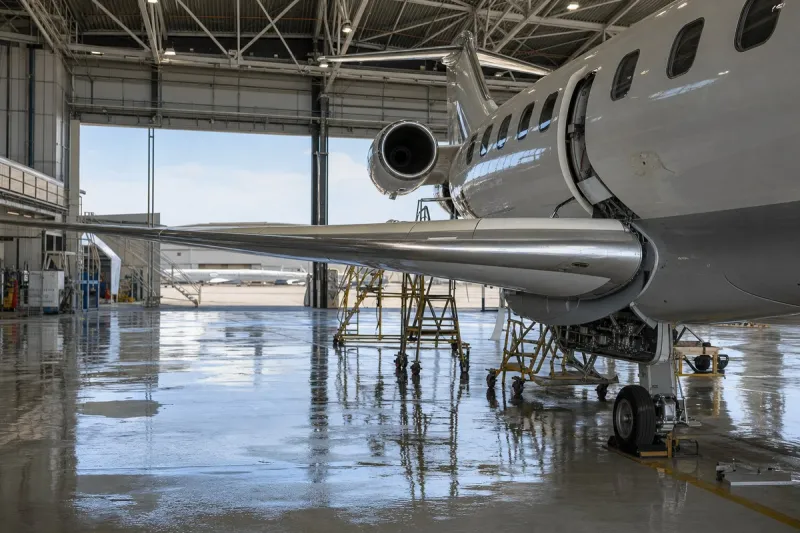
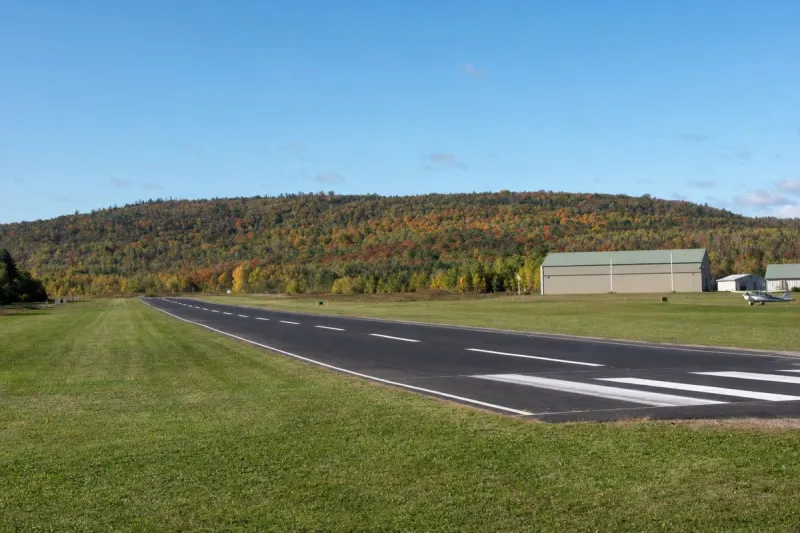
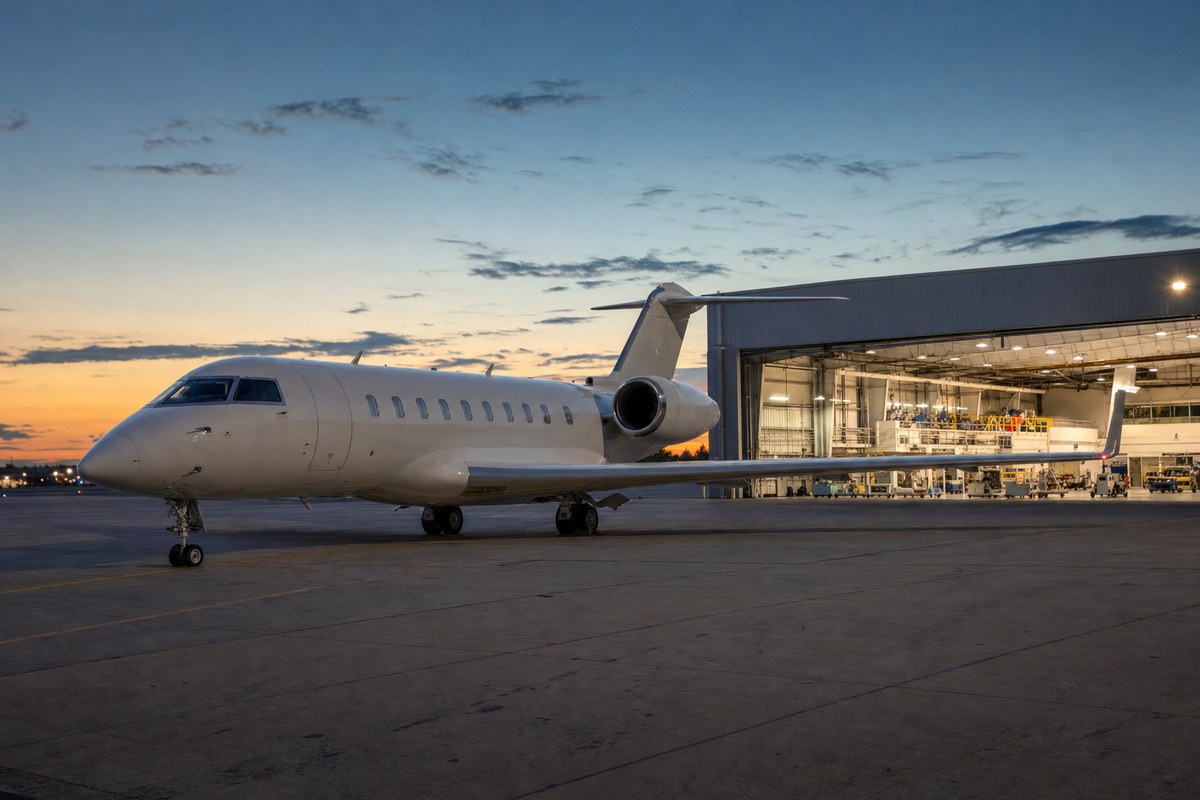
Bombardier's newest US service facility sits at Fort Wayne International Airport in Indiana. The site covers approximately 64,500 sq ft (5,992 sq m) and can accommodate up to six aircraft. It offers scheduled and unscheduled maintenance, modifications, avionics installations and AOG support.
Eric Martel, president and CEO of Bombardier, said the American service network is a key pillar of the company's growth strategy. He said that, based on constructive conversations with the US administration, Bombardier sees a bright path forward for its highly skilled aerospace workers and a positive environment for continuing direct investments to grow its American footprint.
In 2025, Bombardier's US activities supported 27,200 American jobs across its service and manufacturing facilities and supply chain, where it spent US$2.8 billion. Based on current hiring and expansion plans, the total number of supported jobs is projected to exceed 33,000. Bombardier has a direct employment presence across more than 20 states.
Industry impact & what to watch
Service capacity is a constraint that business jet manufacturers increasingly compete on. Owners and operators judge an OEM partly by how quickly an aircraft can get into a hangar for scheduled work, modifications or AOG recovery, and a network that adds bays and technicians in several states at once is aimed at shortening that wait. Hiring 500 people now while a further 300 jobs depend on new footprint shows the labour and the buildings are being scaled together.
The pairing of a Fort Wayne facility with planned work in Dallas and Connecticut also points to how OEM-owned service sites tend to be placed: near large installed bases and alongside existing operations, where the same site can handle line maintenance, avionics work and completions-style modifications. That model competes directly with independent MRO providers for the same aircraft and the same technicians.
The milestone to follow is the Dallas and Connecticut expansion projects, which Bombardier says will be launched, and the Texas hiring that makes up half of the 300 footprint-related positions. Those are the points at which the first phase of this plan turns from announced figures into operating capacity.