Illinois Municipal Airports in Mount Sterling and Jacksonville Expand Hangars and Upgrade Airfields as Demand Grows
Why It MattersSmall municipal fields are becoming the pressure valve for hangar-starved general aviation, with state capital programs and pre-leasing, not market-rate development, deciding how quickly new indoor storage reaches based aircraft.
What happened
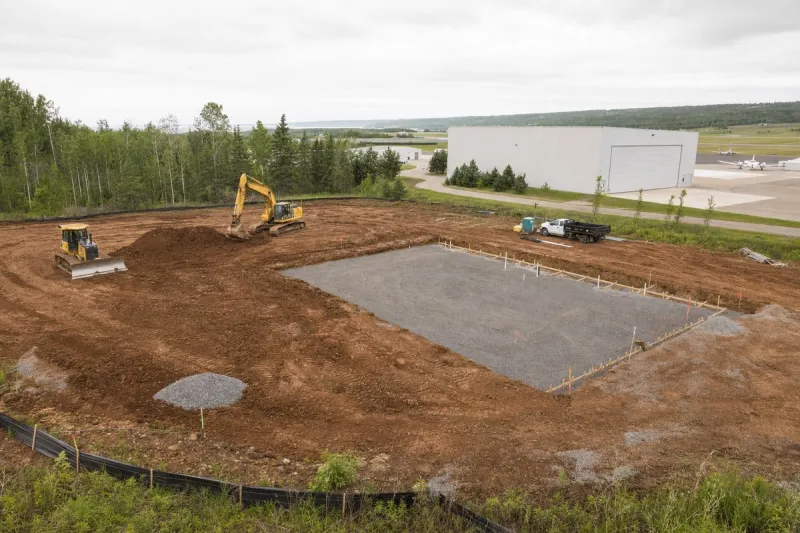
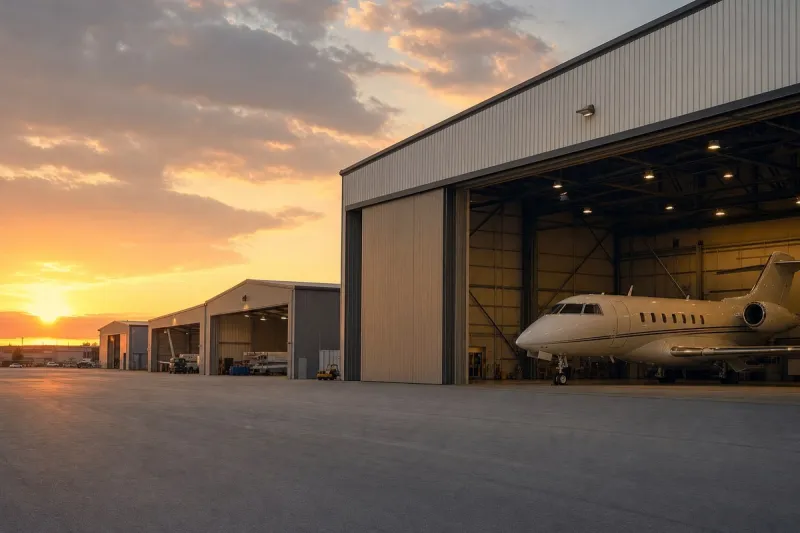
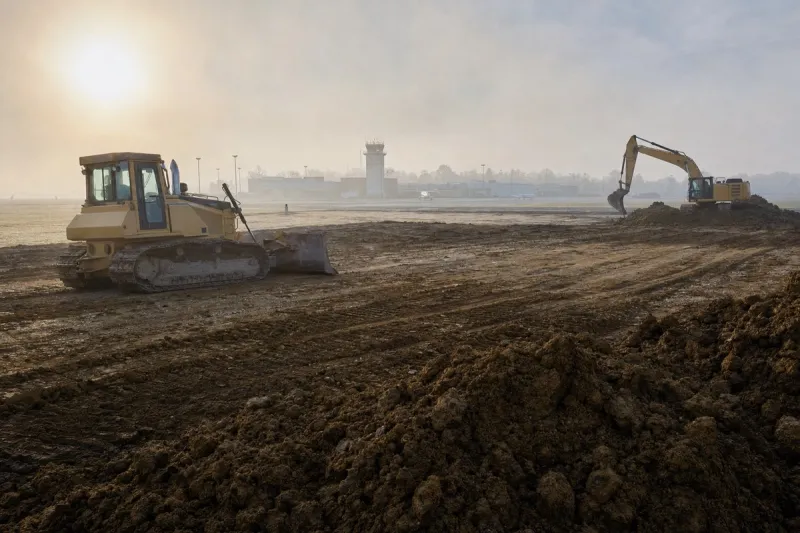
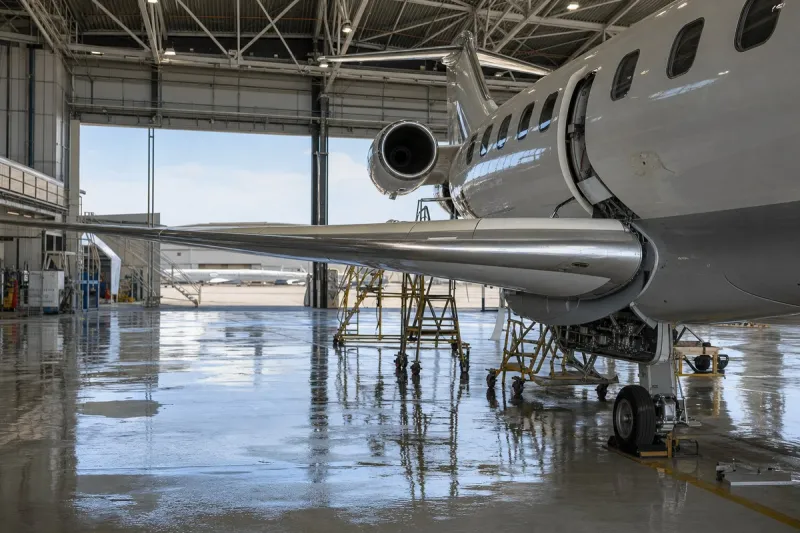
Municipal airports in west-central Illinois are expanding to meet rising demand for private and corporate aircraft facilities. At Mount Sterling Municipal Airport in Brown County, six new T-hangars are under construction to provide indoor storage for aircraft.
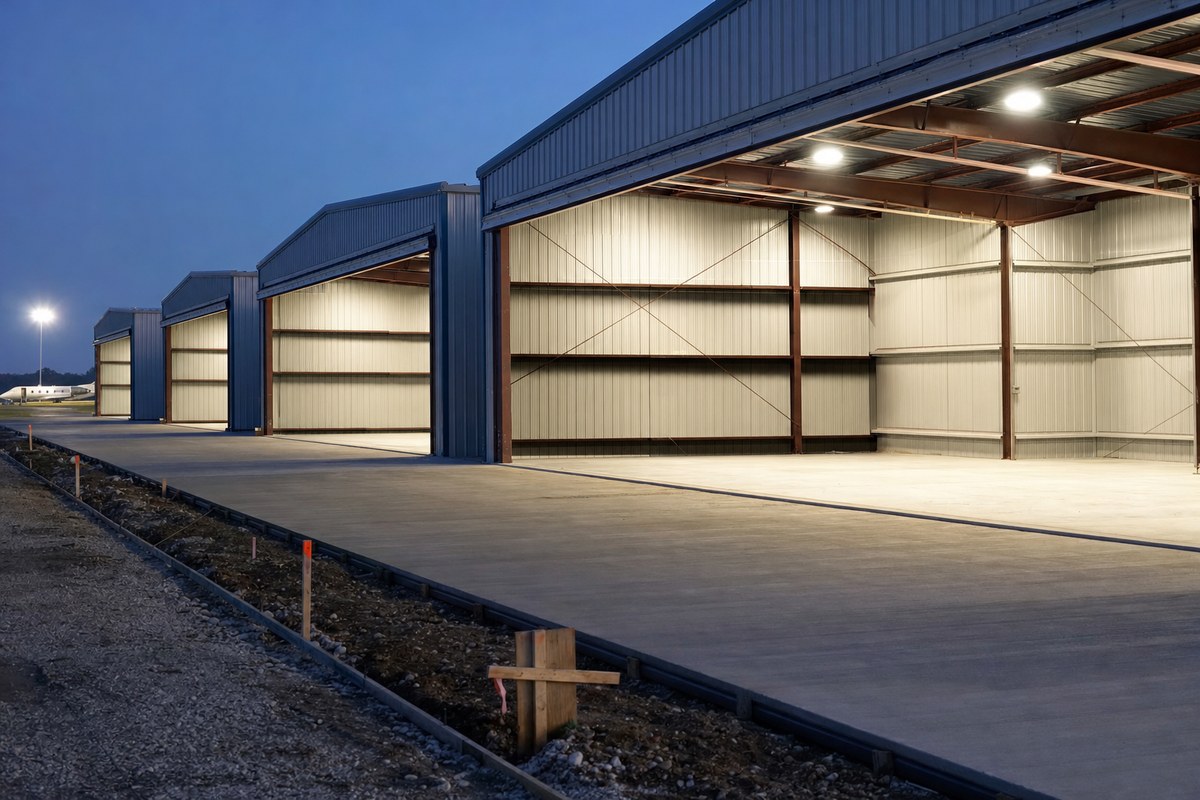
Airport representative Paul Walker said the concrete portion was due to be finished soon and that the hangars are expected to be completed and operating by early spring. The project began about six years ago with the state. The airport has never had more than six hangars, and three of the new units are already pre-leased.
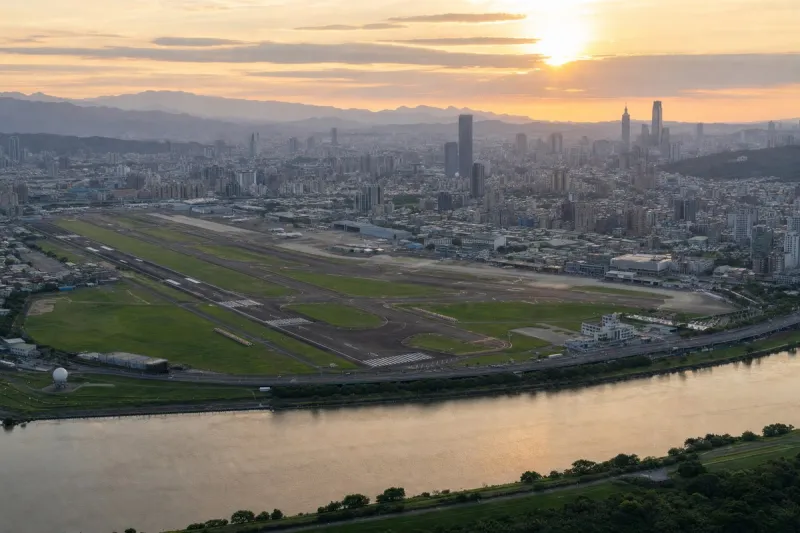
At Jacksonville Municipal Airport, recently named Large General Aviation Airport of the Year in Illinois, manager Shastin Saxer said the airport rehabilitated its primary runway, a 20-year-old asphalt surface that had reached the end of its useful life. Airfield lighting, also more than 20 years old, was upgraded as well.
The airport now plans to add a parallel taxiway to the crosswind runway, which currently lacks one, to address a safety issue. Funding for the taxiway extension comes from the Rebuild Illinois program. A new hangar row built in 2022 can house an additional 10 aircraft.
Industry impact & what to watch
Hangar space is a scarce asset at small public-use airports, and these two projects show how it typically gets built there: through state-backed capital programs and multi-year timelines, with tenants committing before the concrete is finished. Mount Sterling's pre-leasing of three of six units suggests demand is being validated ahead of completion, and a project that took roughly six years from start to finish shows how slowly this capacity arrives.
Jacksonville illustrates the other half of the equation. Runway pavement and lighting that have outlived their useful life are a precondition for attracting and keeping corporate and private traffic, and safety-driven additions such as a parallel taxiway are paid for largely through state and federal programs rather than local revenue. Airports that secure those funds can then add hangar rows, as Jacksonville did in 2022.
The next concrete markers are the completion of the Mount Sterling hangars by early spring and the delivery of the Jacksonville parallel taxiway under Rebuild Illinois funding.