BizJet Journal: People Fly Private for Schedule Control, Airport Access and Privacy, but Value Depends on the Trip
Why It MattersPrivate aviation's value proposition is trip-specific rather than universal, which keeps demand concentrated in awkward multi-stop, thinly served or time-critical itineraries and makes total-cost framing central to how charter is sold.
What happened
BizJet Journal published an article on November 3, 2026, by founder and editor Joash Koech on why people choose private jet travel. The reasons given are greater control over schedules, access to suitable airports closer to a destination, more privacy, and easier handling of demanding itineraries. Whether those benefits justify the cost, Koech writes, depends on the journey, the aircraft and the full cost.

The piece builds on an illustrative itinerary: a management team visiting two manufacturing facilities, meeting an acquisition target and returning the same evening. The cost comparison, it argues, should go beyond a charter quotation versus airline tickets to include the working days consumed and the total travel time of the team.
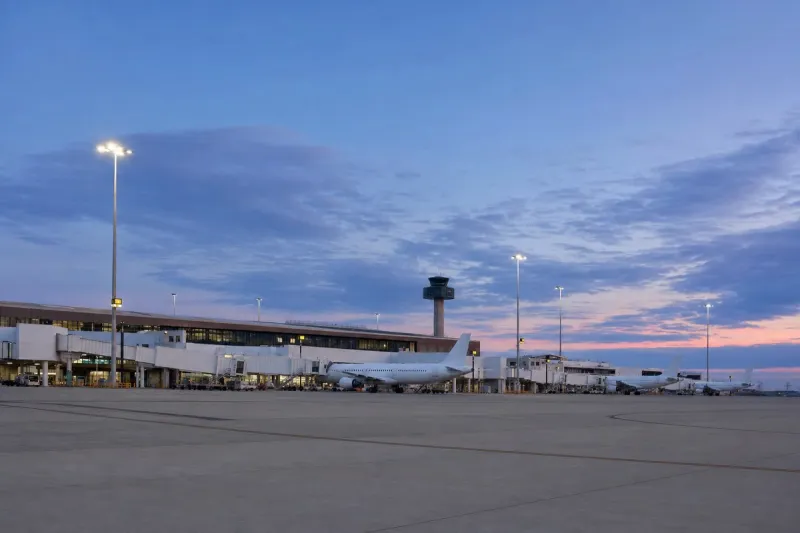
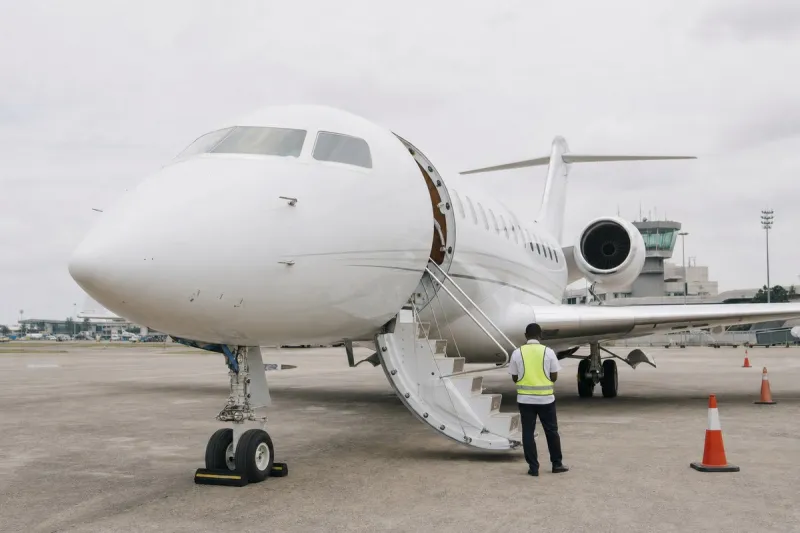
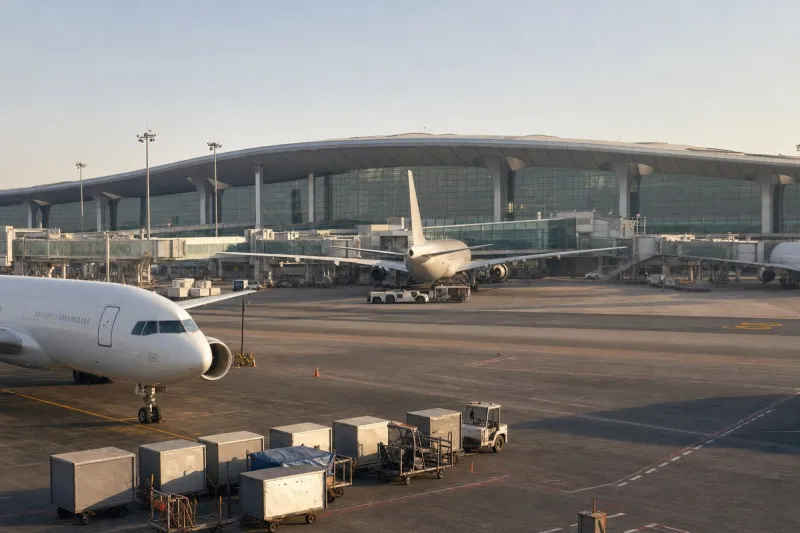
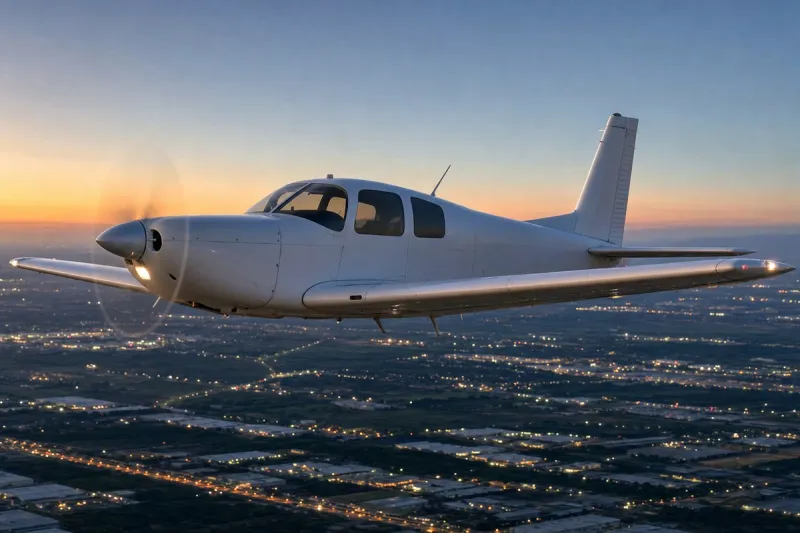
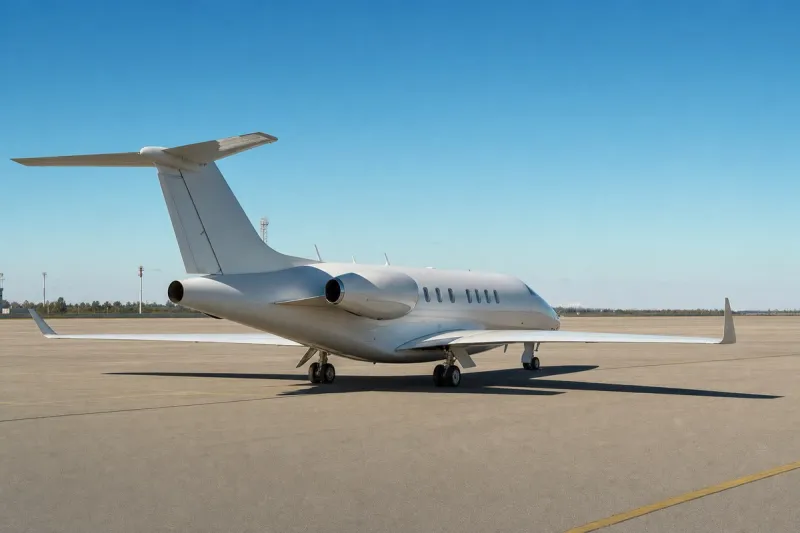
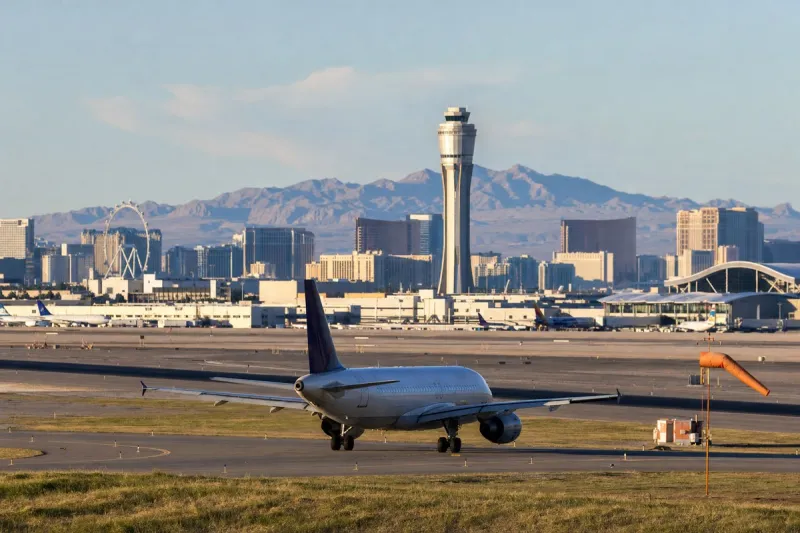
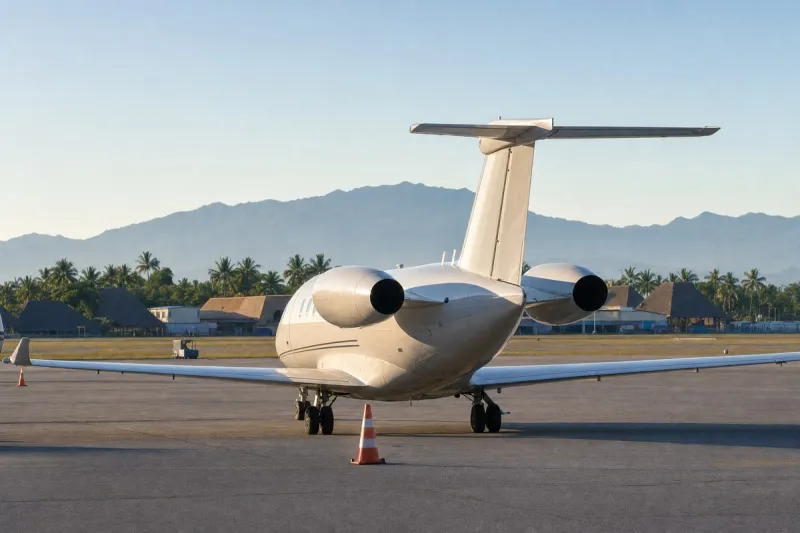
On airport access, the United States has approximately 5,300 public-use airports, while airlines serve about 550. A private jet cannot use every one of them, since runway length, aircraft weight, weather, terrain and available services all limit what is possible. Cabins also vary widely: the Gulfstream G700 offers configurations with up to five living areas and options including a suite with a shower, in contrast to a compact aircraft chosen for a short regional trip. Passengers are advised to confirm a flight attendant, Wi-Fi service and sleeping arrangements rather than rely on photographs of similar aircraft.
Private flights remain subject to the shared aviation system. Thunderstorms, congestion, runway restrictions, traffic management, technical faults and crew availability can all cause disruption, and in the United States applicable charter operations must follow TSA security program requirements.
On cost, charter pricing can be affected by positioning, minimum charges, airport fees, de-icing, crew expenses, taxes and itinerary changes. Ownership carries continuing costs including crew, maintenance, insurance, hangarage, management, financing and tied-up capital. A business-expense deduction generally reduces taxable income rather than reimbursing the full expenditure, and eligibility depends on jurisdiction, rules and the facts of the trip. The piece also acknowledges that private aviation consumes fuel and produces emissions, and refers to a 2024 study published in Communications Earth & Environment on the topic.
Industry impact & what to watch
The framing reflects how the segment actually sells: the aircraft is a tool priced against a problem, not a product priced against an airline seat. Demand is strongest where the problem is structural, such as multi-destination routes, limited airline service, tight schedules or a need for discretion, and weakest where a convenient nonstop airline flight already fits. Charter and fractional providers that quote only a trip price leave out the working-day and team-time arithmetic that drives the decision for corporate buyers.
The airport-access figures, about 5,300 public-use airports against roughly 550 with airline service, explain why the value case is geographic as much as it is about comfort. That advantage is bounded by runway, weight, weather and services at each field, so fit between aircraft, airport and trip is the practical test rather than the existence of a nearby airstrip.
Pricing complexity, from positioning and minimum charges to de-icing and itinerary changes, together with the tax treatment of business expenses, keeps total-cost transparency a recurring friction point between providers and first-time buyers. Emissions scrutiny, including the 2024 study the article cites, remains a reputational factor that sits alongside the cost-and-utility argument.