Perth Becomes Australia's Non-Stop Gateway to Europe as Qantas Expands Routes and Tests Fleet Limits
Why It MattersUltra-long-haul economics here hinge on payload sacrificed for fuel, so a premium-heavy cabin and strong yields, not seat count, decide whether such routes can hold against hub-based alternatives.
What happened
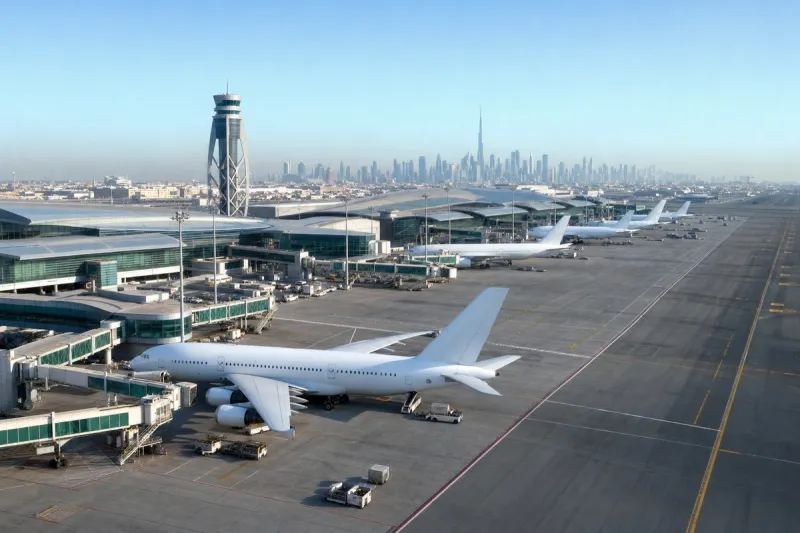
Perth has become the main entry point for non-stop flights between Australia and continental Europe. The city sits nearly 2,000 miles (3,218 km) closer to London than Sydney, which places the distance to Europe within the range limits of modern twin-engine airliners.
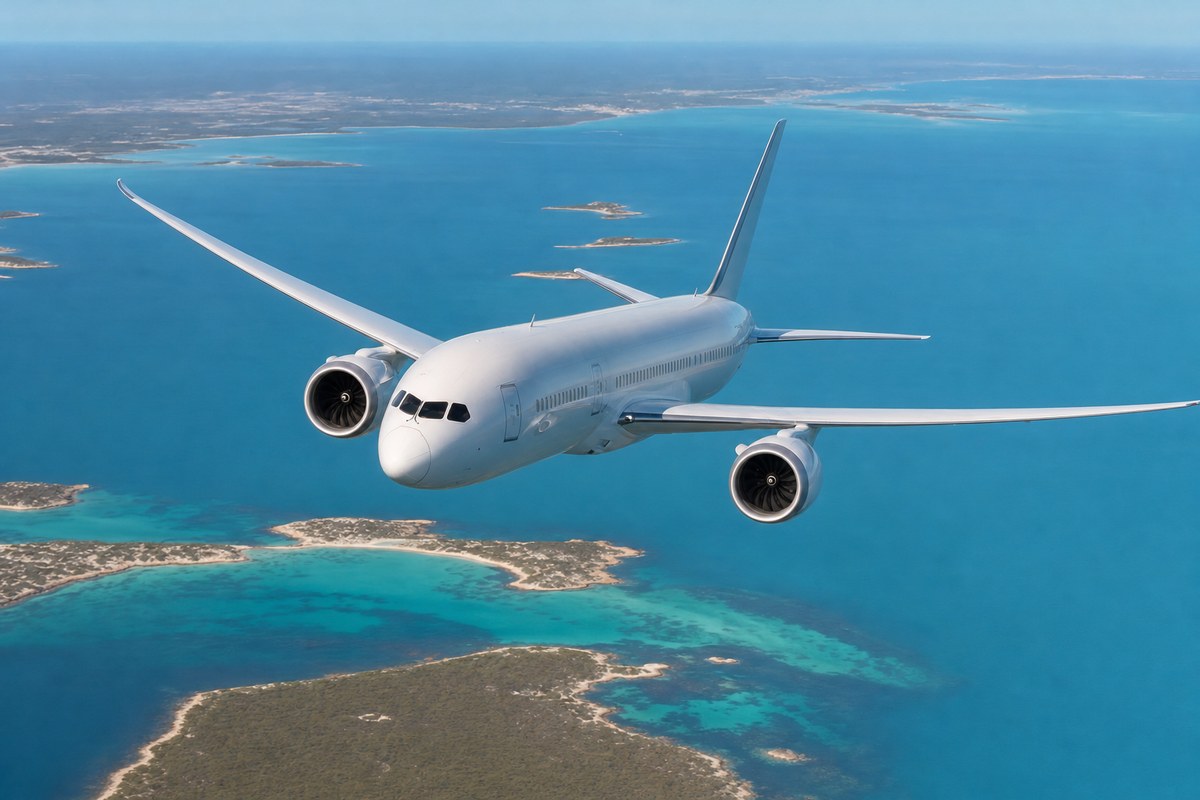
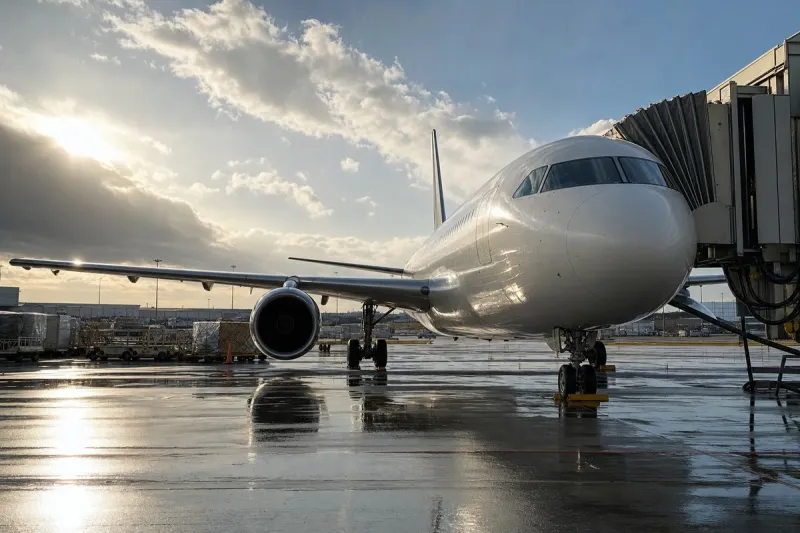
In March 2018, Qantas launched a 9,010-mile (14,499 km) Perth to London Heathrow (LHR) route using a 236-seat Boeing 787-9. Flying from Western Australia cuts three to four hours off the total journey compared with departing from Sydney or Melbourne and removes the traditional stopover in Singapore, Dubai or Doha. Qantas followed with Perth–Rome Fiumicino (FCO) in June 2022, the first direct flight linking Australia with continental Europe, and a seasonal non-stop service to Paris Charles de Gaulle (CDG). Qantas confirmed that 2026 would be its biggest year yet for Western Australia.
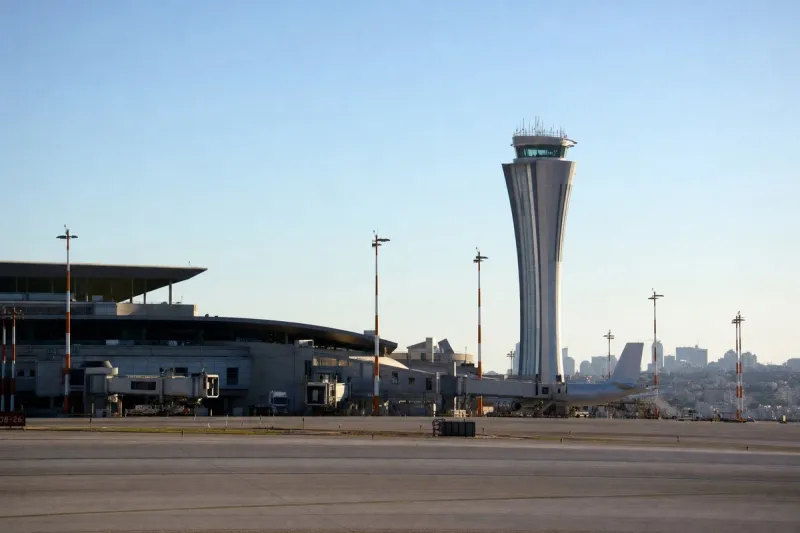
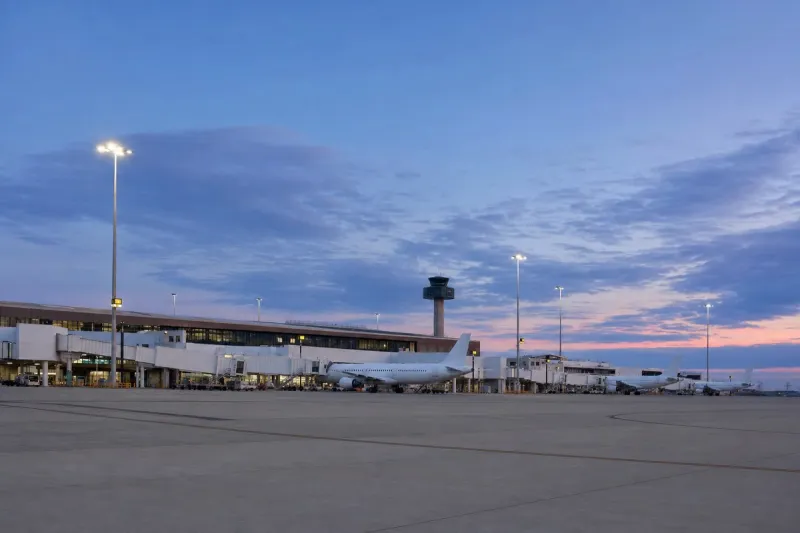
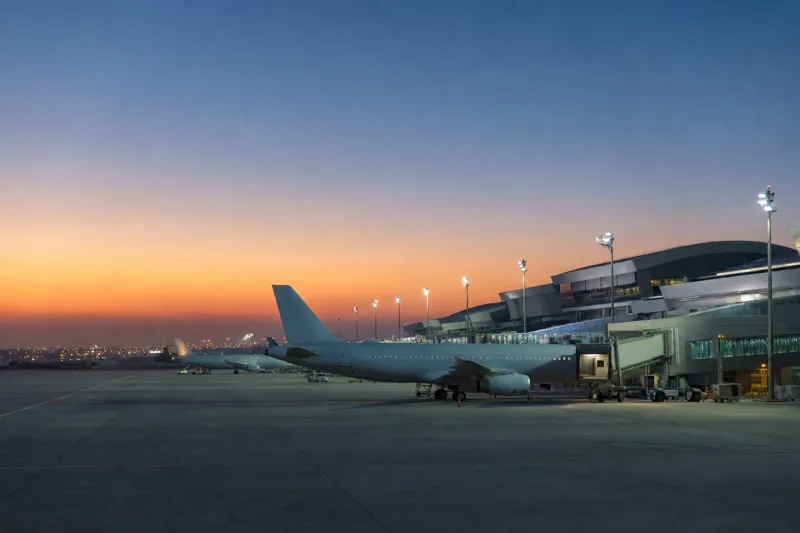
On the ground, Qantas arranged for international customs and immigration processing within its domestic Terminal 3 and 4 wing so connecting passengers from Melbourne, Sydney or Brisbane need not cross the airfield. This interim arrangement preceded Perth Airport's "One Airport" program, which aims to consolidate domestic and international flights into one central terminal precinct.
Geopolitical conflict in the Middle East has closed or restricted airspace over Iran, Iraq and the Levant, disrupting Gulf hubs such as Dubai, Doha and Abu Dhabi and driving demand toward direct Australia–Europe services. Westbound headwinds and airspace avoidance forced Qantas to route outbound Perth–London and Sydney–Paris-via-Perth flights through Singapore Changi for refueling, while inbound flights from London and Paris to Perth continued non-stop. Qantas raised Perth–Rome from four weekly flights to daily, adding over 1,400 seats per week.
Fleet limits on the long sectors
The 787-9s used on these routes carry only 236 seats, reducing payload so the aircraft can carry the fuel needed for a roughly 17-hour block time. Weight limits, headwinds and ETOPS margins constrain these flights, which is why Qantas relies on premium-heavy cabins and higher yields.
The constraint shows most clearly on the westbound legs, where headwinds and airspace avoidance pushed Qantas into a Singapore Changi fuel stop on outbound Perth–London and Sydney–Paris-via-Perth flights, while the inbound legs from London and Paris to Perth stayed non-stop.
Industry impact & what to watch
Perth's advantage is geographic and regulatory-light: it shortens the distance enough for a twin-engine aircraft to reach Europe without a hub stop. But the same flights show how thin the margin is. A 236-seat 787-9 flying a roughly 17-hour block time gives up seats for fuel, so these routes work only where premium cabins and higher yields cover the lost capacity. That makes them a niche that depends on yield, not a template for volume growth.
The Middle East disruption has strengthened the case for bypassing Gulf hubs, since closed or restricted airspace over Iran, Iraq and the Levant pushes demand toward direct services. How durable that demand is depends on how long the airspace restrictions last, which the situation itself leaves open.
The longer-term test is Qantas's Project Sunrise, which plans non-stop Sydney and Melbourne flights to London and New York on Airbus A350-1000ULR aircraft. Qantas plans to position the two operations as complementary, with Perth continuing to serve Western Australian demand, trans-Tasman feeder traffic and routes to Southern Africa. Whether that division holds will be visible in how Qantas allocates capacity once the A350-1000ULR flights begin.