Aerologística ST Urges Business Aviation Operators to Book Costa Rica Parking Early for Nov–Apr High Season
Why It MattersPeak-season business aviation in Costa Rica is constrained by ramp space rather than slots, so parking, not landing permission, becomes the scarce resource that shapes trip planning and repositioning economics.
What happened
Aerologística ST is encouraging business aviation operators to plan ahead for Costa Rica's 2026–2027 high season, which traditionally runs from November through April. The aim, the company says, is to avoid parking limitations, operational delays and last-minute changes. It expects the season to again put significant pressure on airport infrastructure, particularly at Juan Santamaría International Airport (MROC/SJO) and Daniel Oduber Quirós International Airport (MRLB/LIR).

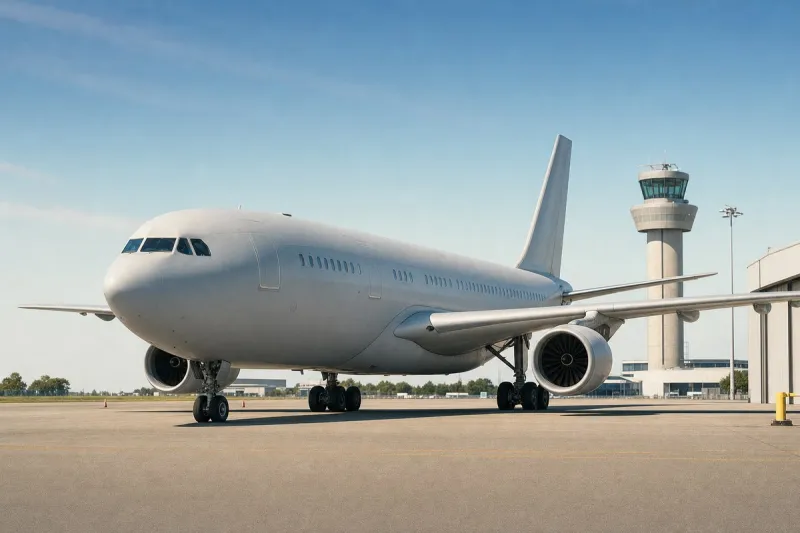
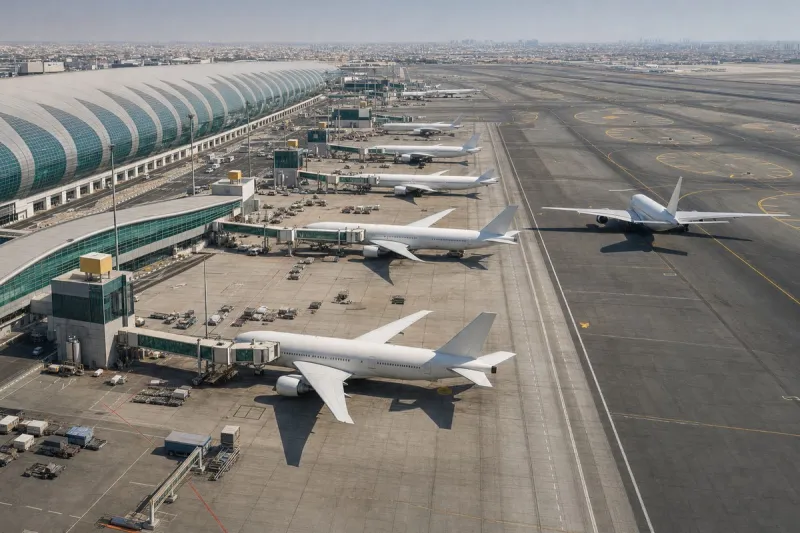
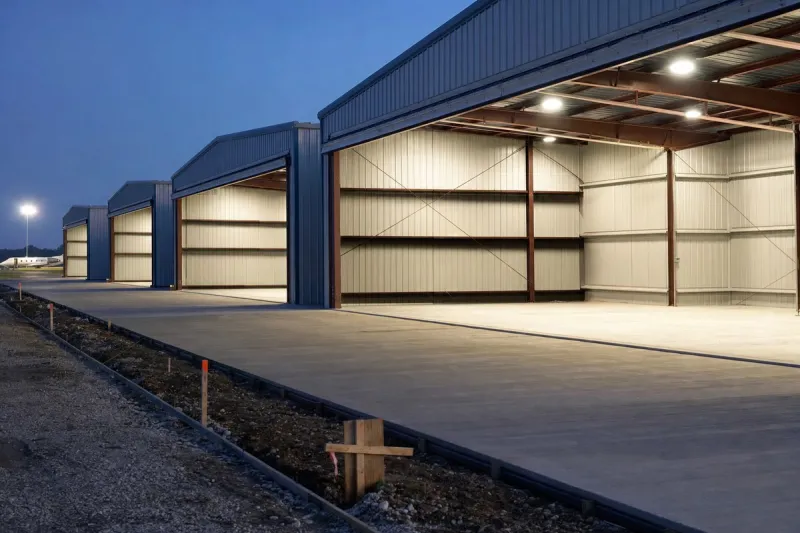
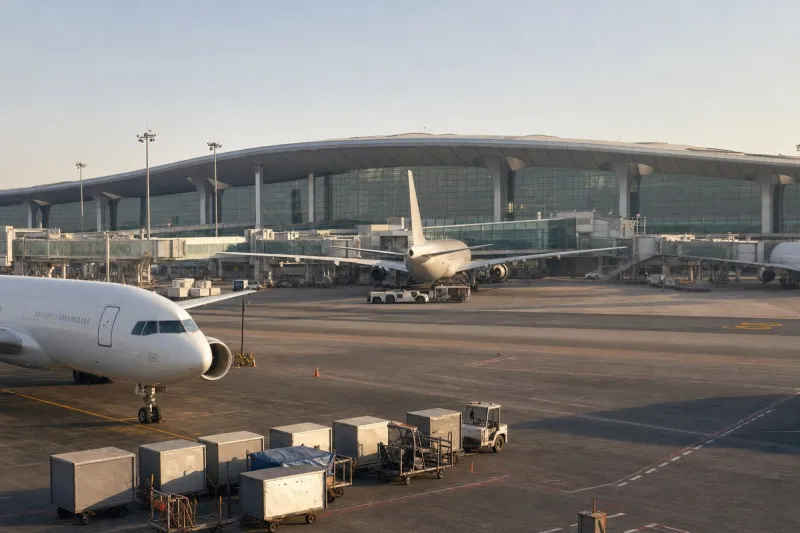
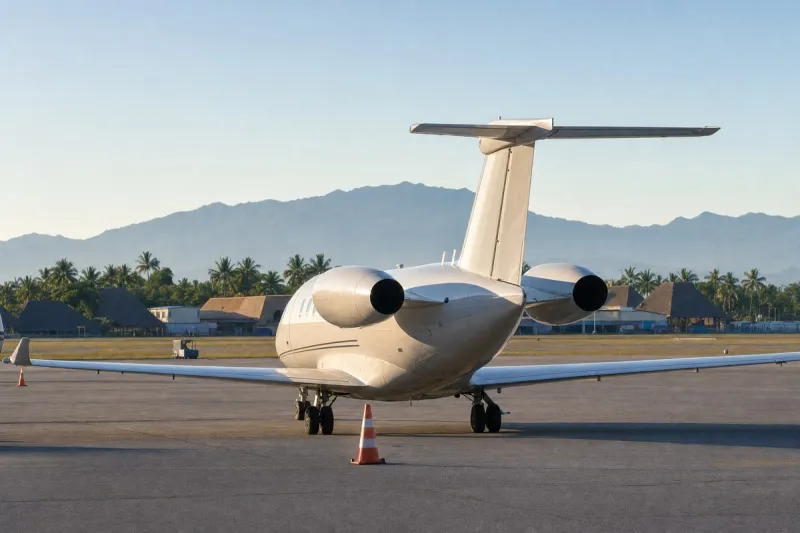
Aircraft parking is identified as the main challenge. Both major airports handle scheduled commercial traffic, private aviation, charter operations and other movements, and general aviation parking positions can become limited during peak demand. Aerologística ST advises operators not to assume parking will be available just because a landing slot or flight schedule has been coordinated, and to request and confirm parking as early as possible, especially for extended stays.
When overnight or extended parking cannot be accommodated at the intended destination, the company suggests several alternatives: dropping off passengers and repositioning the aircraft to another airport, keeping ground stays shorter where feasible, repositioning to Tobías Bolaños International Airport (MRPV/Pavas) subject to aircraft compatibility and parking availability, and coordinating repositioning flights and subsequent passenger pick-ups. It says these options should be evaluated in advance against airport operating hours, handling availability, crew duty limits, aircraft performance requirements and regulatory requirements.
The company describes the three airports as serving different roles. San José (SJO) serves the capital and the Central Valley. Liberia (LIR) is the principal gateway to Guanacaste and the northern Pacific coast, where private aviation demand rises substantially in the tourism high season. Pavas, in the San José metropolitan area, is an additional option for certain business aviation aircraft and may serve as a repositioning and parking alternative when SJO or LIR parking is limited, depending on restrictions, infrastructure and prior coordination.
Beyond parking, operators should anticipate requirements for ground handling, customs and immigration, passenger transportation, catering, fuel coordination and crew arrangements, and should coordinate crew logistics, aircraft movements and passenger pick-ups in advance if repositioning is needed. Aerologística ST recommends submitting parking requests early, confirming arrangements before departure and keeping an alternative operational plan. The company says it supports operators at SJO, LIR and Pavas with parking coordination, ground handling, flight support and operational alternatives.
Industry impact & what to watch
Seasonal destinations like Guanacaste show how ramp space, not airspace, often sets the ceiling on business aviation traffic. A coordinated landing slot says nothing about where the aircraft will sit for the following days, and at airports shared with scheduled and charter flying, general aviation positions are the first thing to run short when demand peaks. The practical effect is that a trip's real cost and feasibility are decided by parking and repositioning options, not only by the flight itself.
That dynamic favours drop-and-reposition trip structures. An aircraft that delivers passengers and leaves for another airport trades parking fees for extra flying hours, crew duty time and a second set of handling and customs arrangements. Which side of that trade wins depends on aircraft size, stay length and the compatibility of the alternate field, and the advisory itself ties the choice to operating hours, handling availability and crew duty limits.
The next test is the start of the high season in November, when it becomes clear how SJO and LIR parking holds up and whether Pavas gets used as the relief valve the company describes. Its suitability depends on aircraft type, restrictions and prior coordination at each field.