Caernarfon Airport's Runway 02/20 Unlicensed Since Two Turbines Were Built 98 Feet From Its Edge
Why It MattersThe case shows how a small airfield can trade runway capacity for planning approval and income, with crosswind redundancy and light-aircraft options the lasting cost of that choice.
What happened
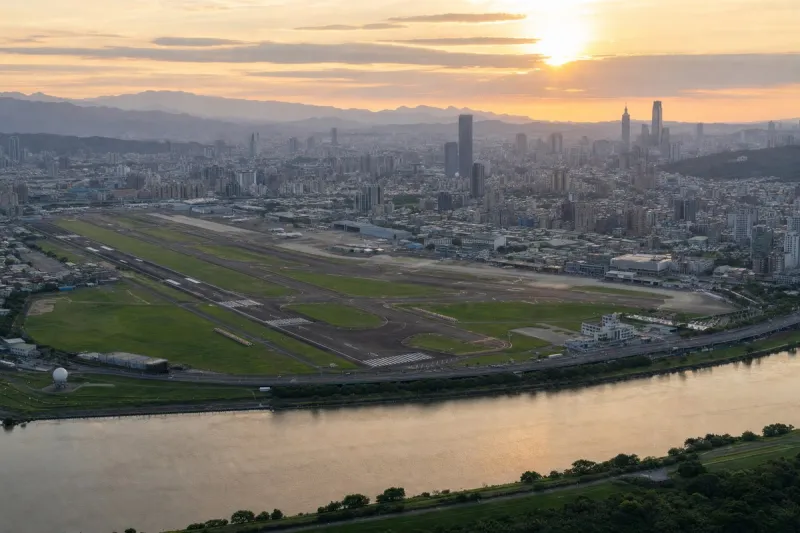
Runway 02/20 at Caernarfon Airport, on Wales's northwest coast near Dinas Dinlle, has been permanently unlicensed since two wind turbines were installed beside it. The operator's own guidance states the runway is unlicensed because of two turbines standing 152 feet AMSL, located approximately halfway down the runway and 98 feet from its edge.
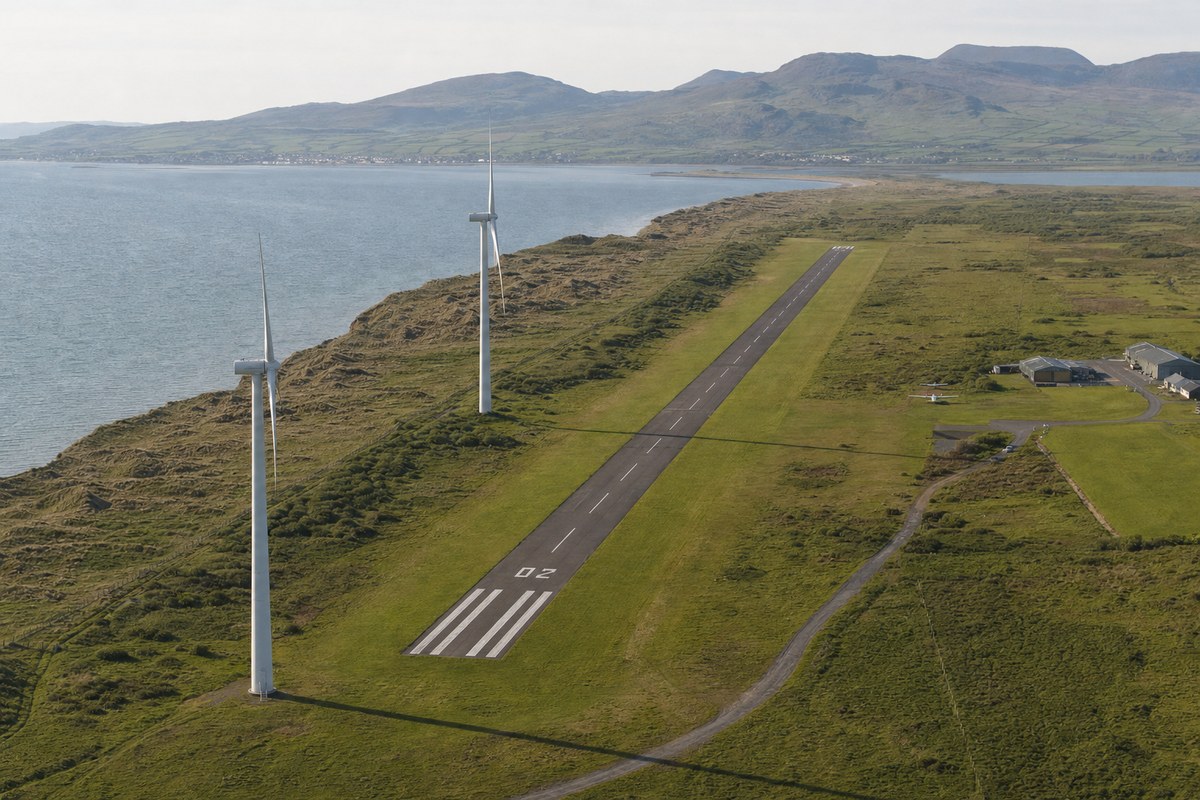
The strip is over 3,500 feet long and can still be used under the airfield's conditions of use, with advance permission from the airport manager. The airfield sits on the former wartime runways of a former RAF station and keeps two strips. Runway 07/25 remains fully licensed and handles the bulk of training and pleasure flying, so the field's official capacity was effectively halved rather than the airfield closing.
The case is documented in planning records because the airfield itself was the applicant. A record of the original submission to the local council noted the operators 'would therefore cause this runway to become unlicensed,' and that the operator seemingly saw this as a positive.
An early scoping document for the 2010 application described 14 turbines of 250 kilowatts each, 148 feet tall, with seven on either side of runway 02/20. After a winter bird survey, the scheme was cut to two machines sited to one side of the strip to limit collision risk. Local pilots objected at the time, warning that losing the crosswind runway again would hit smaller aircraft, including microlights, hardest. The turbines were approved regardless.
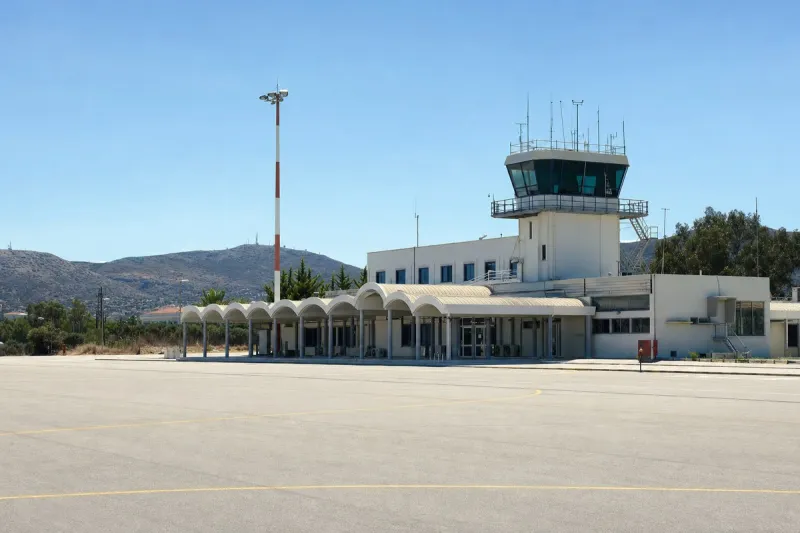
Current air traffic guidance for the field includes a no-helicopter rule within 985 feet of the towers. The arrangement has held for more than a decade, and the airfield has continued operating, including its museum and cafe and pilot training on the remaining licensed runway.
Industry impact & what to watch
Caernarfon shows a trade-off that small general aviation fields can face when they own their land: a revenue-generating or cost-offsetting energy installation can be approved at the price of a runway's licensed status. Here the operator was both applicant and affected party, so the loss of licensing was a stated consequence of the application rather than an unforeseen side effect.
The practical cost falls on crosswind capability. A field with two strips offers a choice of heading when wind shifts; once one strip is unlicensed, light aircraft and microlights, the traffic the objecting pilots named, lose the option of a better-aligned surface. The unlicensed strip still functions on permission, which preserves some flexibility but makes its use discretionary rather than routine.
The decade-long record is the useful evidence for other airfields weighing similar proposals. Training, a museum and a cafe have continued on the remaining licensed runway, and the field has kept operating. How the strip is used under its conditions of use, and whether the helicopter exclusion near the towers is revisited, are the points that would show how durable the arrangement stays.